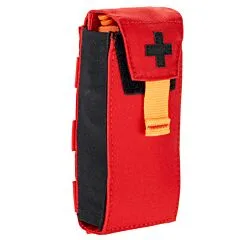
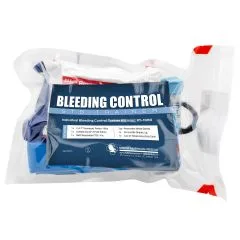
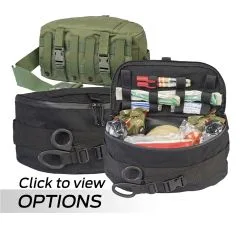
When seconds count, having the right compact trauma kit can mean the difference between life and death. The JETT Pack has gained popularity among tactical professionals and prepared civilians, but how does it stack up against other compact trauma kits on the market? In this comparison, we'll examine the JETT Pack alongside other leading options to help you make an informed decision.
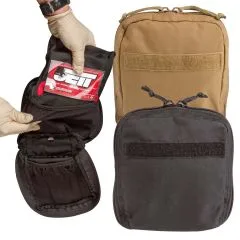
JETT Pack
We'll break down key features, organization, durability, and ease of use, so you can choose the best trauma kit for your specific needs. Whether you're a medic, law enforcement officer, or outdoor enthusiast, this guide will provide valuable insights.
Understanding Compact Trauma Kits
Compact trauma kits are designed to provide essential medical supplies in a small, portable package. They are ideal for situations where space is limited but immediate care is critical. These kits typically include items like tourniquets, hemostatic dressings, chest seals, and airway management tools.
The goal of a compact trauma kit is to offer life-saving interventions without the bulk of a full medical bag. They are often worn on a belt, attached to a plate carrier, or stashed in a vehicle. When comparing kits, it's essential to consider the types of injuries you're most likely to encounter and the environment in which you'll be operating.
- Consider the level of training required to use the contents effectively.
- Think about the weight and bulk of the kit, especially if you'll be carrying it for long periods.
- Check the quality and reputation of the included components.
JETT Pack: Features and Benefits
The JETT Pack is a compact trauma kit that has been designed with input from military and tactical medical professionals. It features a streamlined layout that allows for quick access to critical supplies. The pack is constructed from durable materials that can withstand harsh conditions, and its compact size makes it easy to attach to various gear setups.
One of the standout features of the JETT Pack is its organization. The kit uses a color-coded system and clear labeling to help users find what they need fast, even under stress. It also includes a removable inner pouch that can be used as a mini-kit for smaller tasks. The pack is designed to be modular, allowing users to customize it with additional supplies if needed.
- Compact and lightweight design for easy carry.
- Durable construction with high-quality zippers and fabric.
- Clear organization with color-coded compartments.
Other Compact Trauma Kits: What to Consider
There are several other compact trauma kits available, each with its own strengths and weaknesses. Some popular alternatives include the Leashed Trauma Kit, the High Threat Extraction Kit, and the High Risk Warrant Casualty Kits. These kits vary in size, contents, and intended use, so it's important to compare them against your specific requirements.
The Leashed Trauma Kit, for example, is known for its versatility and can be worn as a fanny pack or attached to a vest. It offers a good balance of capacity and portability. The High Threat Extraction Kit is designed for rapid response in high-risk situations, with a focus on hemorrhage control. The High Risk Warrant Casualty Kits are tailored for law enforcement operations, providing a comprehensive set of tools for treating traumatic injuries.
- Evaluate the included components against your expected scenarios.
- Consider the attachment options: belt, MOLLE, or standalone.
- Look for kits that allow customization or expansion.
JETT Pack vs. Other Kits: A Side-by-Side Comparison
When comparing the JETT Pack to other compact trauma kits, there are several factors to consider. The JETT Pack excels in organization and ease of use, making it a favorite among users who prioritize quick access. Its modular design allows for customization, but some users may find the included supplies insufficient for their needs, requiring additional purchases.
In contrast, the Leashed Trauma Kit offers a more spacious interior, accommodating a wider range of supplies. However, its larger size might be less comfortable for some users. The High Threat Extraction Kit is more specialized, focusing on hemorrhage control, which could be a limitation if you need a more general-purpose kit. The High Risk Warrant Casualty Kits are comprehensive but may be overkill for civilian use.
Ultimately, the best choice depends on your individual needs. If you value organization and customization, the JETT Pack is an excellent option. If you need a more comprehensive kit or have specific operational requirements, one of the other options might be better suited.
- JETT Pack: Best for modularity and quick access.
- Leashed Trauma Kit: Best for versatility and capacity.
- High Threat Extraction Kit: Best for specialized hemorrhage control.
- High Risk Warrant Casualty Kits: Best for law enforcement operations.
How to Choose the Right Compact Trauma Kit
Choosing the right compact trauma kit involves assessing your environment, skill level, and the types of injuries you're likely to encounter. For instance, if you're a civilian looking for a general-purpose kit for everyday carry, the JETT Pack offers a great balance of size and functionality. If you're a tactical professional, you might prefer a kit like the High Threat Extraction Kit for its specialized focus.
It's also important to consider the quality of the included components. A kit is only as good as its contents, so look for kits that include reputable brands like NAR (North American Rescue). You can also supplement your kit with additional items from the store, such as the Bleeding Control Trainer for training purposes.
- Assess your risk level and environment.
- Consider the training you've received and what you're comfortable using.
- Check if the kit includes essential items like tourniquets, chest seals, and hemostatic agents.
Training and Preparedness
Having a compact trauma kit is only the first step. Proper training is essential to effectively use the supplies in an emergency. Consider taking a first aid or tactical medicine course to familiarize yourself with the contents of your kit. Practice using the items regularly to build muscle memory and confidence.
You can also use training aids like the Bleeding Control Trainer - STB to simulate real-life scenarios. This hands-on practice can help you react more quickly and calmly in a crisis. Remember, the best trauma kit is the one you know how to use.
- Take a certified first aid or tactical medicine course.
- Practice with your kit regularly, especially under simulated stress.
- Use training tools like the Bleeding Control Trainer - STB to improve your skills.
Conclusion and Recommendation
In the world of compact trauma kits, there is no one-size-fits-all solution. The JETT Pack stands out for its organization and modularity, making it a top choice for many users. However, other kits like the Leashed Trauma Kit and the High Threat Extraction Kit offer unique advantages that may better suit your needs.
We recommend evaluating your specific requirements and considering the factors discussed in this comparison. Whichever kit you choose, ensure you are properly trained and prepared to use it effectively. Your life or someone else's may depend on it.
When it comes to compact trauma kits, the JETT Pack is a strong contender, but it's essential to compare it with other options to find the best fit for your needs. Explore the JETT Pack and other trauma kits in our store to make an informed decision and ensure you're prepared for any emergency.