Quick answer
Start with a notebook you like, one pen that feels good in your hand, and one small pack of stickers or a bookmark to make the pages feel like yours. Add a second pen, washi tape, or extra stickers only after you've journaled for two weeks. Most beginners quit because they bought too much, not too little.
The fastest way to quit journaling is to buy a full beginner journaling kit before you know how you journal. A blank page plus twelve new tools is a lot of pressure. A blank page plus one pen is just a Tuesday.
This guide gives you a short list of journaling essentials, a clear order to buy them in, and honest trade-offs so you don't end up with supplies you never touch. It's written for people starting from zero, not for seasoned journalers upgrading their setup.
The only three things you need on day one
A notebook, a pen, and one small thing that makes you smile when you open it. That's the whole beginner journaling kit. The notebook can be any size you'll actually carry or leave on your desk. The pen should be comfortable for at least ten minutes of writing, not just pretty in a photo. The third item is optional but matters more than people admit: a sticker, a bookmark, or a sticky note gives the first page a reason to exist.
If you're unsure about size, start smaller than you think. A 5x7 or A5 notebook is easy to finish, which builds momentum. A giant hardcover looks impressive and stays empty. Buy the small one first, then size up once you've filled it.
- If you write in bed, choose a pen with a cap you won't lose under the covers.
- If you write at a desk, a pen you can click open one-handed wins.
- If you hate blank pages, add a sticker to page one before you write anything.
What to add in week two (and what to skip)
Once you've written for a week, you'll know what's missing. If you keep wishing you could mark a page, add a bookmark or a sheet of sticky notes. If you keep wanting to decorate, add one sticker sheet. If your hand gets tired, that's a pen problem, not a supplies problem — try a different grip or weight before buying anything else.
Skip these until month two: washi tape collections, multiple pen sets, fancy covers, and anything sold as a 'complete' journaling starter supplies bundle. Bundles are designed for the feeling of starting, not for the habit of continuing. Buy one thing at a time and let your journal tell you what it needs.
- One sticker sheet goes further than you think. Cut shapes in half to stretch it.
- A magnetic bookmark won't fall out when you shove the journal in a bag.
- If you journal on the go, a pen with a clip beats a loose pen every time.
How to choose a pen you'll actually keep using
The pen is the one supply you touch every session, so it deserves the most thought. Three things matter: how it feels in your hand, how the ink behaves on your notebook paper, and whether the tip suits your writing size. A fine tip is better for small handwriting and dense pages. A medium or broad tip is better if you write large or want your words to feel bold.
You don't need a pen set to start. One pen you love beats five pens you tolerate. If you're torn between two, pick the one with the grip that matches how you hold a pen, not the one with the nicer color. Color is easy to add later. Comfort is not.
- Test a new pen on the last page of your notebook before committing to it for the whole journal.
- If ink bleeds through, write on one side of the page and use the back for stickers.
- Keep a backup pen in your bag so a dead pen never ends a session.
Making the first page less intimidating
The first page stops more journals than any missing supply. Lower the stakes: write the date, write one sentence, and stop. Or skip the first page entirely and start on page three. There's no rule that says page one has to be a title page or a perfect introduction.
A small sticker or a hand-drawn border can do the work of a formal title page without the pressure. If you're using a greeting card as a bookmark, that's fine too — the goal is to make opening the journal feel easy, not to make it look finished.
- Write the date at the top of every entry. It's the only habit that's hard to add later.
- Leave the first two pages blank if you want to add an index once you know what you write about.
- If you miss a day, write about missing a day. That's still journaling.
Decision rules for building your beginner journaling kit
- If you haven't journaled for two weeks yet: Buy only a notebook and one pen. Add nothing else until you've written on at least seven different days. Two weeks of writing tells you more than any buying guide.
- If you keep losing your place: Add a bookmark or a magnetic bookmark before adding decoration. A lost page is a bigger friction point than a plain one. Fix the practical problem first, then the aesthetic one.
- If your hand hurts after ten minutes: Change the pen, not the notebook. Try a different grip or tip size before buying a thicker journal or a desk pad. Discomfort is a pen signal, not a supplies shortage.
- If you want to decorate but don't know where to start: Buy one sticker sheet in a theme you already like. Use half of it before buying a second sheet. One sheet used is worth five sheets hoarded.
A few supplies that fit a beginner setup
- Lemons sticker: Approximately 3 in x 3 in, made from durable, waterproof, and weatherproof vinyl, with hand-drawn yellow lemons and a lemon slice illustrated by Katie Valentine. One sticker is enough to make a first page feel intentional, and the vinyl holds up if your journal lives in a bag or on a kitchen counter.
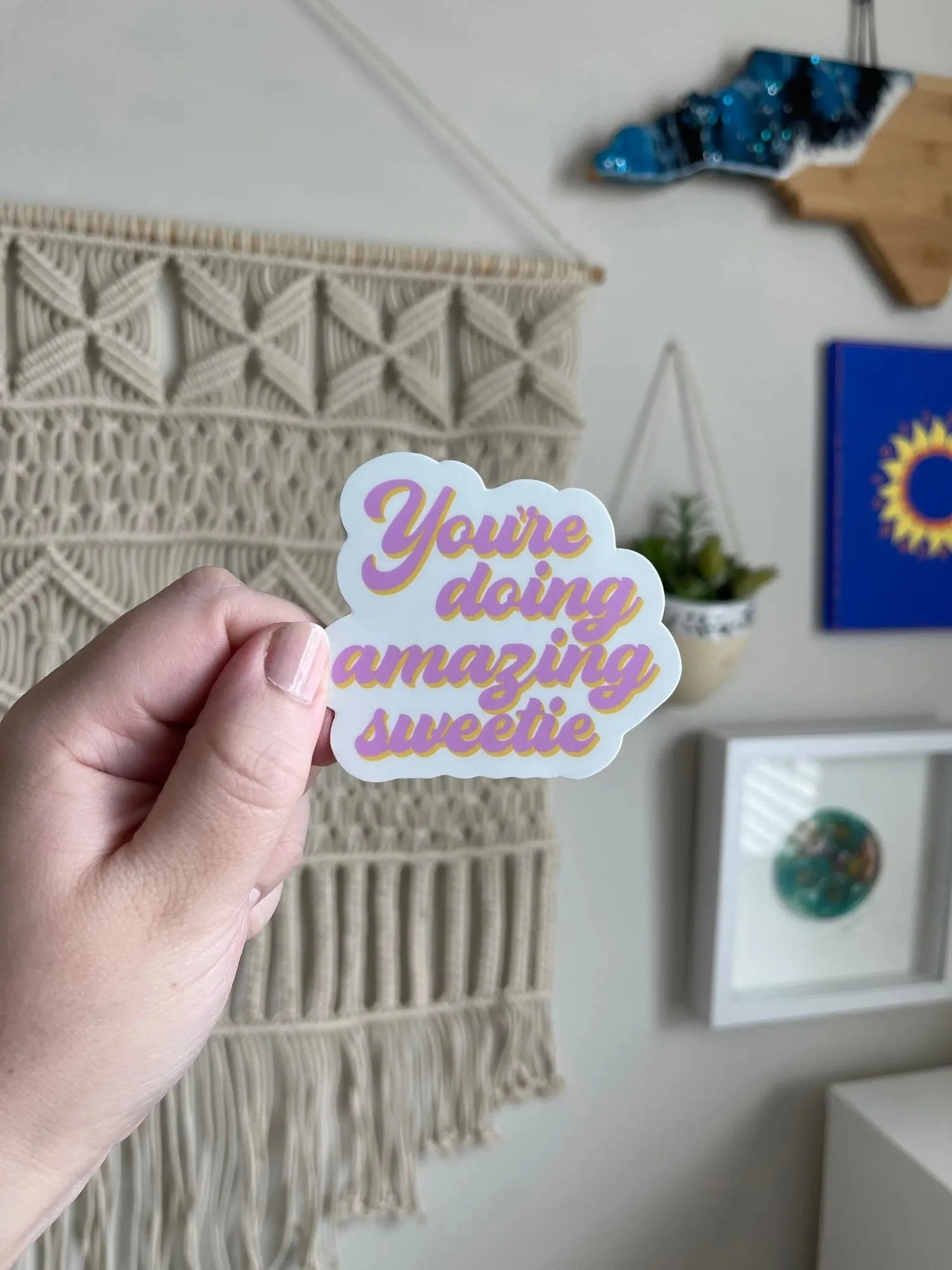
- You’re doing amazing sweetie sticker: Approximately 3 in x 2.25 in, durable waterproof and weatherproof vinyl, with bold retro lettering. A good option for the inside cover or a rough day's entry, and the size fits neatly in the margin without covering your writing.
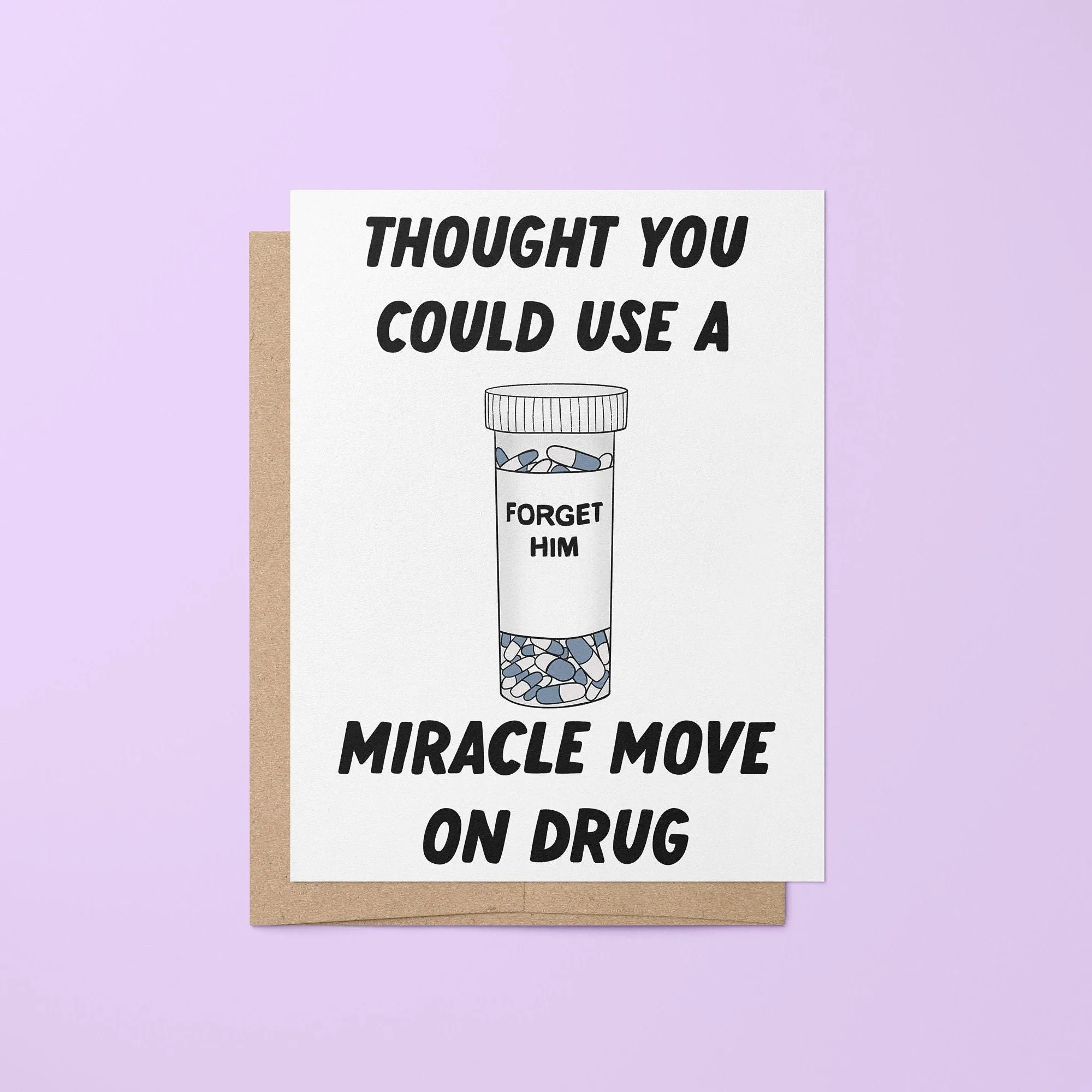
- Forget Him card: Folded size of 4.25 x 5.5 inches, blank inside, comes with an A2 kraft envelope, packaged in a cello sleeve. If you journal through a breakup, a blank card can double as a loose insert or a bookmark; the envelope keeps it from getting bent in a bag.
Who this beginner setup is for
Best for
- People starting their first journal and unsure what to buy
- Anyone who has bought a full kit before and never used it
- Journalers who want a small, portable setup they can carry daily
Not for
- Experienced journalers looking for advanced paper or archival ink guidance
- People who want a single all-in-one bundle and don't want to choose items individually
- Art journalers who need mixed-media supplies like gesso, paint, or heavy cardstock
Start with a notebook, one pen, and one small thing that makes you want to open it. Add the rest only when your journal asks for it. That's the whole beginner journaling kit — and it's enough.