Quick Answer
For most daily walks with a dog that pulls, a harness is the safer default because it spreads pressure across the chest instead of the throat. Choose a Julius-K9 collar if your dog already walks politely, you want faster on-and-off, or you need a tag-and-ID setup. Many owners use both: a collar for quick errands and a harness for longer or busier walks.
How Each Option Handles a Dog Pulling on Leash
A collar concentrates leash pressure on the neck and trachea, which is why dogs that lunge or pull hard can cough, gag, or risk injury. A harness redirects that force across the chest and shoulders, giving you more physical control without choking. That difference matters most in the first minutes of a walk when excitement is highest. If your dog pulls on leash, a harness paired with a steady, reward-based training plan is the more forgiving choice. A collar is not a training shortcut, and tightening it will not teach loose-leash walking.
Daily Convenience: On, Off, and Storage
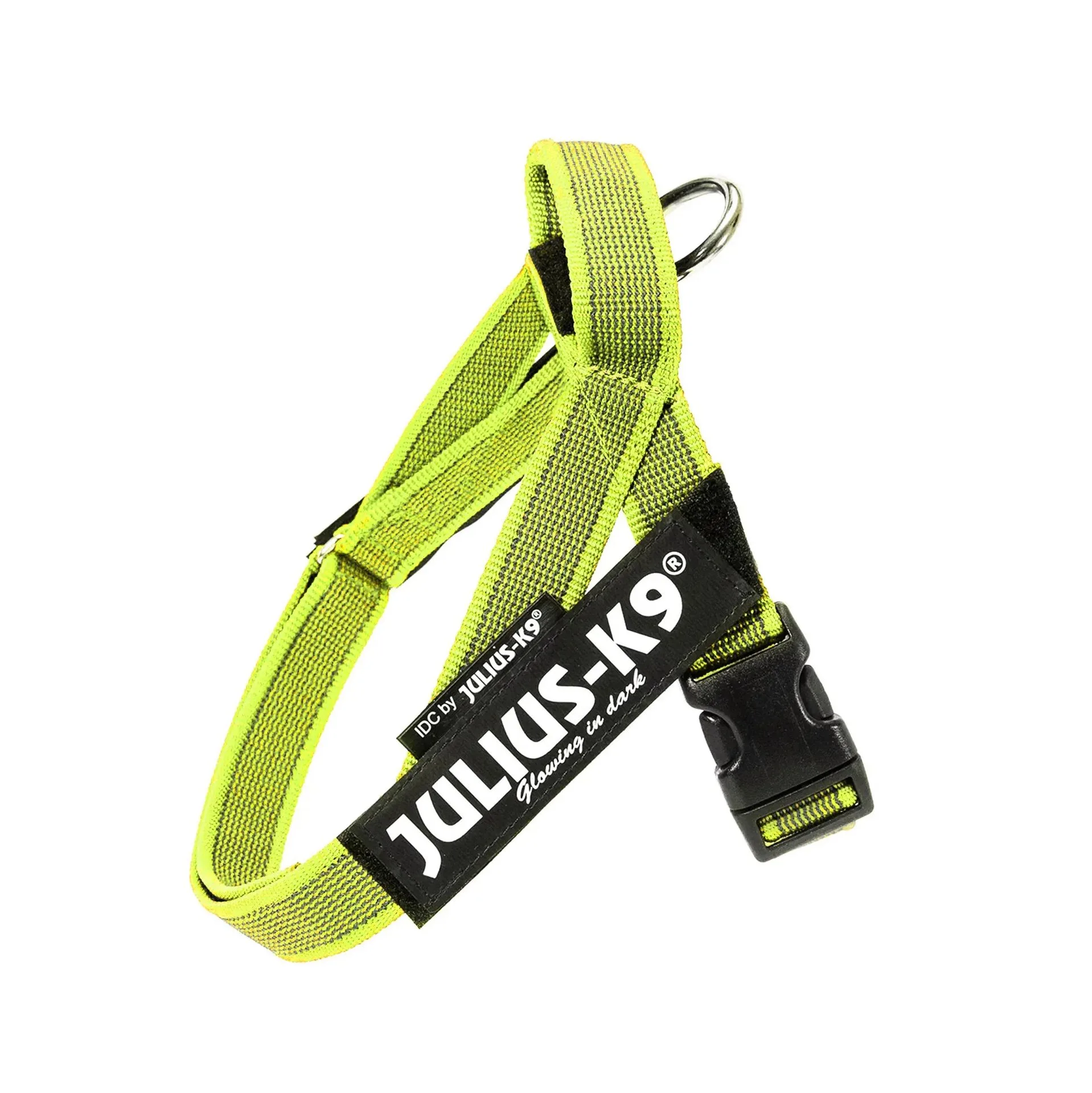
Collars win on speed. Most dogs keep a collar on all day, so leaving for a walk is a matter of clipping a leash. Harnesses require a few more seconds to fit over the head or step into, and you should check strap tension each time. The Julius-K9 IDC® Powerharness is designed for a consistent fit once adjusted, so the daily routine becomes quick after the first setup. If you walk multiple times a day and your dog is calm on leash, a collar reduces friction. If your walks are longer or include traffic and crowds, the extra seconds a harness takes are a fair trade for control.
Fit and Adjustment Differences
A collar should sit high on the neck, snug enough that you can fit two fingers between the strap and the dog but not so loose that it slides over the head. A harness needs a chest strap and a belly strap checked independently; a loose belly strap lets the harness twist, while a tight chest strap restricts shoulder movement. Measure your dog rather than guessing, especially for harnesses, because sizing varies by model. The Julius-K9 Color & Gray® Collar with Handle, Safety Lock and Interchangeable Patch adds a top handle for quick grabs and a double safety lock, which is useful if you want collar convenience with a bit more control. Whichever you choose, recheck fit monthly for puppies and after any weight change.
Car Travel and Accessory Compatibility
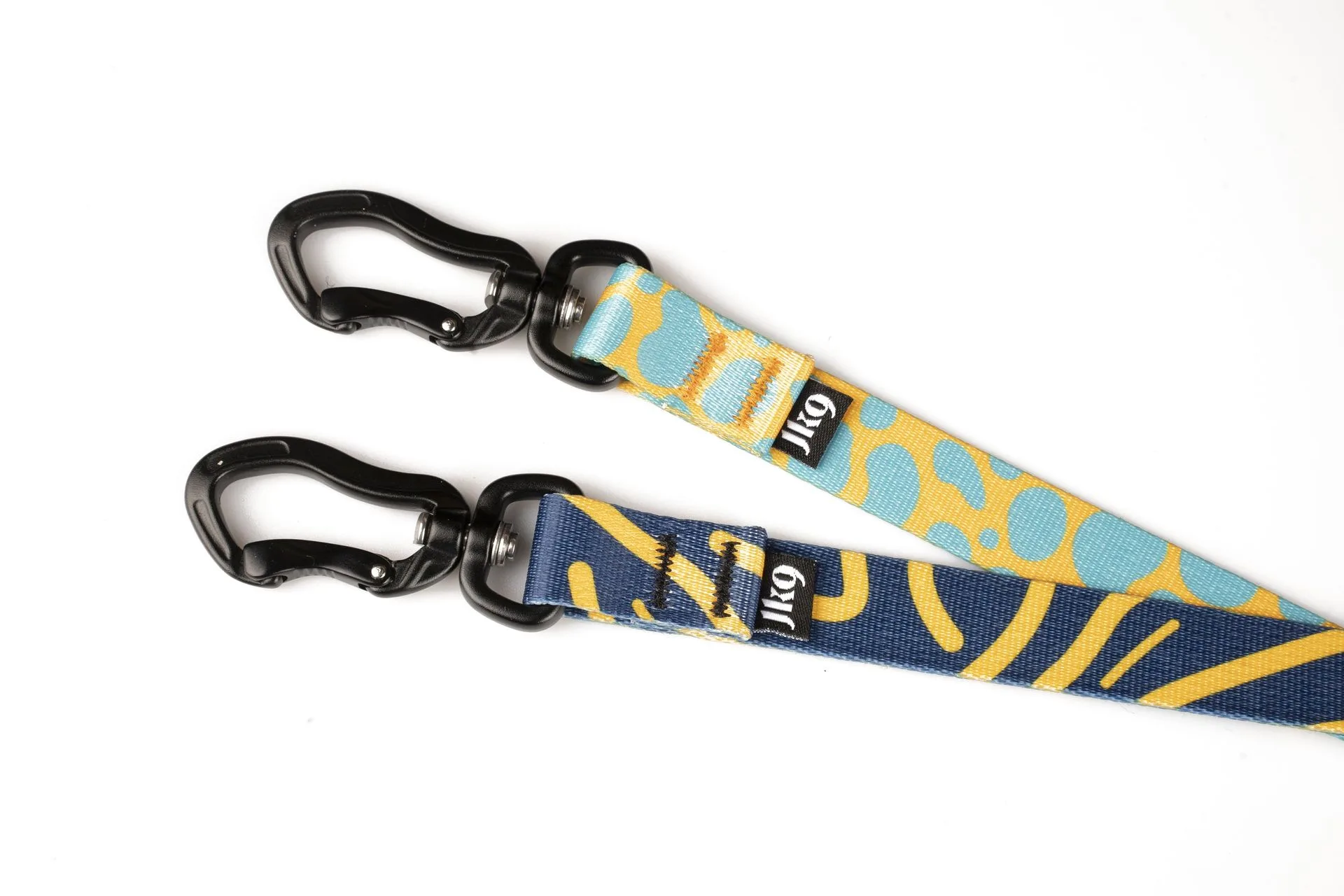
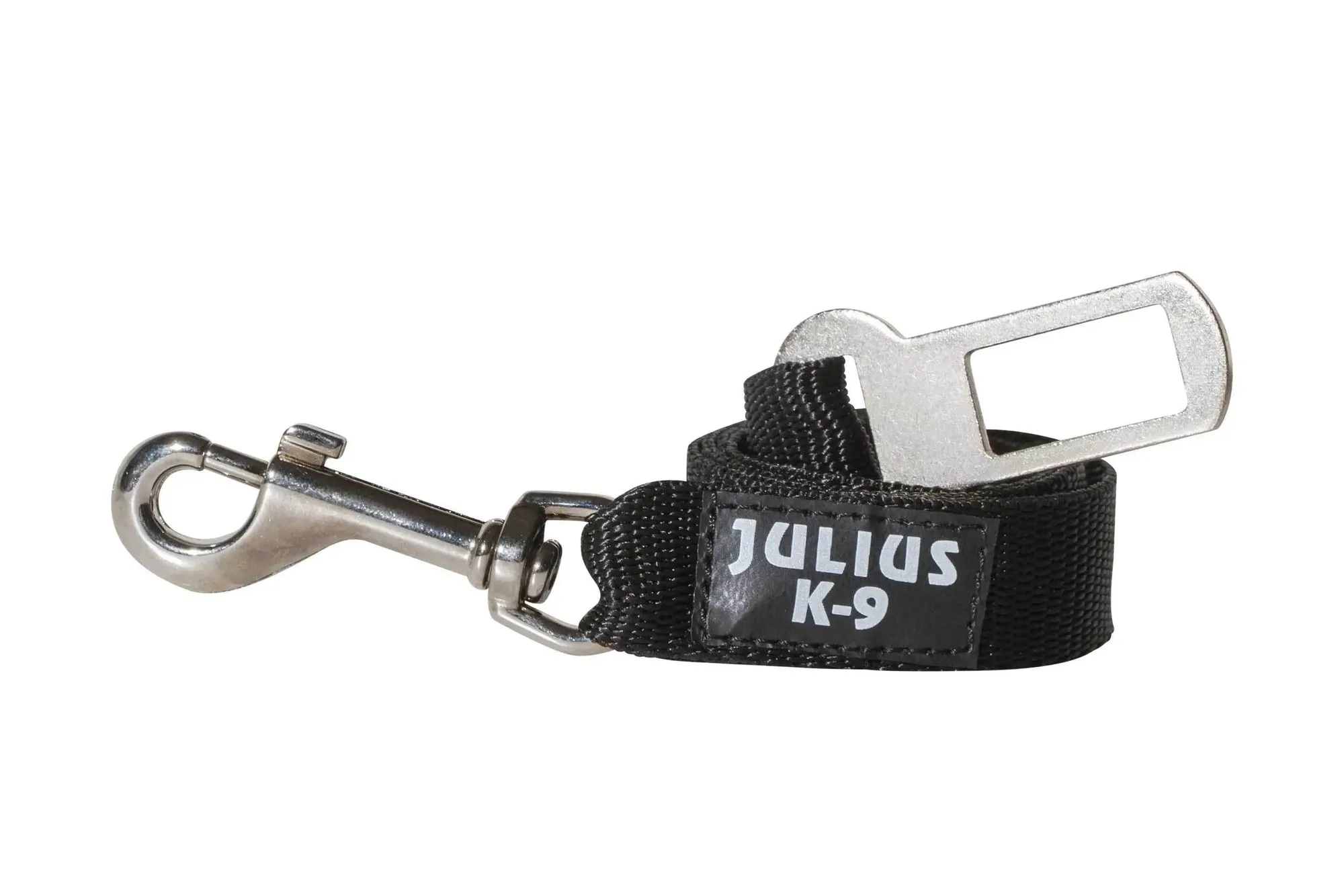
If your daily routine includes driving to a trail or park, plan how your dog rides. The Julius-K9 Mobility Control Car Tether For Dogs connects a carabiner to a harness ring and the other end to the seat belt latch, keeping the dog away from the driver. It is intended primarily to prevent driver distraction and reduce injury risk, and the catalog notes it has limited ability to save the dog in a serious car accident. That limitation is a good reason to use a harness as the anchor point rather than a collar, since a tether attached to a collar would put crash or braking force on the neck.
When a Collar Is the Better Daily Choice
A collar is enough when your dog walks on a loose leash, you are doing short neighborhood loops, or you need identification and tags on at all times. It is also the practical choice for dogs that dislike having a harness pulled over their head. In those cases, a well-fitted collar such as the Julius-K9 Color & Gray® Collar keeps the routine simple and still matches the Color & Gray® leash range if you want a coordinated setup. Just avoid relying on a collar as your only control if your dog has a history of hard pulling or sudden lunges.
Trade-Offs at a Glance
- Control vs. freedom of movement: A harness gives you more control over a pulling dog because pressure spreads across the chest, but it covers more of the body and can feel warmer on hot days. Choose a harness if pulling is your main problem.
- Speed vs. security: A collar is faster to clip on and take off, while a harness takes longer to fit but stays securely in place during a lunge or sudden stop. Choose a collar for calm, short walks; a harness for unpredictable ones.
- Neck safety vs. convenience: A collar keeps gear minimal but puts leash pressure on the neck, while a harness protects the throat at the cost of a more involved fit check. If your dog coughs or gags on leash, switch to a harness.
Julius-K9 Products That Support Each Choice
- Julius-K9 Mobility Control Car Tether For Dogs: The Julius-K9 Mobility Control Car Tether For Dogs is a seat belt adapter that connects a carabiner to a harness ring and the other part to the seat belt latch. It keeps your dog away from the driver during car trips, but the catalog states it has limited ability to save the dog in a car accident, so treat it as a distraction and minor-injury measure, not a crash-tested restraint.
- Julius-K9 Color & Gray® Collar: The Julius-K9 Color & Gray® Collar is made from skin-friendly textile with polyester weaving instead of rubber threads to prevent matting or tangling, and it matches Color & Gray® leashes. It is a comfortable everyday collar for dogs that already walk politely, and the matching leash range keeps your setup consistent.
- Julius-K9 Color & Gray® Collar with Handle, Safety Lock and Interchangeable Patch: The Julius-K9 Color & Gray® Collar with Handle, Safety Lock and Interchangeable Patch adds a sturdy top handle, a double safety lock, and soft-touch textile construction. The handle gives you an instant grab point for busy sidewalks or vet visits, while the safety lock reduces accidental release, making it a middle ground between a plain collar and a full harness.
Which Should You Choose?
Best for
- Dogs that pull, lunge, or are still learning loose-leash walking
- Longer walks, busy streets, or dogs that need a car tether anchor point
- Owners who want a handle for quick grabs on a collar, such as the Color & Gray® Collar with Handle
Not for
- Dogs that already walk calmly and only need a tag holder for short errands
- Owners who want the absolute fastest on-and-off routine
- Dogs that panic when a harness is pulled over their head