Quick answer
For most toddlers eating messy meals, the Junior Bib (1–3 yrs) is the practical pick because it is sized for that age and easy to wipe clean. For crafts, painting, or full-torso coverage, the Ruffle Apron Bib is the better choice because it covers more of the chest and arms. Many families keep both: a Junior Bib for the table and a Ruffle Apron Bib for the art table.
Toddlers are wonderfully unpredictable at the table. One lunch can end with a clean shirt; the next can end with yogurt in the eyebrows. The bib you reach for makes a real difference in how much laundry you face, and the two most common choices—Junior Bibs and Ruffle Apron Bibs—solve slightly different problems.
This comparison looks at how each bib handles meals and crafts, what the coverage actually means for a squirmy 1- to 3-year-old, and how to decide without buying both. The short version: Junior Bibs are built for eating, Ruffle Apron Bibs are built for bigger messes, and the right answer depends on your daily routine.
Coverage: what each bib actually protects
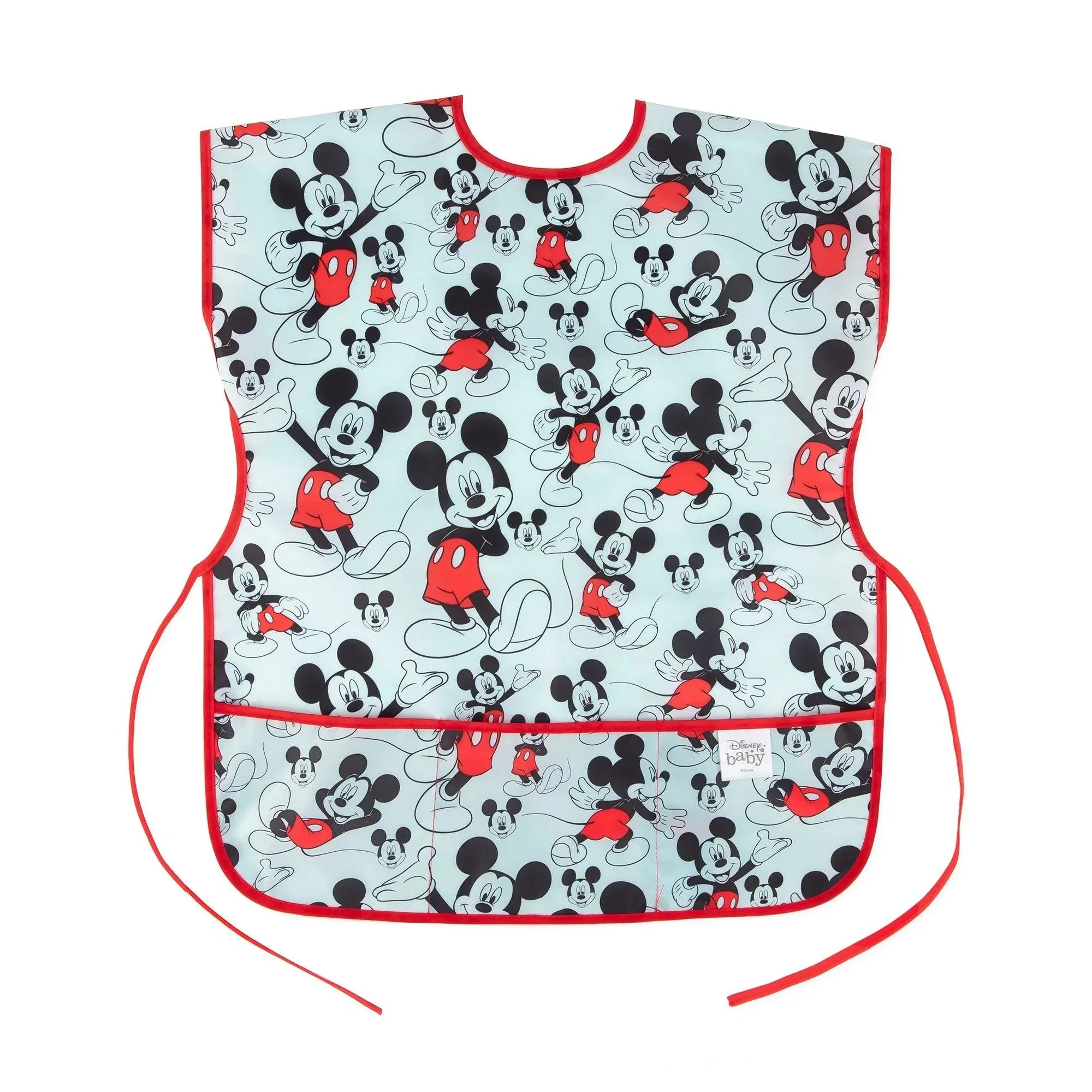
The Junior Bib (1–3 yrs) is designed as an everyday mealtime bib. It covers the chest and laps over the shoulders, which handles the typical dropped spoon, tipped cup, and stray pasta sauce. It is not intended to cover the full arm or reach the table, so sleeves can still get hit during enthusiastic self-feeding.
The Ruffle Apron Bib takes a different approach. It is cut like a small apron with ruffled edges, giving more coverage across the torso and a longer drape. That extra fabric is what makes it a strong choice for painting, playdough, and water play, where mess travels up the arms and across the front. For a toddler who leans into the table, the apron shape also catches more of what falls.
- Check the age range on the label: Junior Bibs are sized for 1–3 yrs, so a 9-month-old may need a smaller style.
- If your toddler regularly comes home with paint on the sleeves, coverage—not cuteness—should drive the decision.
Fit and sizing for a moving toddler
Fit matters more than most parents expect. A bib that gaps at the neck lets food slide underneath; one that is too tight gets pulled off in seconds. Junior Bibs are cut for the 1–3 year range, which means they sit close to the neck and shoulders without a lot of extra fabric to bunch up. That trim fit is why they work well for everyday meals.
Ruffle Apron Bibs trade some of that close fit for coverage. The apron shape hangs away from the body slightly, which helps it drape over clothing and catch crumbs, but it can feel bulkier for a toddler who is already fighting the bib. If your child is between sizes or very slim, expect to adjust the neck closure more often with an apron style.
- Measure around the neck and chest before buying if your toddler is at the top or bottom of the 1–3 yr range.
- A bib that stays put is more effective than one with extra coverage that gets yanked off.
Meals vs. crafts: matching the bib to the mess
For meals, the Junior Bib is the more efficient tool. It is quick to put on, easy to wipe down, and does not add bulk at the table. That matters when you are managing three meals and two snacks a day and do not want a production every time. The trade-off is that it will not save a long-sleeved shirt from a determined applesauce incident.
For crafts, the Ruffle Apron Bib earns its place. Painting, glue, glitter, and mud all travel beyond the chest, and the apron cut covers more of the torso and upper lap. If your toddler attends daycare or preschool, an apron bib in the craft bin can save a full outfit change. The trade-off is that it is more fabric to rinse and hang dry after a messy session.
- Keep one Junior Bib at the table and one Ruffle Apron Bib near the art supplies so you are not swapping back and forth.
- For very messy crafts, pair an apron bib with a splat mat to protect the floor as well.
Cleaning and care differences
Both bibs are made from easy-wipe, waterproof fabric, so the daily cleanup routine is similar: wipe with a damp cloth or rinse and hang to dry. The difference is surface area. A Junior Bib has less fabric, so it dries faster and takes up less space in a diaper bag. A Ruffle Apron Bib has more material and ruffled edges, which can hold onto paint or food in the folds if you do not rinse it promptly.
If you are packing for daycare or a day out, the Junior Bib is the more compact option. If you need one bib that can handle a full morning of preschool crafts, the apron bib is worth the extra drying time. Neither is difficult to care for—just match the bib to how often you are willing to rinse and hang.
- Rinse apron bibs soon after painting so pigment does not settle into the ruffles.
- Keep a spare Junior Bib in the diaper bag for restaurant meals and unexpected messes.
Trade-offs to weigh before you buy
- Coverage vs. bulk: The Ruffle Apron Bib covers more of the torso and arms, which is better for crafts, but it adds fabric that can feel bulky at the table. The Junior Bib covers less but stays out of the way during meals. Choose coverage for crafts, trim fit for everyday eating.
- Everyday speed vs. craft protection: Junior Bibs go on and off quickly and are sized for 1–3 yrs, making them the easier daily option. Ruffle Apron Bibs take a moment longer to position but protect more clothing during painting and play. If you only buy one, match it to the mess you deal with most often.
- Drying time vs. mess size: Less fabric means faster drying and easier packing. More fabric means more coverage but also more surface to rinse, especially around ruffled edges. Keep a Junior Bib for travel and an apron bib for the art station at home.
- Age range fit: Junior Bibs are sized for 1–3 yrs, so they suit toddlers who have outgrown baby bibs but are not ready for adult aprons. Ruffle Apron Bibs are not age-graded the same way, so fit depends more on your child's size and how much coverage you want. Check the age range first, then decide based on coverage needs.
Product facts that matter for this choice
- Silicone First Feeding Set: Pink: The Silicone First Feeding Set has a suction base that grips most surfaces, including highchairs and tables, and includes a double-end silicone spoon that grows with baby—one end for purees, one for scooping solids. A bib only solves half the mess problem. A suction bowl keeps the food on the tray instead of the floor, which reduces how often you need a full-coverage bib during early self-feeding.
- Silicone Grip Plate: Pink: The Silicone Grip Plate is made from 100% food-safe platinum silicone, has deep walls and a suction base, and is safe for the microwave and oven up to 400°F. For toddlers transitioning out of a divided plate, the deep walls and suction base help keep food contained, so a Junior Bib can handle the mealtime mess without needing apron-level coverage.
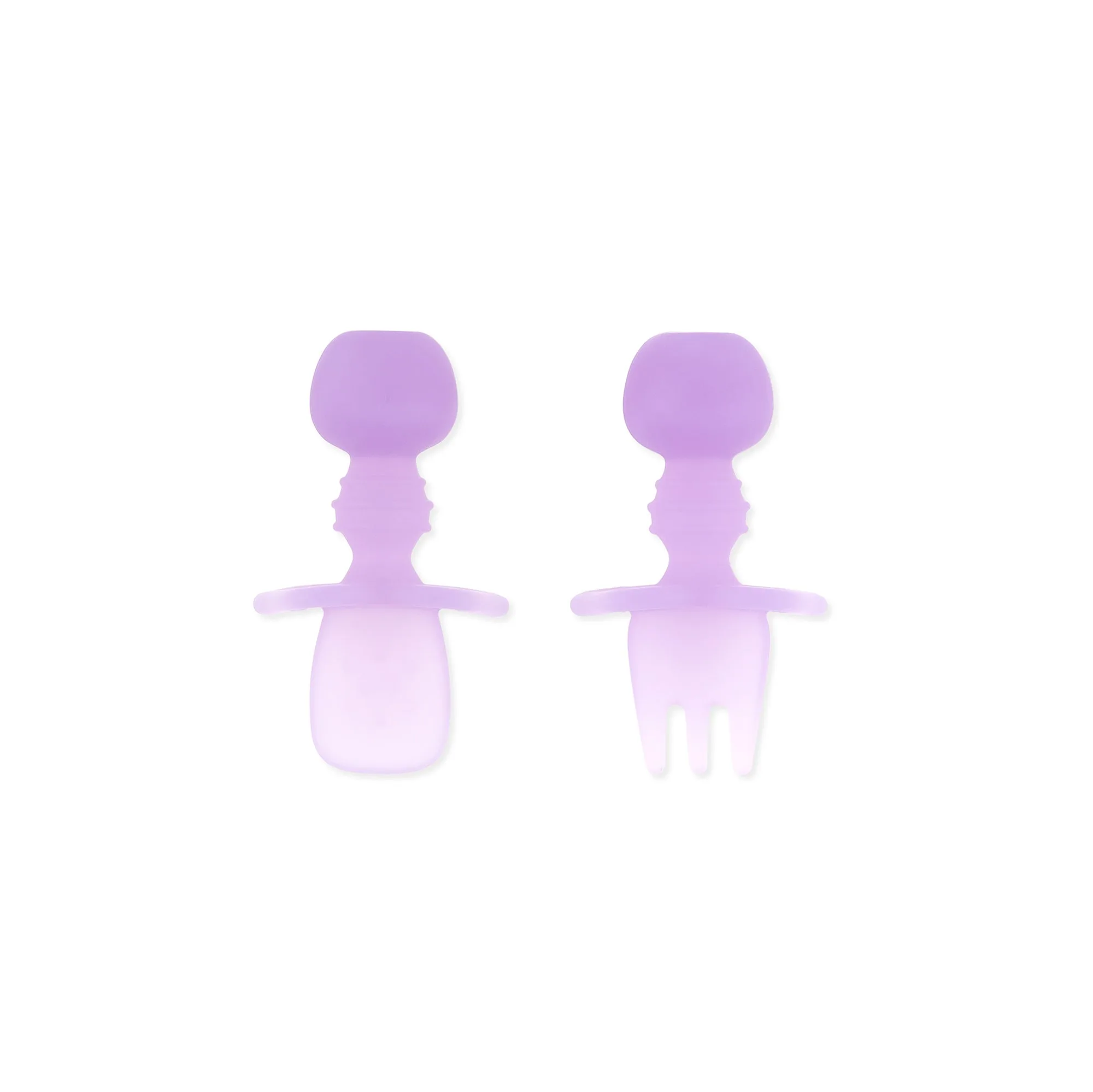
- Spoon + Fork: Clay: The Spoon + Fork Set in Clay has stainless steel heads designed for toddlers, with concave heads that keep food on the fork or spoon and curved outer tines to spear foods. Utensils that actually hold food mean fewer dropped bites and less splatter, which makes a Junior Bib sufficient for most meals and lets you save the Ruffle Apron Bib for crafts.
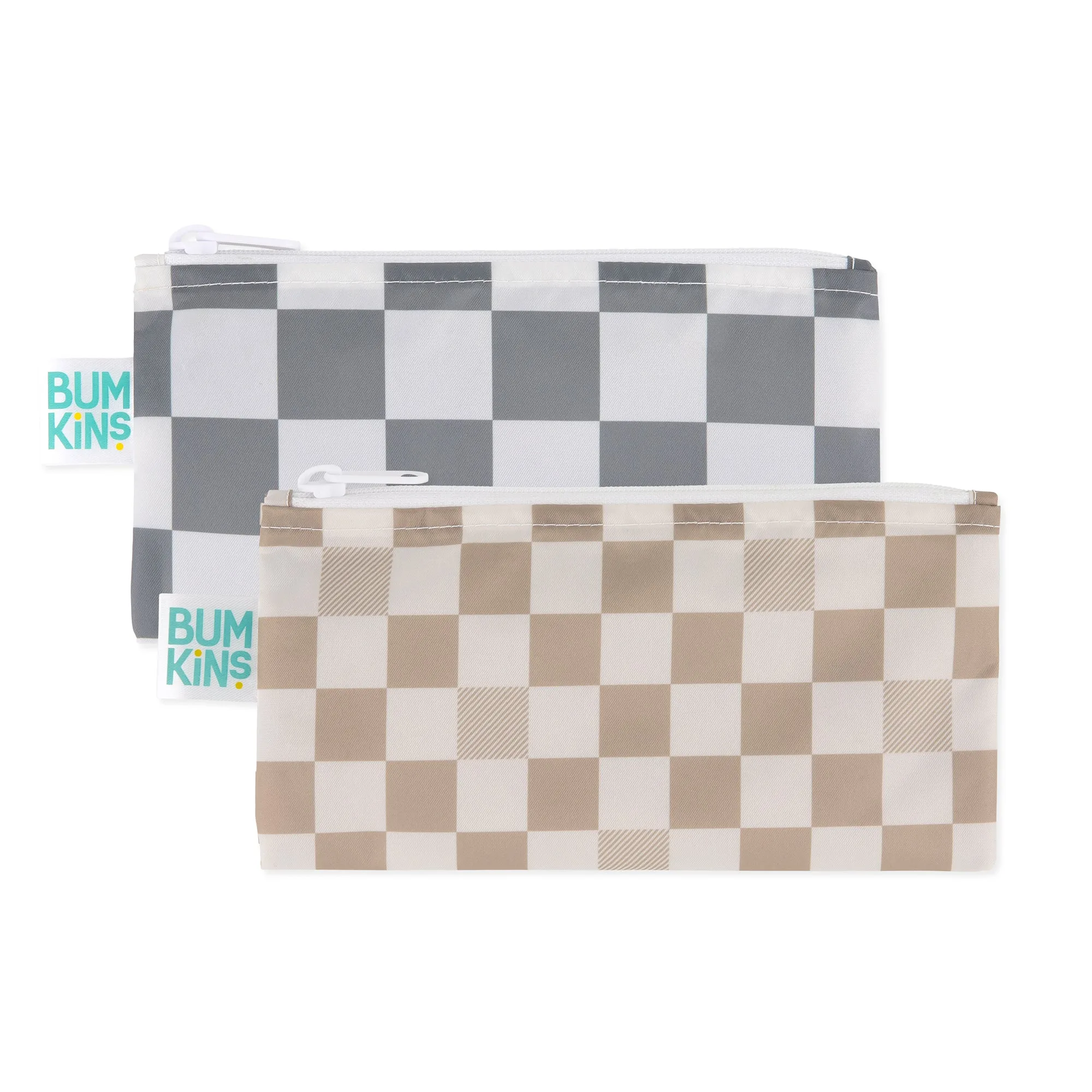
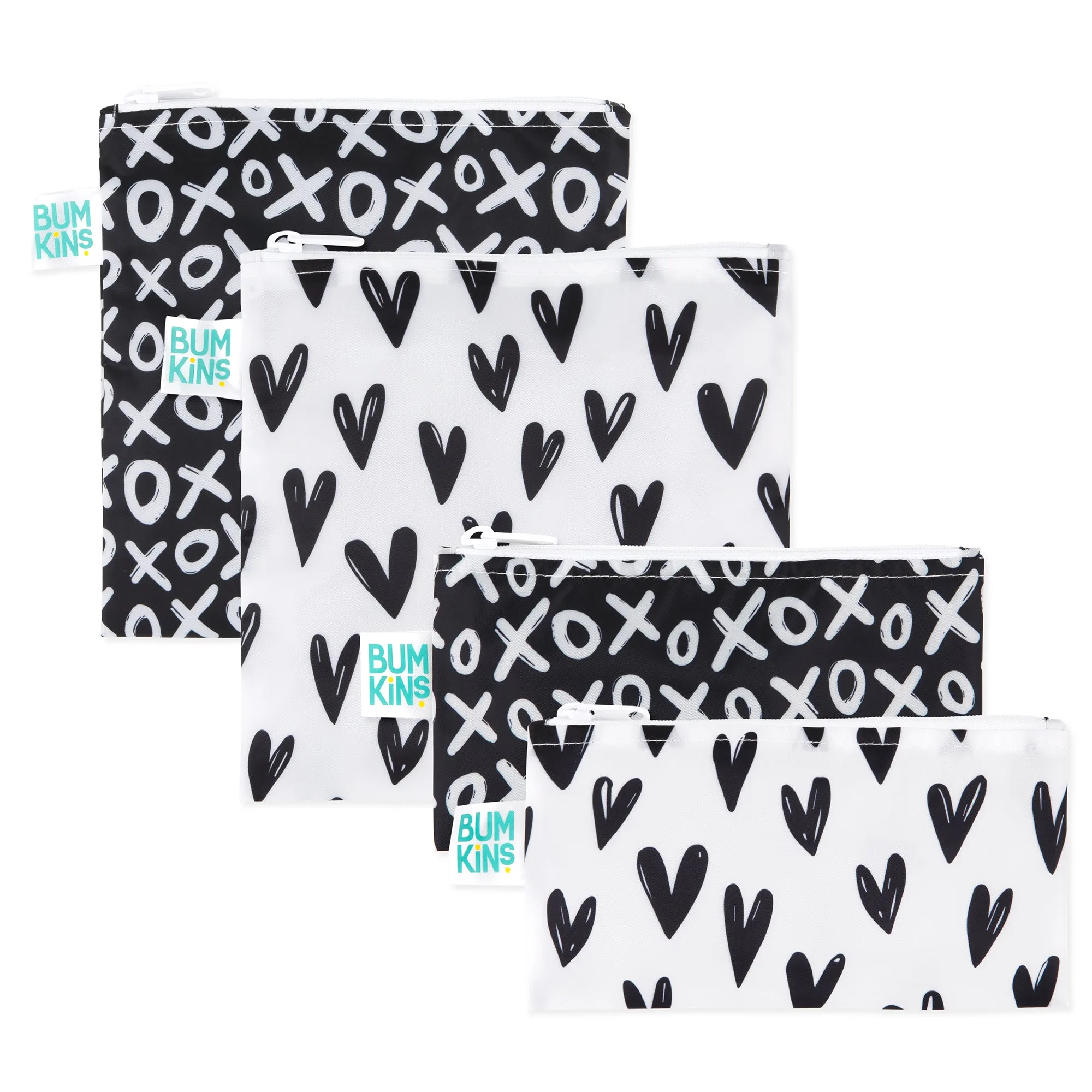
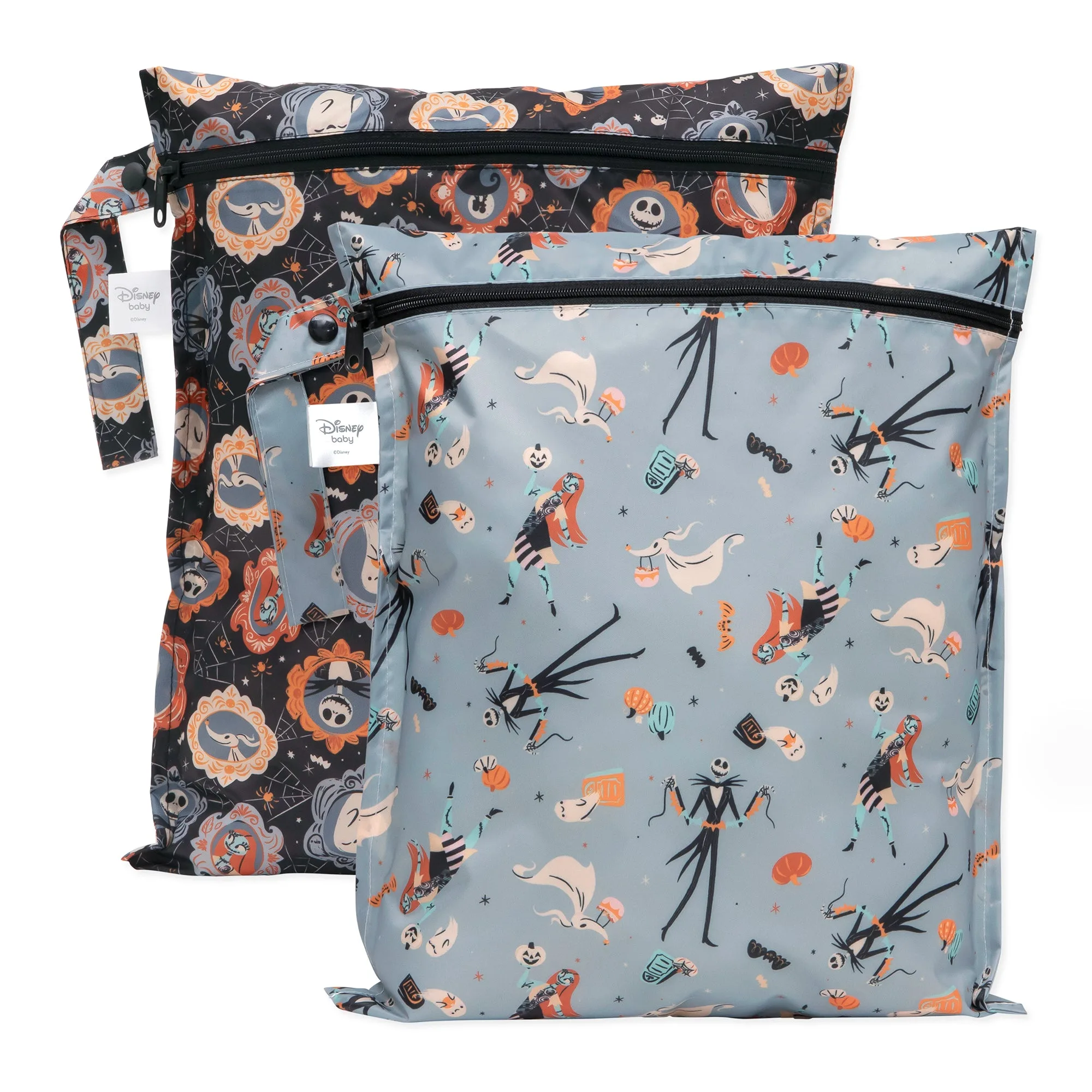
- Reusable Snack Bag, Small 2 Pack: Everyday Is Halloween: These reusable snack bags are made from the same easy-wipe, waterproof, and stain-resistant fabric as the SuperBib, with a smooth zipper closure and single-ply construction. If you already like the easy-wipe fabric on Bumkins bibs, the snack bags extend that same cleanup routine to snacks on the go—useful when you are packing a Junior Bib for a day out.
Which bib is right for your toddler?
Best for
- Toddlers aged 1–3 who need a quick, everyday bib for meals and snacks
- Parents who want a compact bib that packs easily in a diaper bag or daycare bag
- Families who already use suction plates and toddler utensils and need a bib that matches that mealtime setup
Not for
- Full-torso craft coverage—choose a Ruffle Apron Bib if painting and playdough are daily activities
- Babies under 1 year who still need a smaller infant bib style
- Children who have outgrown the 1–3 yr range and need a larger apron or smock
There is no single bib that wins every situation. A Junior Bib is the practical daily choice for toddler meals because it fits the 1–3 yr range, goes on fast, and wipes clean without extra bulk. A Ruffle Apron Bib is the better tool when mess climbs beyond the chest—painting, crafts, and preschool projects. If your budget allows, keep one of each and stop guessing which bib to grab.