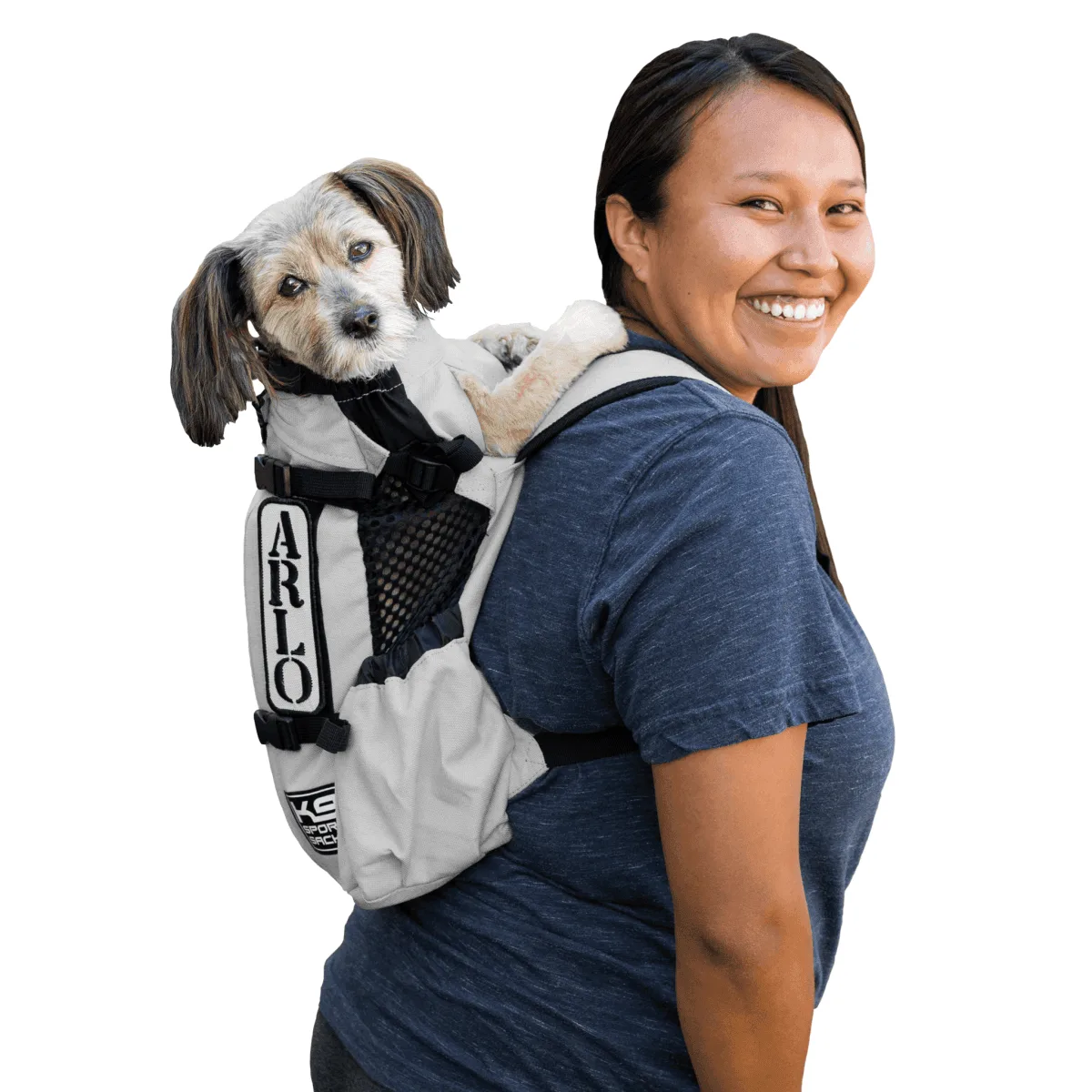
Finding the right dog carrier is essential for both comfort and safety during hikes, bike rides, or everyday errands. A well-fitted carrier prevents chafing, ensures your dog feels secure, and makes the experience enjoyable for both of you. K9 Sport Sack offers a range of carriers designed for different dog sizes, but getting the perfect fit starts with accurate measurements.
In this guide, we'll walk you through how to measure your dog for a K9 Sport Sack carrier, explain the size chart, and share tips for ensuring a snug yet comfortable fit. Whether you have a tiny Chihuahua or a sturdy Dachshund, these steps will help you choose the right carrier every time.
Why Proper Sizing Matters
A carrier that's too small can restrict your dog's movement and breathing, while one that's too large may allow your dog to slip out or shift uncomfortably. Proper sizing ensures your dog's spine is supported, their legs have room to move, and they feel secure enough to relax during travel. K9 Sport Sack carriers are designed with ergonomics in mind, but only when the size matches your dog's measurements.
Additionally, a well-fitted carrier distributes your dog's weight evenly across your back and hips, preventing strain on your body. This is especially important for longer adventures or if you have a heavier dog. Taking the time to measure correctly will make your outings more enjoyable for both of you.
- Prevents chafing and discomfort
- Ensures safety and security
- Improves weight distribution for the wearer
Step-by-Step Measuring Guide
To measure your dog accurately, you'll need a flexible measuring tape and a calm, cooperative pup. Have treats ready to make the process positive. Measure your dog while they are standing, as this gives the most accurate dimensions. Here are the key measurements you'll need:
Start with the back length: measure from the base of the neck (where the collar sits) to the base of the tail. This is the most critical measurement for K9 Sport Sack sizing. Next, measure the chest girth by wrapping the tape around the widest part of your dog's chest, just behind the front legs. Finally, weigh your dog, as weight is also a factor in the size chart.
- Back length: base of neck to base of tail
- Chest girth: around the widest part of the chest
- Weight: use a scale for accuracy
Understanding the K9 Sport Sack Size Chart
K9 Sport Sack provides a detailed size chart that correlates back length, chest girth, and weight to the appropriate carrier size. For example, their popular Knavigate carrier comes in sizes that accommodate a wide range of dogs, from small breeds like Dachshunds to larger ones. Always compare your dog's measurements to the chart and choose the size that aligns with all three metrics.
If your dog falls between sizes, it's generally safer to size up, especially for growing puppies. A slightly larger carrier allows room for movement and can be adjusted with the carrier's straps for a snug fit. However, avoid going too large, as this can compromise safety.
- Compare all measurements to the chart
- Size up if between sizes, especially for puppies
- Consider the carrier's adjustability
Special Considerations for Puppies and Growing Dogs
Puppies grow quickly, and it can be tempting to buy a carrier they can 'grow into.' While this is practical, it's important to ensure the carrier is safe for their current size. A carrier that's too large for a puppy can allow them to slip out or develop bad posture habits. Instead, measure your puppy regularly and consider an adjustable carrier that can accommodate growth.
Some K9 Sport Sack carriers come with features that allow for minor adjustments, but for significant growth, you may need to purchase a new size. Investing in a well-fitted carrier now ensures your puppy develops positive associations with carrier use from an early age.
- Measure puppies every few weeks
- Choose adjustable carriers when possible
- Prioritize safety over long-term use
How to Test the Fit
Once you have your carrier, it's time to do a fit test. Place your dog in the carrier and adjust the straps so that your dog sits comfortably with their head and paws free. Check that the carrier supports your dog's back without sagging, and that there's no excessive pressure on their chest or neck. Your dog should be able to move their legs slightly but not jump out.
Pay attention to your dog's behavior during the first few uses. If they seem restless or try to escape, the fit may be off. Also, check for signs of chafing after a short walk. A proper fit should feel like a secure hug, not a straitjacket.
- Adjust straps for a snug but comfortable fit
- Watch for signs of discomfort or escape attempts
- Check for chafing after use
Accessorizing Your Carrier for a Personalized Touch
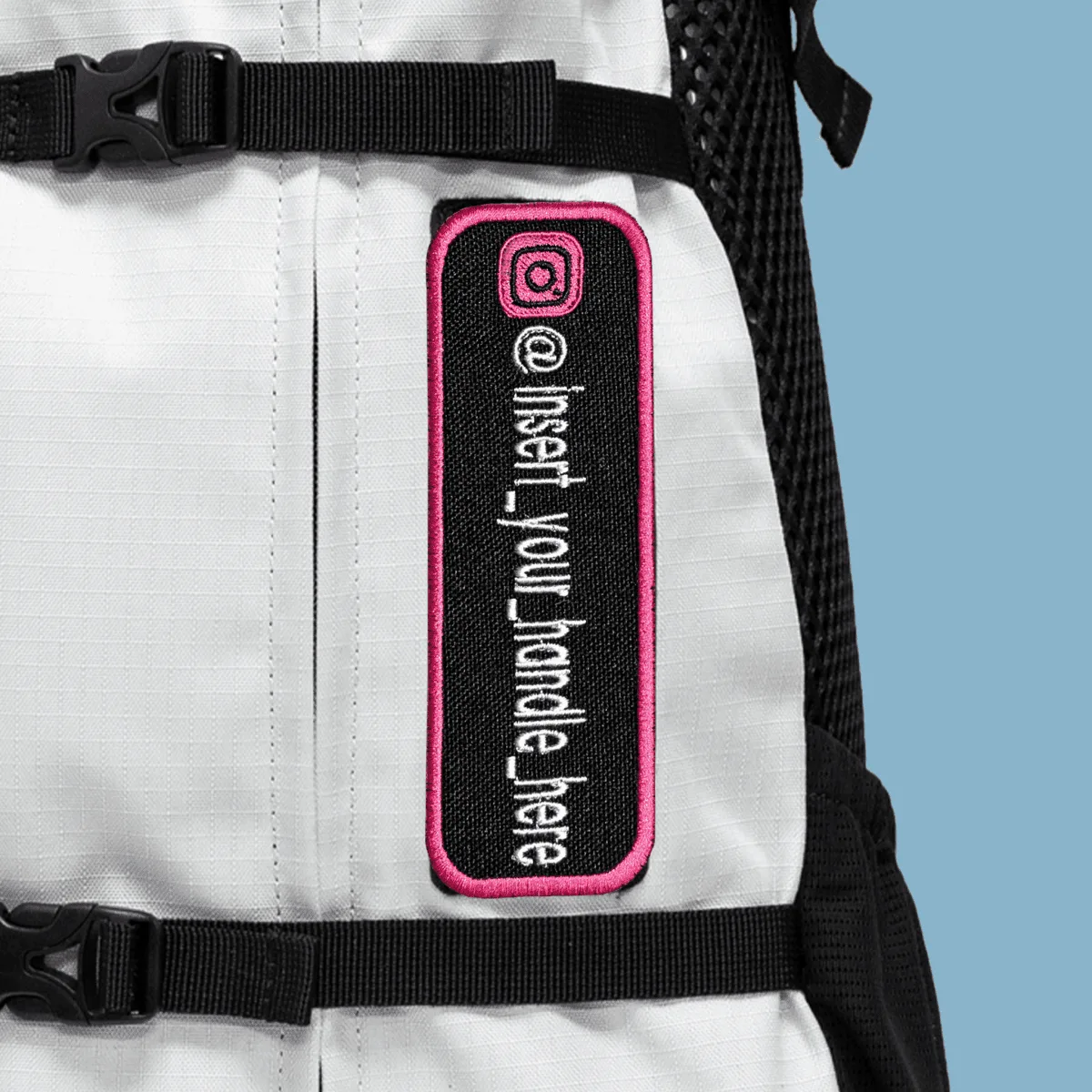
Once you've found the perfect fit, you can personalize your carrier to reflect your dog's personality. K9 Sport Sack offers a variety of patches that can be attached to your carrier, such as the Dachshund Little Legs Club Patch or the White Corgi Bum Patch. These patches are a fun way to showcase your dog's breed or your favorite inside joke.
For a more unique touch, consider the Custom TikTok Handle Patch, which lets you add your social media handle. Or, if you're a proud parent, the Weenie Mom Heart Patch is a cute addition. Patches are easy to apply and can be swapped out, allowing you to change your carrier's look for different occasions.
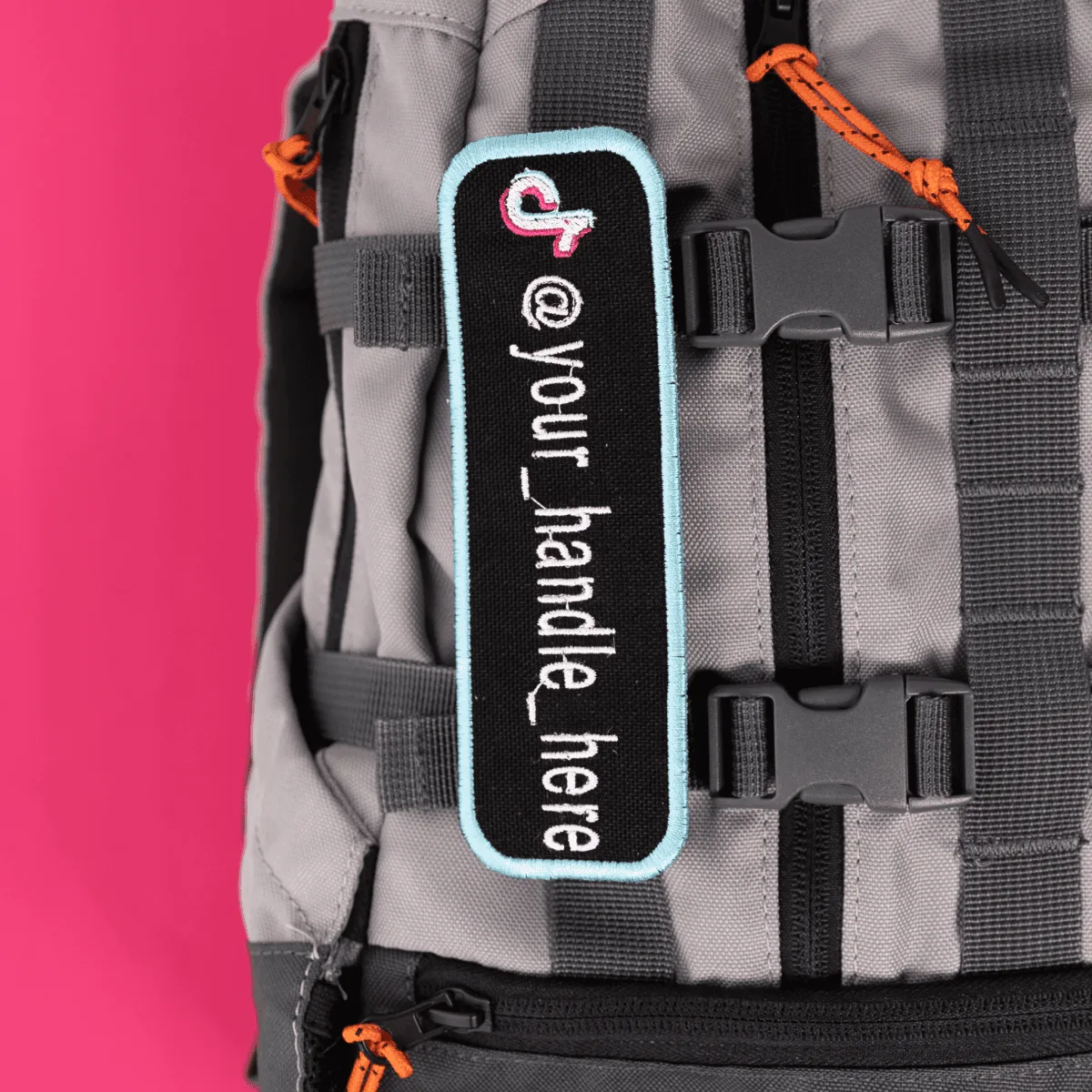
Custom TikTok Handle Patch
- Patches add personality and are easy to change
- Choose from breed-specific or custom designs
- Make your carrier one-of-a-kind
Measuring your dog correctly is the first step to a comfortable and safe carrier experience. With the K9 Sport Sack sizing guide and a little patience, you'll find the perfect fit for your furry friend. Once you've got the size right, don't forget to explore the range of patches to make your carrier uniquely yours. Happy adventuring!