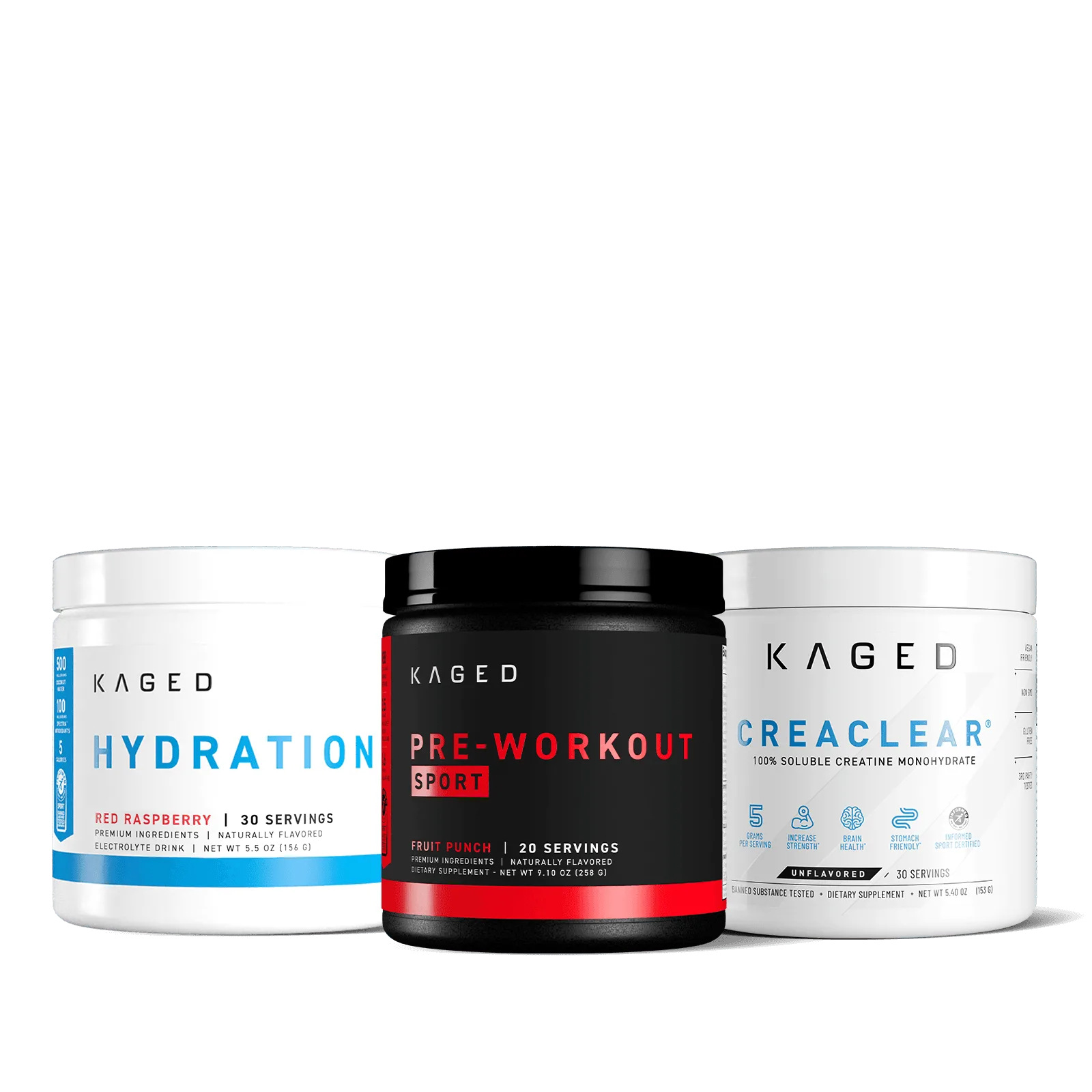
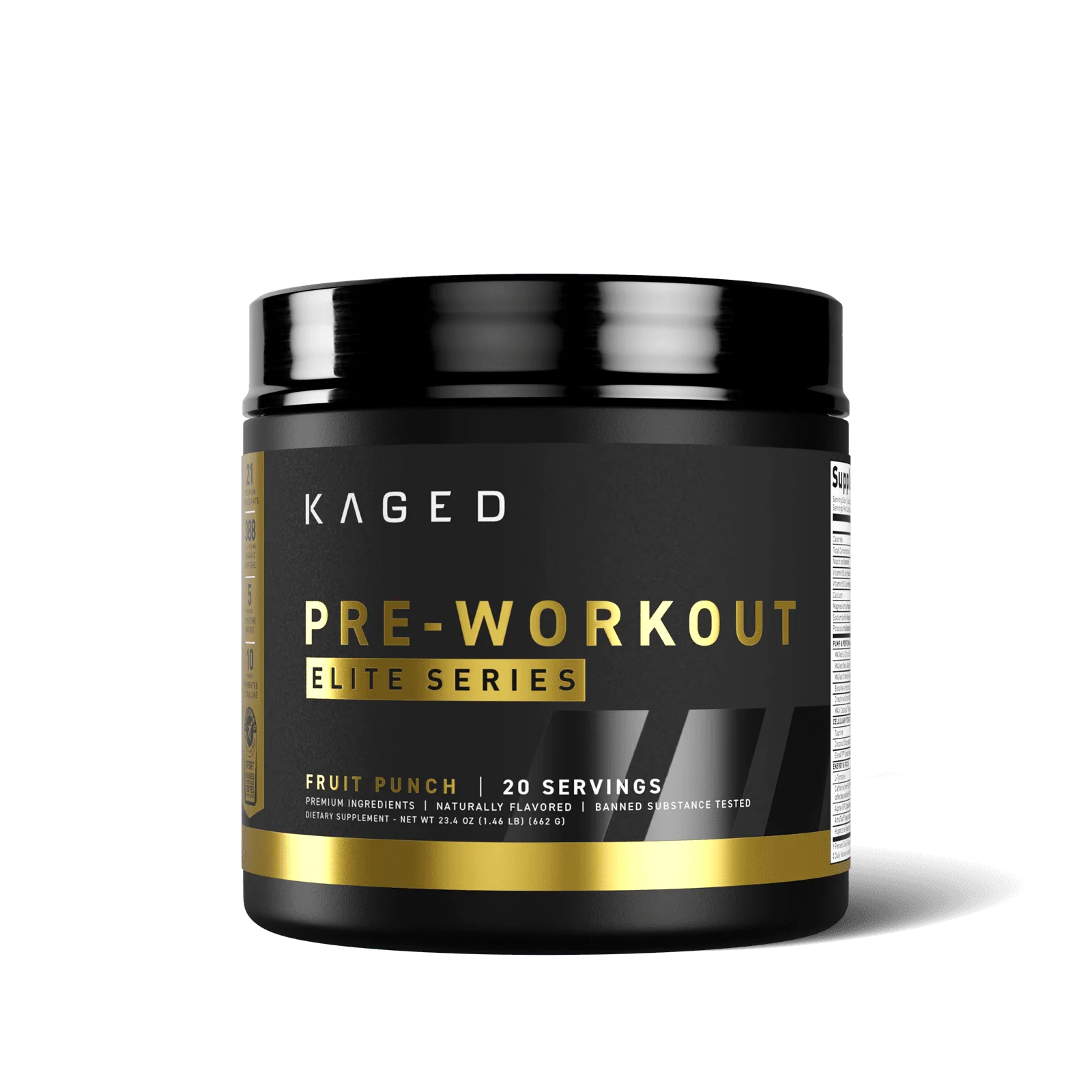
Recovery is where the real progress happens. You push hard in the gym, but your muscles rebuild and grow during the hours after your workout. That's why choosing the right recovery supplement matters. Two popular options often come up: glutamine and BCAAs. Both are amino acids, but they work differently in your body. In this guide, we'll compare Kaged Glutamine vs BCAA to help you decide which one fits your goals.
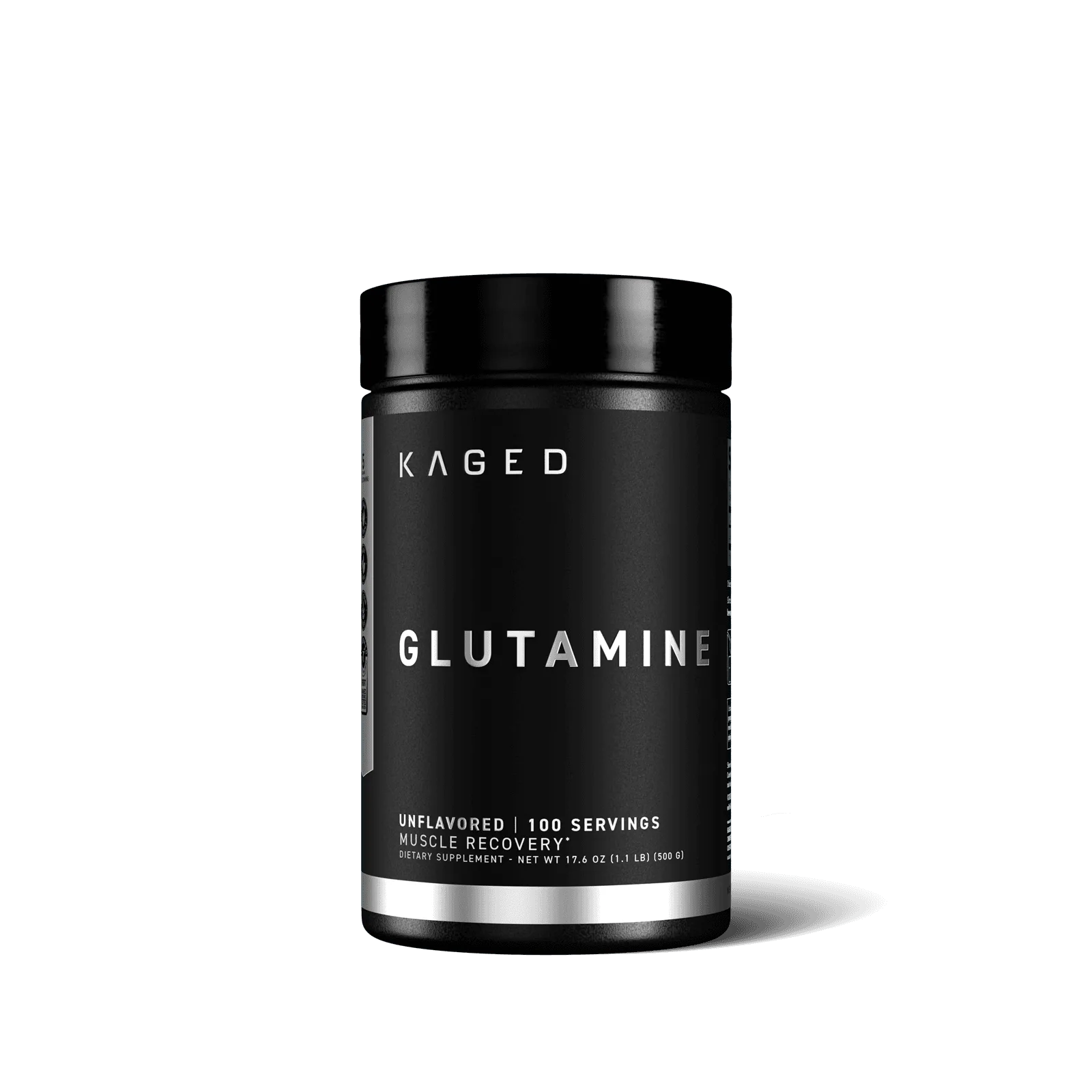
glutamine
We'll break down what each supplement does, who benefits most, and whether you really need both. By the end, you'll know exactly how to support your recovery and keep your training on track.
What Are BCAAs and How Do They Help Recovery?
Branched-chain amino acids (BCAAs) include three essential amino acids: leucine, isoleucine, and valine. Unlike other amino acids, BCAAs are metabolized primarily in muscle tissue rather than the liver. That makes them uniquely positioned to support muscle protein synthesis and reduce exercise-induced muscle damage.
Leucine is the star because it directly activates the mTOR pathway, which signals your body to build new muscle protein. Isoleucine helps with glucose uptake and energy production, while valine supports muscle endurance. Together, BCAAs can help you recover faster between workouts and reduce soreness, especially when you train fasted or on a lower-protein diet.
- Take BCAAs before or during your workout to support muscle protein synthesis and reduce breakdown.
- If you're training fasted, BCAAs can help preserve muscle mass.
What Is Glutamine and Why Is It Important?
Glutamine is the most abundant amino acid in your body, but your levels can drop significantly during intense training or stress. It plays a key role in immune function, gut health, and muscle recovery. When your glutamine stores are depleted, your body may break down muscle tissue to release more glutamine, which can slow recovery.
Supplementing with glutamine helps replenish those stores, supports a healthy gut lining, and may reduce muscle soreness. While it doesn't directly stimulate muscle protein synthesis like BCAAs, glutamine creates an environment that allows your body to recover and adapt more effectively. It's especially useful for endurance athletes or anyone training multiple times per day.
- Take glutamine post-workout or before bed to support recovery and immune function.
- Glutamine can also help with gut health, which is crucial for nutrient absorption and overall wellness.
Kaged Glutamine vs BCAA: Key Differences
The main difference between glutamine and BCAAs lies in their mechanisms. BCAAs are anabolic—they help build muscle and directly reduce muscle breakdown during exercise. Glutamine is more about supporting recovery and immune function, acting as a 'housekeeper' that helps your body bounce back from hard training.
If you're focused on muscle growth and training intensity, BCAAs are likely your priority. If you're dealing with frequent illness, gut issues, or high training volume, glutamine might be more beneficial. Many athletes use both, but you may not need both at the same time. It depends on your diet, training schedule, and specific needs.
- BCAAs: best for fasted training, muscle preservation, and stimulating protein synthesis.
- Glutamine: best for immune support, gut health, and overall recovery when training volume is high.
How to Use Them Together for Maximum Recovery
You don't have to choose one exclusively. Many athletes stack glutamine and BCAAs to cover all bases. A common approach is to take BCAAs during your workout to fuel performance and reduce muscle breakdown, then take glutamine after training to support recovery and immune function.
For example, you could sip on Intra-Workout (In-Kaged) during your session to get a steady supply of BCAAs and electrolytes, then follow up with a scoop of Kaged Glutamine in your post-workout shake. This combination can help you recover faster and stay consistent with your training.
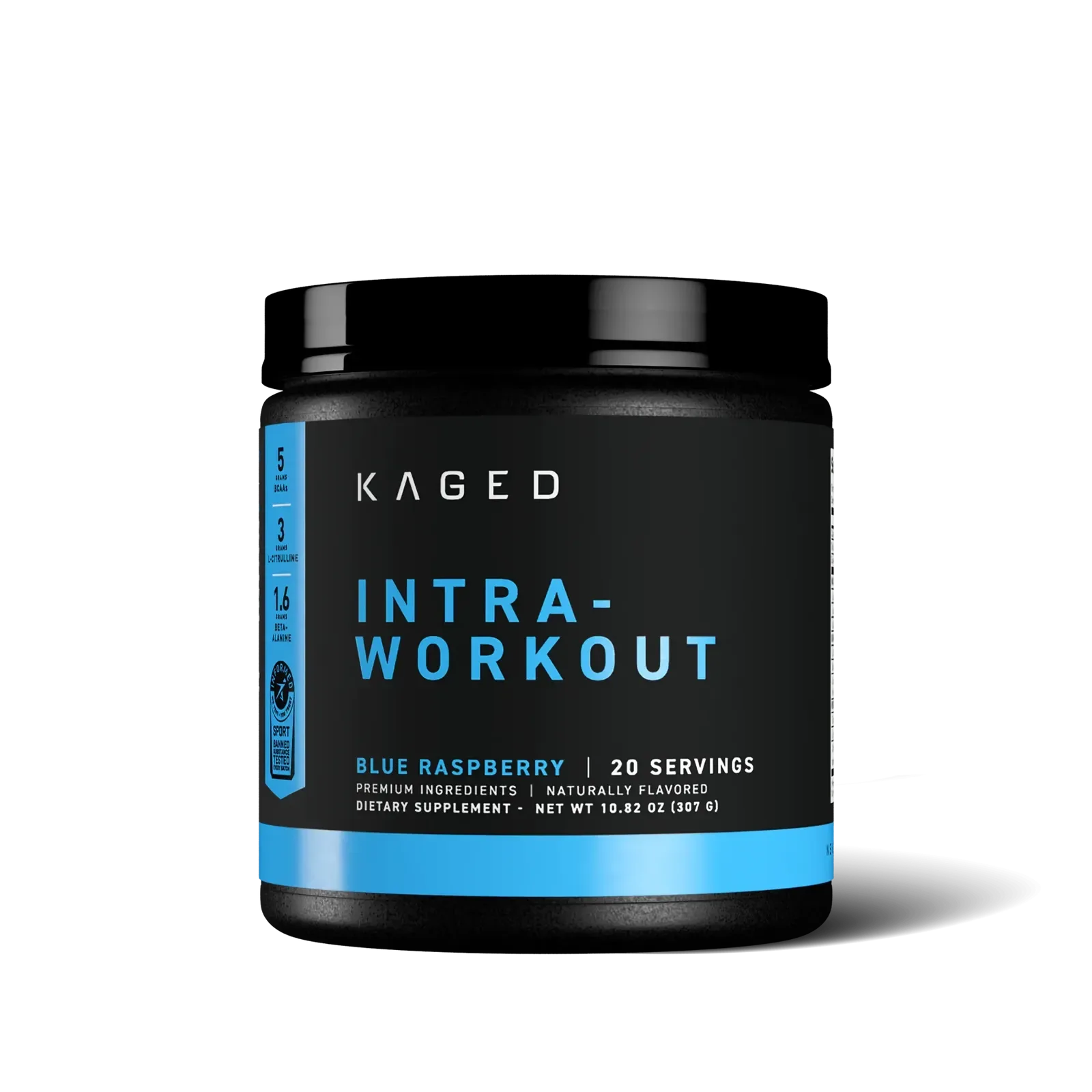
Intra-Workout (In-Kaged)
If you prefer a simpler approach, consider a pre-workout like Pre-Workout Elite that already contains BCAAs, then add glutamine separately. This way, you get the performance benefits during your workout and the recovery support afterward without overcomplicating your routine.
- Use BCAAs intra-workout to maintain energy and reduce muscle breakdown.
- Add glutamine post-workout to replenish stores and support immune health.
Which One Should You Choose?
The answer depends on your goals and training style. If you're a bodybuilder or strength athlete looking to maximize muscle growth and train with high intensity, BCAAs are a solid choice. They're also helpful if you train fasted or follow a lower-protein diet.
If you're an endurance athlete, train multiple times a day, or struggle with frequent colds or digestive issues, glutamine may be more valuable. It helps keep your immune system strong and your gut healthy, which are critical for consistent training.
If you're on a budget or prefer to keep your supplement routine simple, start with the one that addresses your biggest recovery gap. You can always add the other later. And if you're looking for an all-in-one solution, the Essential Performance Stack includes both BCAAs and glutamine, along with other key supplements, to simplify your recovery protocol.
- For muscle growth and fasted training, prioritize BCAAs.
- For immune support and high training volume, prioritize glutamine.
Both glutamine and BCAAs have their place in a well-rounded recovery plan. If you want to support muscle growth and performance, BCAAs are a proven choice. If you need immune and gut support to keep training hard, glutamine is worth adding. For many athletes, using both at different times of day offers the best results. Check out Kaged Glutamine and Intra-Workout (In-Kaged) to build a recovery stack that works for you.