When building a supplement stack, it's easy to get overwhelmed by the sheer number of amino acids on the market. Two of the most popular are L-glutamine and L-citrulline. Both are amino acids, but they play very different roles in your body. Glutamine is often associated with recovery and gut health, while citrulline is prized for boosting nitric oxide, improving blood flow, and enhancing pumps during workouts.
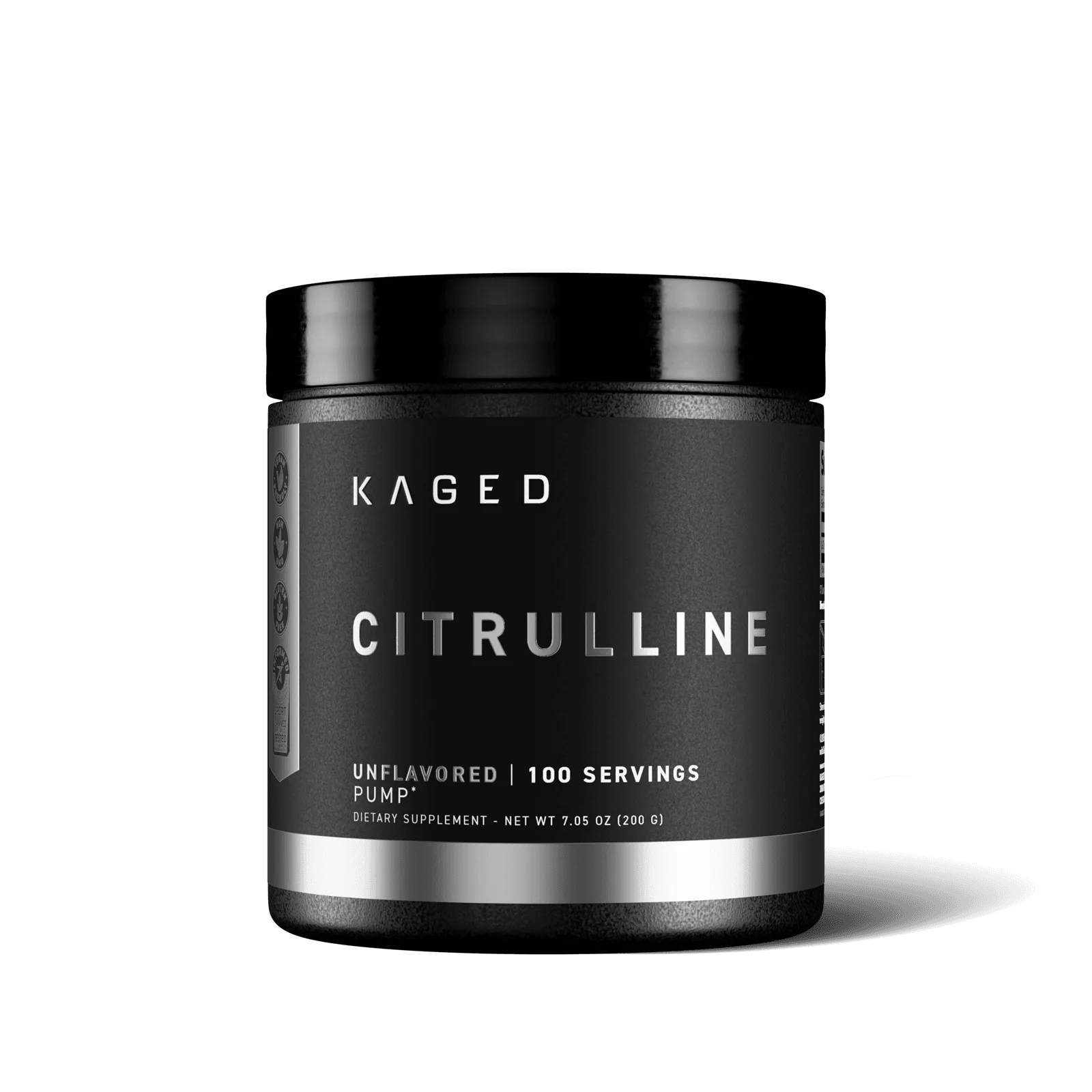
citrulline
If you're trying to decide which one deserves a spot in your routine—or whether you should take both—this guide breaks down the science, benefits, and practical usage of each. We'll compare them head-to-head so you can make an informed choice based on your specific goals.
What Is Glutamine?
L-glutamine is the most abundant amino acid in your bloodstream. It plays a key role in protein synthesis, immune function, and intestinal health. During intense training, your body's glutamine levels can drop significantly, which may impair recovery and increase susceptibility to illness.
Supplementing with glutamine is popular among athletes who train hard and want to support muscle recovery, reduce muscle soreness, and maintain a healthy gut. Some research also suggests it can help with glycogen replenishment when taken with carbs, though the evidence is mixed.
- Supports muscle recovery and reduces soreness
- Promotes gut health and immune function
- May help with glycogen replenishment post-workout
What Is Citrulline?
L-citrulline is a non-essential amino acid that your body converts into L-arginine, which then produces nitric oxide. Nitric oxide relaxes blood vessels, improving blood flow and oxygen delivery to working muscles. This leads to better pumps, increased endurance, and reduced fatigue during exercise.
Unlike arginine, citrulline is more efficiently absorbed and has a greater impact on raising arginine levels in the blood. That's why it's a staple in many pre-workout formulas. It's especially beneficial for activities that require sustained effort, like long runs, cycling, or high-rep lifting.
- Boosts nitric oxide production for better blood flow
- Enhances endurance and delays fatigue
- Improves muscle pumps and nutrient delivery
Glutamine vs Citrulline: Key Differences
The primary difference lies in their mechanisms and intended outcomes. Glutamine is a recovery and wellness amino acid. It helps your body bounce back from training stress and supports overall health. Citrulline is a performance enhancer. It helps you train harder by improving blood flow and reducing fatigue.
If your goal is to reduce muscle soreness and support your immune system during heavy training blocks, glutamine is your choice. If you want to maximize performance in the gym, get a better pump, and push through tough workouts, citrulline is more aligned with that objective.
- Glutamine: Recovery, gut health, immunity
- Citrulline: Performance, pumps, endurance
- Both are safe to take together and serve complementary roles
Can You Take Glutamine and Citrulline Together?
Absolutely. In fact, many athletes stack both to cover all bases. Taking citrulline pre-workout can enhance your performance, while glutamine post-workout can support recovery. They don't compete for absorption, so you can take them at different times of the day without any issues.
For example, you could mix citrulline into your pre-workout drink, then take glutamine after training or before bed. This approach ensures you're supporting both the workout itself and the recovery process that follows.
- Take citrulline 30-60 minutes before training
- Take glutamine immediately after training or with a meal
- Consider stacking with a protein shake for optimal recovery
How to Choose Based on Your Goals
If you're a strength athlete focused on heavy lifting and muscle growth, citrulline's ability to enhance pumps and blood flow might be more appealing. On the other hand, if you're in a high-volume training phase, glutamine's recovery support could be more valuable.
Endurance athletes often benefit from citrulline because it can improve oxygen utilization and delay fatigue. But glutamine's immune support can also be crucial during long race seasons when your body is under constant stress.
Ultimately, the best choice depends on your individual needs. Many people find that using both at different times of the day gives them the best of both worlds.
- For pumps and performance: choose citrulline
- For recovery and gut health: choose glutamine
- For comprehensive support: stack both
Kaged Supplements Options
Kaged offers high-quality supplements in both categories. Their Glutamine is a pure, micronized powder that mixes easily and supports recovery. For citrulline, you can find it in their pre-workout formulas, but they also offer standalone options.
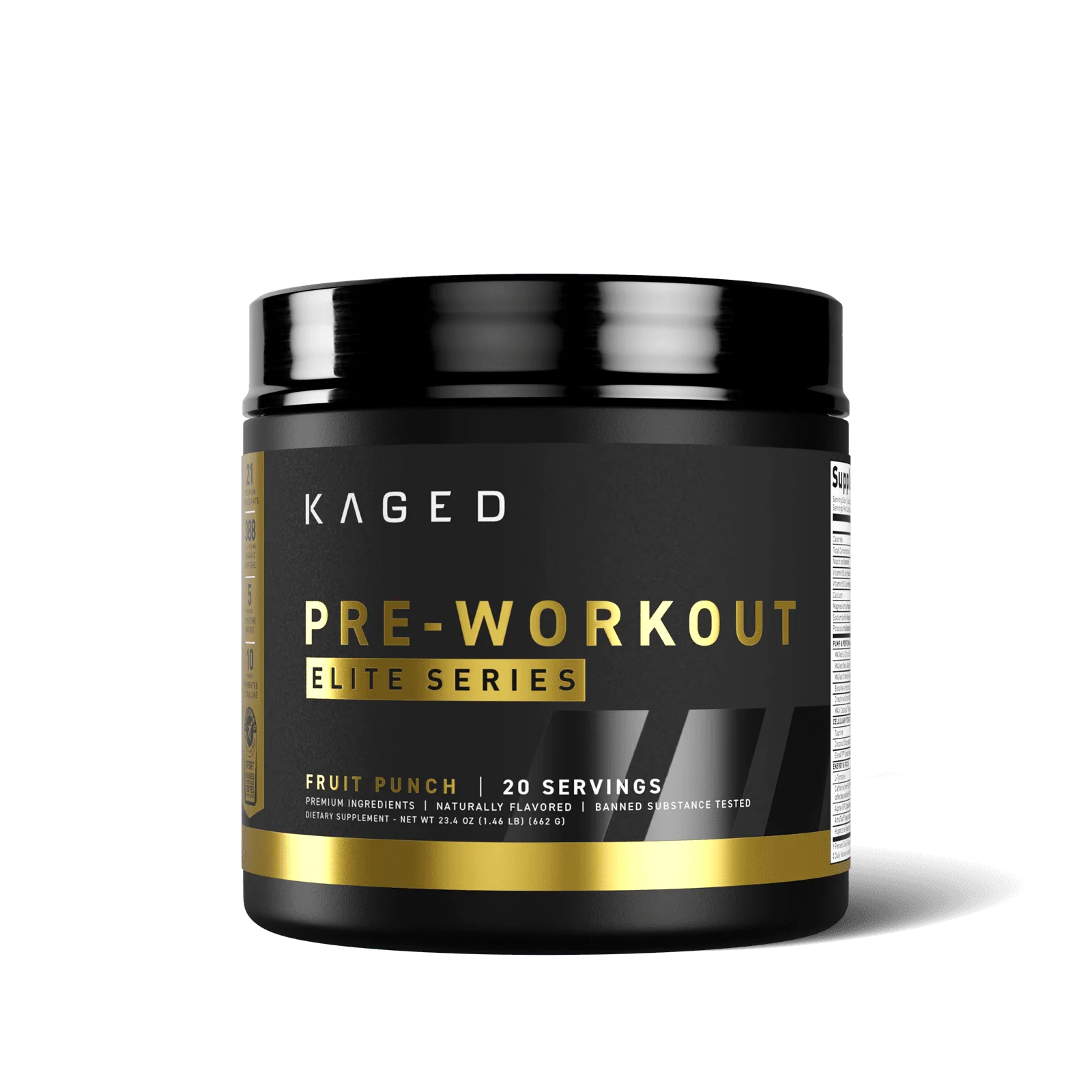
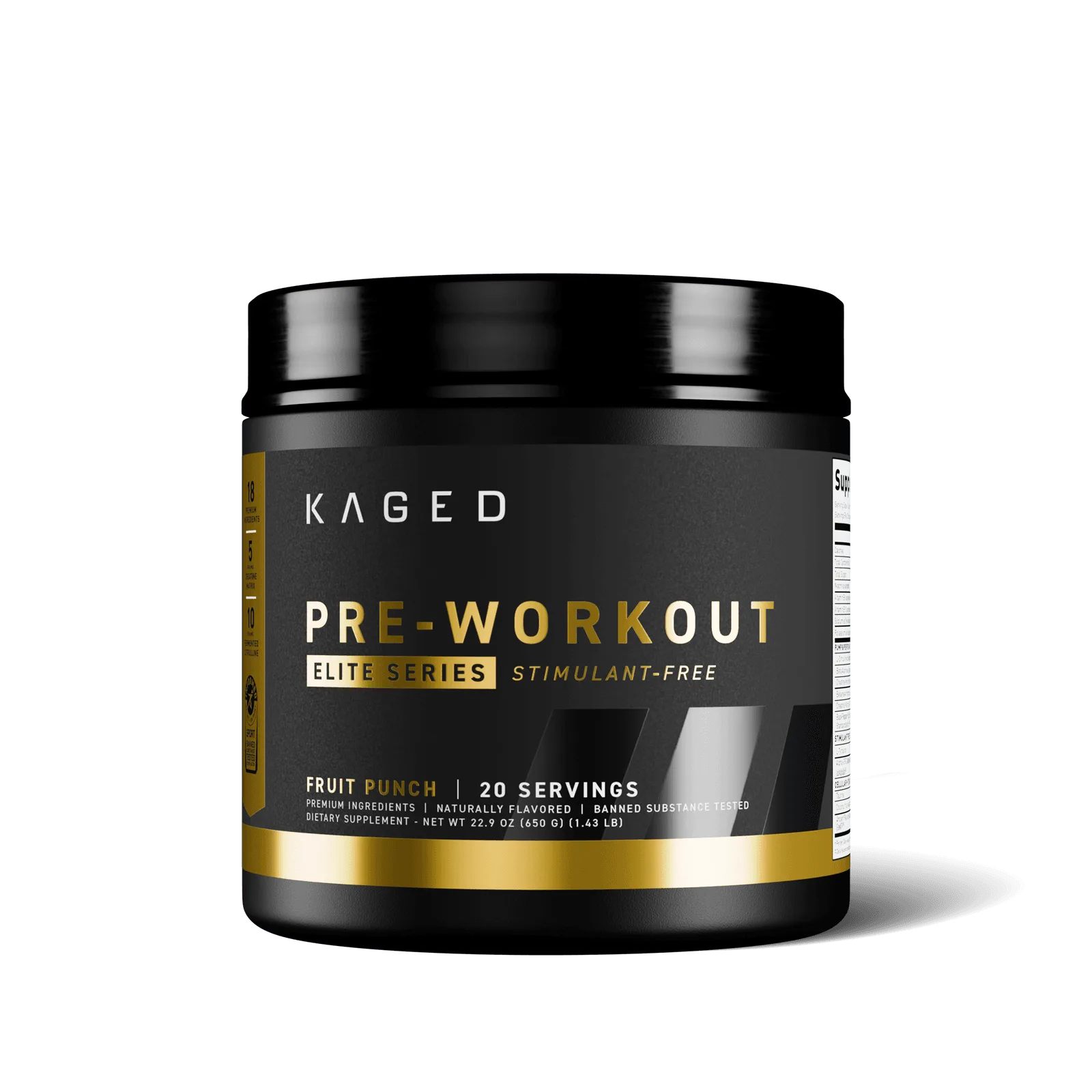
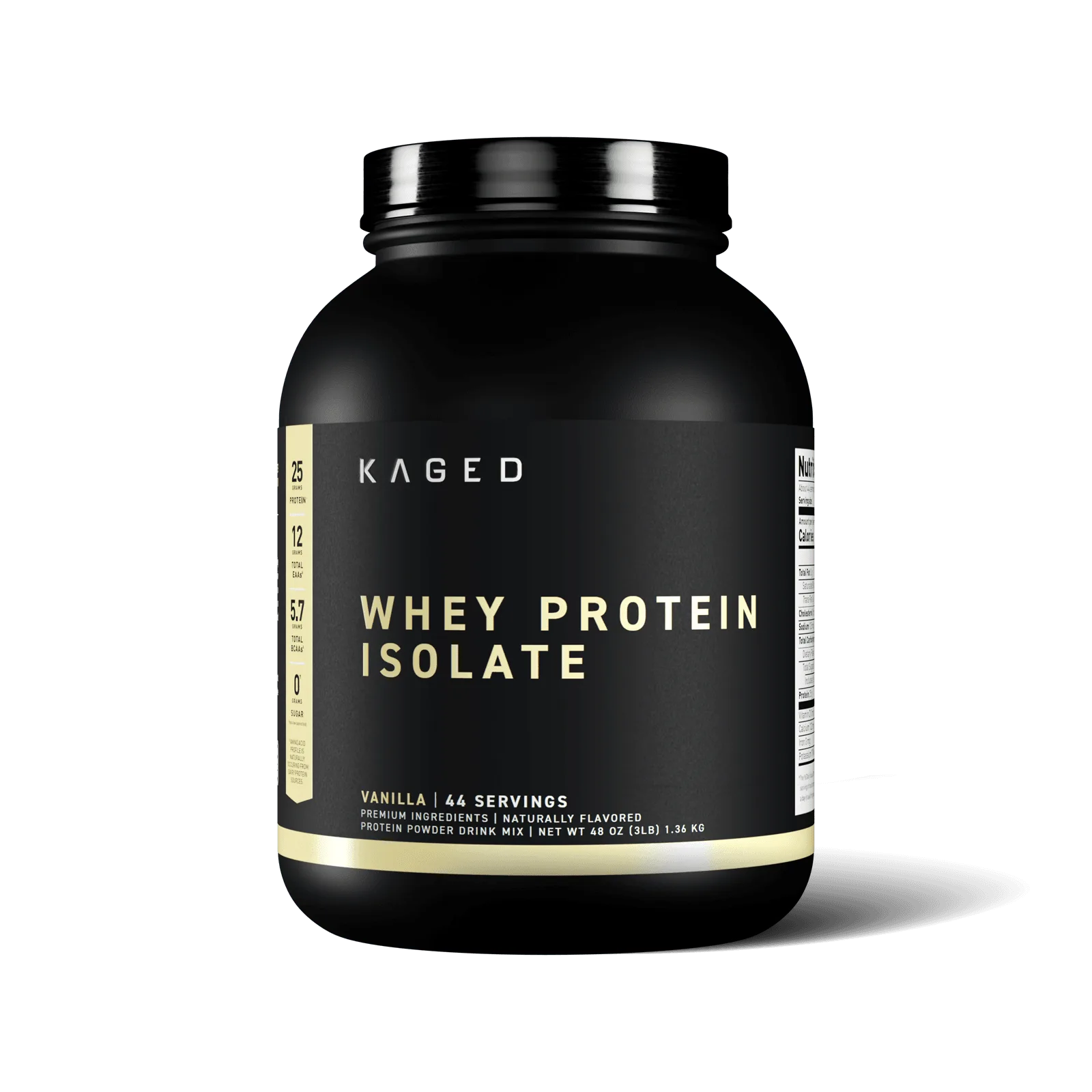
If you're looking for a comprehensive stack, consider combining Kaged's https://kageder.com/products/pre-workout-elite-stimulant-free-386586Pre-Workout Elite Stimulant Free (which contains citrulline) with their Whey Protein Isolate for post-workout recovery. This gives you the performance benefits of citrulline and the recovery support of protein, which includes glutamine peptides.
- Check labels for citrulline content in pre-workouts
- Glutamine is often included in protein blends
- Consider adding a dedicated glutamine supplement if your protein doesn't provide enough
Both glutamine and citrulline have unique benefits that can enhance your training and recovery. By understanding their differences, you can make an informed decision. If you're still unsure, starting with a product that combines both—or taking them at different times—can be a smart approach. Explore Kaged's range of amino acid supplements to find the perfect fit for your stack.