Choosing the right knife block is about more than just storage—it's about protecting your blades, complementing your kitchen decor, and fitting your daily cooking habits. KAI, a brand renowned for its precision Japanese knives, offers knife blocks in a range of materials, each with distinct advantages. In this guide, we compare wood, acrylic, and stainless steel KAI knife blocks to help you decide which is the best investment for your kitchen.
Whether you're a professional chef or a home cook, the material of your knife block affects durability, hygiene, and aesthetics. We'll break down the key differences, maintenance requirements, and which type best suits different kitchen styles. By the end, you'll know exactly which KAI knife block to choose.
Wood Knife Blocks: Classic and Functional
Wooden knife blocks are the traditional choice, valued for their timeless appearance and ability to protect knife edges. The natural grain of wood adds warmth to any kitchen, and many wood blocks feature a classic slotted design that accommodates a variety of knife sizes. Wood is also gentle on blades, as the material gives slightly, reducing the risk of dulling compared to harder surfaces.
However, wood requires more care. It can absorb moisture and harbor bacteria if not properly dried. Regular oiling is recommended to maintain the wood's finish and prevent cracking. For those who appreciate a rustic or traditional aesthetic, a wood block is a beautiful and functional option. KAI's wooden blocks often feature a sleek, minimalist design that aligns with the brand's Japanese heritage.
- Pros: Aesthetic appeal, gentle on blades, classic look.
- Cons: Requires maintenance, can absorb odors, heavier.
- Tip: Oil your wood block every few months to keep it in top condition.
Acrylic Knife Blocks: Modern and Hygienic
Acrylic knife blocks are a contemporary favorite, especially for those who prioritize hygiene and visibility. The clear material allows you to see your knives at a glance, making it easy to grab the right one. Acrylic is non-porous, so it doesn't absorb moisture or harbor bacteria, making it a breeze to clean—simply wipe with a damp cloth.
One of the biggest advantages of acrylic is its lightweight nature. It's easy to move around the kitchen and can be stored in tight spaces. However, acrylic can scratch over time, and some users find that the hard surface may dull knives more quickly than wood. Despite this, many modern kitchens opt for acrylic for its sleek, minimalist look that fits seamlessly into contemporary design schemes.
- Pros: Hygienic, easy to clean, lightweight, visible knives.
- Cons: Can scratch, may dull blades faster, less traditional.
- Tip: Use a soft cloth and mild soap to keep acrylic looking new.
Stainless Steel Knife Blocks: Durable and Professional
Stainless steel knife blocks are the epitome of professional kitchens. They offer unmatched durability and a sleek, industrial aesthetic that complements modern and high-end interiors. Steel is non-porous and highly resistant to bacteria, making it extremely hygienic. It's also incredibly sturdy, providing a stable base that won't tip over easily.
The main drawback of stainless steel is that it can be heavy and may show fingerprints and smudges. Additionally, the hard surface can dull knife edges if the knives are not stored properly. However, many steel blocks feature magnetic strips or soft inserts to protect blades. For those who want a long-lasting, professional-grade block, stainless steel is an excellent choice.
- Pros: Extremely durable, hygienic, professional look.
- Cons: Heavy, shows smudges, can be expensive.
- Tip: Look for blocks with magnetic strips or rubber inserts to protect blades.
How to Choose the Right KAI Knife Block for You
When deciding between wood, acrylic, and stainless steel, consider your kitchen's style, your maintenance preferences, and how you use your knives. If you prioritize aesthetics and don't mind some upkeep, wood is a classic choice. For a low-maintenance, hygienic option that showcases your knives, acrylic is ideal. If you want a durable, professional-grade block that makes a statement, stainless steel is the way to go.
Also, think about the size and number of knives you own. KAI blocks come in various capacities, so ensure the block you choose fits your collection. Pair your knife block with other high-quality kitchen tools, such as the CUTIPOL Gourmet - Colher servir for serving, or the PEUGEOT Paris - Salt mill graphite U'Select S for seasoning. These complementary items enhance your culinary experience.
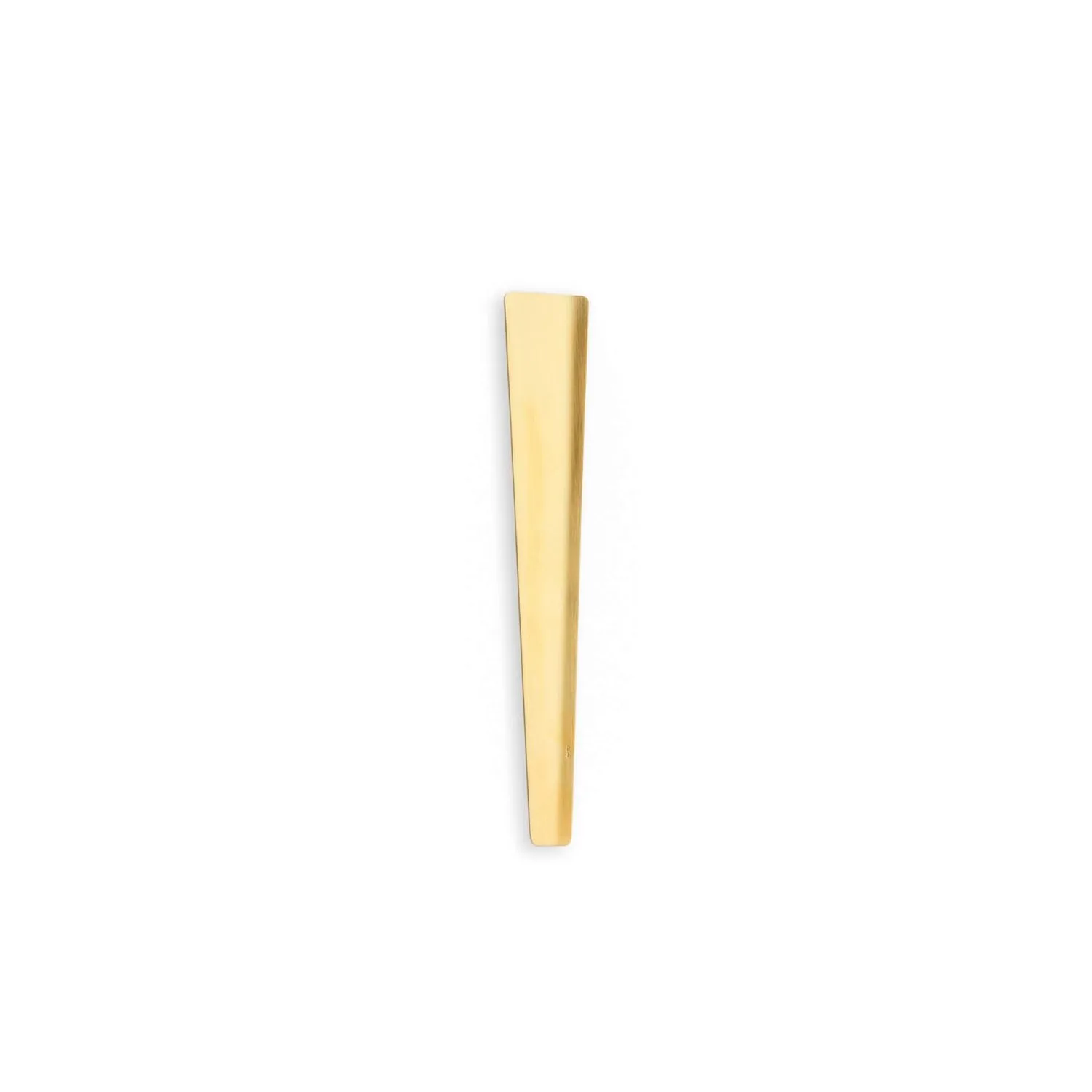
CUTIPOL Gourmet - Colher servir
- Evaluate your kitchen decor: wood for warmth, acrylic for minimalism, steel for industrial.
- Consider maintenance: wood needs oiling, acrylic and steel are low-maintenance.
- Check capacity: ensure the block fits all your knives.
Ultimately, the best KAI knife block material depends on your personal preferences and kitchen needs. Wood offers timeless beauty, acrylic provides modern convenience, and stainless steel delivers professional durability. Whichever you choose, you'll be investing in a quality product that protects your knives and enhances your cooking space. For more kitchen essentials, explore our collection of premium tools like the STELTON Classic - Garrafa com copo to complete your setup.
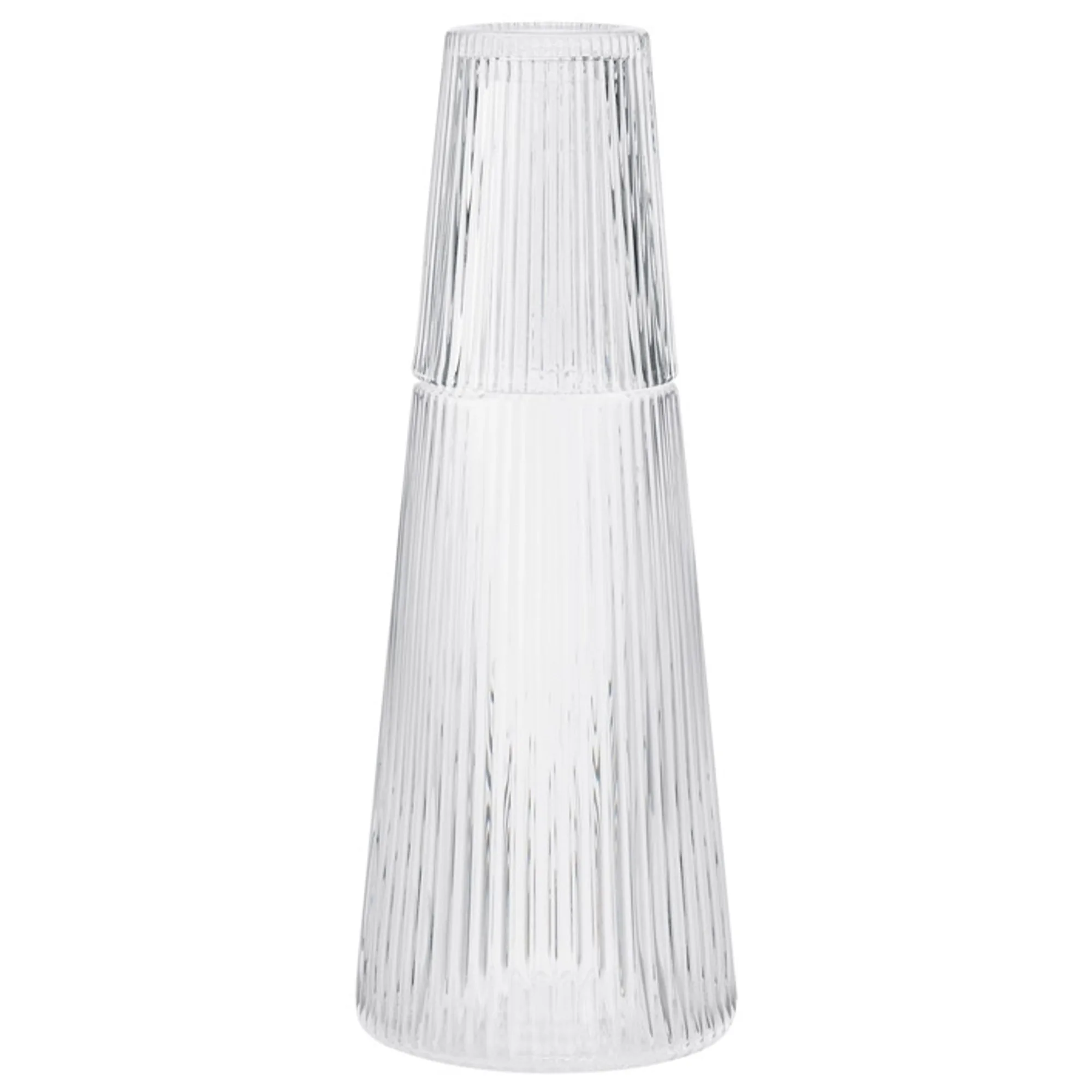
STELTON Classic - Garrafa com copo