What the KAKOMI Earthenware Pot 2.5L Is Made For
The KAKOMI direct fire donabe (earthenware pot) is designed for stovetop cooking. Its 2.5L capacity suits slow-simmered stews, soups, rice dishes, and one-pot meals. The pot and lid are made of ceramic (pottery) and can be used on a gas stove or similar direct heat source. Because it is unglazed earthenware, it heats evenly and retains heat well, making it ideal for gentle simmering.
This guide covers how to use the KAKOMI pot for the first time, what to expect from the material, and how to care for it so it lasts. The supplied evidence includes dimensions, care instructions, and color options, but does not include specific first-use seasoning steps or cooking times. We will work with what is confirmed.
Key Specifications at a Glance
-
KAKOMI 直火土鍋 2.5L 蓋: φ255 x H70 mm / approx. 700 g The pot is relatively wide and shallow, good for even heat distribution and easy access to food. The 700 g weight is manageable for a 2.5L pot.
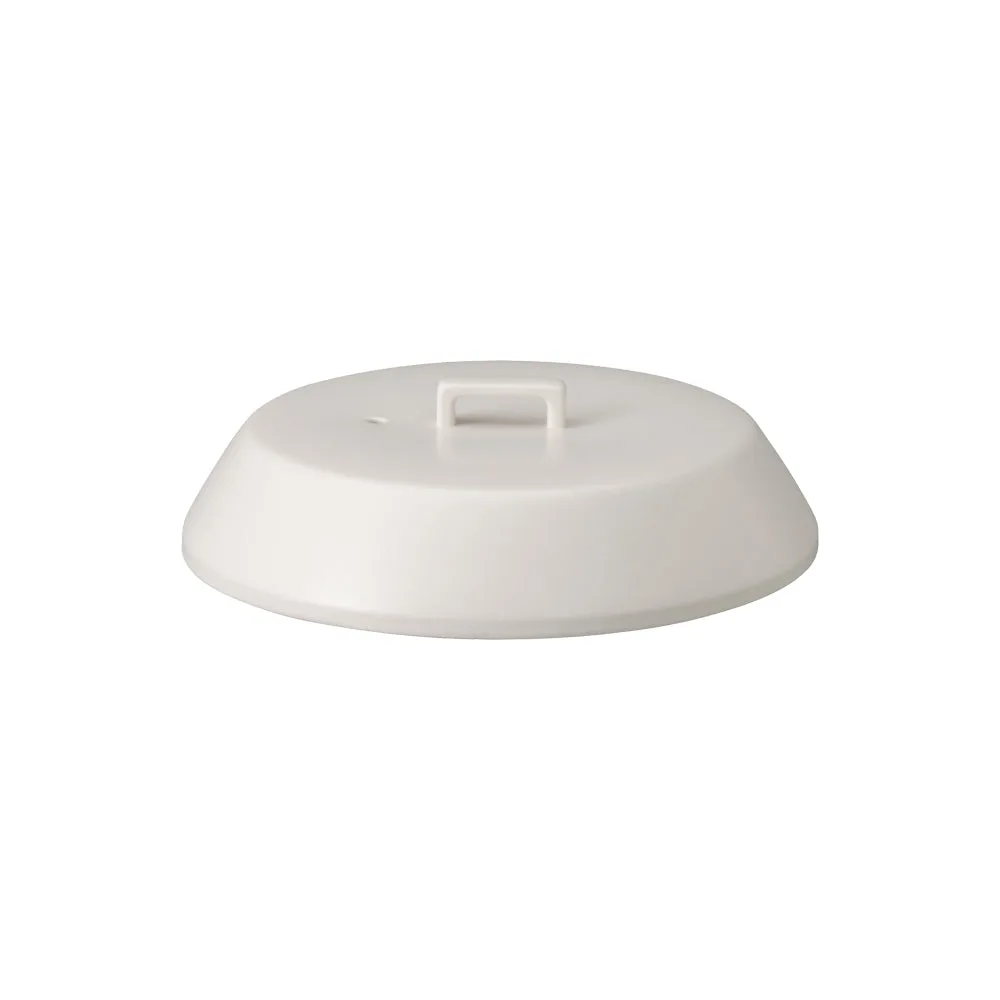
KAKOMI 直火土鍋 2.5L 蓋
-
KAKOMI 直火土鍋 2.5L 蓋: Material: Ceramic (pottery); Made in Malaysia Ceramic construction means the pot can go directly on a flame but requires careful handling to avoid thermal shock.
-
KAKOMI 直火土鍋 2.5L 蓋: Dishwasher safe (食洗機使用可) You can clean it in the dishwasher, but avoid abrasive cleaners or scrub brushes as noted in care instructions.
-
KAKOMI 直火土鍋 2.5L 蓋: Color options: White (ホワイト) and Black (ブラック) Choose a color that matches your kitchen aesthetic. Both are glazed on the outside, with the natural clay interior.
How to Use the KAKOMI Donabe for Stovetop Cooking
The supplied evidence does not include specific first-use seasoning or cooking instructions. The following steps are based on general safe use for earthenware pots and the product's care guidelines.
- Before first use: Wash the pot and lid with mild dish soap and a soft sponge. Rinse thoroughly and dry. The manufacturer notes that due to production characteristics, size and shape may vary slightly, and the color of the pot body and lid may differ slightly due to material differences.
- Cooking on the stovetop: Place the pot on a gas burner over medium-low heat. Never heat an empty pot. Always start with liquid or oil in the pot. Gradually increase heat to avoid thermal shock. Do not use on induction cooktops unless specified (not confirmed for this model).
- During cooking: The pot retains heat well, so reduce heat once the contents simmer. Avoid rapid temperature changes (e.g., adding cold liquid to a hot pot).
- After cooking: Turn off the heat and let the pot cool naturally. Do not place a hot pot on a cold surface or in cold water. Remove food and allow to cool before washing.
Dishwasher Use and Cleaning
The KAKOMI earthenware pot is dishwasher safe, according to the care instructions. However, the manufacturer advises against using abrasive cleansers (クレンザー) or scrub brushes (たわし). Use a soft sponge or cloth. After washing, remove any food residue promptly and dry the pot thoroughly before storing. The pot is ceramic, so it can absorb moisture if left wet, which may cause cracking over time.
What to Avoid
The supplied evidence does not include a full list of prohibitions, but based on the care instructions and general earthenware best practices:
• Do not use abrasive cleaners or scrub brushes (confirmed).
• Do not subject the pot to sudden temperature changes (thermal shock).
• Do not heat an empty pot.
• Do not use on induction cooktops unless the manufacturer confirms compatibility (not confirmed for this model).
• Do not place a hot pot directly on a cold countertop or in the sink.
The manufacturer also notes that due to production characteristics, small variations in size, shape, and color between the pot and lid are normal and not defects.
Storage and Long-Term Care
Store the pot in a dry place. After each use, clean it promptly and dry it completely. The ceramic material can develop a patina over time, which is normal and does not affect performance. If you notice any cracks or chips, discontinue use, as the pot may no longer be safe for cooking.
The supplied evidence does not confirm whether the pot is oven-safe or suitable for broiling, so avoid those uses unless you can verify with the manufacturer.