Quick answer
Buy a wooden camera toy when you want a screen-free toddler toy that turns everyday moments into pretend photography play, and choose one with a working lens view so it stays interesting after the first week. If your child mainly wants to look, twist, and discover changing patterns, a kaleidoscope-first toy is the better fit. For families who want both, a single wooden camera with a rotating kaleidoscope lens covers the most play value per dollar.
What open-ended play actually looks like with a camera toy
Open-ended play means the toy does not tell your child what to do. A wooden camera works because the child supplies the story: a bug on the sidewalk becomes a photo shoot, a grandparent becomes a model, and a pile of blocks becomes a studio. You are not buying features so much as a prop that supports whatever your child is already imagining.
That is why the lens matters. A camera with a real viewfinder or rotating lens rewards looking, not just holding. Looking through a rotating lens reveals a magical kaleidoscope world, turning every snapshot into a colorful discovery. The reward is immediate and repeatable, which is what keeps a toddler coming back to the same toy.
Kaleidoscope toy or camera toy: pick by the primary action
Ask what your child does first. If they grab, twist, and stare, a kaleidoscope toy for toddlers is the honest match. If they narrate, pose people, and say cheese, a camera prop wins. Many wooden cameras combine both, but the best choice depends on which action your child repeats without prompting.
For mixed-age siblings, the camera tends to hold up longer because the pretend photography story grows with the child. A pure kaleidoscope is often a shorter, calmer lap toy. Neither is better; they simply reward different attention spans.
Size, grip, and the details that decide daily use
A pretend play photography toy only gets used if a small hand can hold it comfortably and carry it around. Look for a body that fits the palm without a strap that tangles, and a lens that turns with light effort rather than a stiff twist. If the toy is too heavy or too slick, it ends up on a shelf.
Check the lens construction before buying. A sealed rotating lens is easier to keep clean than an open tube, and it is less likely to collect crumbs or sand. If a listing does not state the lens type or the material, treat that as missing information rather than assuming glass or acrylic.
How this fits a screen-free toy shelf
Screen-free toddler toys earn their space by being pick-up-and-play, with no setup and no batteries. A wooden camera passes that test. It also pairs well with other pretend play props, so it can join a doctor kit, a play kitchen, or a dress-up bin instead of sitting alone.
One practical warning: a camera toy invites your child to photograph people, including you. Decide in advance whether you will pose, and expect the toy to be pointed at the dog. That is the play working as intended.
Gift timing: when a wooden camera is the right present
A wooden toy gift for kids works best between roughly two and five years old, when pretend play is blooming and small hands are steady enough to hold and turn a lens. Below that, the toy is more likely to be mouthed than used as a camera. Above that, some children still love it, but they may want a real camera sooner.
If you are buying for a child you do not know well, a camera prop is a safer gift than a themed character toy because it does not depend on a show or a favorite color. Pair it with a small photo album or a stack of blank cards so the pretend photos have somewhere to go.
Decision rules for choosing a wooden camera toy
- Rule 1: Choose by the primary action: If your child twists and stares, pick a kaleidoscope-first toy. If they narrate and pose, pick a camera prop. If they do both, pick a wooden camera with a rotating lens view. Match the toy to the action your child already repeats.
- Rule 2: Check the lens, not the paint: A working rotating lens is the feature that keeps a camera toy in rotation. Decorative lenses that do not turn turn the toy into a block after a few days. If the lens does not move, expect shorter play life.
- Rule 3: Buy for the hand, not the age label: A camera that fits the palm and turns easily gets carried around. One that is too heavy or too slick stays on the shelf. Small hands need light weight and an easy twist.
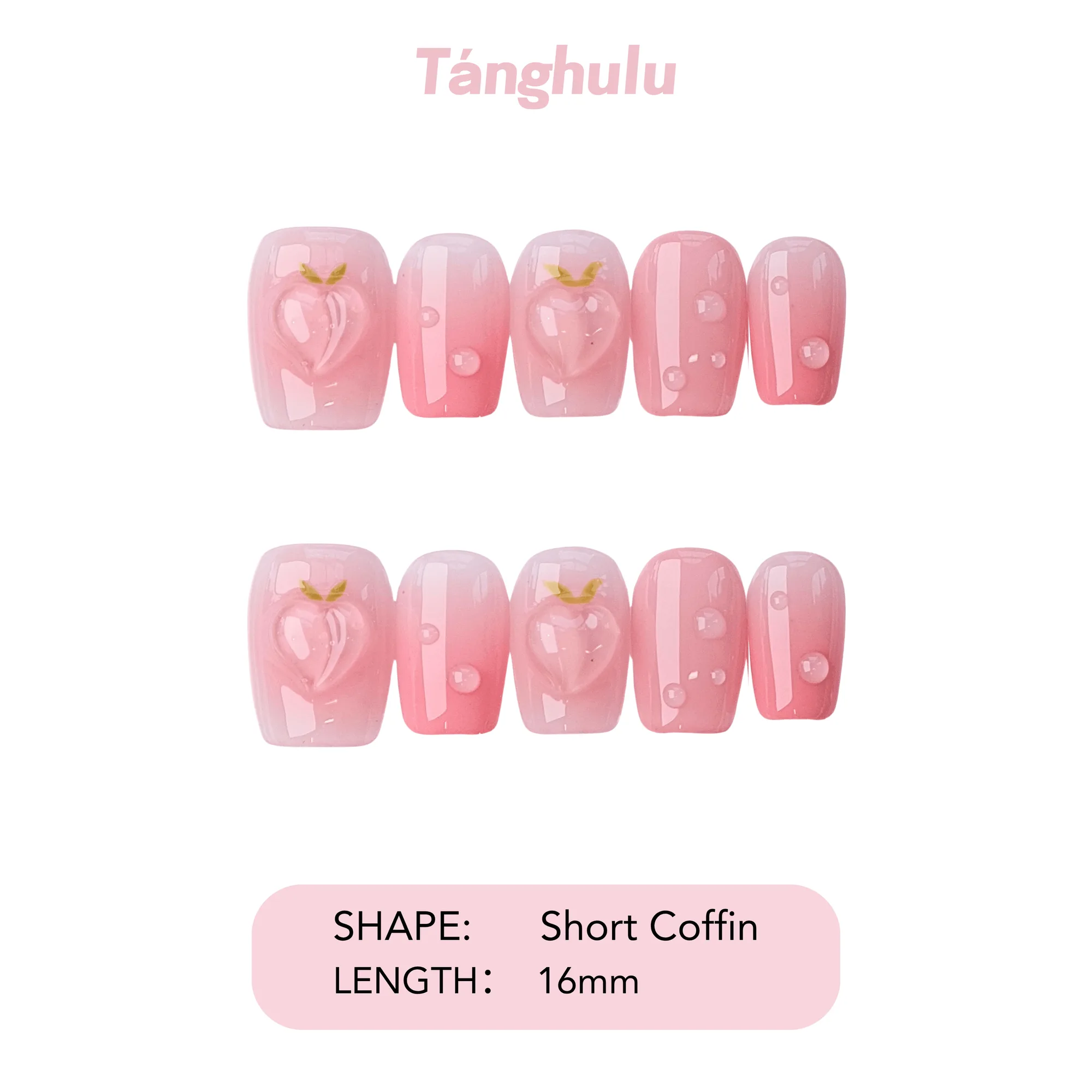
- Rule 4: Decide how much cleanup you will accept: Wooden cameras wipe clean. If the pretend play expands into nail polish or body art, choose peelable, water-based options so cleanup stays simple. Pick the mess level you will actually maintain.
Product facts worth knowing
- Saro / Kalencom - Kaleidoscope Wooden Camera - Pink: The Kaleidoscope Wooden Camera has a rotating lens that reveals a kaleidoscope world, and it is designed to fit small hands. The rotating lens gives a repeatable visual reward, so the toy supports both pretend photography and quiet looking play without batteries.
- Great Pretenders Pajama Party Washable Nail Polish Set: The Great Pretenders Pajama Party Washable Nail Polish Set is a peelable, water-based, non-toxic and vegan kids' nail polish made in Italy. If your child turns camera play into a full photo shoot with poses and painted nails, a peelable polish keeps the cleanup simple and the play self-directed.
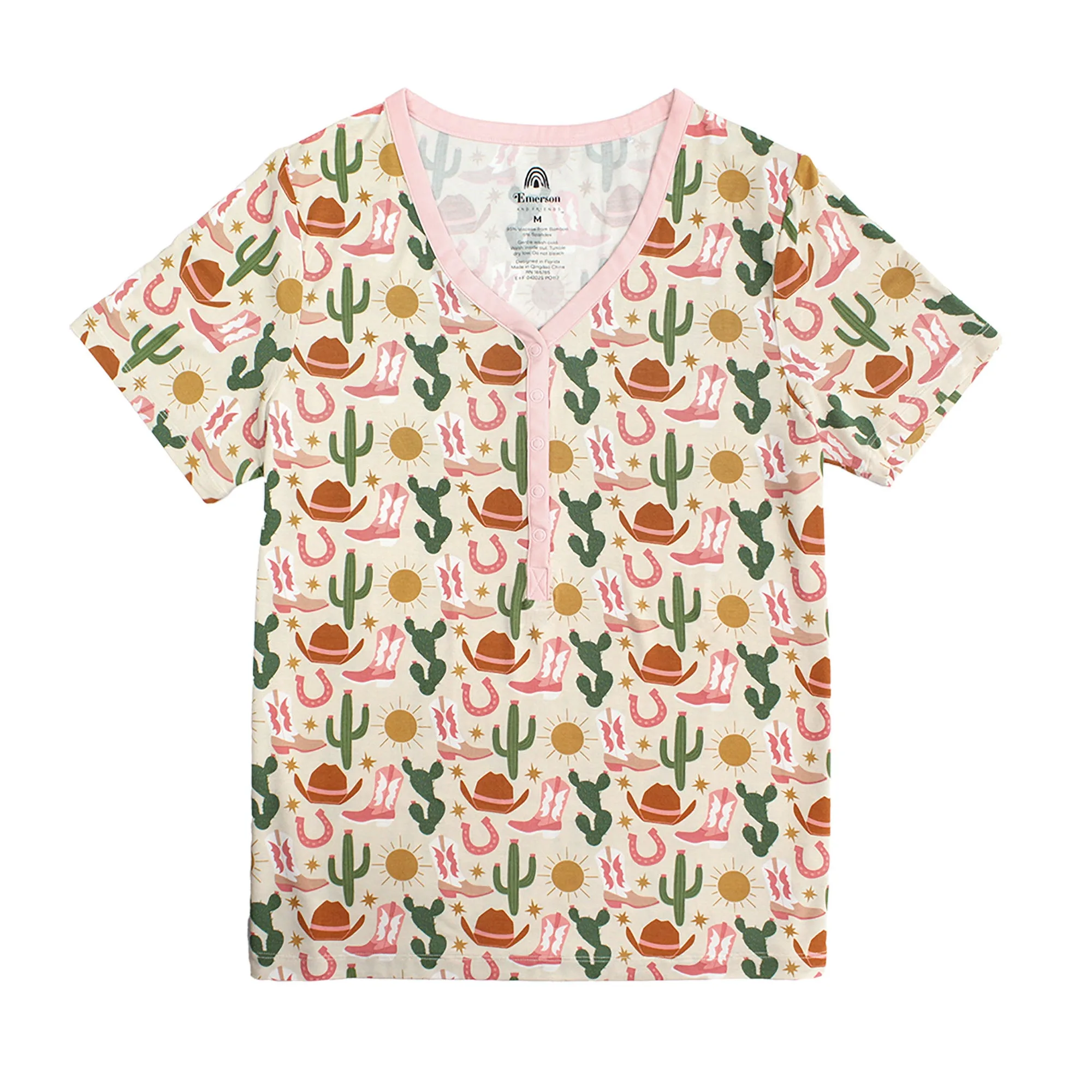
- Happy Honey Bees Bamboo Short Sleeve Kids Pajama Pants Set: The Happy Honey Bees Bamboo Short Sleeve Kids Pajama Pants Set uses a buttery soft bamboo and spandex blend in a bee print. A soft pajama set makes the wind-down after active pretend play easier, and the print gives siblings a matching option.
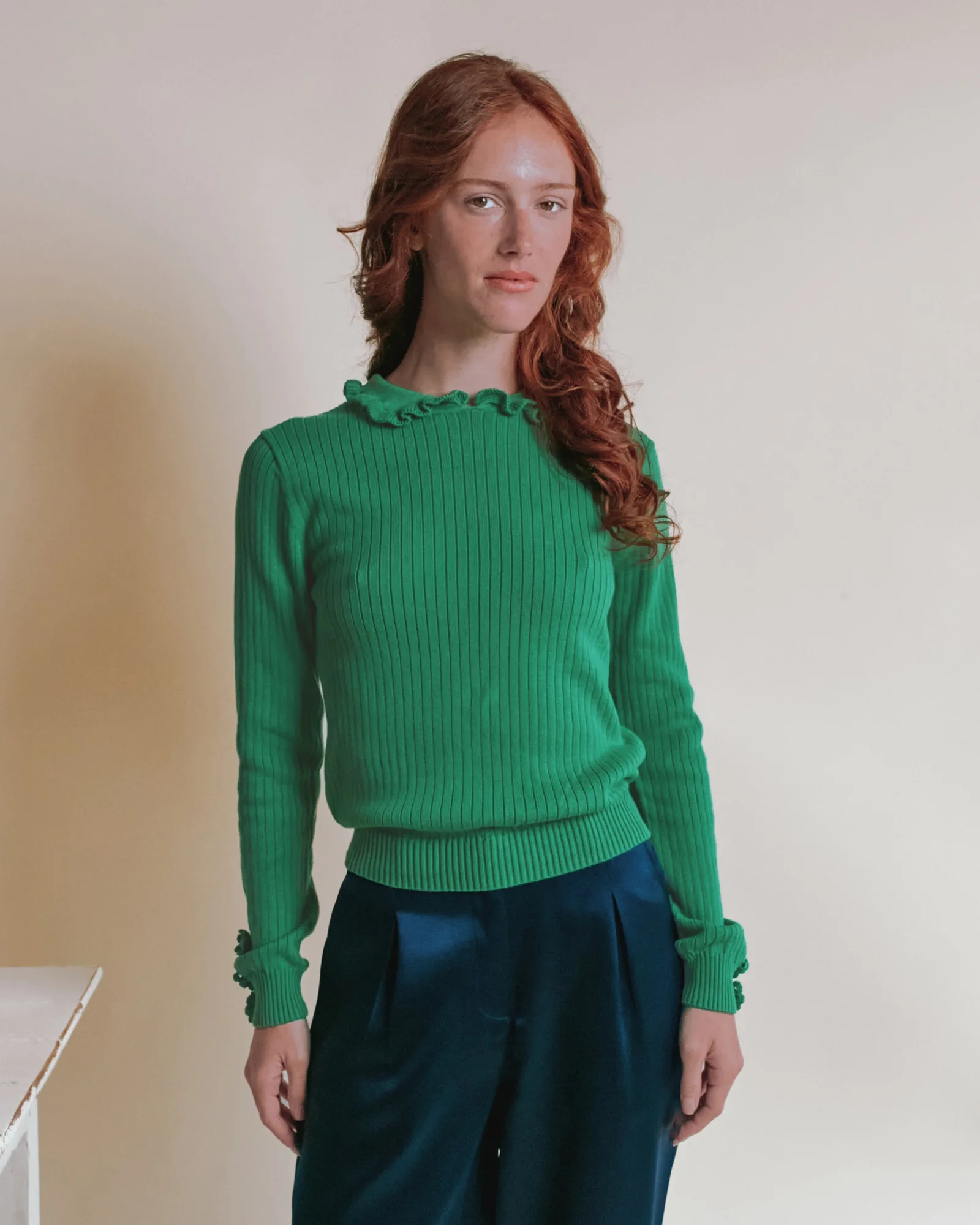
- Later Gator Bamboo Relaxed Lounge Pajama Pants: The Later Gator Bamboo Relaxed Lounge Pajama Pants are a viscose bamboo relaxed fit for adults, designed for sleep and everyday wear. Adults who join the photo shoot or the bedtime routine can match the kids in the same bamboo comfort.
Who this toy is for
Best for
- Toddlers and preschoolers who already narrate, pose, and say cheese
- Families building a screen-free toy shelf with no batteries or setup
- Gift givers who want a non-character toy that does not depend on a favorite show
- Siblings who want matching pretend play props and matching pajamas
Not for
- Children under two who still mouth toys and need a teether instead
- Kids who want a real working camera with actual photos
- Shoppers looking for a single toy that teaches letters, numbers, or a specific academic skill
- Families who prefer electronic toys with sounds and lights