Quick Answer
Kangra Green Tea offers a delicate, grassy sweetness with a light body, while Darjeeling green tea tends to be more astringent with muscatel notes. Choose Kangra for a gentle, everyday cup; pick Darjeeling if you prefer a brisk, complex flavor.
Origin and Terroir
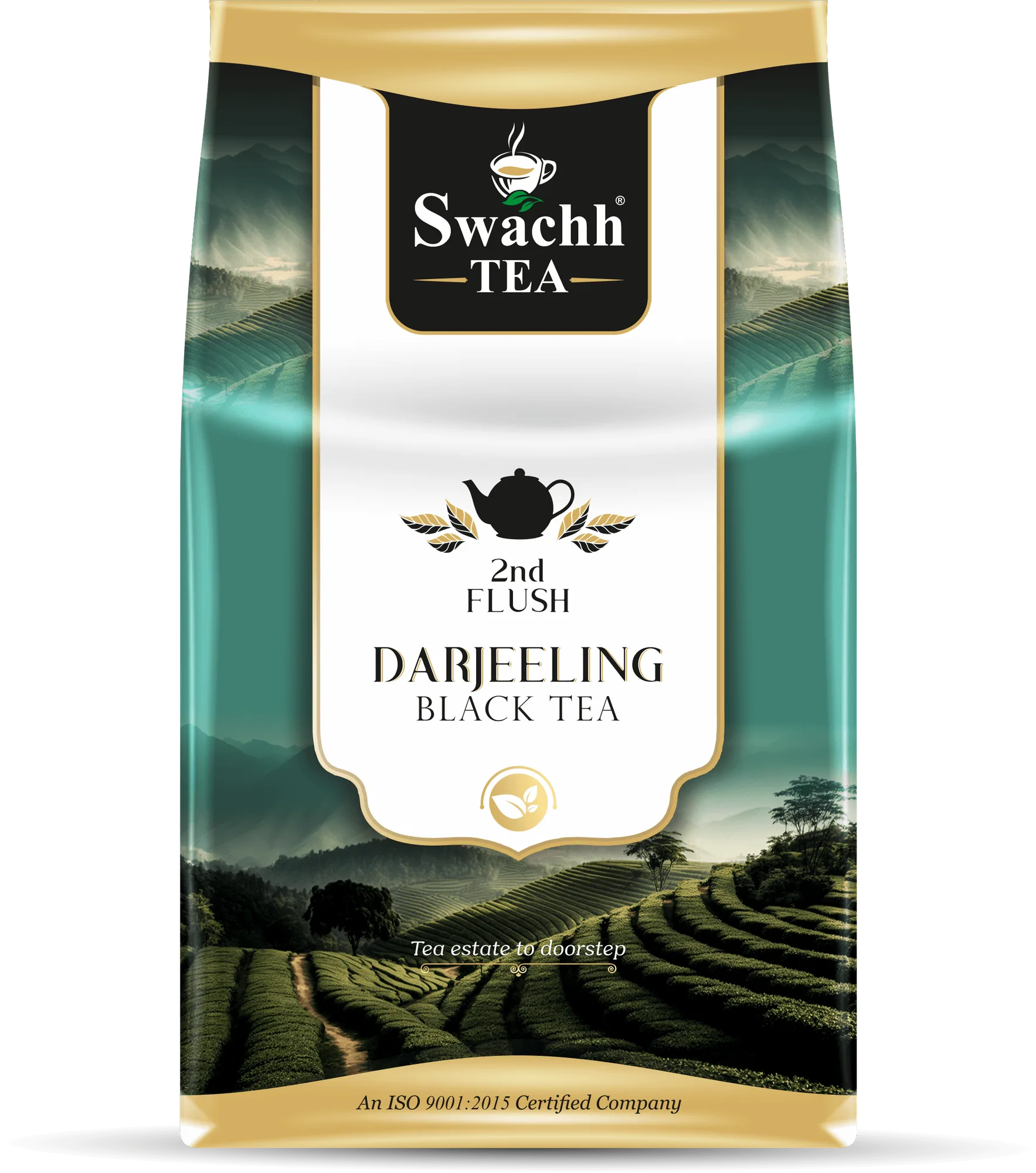
Kangra Green Tea comes from the high-altitude Kangra Valley in Himachal Pradesh, a region known for its cool climate and rich soil. This terroir gives the tea a naturally sweet, smooth character with minimal bitterness. Darjeeling tea, grown in the foothills of the Himalayas in West Bengal, benefits from a different microclimate that produces a more astringent, floral cup with muscatel undertones.
Both teas hold prestigious GI (Geographical Indication) tags, but their flavor profiles diverge significantly. Kangra’s gentle processing preserves a grassy, almost vegetal sweetness, while Darjeeling’s oxidation level (even for green teas) often introduces a hint of briskness that some drinkers find refreshing and others find sharp.
Flavor and Aroma
Kangra Green Tea is prized for its light, sweet, and slightly nutty flavor with a clean finish. It lacks the astringency common in many green teas, making it an excellent choice for those new to green tea or sensitive to bitterness. Darjeeling green tea, by contrast, offers a more complex bouquet—floral, musky, and sometimes fruity—with a noticeable dryness on the palate.
If you enjoy a tea that refreshes without overwhelming, Kangra is the gentler option. If you prefer a tea with layers of flavor that evolve as it cools, Darjeeling provides that depth. Neither is superior; the choice depends on your taste preference.
Brewing and Daily Use
Kangra Green Tea is forgiving to brew: water around 80°C (176°F) and a steep time of 2-3 minutes yield a balanced cup without bitterness. Its mildness makes it suitable for multiple infusions throughout the day. Darjeeling green tea requires more precise brewing—slightly cooler water (75-80°C) and a shorter steep (1-2 minutes) to avoid excessive astringency.
For daily hydration, Kangra’s smoothness encourages repeated sipping. Darjeeling’s boldness works better as a standalone morning or afternoon tea when you want a distinct flavor experience.
Tradeoffs at a Glance
- Flavor Profile: Kangra: sweet, grassy, light. Darjeeling: floral, muscatel, brisk. Choose Kangra for gentleness, Darjeeling for complexity.
- Astringency Level: Kangra is naturally low in astringency; Darjeeling can be high if over-steeped. Kangra is more forgiving for beginners or sensitive palates.
- Brewing Flexibility: Kangra tolerates slightly higher temperatures and longer steeps. Darjeeling requires cooler water and precise timing. Kangra suits casual daily brewing; Darjeeling rewards attention.
- Best Use Case: Kangra works as an all-day sipping tea. Darjeeling shines as a standalone experience. Match the tea to your routine, not the other way around.
Product Facts
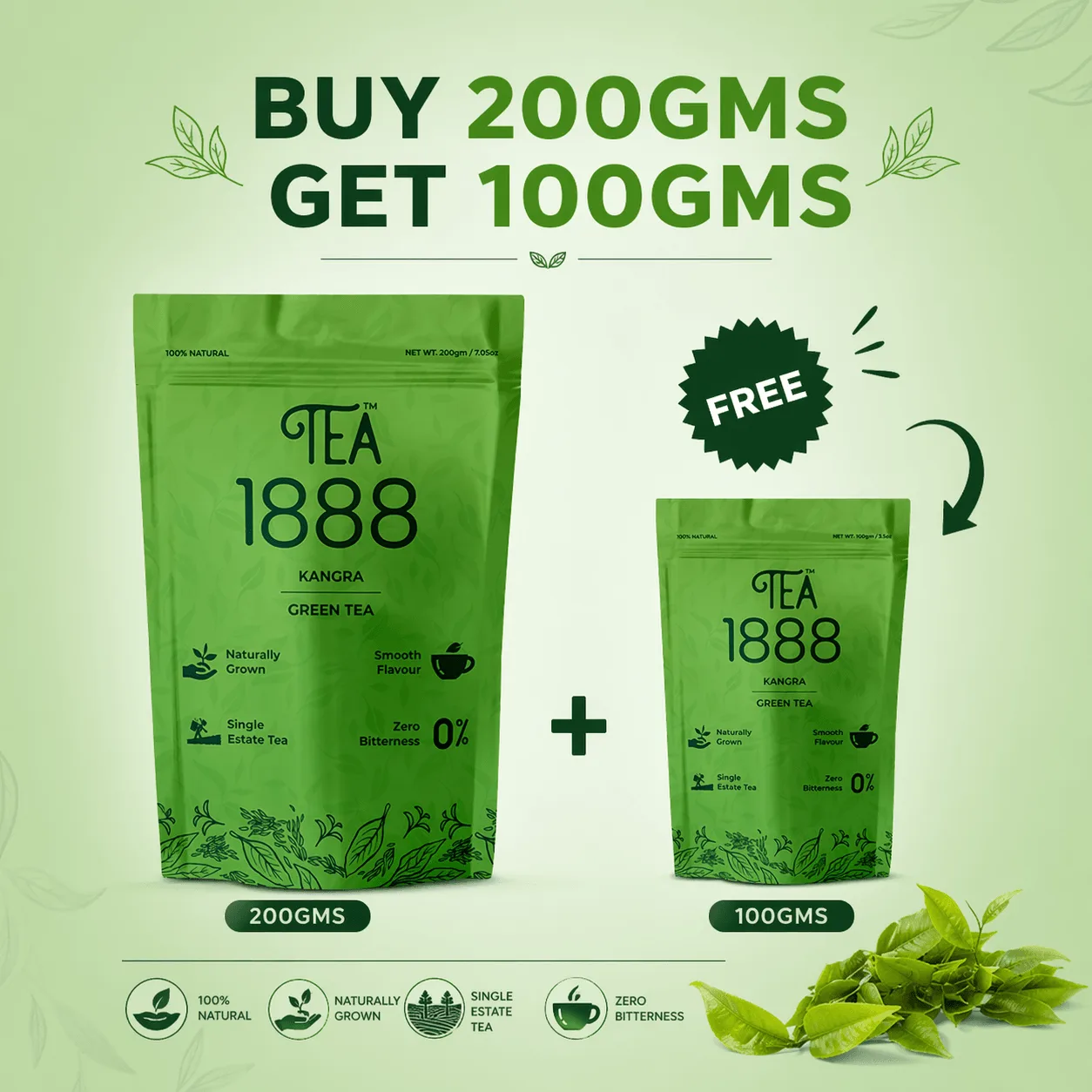
- Kangra Green Tea: Savor the Serenity of the Himalayas with Tea1888’s Kangra Green Tea. Handpicked from the lush, high-altitude gardens of Kangra Valley in Himachal Pradesh, this tea carries a prestigious GI tag and centuries-old tea-making legacy. The GI tag guarantees authentic origin and traditional processing, which directly contributes to the tea’s signature sweet, non-bitter profile.
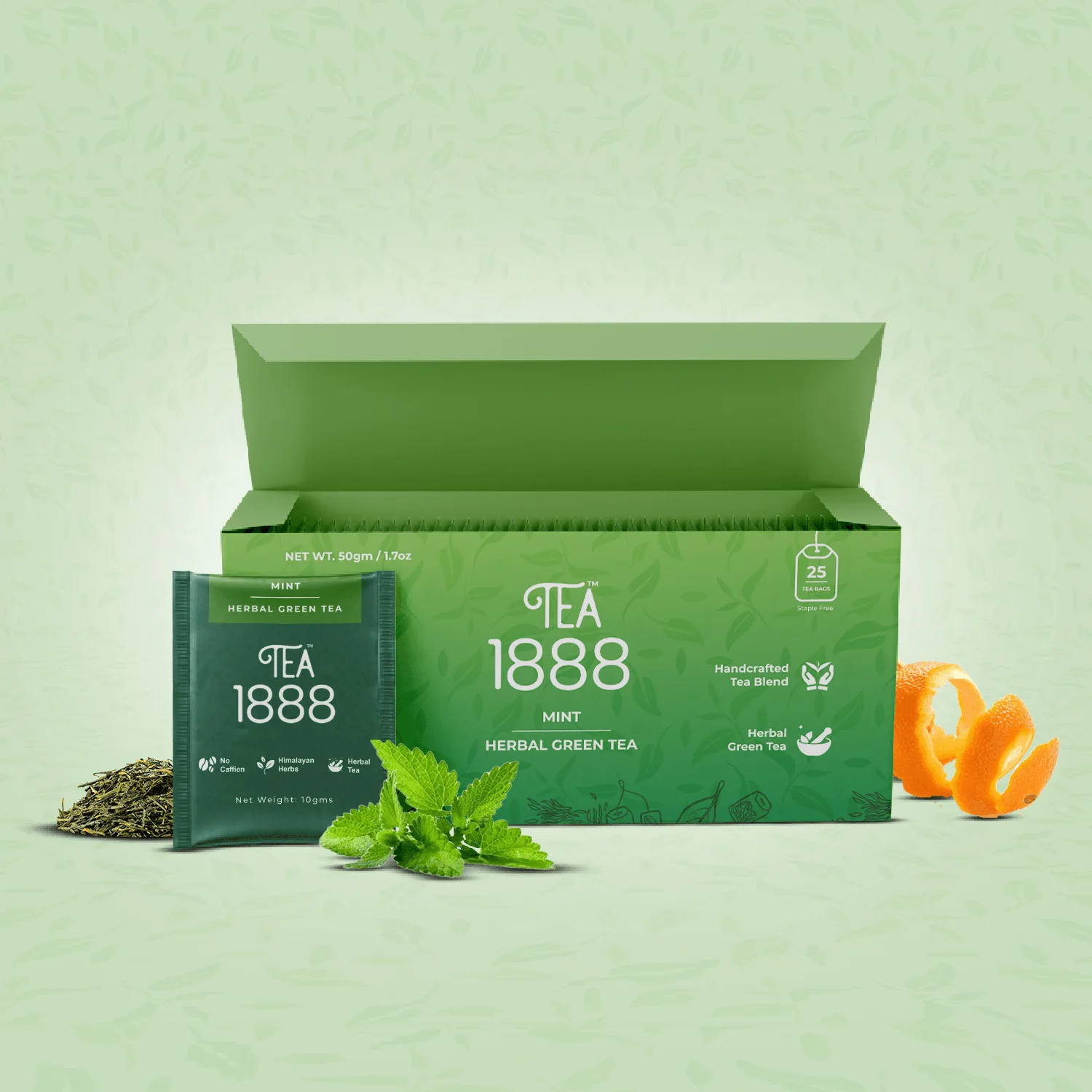
- Mint Green Tea: Tea1888’s Mint Green Tea blends premium green tea leaves with natural mint, peppermint, spearmint, and orange peel for a crisp, uplifting brew. If you find plain green tea too plain or want a refreshing iced option, this fusion adds cooling mint and citrus brightness without extra sugar.
Which Tea Fits You?
Best For
- Drinkers who prefer a mild, sweet green tea without bitterness
- Those new to green tea or sensitive to astringency
- Everyday hydration and multiple cups throughout the day
Not For
- Those who enjoy bold, brisk, or muscatel-forward teas
- Drinkers seeking a complex, evolving flavor profile in a single cup