Quick answer
Choose kashkaval when you need a cheese that melts, grills, or bakes into a golden, stretchy layer—think manakish, grilled sandwiches, or casseroles. Choose labaneh when you want a cool, creamy, tangy spoonable cheese for dipping, spreading, or balancing rich dishes. They are not substitutes; they solve different kitchen problems.
How they differ in taste and texture
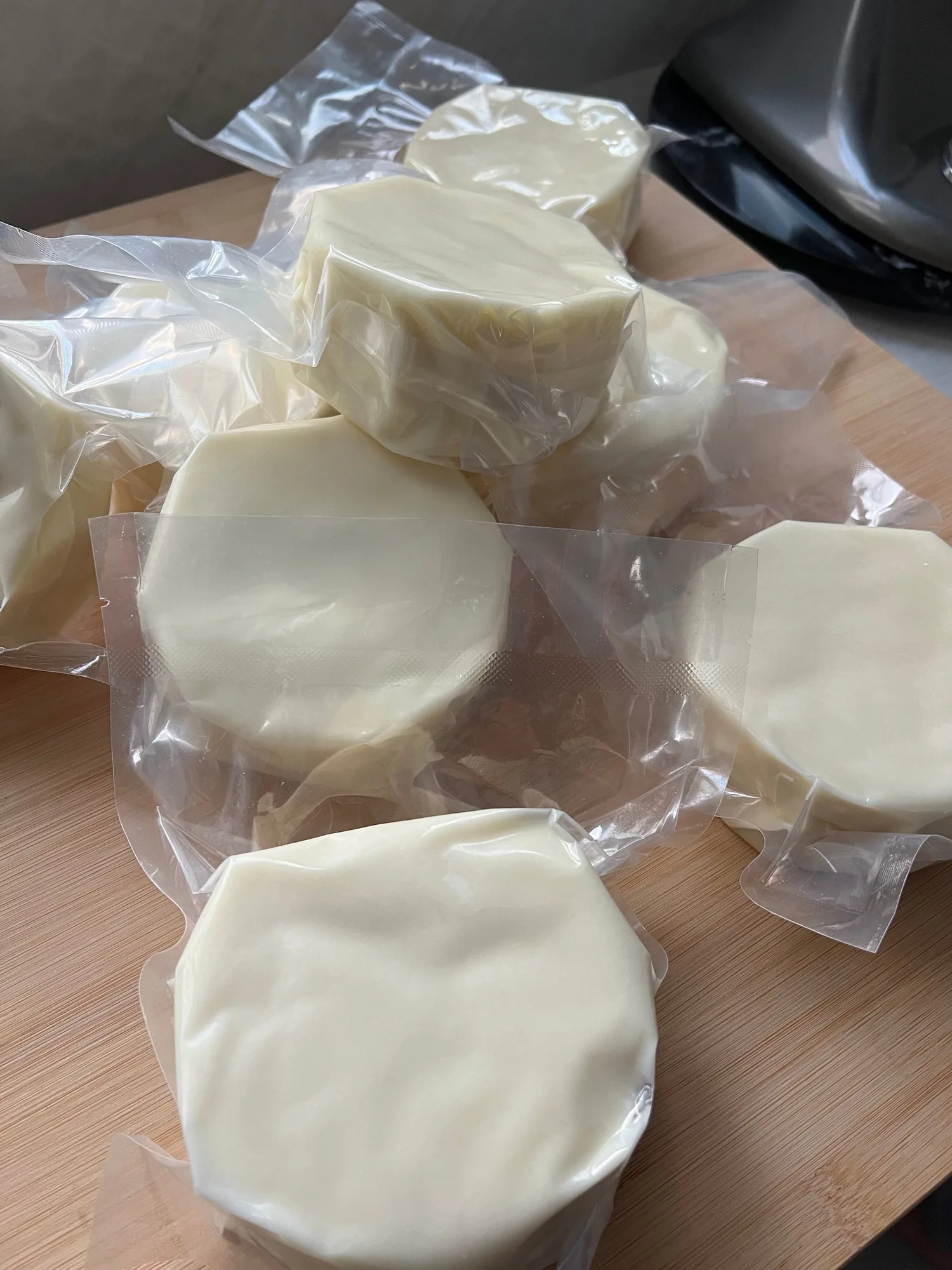
Kashkaval is a firm, sliceable cheese with a mild, slightly salty flavor that becomes nutty and stretchy when heated. It holds its shape when cold, which makes it easy to grate or slice. Labaneh is a strained yogurt cheese—thick, creamy, and boldly tangy. It stays soft and spoonable, so it cools and contrasts rather than melts.
Melting and cooking behavior
Kashkaval is built for heat. It softens without turning greasy, browns nicely under a broiler, and works as a filling or topping. Labaneh is not a melting cheese. Heating it will loosen its texture and may cause separation, so it is best used cold or at room temperature. If you want a warm labaneh dish, stir it into a hot sauce off the heat or use it as a cooling dollop on a hot plate.
Practical ways to use each
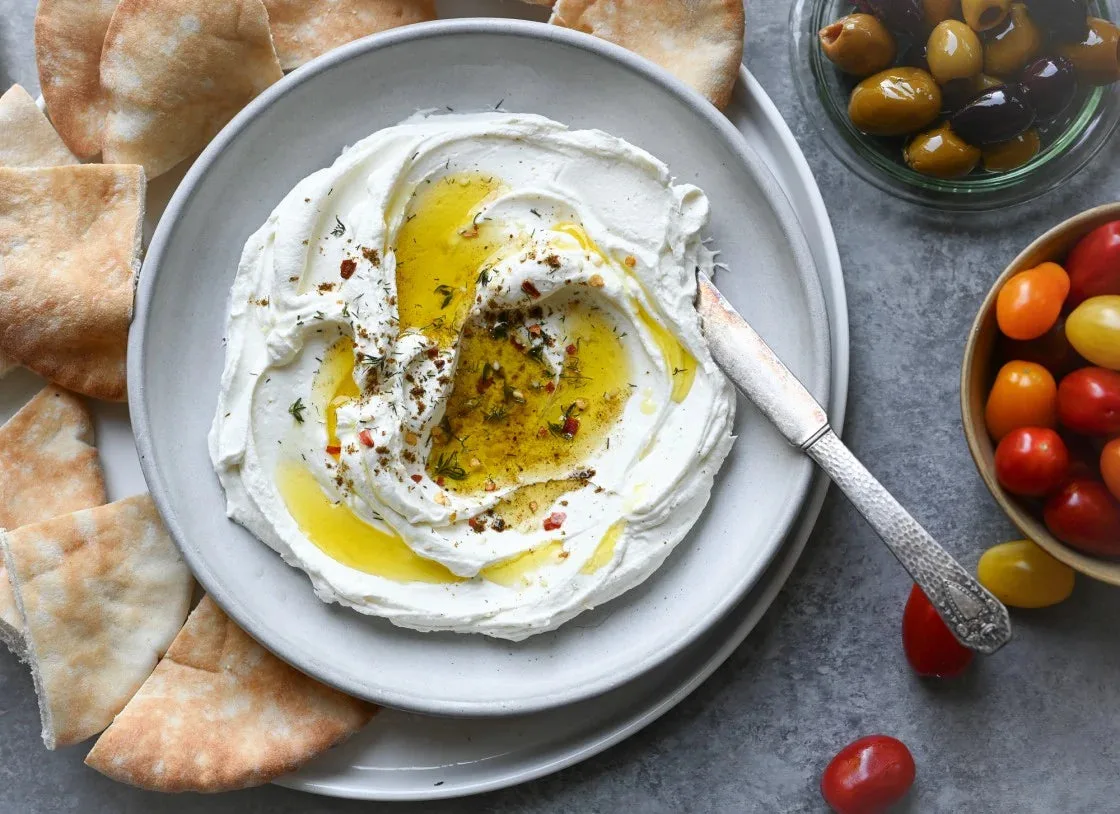
For kashkaval, shred it over flatbread before baking, layer it in grilled cheese, or cube it into a quick skillet dish. For labaneh, spoon it into a shallow bowl, drizzle with olive oil, and scoop with warm pita. It also works as a spread on toast, a dip for vegetables, or a cooling side for spicy grilled meats.
Trade-offs at a glance
- Melting vs. cooling: Kashkaval melts and grills; labaneh stays cool and creamy. Pick kashkaval for hot dishes, labaneh for cold or room-temperature plates.
- Tangy vs. mild: Labaneh brings a bold tang; kashkaval is mild and slightly salty. Use labaneh when you want a flavor contrast; use kashkaval when you want a neutral, savory base.
- Shelf life and storage: Kashkaval keeps longer in the fridge; labaneh is fresher and should be eaten sooner after opening. If you cook in batches, stock kashkaval; if you eat labaneh daily, buy smaller tubs.
Product facts
- Kashkaval Cheese 400g: Kashkaval Cheese 400g from W-qameh, classic taste, conveniently packaged. A 400g block gives you enough to grate over a tray of manakish or slice for several sandwiches.
- Sheep & Goat Labaneh: Sheep & Goat Labaneh made from premium-quality sheep milk, strained for a thick, creamy texture and bold tangy flavor; free from antibiotics, hormones, and preservatives. The strained texture means it will not water out on the table, and the clean ingredient list suits everyday eating.
Which one fits your kitchen?
Best for
- Grilling, baking, or melting into hot dishes like manakish and casseroles
- A firm cheese that slices or grates neatly for sandwiches and platters
- Cooks who want a longer-keeping cheese in the fridge
Not for
- Cold dips and spreads where you want a creamy, tangy spoonable texture
- Diners avoiding sheep or goat dairy
- Recipes that need a neutral, non-tangy cheese