There’s nothing quite like the smell of freshly baked bread, but keeping it soft and delicious for more than a day can be a challenge. Stale, dry, or moldy bread is a common frustration, especially if you bake at home or buy artisan loaves. The secret to extending your bread’s shelf life lies in proper storage—and a well-chosen bread box can make all the difference.
In this guide, we’ll share practical bread box tips to help you keep your bread fresh longer, prevent stale bread, and maintain that just-baked texture. Whether you’re a home baker or a sandwich lover, these simple strategies will transform your bread storage freshness routine.
Why a Bread Box Works Better Than Plastic Bags or the Fridge
Many people reach for a plastic bag or the refrigerator when storing bread, but these methods often backfire. Plastic traps moisture, leading to a soggy crust and faster mold growth. The fridge, on the other hand, accelerates staling due to cold temperatures that cause starch retrogradation—a process that makes bread dry and crumbly.
A bread box creates a balanced microclimate: it allows just enough air circulation to prevent moisture buildup while protecting the loaf from light and temperature fluctuations. This environment slows down the staling process and keeps the crust crisp without drying out the crumb. For best results, store your bread in a cool, dry place away from direct sunlight.
- Avoid storing bread in the refrigerator unless you plan to toast it later—cold temperatures speed up staling.
- If you use a plastic bag, leave it slightly open to allow airflow, but a bread box is still superior for long-term freshness.
Choosing the Right Bread Box for Your Kitchen
Not all bread boxes are created equal. The material, size, and design all affect how well your bread stays fresh. Wooden bread boxes are classic and breathable, while metal or ceramic options offer a tighter seal. For most homes, a medium-sized box that fits a standard loaf plus a few bagels or rolls is ideal.
When selecting a bread box, look for one with a snug-fitting lid or door that still allows minimal airflow. Avoid boxes with rubber seals that trap too much moisture. A simple, well-ventilated design is best for maintaining bread storage freshness. If you also carry bread on the go, consider a portable option like the gingham lunch-bag, which combines style with practical storage for sandwiches or rolls.
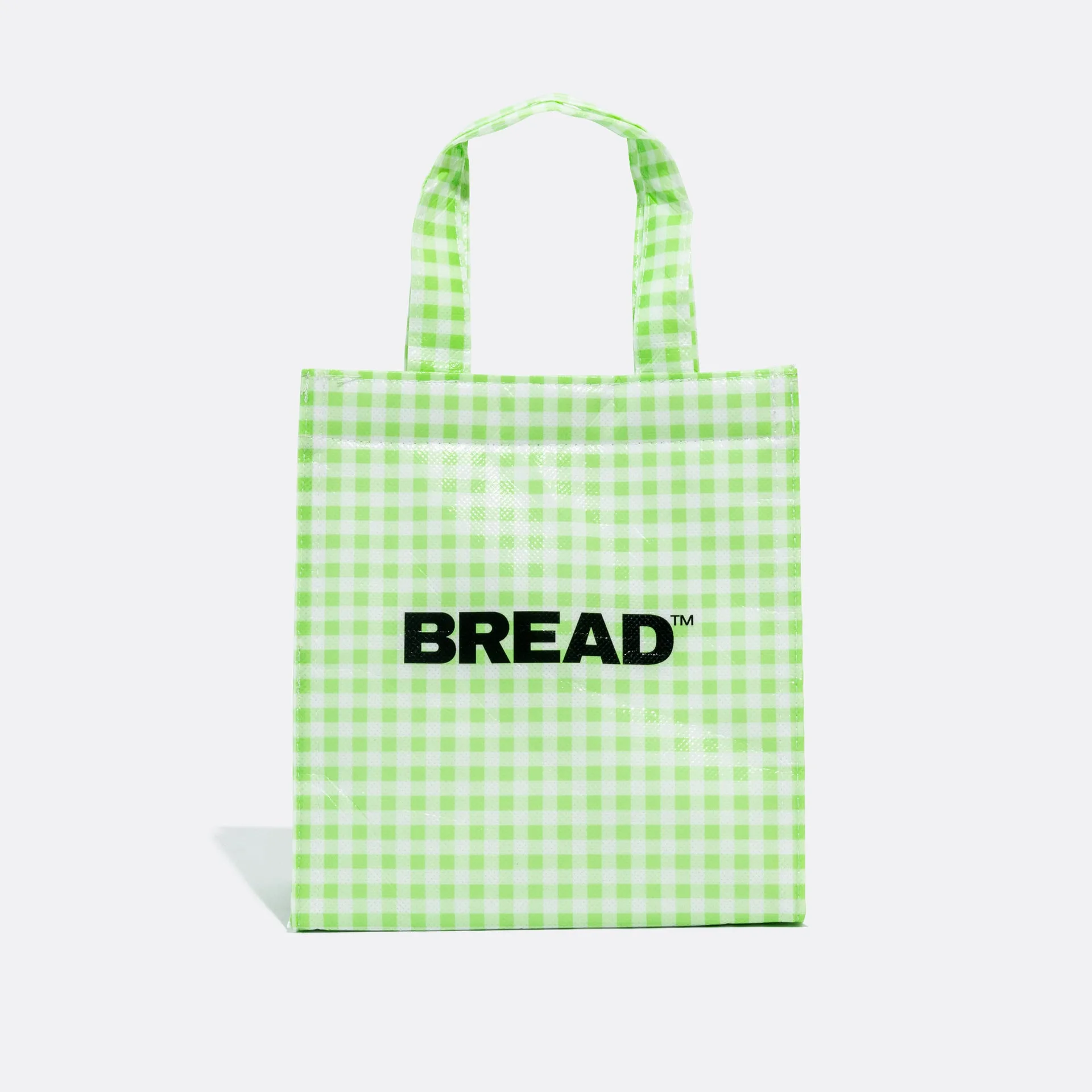
gingham lunch-bag
- Wooden bread boxes are great for crusty artisan loaves because they wick away excess moisture.
- Metal or ceramic boxes work well for soft sandwich bread, keeping it tender without sogginess.
Bread Box Tips to Extend Shelf Life
To truly keep your bread fresh longer, follow these simple practices. First, always let freshly baked bread cool completely before storing—warm bread releases steam that creates condensation inside the box. Second, slice your bread only as needed; cut surfaces dry out faster, so leaving the loaf whole until you’re ready to eat preserves moisture.
Third, clean your bread box regularly. Crumbs and old bread particles can harbor mold spores, which will spoil your next loaf. Wipe the interior with a dry cloth or a mild vinegar solution, and let it air out completely before adding new bread. For added freshness, you can place a small piece of apple or a clean cloth inside the box to regulate humidity—but replace it every day.
- Store different types of bread separately—sourdough and rye have different moisture needs.
- If your bread starts to dry out, sprinkle it lightly with water and warm it in the oven for a few minutes.
How to Revive Stale Bread and Prevent Waste
Even with the best bread box, some loaves may eventually lose their softness. Instead of throwing stale bread away, you can revive it easily. Sprinkle the crust with water, wrap it in foil, and heat it in a 350°F oven for 5–10 minutes. The steam rehydrates the crumb, restoring a fresh texture.
For bread that’s beyond revival, turn it into croutons, breadcrumbs, or French toast. This not only reduces food waste but also gives you delicious new dishes. To prevent staleness in the first place, only buy or bake what you can eat within a few days. If you need longer storage, freeze bread in an airtight bag—then thaw at room temperature when ready.
- Freeze sliced bread for up to three months; toast directly from frozen for a quick breakfast.
- Homemade bread without preservatives stays fresh for about 3–5 days in a bread box.
The Role of Humidity and Temperature in Bread Storage Freshness
Bread storage freshness depends heavily on your kitchen environment. Ideal conditions are a cool, dry spot around 68–72°F (20–22°C) with moderate humidity. High humidity can cause mold, while very dry air speeds up staling. A bread box helps buffer these extremes, but you can also use a hygrometer to monitor your kitchen.
If you live in a humid climate, consider a bread box with a slightly looser fit or one made from bamboo, which naturally resists moisture. For dry climates, a ceramic box with a tight lid may help retain just enough humidity. Experiment with placement—away from the stove, dishwasher, or sunny windows—to find the sweet spot.
- Never store bread near heat sources like ovens or radiators—heat dries out the loaf quickly.
- In very humid weather, check your bread box daily for signs of mold and clean it more often.
Cleaning and Maintaining Your Bread Box for Long-Term Use
A clean bread box is essential for keeping bread fresh. Over time, crumbs and oils can build up, creating an environment for bacteria and mold. Wipe down the interior weekly with a dry brush or vacuum attachment to remove crumbs. For deeper cleaning, use a damp cloth with mild soap, then dry thoroughly.
Avoid harsh chemicals or soaking the box, especially if it’s wooden—water can warp or crack the material. Instead, use a mixture of equal parts white vinegar and water to disinfect naturally. Let the box air out completely before storing bread again. With proper care, your bread box will serve you for years and help you enjoy fresh bread every day.
- For wooden boxes, rub a small amount of mineral oil once a month to keep the wood conditioned.
- If you notice a musty smell, place a bowl of baking soda inside the empty box overnight to absorb odors.
Storing bread properly doesn’t have to be complicated. With the right bread box and a few simple habits, you can keep your bread fresh longer, reduce waste, and enjoy every slice at its best. For a stylish and practical way to carry fresh bread or snacks on the go, explore the gingham lunch-bag—it’s perfect for picnics, lunches, or keeping your favorite loaf protected while you’re out.