Quick answer
Clean enamel pins with a soft, dry cloth and mild soap only when needed, then dry immediately. Store pins in a closed container or on a felt board away from moisture and direct sunlight. Handle pins by the edges to prevent tarnishing and scratches, and treat any rust spot as soon as you see it.
Why enamel pins tarnish and scratch
Most enamel pins are made with a metal base that can tarnish when exposed to air, moisture, and oils from your skin. The colored enamel itself is durable, but the metal edges and backings are vulnerable. Scratches come from rubbing against keys, coins, or other pins, especially when they are stored loose in a drawer or bag. Knowing what causes damage helps you choose the right prevention steps.
Routine care for pins you wear often
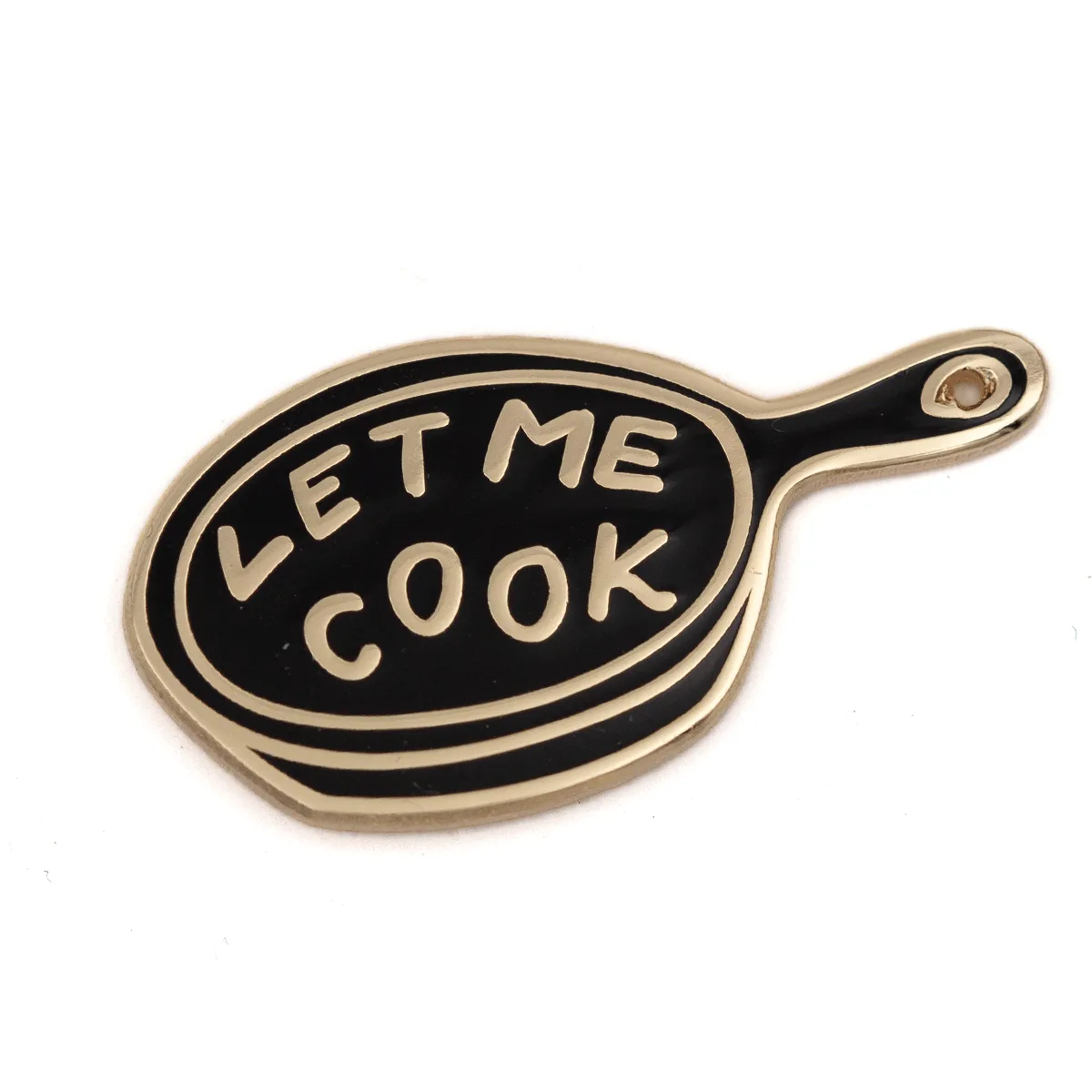
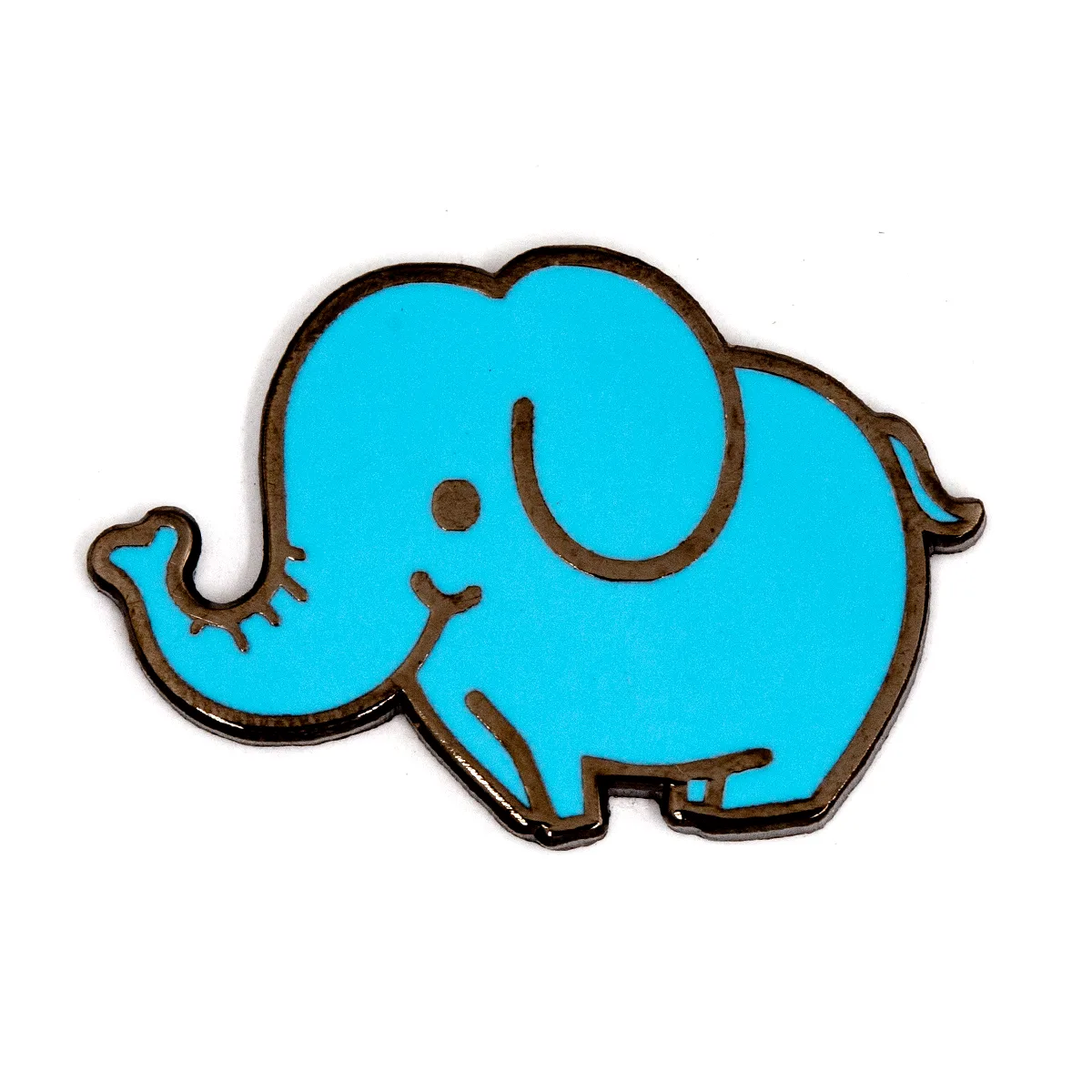
If you wear the same pin daily, it collects skin oils and dust. Wipe it with a soft microfiber cloth after each wear. Once a month, use a cotton swab dipped in mild soapy water, then dry immediately with a dry cloth. Avoid soaking the pin, and never use abrasive cleaners or jewelry polish on enamel. For pins with gold or black nickel finishes, like the Elephant Pin or Let Me Cook Pin, gentle cleaning keeps the metal bright without dulling the enamel.
How to store enamel pins to prevent damage
Storing enamel pins properly is the easiest way to prevent tarnishing and scratches. Use a felt-lined pin board, a shadow box, or a soft fabric roll. If you keep pins in a jar or box, separate them with tissue paper or small cloth bags so metal parts do not rub together. Keep storage in a cool, dry place away from direct sunlight. Humidity is the enemy of metal, so avoid bathrooms, kitchens, and damp basements. For a small collection, a dedicated pin bag with individual slots works well.
Fixing scratches on enamel pins
Light scratches on the metal can sometimes be minimized with a jeweler's cloth, but deep scratches on the enamel itself cannot be repaired at home. Prevention is your best tool: store pins separately, avoid tossing them in a purse or pocket with keys, and use a locking pin back if you wear them on a bag. If a pin does get scratched, consider it part of its character, or retire it to a display board where it won't get worse. The Plants Over People Pin, with its gold-tone finish, shows scratches more easily than darker metals, so keep it on a protected spot like a lanyard or a felt board.
Removing rust from enamel pins
Rust appears as orange or brown spots, usually on the metal backing or edges. If you catch it early, a soft pencil eraser or a cotton swab with a tiny amount of white vinegar can lift light rust. Work gently, then rinse with a damp cloth and dry completely. For heavier rust, a commercial rust remover for metals may work, but test it on a hidden area first because it can damage enamel or plating. After treatment, store the pin in a dry environment to prevent rust from returning.
Step-by-step enamel pin care routine
- 1. Clean gently after wearing: Wipe the pin with a dry microfiber cloth to remove oils and dust. If needed, use a cotton swab with mild soapy water, then dry immediately. Mistake to avoid: never soak the pin or use harsh chemicals.
- 2. Dry completely before storing: Any moisture left on the metal can lead to tarnish or rust. Pat dry with a soft cloth and let it air dry for a few minutes. Checkpoint: the pin should feel completely dry to the touch.
- 3. Store pins separately: Place each pin in its own small pouch, or use a felt board with individual slots. Avoid tossing pins together in a box or bag. Mistake to avoid: letting pins rub against each other causes scratches.
- 4. Control humidity and light: Keep your pin storage in a cool, dry place away from direct sunlight. Consider adding a silica gel packet to closed containers. Checkpoint: humidity is the main cause of tarnishing and rust.
- 5. Treat rust spots early: If you see a rust spot, gently rub it with a pencil eraser or a cotton swab with a tiny amount of white vinegar. Dry thoroughly. Mistake to avoid: using abrasive tools that can scratch the enamel.
Pin care examples from our catalog
- Elephant Pin: Black nickel pin with colored enamel detailing, rubber backing, measures about 1 inch. The black nickel finish hides scratches better than polished gold, but it still needs gentle cleaning to avoid tarnish.
- Let Me Cook Pin: Gold pin with colored enamel detail, rubber backing, measures about 1 inch. Gold plating can tarnish over time, so dry it thoroughly after cleaning and store it away from humidity.
- Plants Over People Pin: Gold-tone pin with colored enamel, rubber backing, measures 1 inch. The gold-tone surface shows scratches more easily, so keep it separated from other pins in storage.