Quick answer
Chill the lunch, not the bag: freeze a water bottle or ice pack, pack it against the main compartment, and fill any empty space so nothing shifts and pops a lid. For leaks, match the container to the food and check the seal before it goes in the bag. A leak-proof bento box only stays leak-proof when the gasket is clean, the lid is fully seated, and the box isn't overfilled.
A warm yogurt at noon or a backpack soaked in applesauce is rarely about bad luck. It's usually a packing sequence problem: the cold source sat too far from the food, the box was filled past its seal, or a snack bag got squeezed until the zipper gave. All three are fixable in a few minutes the night before.
This guide walks through the most common lunch complaints, what actually causes them, and the point where you should stop troubleshooting and switch containers instead.
Symptom: The lunch is warm by noon
If the main compartment is lukewarm but the drink is still cold, the cold source was packed on the wrong side. Cold air sinks and stays close to its source, so an ice pack tossed on top of a sandwich cools the lid, not the food. Put the ice pack or frozen bottle directly against the compartment holding perishables, then pack softer items around it to hold it in place.
The second common cause is empty air. A half-full lunch bag is mostly air, and air warms quickly. Fill gaps with a folded cloth napkin, a snack bag, or a small container so the cold source stays in contact with what needs chilling. If you're using an insulated bag, close it as soon as you finish packing and keep it out of a hot car or a sunny cubby.
- Freeze a water bottle overnight and use it as both the drink and the cold source.
- Pack the cold item against the main compartment, not on top of the bag.
- Fill empty space so nothing slides and the cold stays in contact with food.
- Skip pre-warmed leftovers; cool cooked food in the fridge before it goes in the box.
Symptom: Liquid is leaking inside the lunch bag
Most bento leaks start at the gasket, the soft rim inside the lid. A crumb, a smear of nut butter, or a bit of rice sitting on that rim is enough to break the seal. Wipe the gasket and the rim of the box with a damp cloth each night, and check that the gasket is seated flat before you close the lid. If the gasket is stretched, torn, or missing, no amount of careful packing will fix it.
Overfilling is the other frequent cause. If food touches the underside of the lid, it wicks into the seal and out through the hinge. Leave a small gap at the top, especially with saucy foods like yogurt, applesauce, or soup. For very thin liquids, use a separate small lidded container inside the box rather than trusting the main compartment.
- Wipe the gasket and rim nightly; a single crumb can cause a slow leak.
- Leave headroom so food never presses against the lid.
- Keep thin liquids in their own small lidded container inside the bento.
- Carry the box flat. A tilted bag lets pooled liquid find the hinge.
Symptom: Snack bags split, stain, or smell
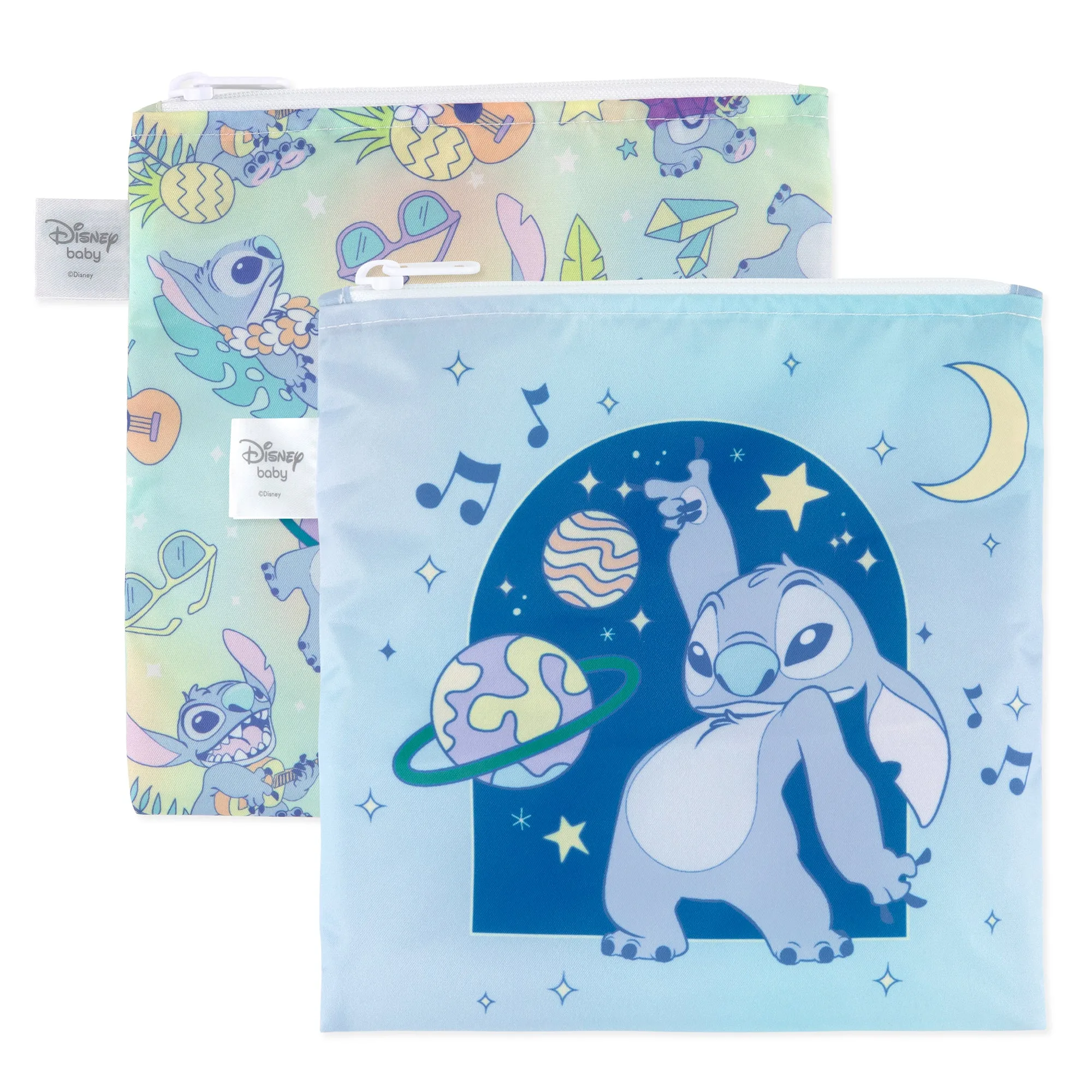
Reusable snack bags for lunches usually fail for one of two reasons: they were washed in a way the fabric doesn't like, or they were asked to hold something they shouldn't. Bumkins reusable snack bags are made from the same easy-wipe waterproof, stain-resistant fabric as the SuperBib, with a smooth zipper closure and single-ply construction so nothing grows between layers. That single-ply design is why they wipe clean fast, but it also means you should avoid leaving them sealed with wet food inside for hours.
Turn them inside out, wipe or wash them, and let them dry fully open before the next use. If a bag still smells after a full dry, it's time to retire it rather than keep packing food in it. For anything greasy or strongly colored, use a bag you're willing to dedicate to that job.
- Empty and open bags as soon as lunch is over.
- Dry completely before sealing; trapped moisture is what causes odor.
- Rotate a few bags so each one gets fully dry between uses.
- Retire any bag that still smells after washing and drying.
Symptom: The whole lunch bag is damp by pickup
If the box itself isn't leaking but the bag is wet, the moisture is coming from condensation or from a wet item packed alongside dry food. A chilled box in a warm bag sweats. Wrapping the box in a thin cloth or packing a small absorbent towel in the bag catches that moisture before it soaks everything else. This is also why you shouldn't pack a still-warm container next to a cold one; the temperature swing creates more condensation.
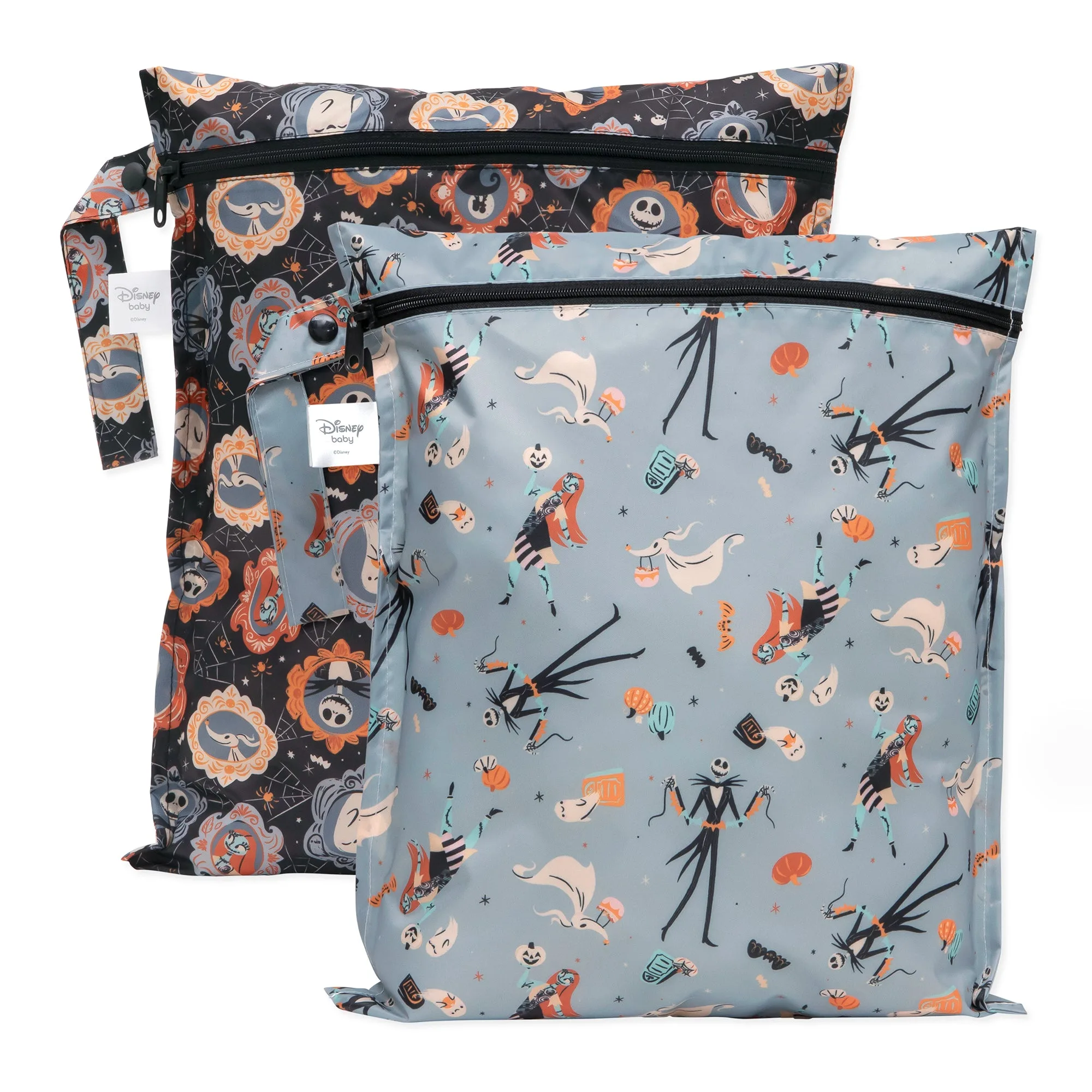
For days when you're sending wet or messy items, a waterproof bag with heat-sealed seams keeps the mess contained instead of spreading through the backpack. That's a different job than a bento box, and treating them as two separate layers is what keeps the rest of the lunch dry.
- Pack a small absorbent towel or cloth next to the box.
- Never pack warm food against cold food in the same bag.
- Use a waterproof bag for wet or soiled items rather than the main lunch bag.
- Dry the inside of the lunch bag overnight with it open.
Lunch problem diagnosis
- Warm main compartment, cold drink: The cold source was packed away from the food. Move the ice pack or frozen bottle against the main compartment and fill empty space so it stays in contact. If the food is still warm after this fix, the lunch sat too long in a hot environment, not a packing problem.
- Liquid pooling at the hinge: Food is touching the lid or the gasket is dirty or damaged. Wipe the gasket, leave headroom, and carry the box flat. If the gasket is torn or missing, stop troubleshooting and replace the lid or the box.
- Bag damp but box dry: Condensation or a wet item is the source. Add an absorbent cloth and separate wet items into a waterproof bag. If the dampness smells sour rather than neutral, the bag itself needs a full wash and dry before reuse.
- Snack bag still smells after washing: Moisture was trapped inside a sealed bag, or the bag was used for a strongly scented or greasy food. Wash, dry fully open, and rotate bags. If the smell persists after a full dry, retire that bag from food use.
Products that solve these problems
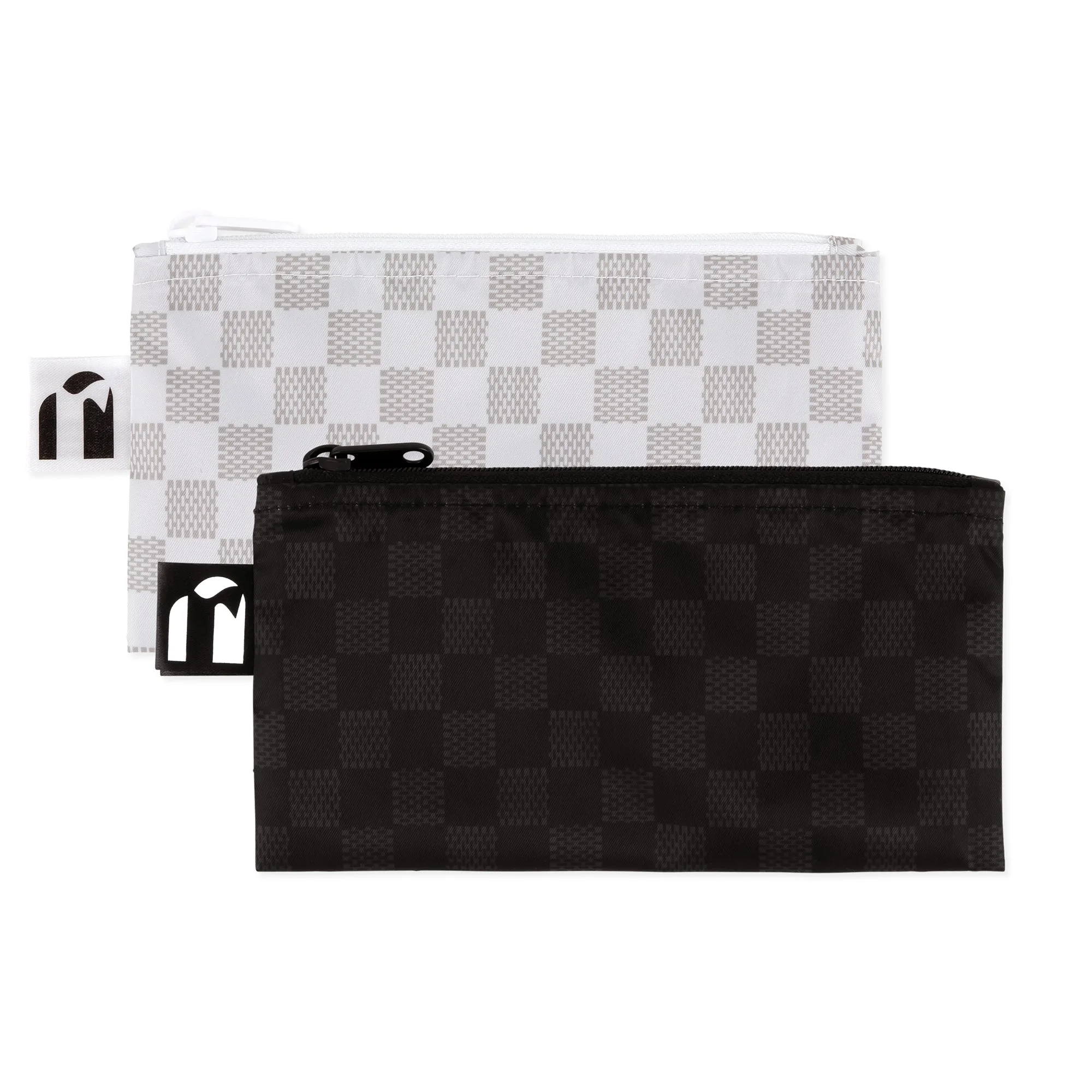
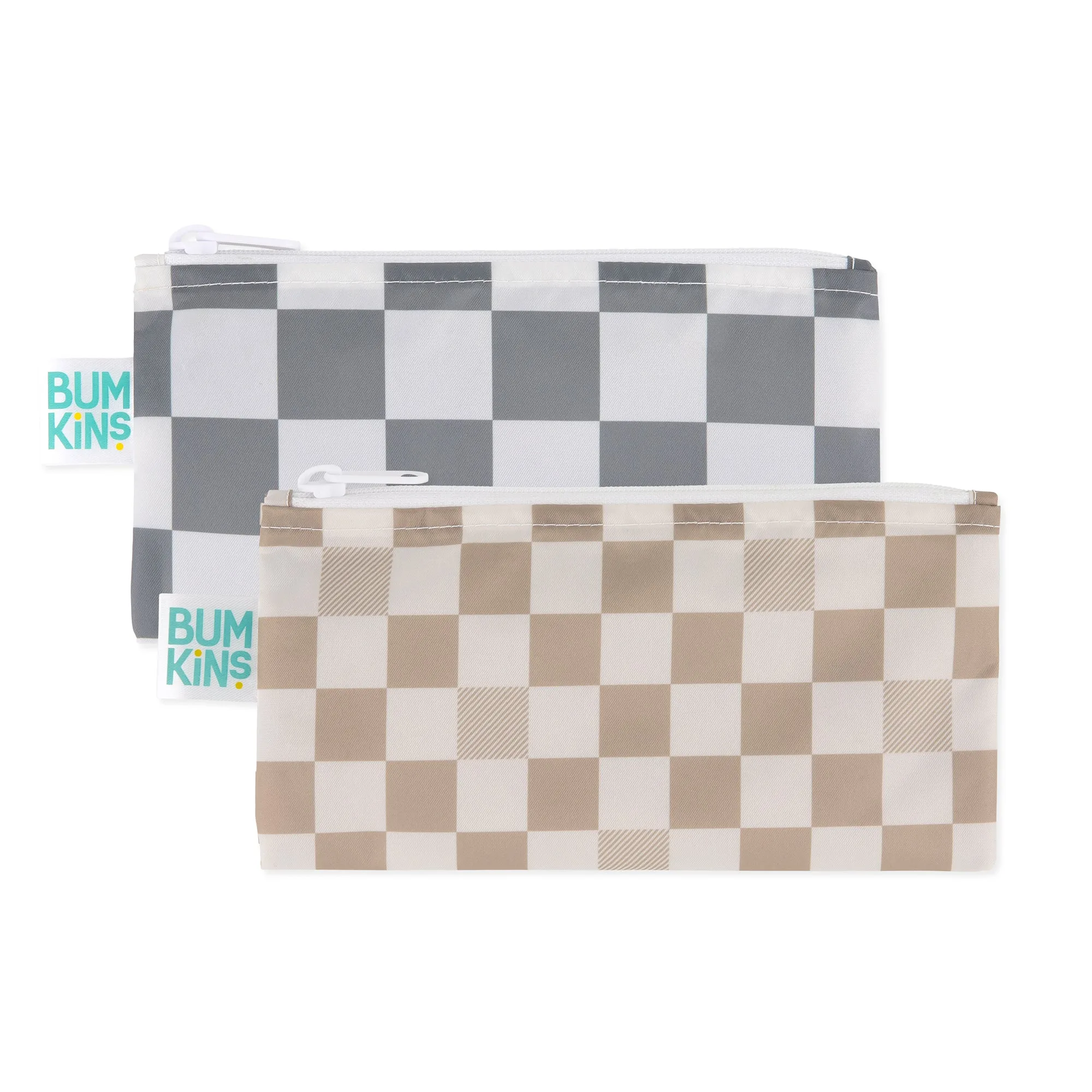
- Reusable Snack Bag, Small 2-Pack: Jungle & Animal Prints: Made from the same easy-wipe waterproof and stain-resistant fabric as the SuperBib, with a smooth zipper closure and single-ply construction. The zipper locks in crumbs and the single layer wipes clean fast, so these work for crackers, grapes, and dry snacks without the soggy-bag problem.
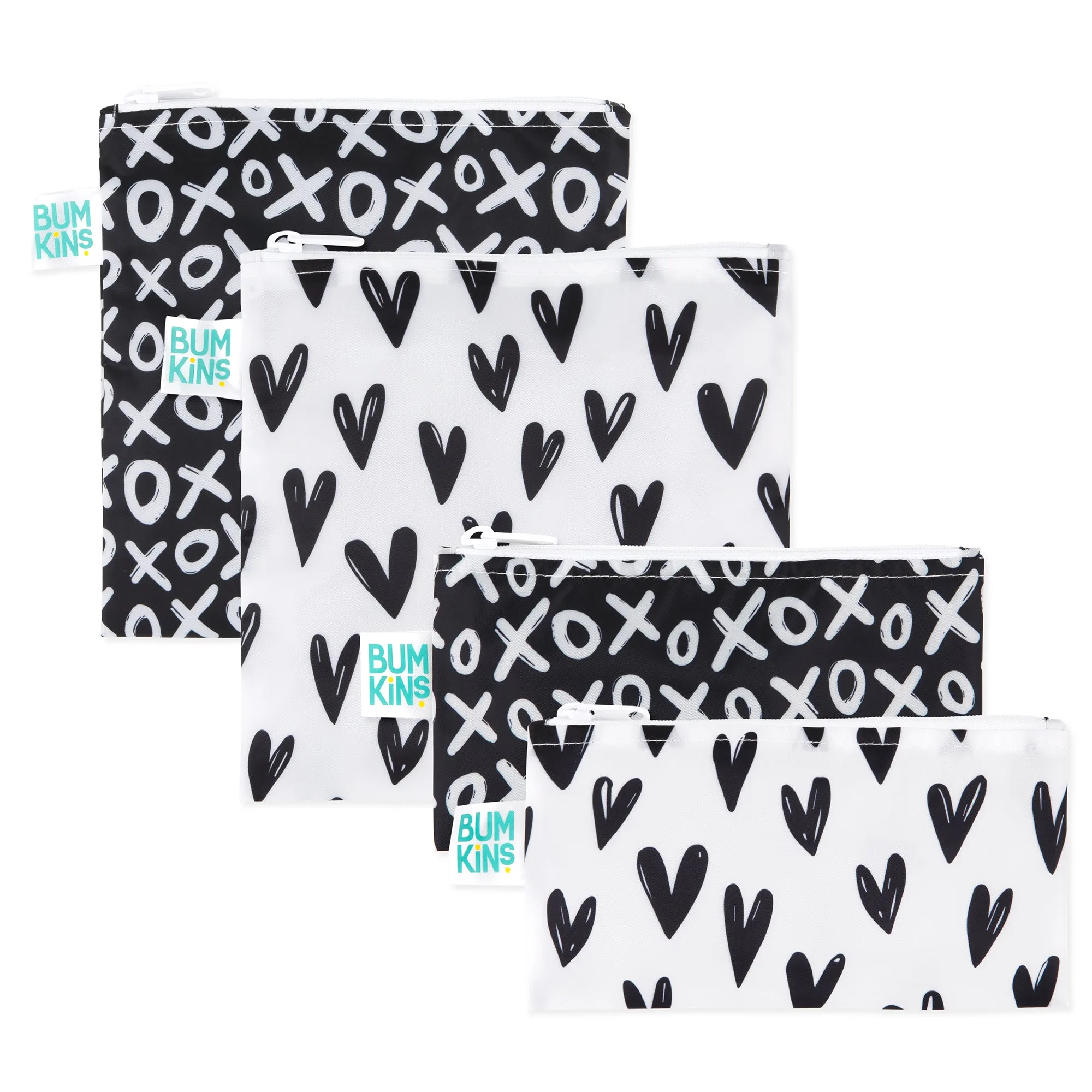
- Reusable Snack Bag 4 Pack: Rich & Boujee: Includes two small and two large bags, all with a smooth zipper closure and the same waterproof, stain-resistant fabric. Two sizes let you separate wet items from dry ones in the same lunch, which is one of the simplest ways to stop a leak from spreading.
- Extra Large Wet Bag: Wander: Made from the same waterproof fabric as the SuperBib, with heat-sealed seams for true waterproof protection and a smooth zipper closure. Heat-sealed seams keep wet or soiled items from soaking through, so a leaky container doesn't take the rest of the backpack down with it.
Cool and leak-free lunches come down to three habits: chill the food directly, leave the seal room to work, and dry everything fully between uses. Fix those and most lunchtime surprises disappear.