Quick Answer
Matte lipstick usually dries lips because the formula lacks oils and the lips underneath are already dehydrated or exfoliated too aggressively. Prep with a thin balm layer blotted down to a stain, apply matte color in one pass rather than building layers, and remove it with oil rather than rubbing. If lips sting, crack, or peel within an hour, the formula is the problem, not your technique—switch to a softer matte or a hydrating finish.
Prep Lips Before Color, Not After
Start with bare lips and remove flaky texture gently. A damp washcloth or a soft toothbrush used with almost no pressure is enough; scrubbing until lips feel raw removes the protective surface and makes any matte formula sting. Follow with a thin layer of balm and give it two to three minutes to sink in, then blot the excess with a tissue so the color has something to grip but not slide.
Avoid applying matte lipstick directly onto a thick, slippery balm layer. The waxes in balm break down matte pigment, so color fades unevenly and you end up reapplying more often—which is what actually dries lips out over a day.
- Exfoliate at night, not right before application, so lips have time to recover.
- Drink water before you apply color; hydrated lips hold matte formulas more comfortably.
- Skip long-wear lip prep products that tingle or plump—they often contain ingredients that irritate already-dry lips.
Apply Matte Color in Fewer, Thinner Layers
Most drying happens when you build matte lipstick to fix patchiness. Instead, apply one thin, even pass from the center of the lip outward, press lips together once, and stop. If you need more coverage, wait thirty seconds and add a second thin layer only where color is missing—not across the whole lip.
A lip brush gives you more control than the bullet and uses less product, which matters with matte formulas because excess product settles into lip lines and feels tight. If you want a softer edge, tap the color in with your fingertip rather than drawing a hard line.
- Blot once with a single ply of tissue after the first layer to remove excess oil and wax.
- Keep the center of your lower lip slightly lighter—it moves more and cracks less.
- Avoid pressing lips together repeatedly; it pushes product into fine lines and emphasizes dryness.
Maintain Comfort Through the Day
If lips feel tight two hours in, don't add more lipstick. Press a tiny amount of balm over the top with your finger, let it sit for a minute, and blot. This refreshes the feel without fully breaking down the color. Reapply matte lipstick only after you've removed the old layer with oil or a cleansing balm—layering fresh matte over dried matte is the fastest route to cracking.
At night, use a thicker balm or lip mask. Matte lipstick is a daytime finish, not a treatment, so the recovery happens while you sleep. If you wear matte color daily, give lips one or two bare days a week.
- Carry a small balm, not a second lipstick, for touch-ups.
- Remove matte lipstick with oil-based cleanser, then wipe—never scrub.
- Avoid flavored balms if you tend to lick your lips; saliva dries them further.
When to Switch Formulas Instead of Fighting the Finish
If your lips crack, bleed at the corners, or feel numb rather than just dry, stop using that matte formula. Some matte lipsticks are simply too drying for daily wear on certain lips, and no amount of prep will fix a formula that pulls moisture out faster than your lips can replace it. In that case, choose a softer matte or a hydrating finish for most days and save the long-wear matte for occasional events.
A soft matte that glides on like a balm and sets to a blurred finish is a middle ground worth trying if you love the look but not the tightness. Look for formulas described as weightless or plush rather than transfer-proof, since transfer-proof usually means more drying ingredients.
- If lips sting within ten minutes, remove the product and switch.
- If you need to reapply more than twice a day, the formula is too drying for your lips.
- If corners of your mouth crack, treat that as a sign to take a break from matte entirely.
Diagnose Your Matte Lipstick Problem
- Symptom: Lips feel tight but look fine: Likely cause is a formula that's slightly too drying or a layer that's too thick. Blot the current layer, press a thin balm over the top, and blot again. Next time, apply one thinner layer. If this happens daily, try a softer matte formula.
- Symptom: Color cracks or settles into lip lines within an hour: Likely cause is applying matte over a slippery balm or building multiple layers. Prep with balm, blot it down to a stain, then apply one thin pass of color. If cracking continues, the formula may be too matte for your lip texture.
- Symptom: Lips sting, peel, or crack at the corners: Likely cause is irritation or a damaged lip barrier, not just dryness. Stop using matte lipstick, switch to a plain balm for several days, and avoid exfoliating until lips feel normal. If it recurs with the same product, choose a different finish or formula.
Product Facts That Matter for Matte Comfort
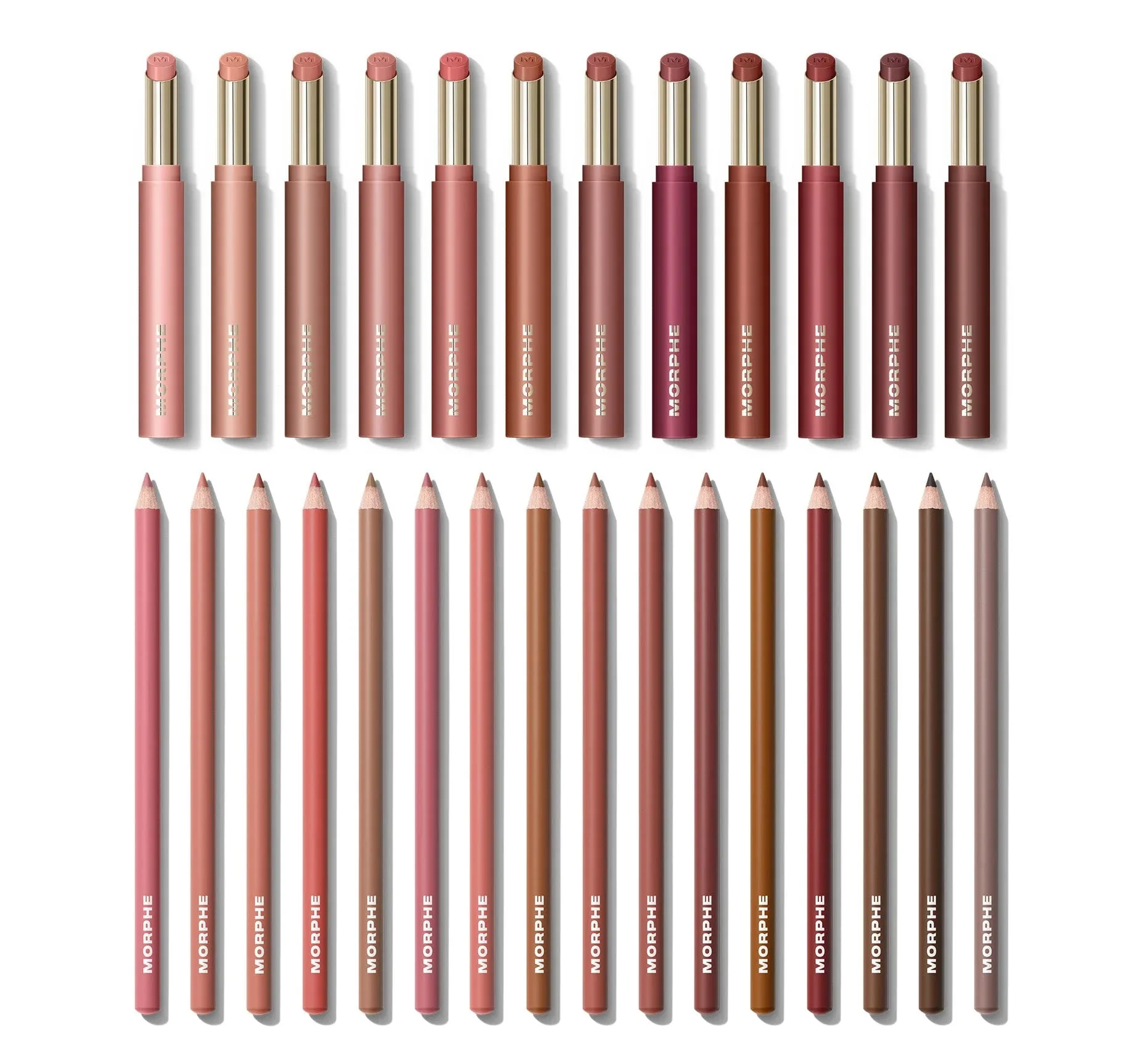
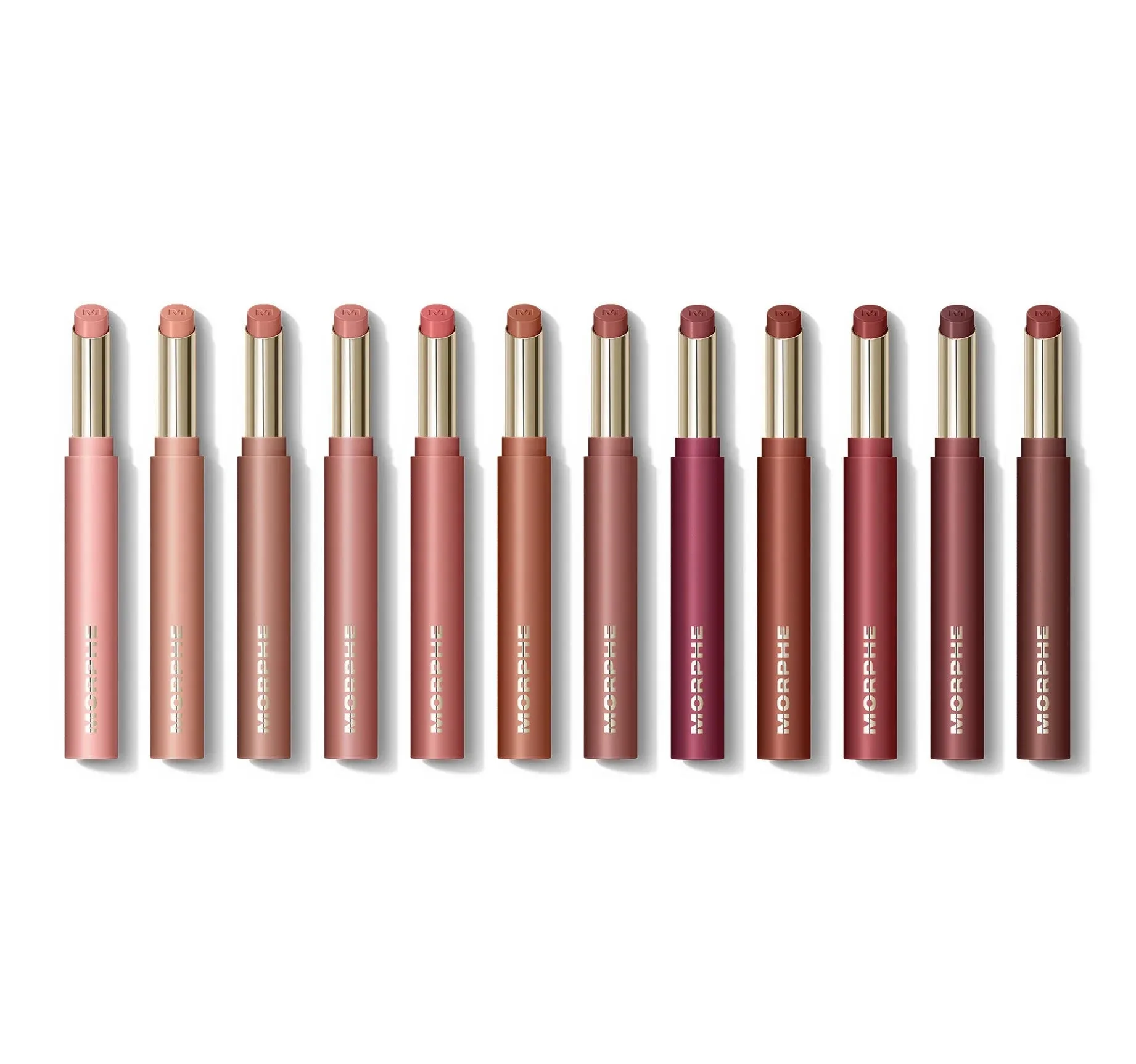
- Lip Filter HydroPlump Soft Matte Lipstick Bundle: Lip Filter HydroPlump Soft Matte Lipstick Bundle includes every shade of Hydroplump Soft Matte Lipstick; each formula glides on like a balm and sets to a smooth, soft-focus finish that feels plush and weightless. A soft matte that feels weightless is less likely to dry lips than a traditional long-wear matte, making it a practical option if you want matte color without the tight feeling.
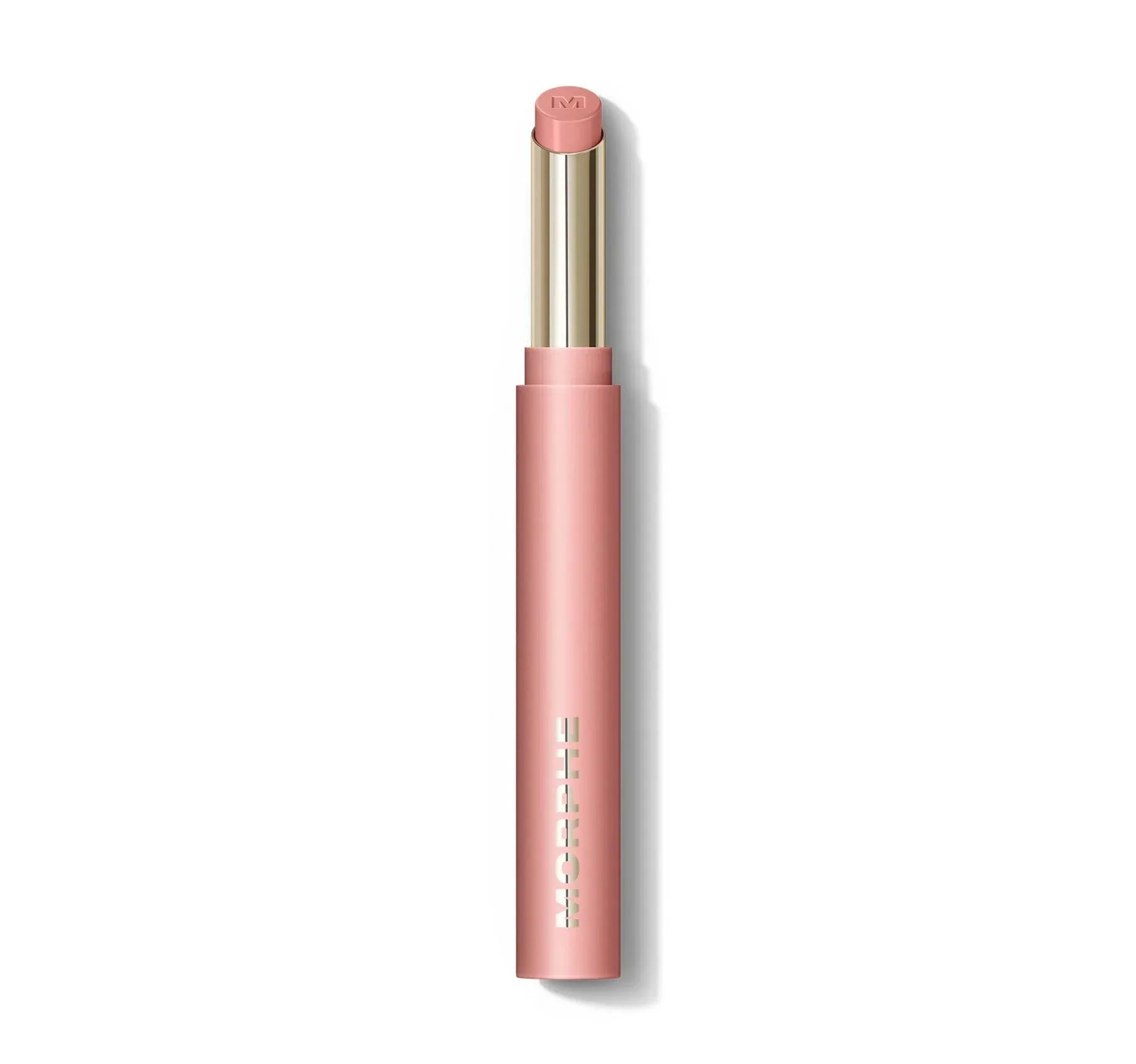
Lip Filter HydroPlump Soft Matte Lipstick
- Continuous Setting Mist: Continuous Setting Mist is infused with vitamin E, vitamin B5, and fruit extracts and sets liquid and powder makeup with a micro-fine, even application. Setting mist is for face makeup, not lips, so don't mist your lips to hydrate them—use a dedicated balm instead. This product is relevant only if you're setting a full look around matte lip color.