Why grip socks need a gentler wash than everyday socks
Non-slip socks earn their keep through the grip pattern on the sole, so the way you wash and dry them matters more than it does for a plain pair. Harsh handling can dull that surface, and heat is the usual culprit. The routine below is built around protecting the grip while still getting the socks clean.
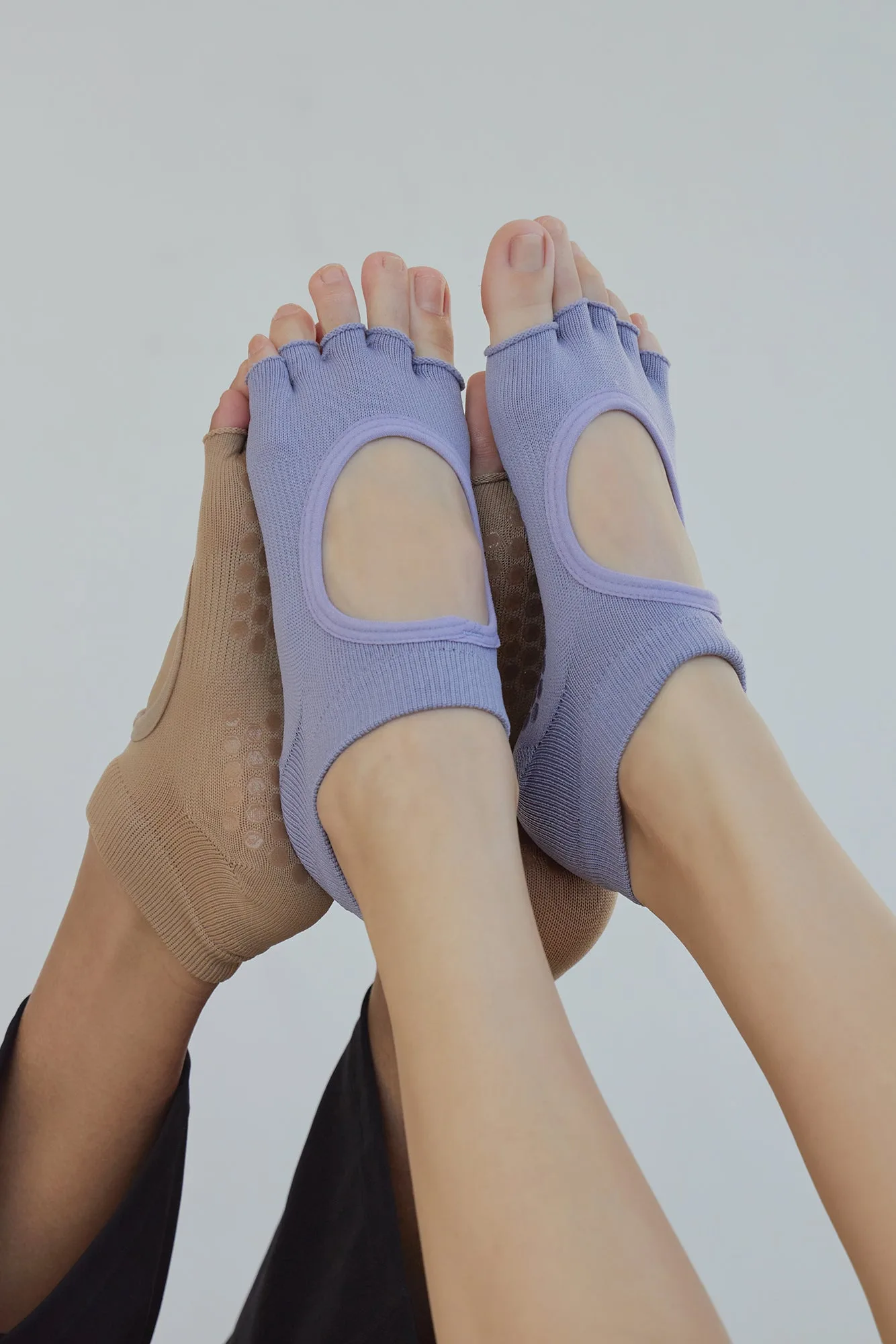
andar Australia Non-Slip Performance Socks are designed for yoga, Pilates, and everyday activewear, so they are likely to be washed often. A consistent, gentle routine is easier to keep up than an occasional deep clean.
A simple wash routine for non-slip performance socks
These steps focus on what you can control at home: water temperature, agitation, and drying. They are general care guidance, not a manufacturer instruction, because the supplied product record does not include a care label.
- Turn them inside out before washing: This puts the grip surface on the inside of the wash load, where it is less exposed to rubbing against zips, hooks, or other garments.
- Use cool or lukewarm water: Hot water is best avoided for grip socks. Cool or lukewarm water is gentler on the sole pattern and on the sock as a whole.
- Choose a mild detergent: A gentle detergent is less likely to leave residue that can make the grip feel slick. Skip fabric softener, which can coat the sole.
- Wash with similar items, not heavy hardware: A mesh laundry bag or a load of soft activewear reduces friction. Avoid washing them with items that have exposed zips or Velcro.
- Skip the dryer: Air-drying is the safest way to protect the grip. If you must use a dryer, use the lowest heat setting, but air-drying is preferable.
Drying without flattening the grip
Lay the socks flat or hang them to dry, grip side up, in a well-ventilated spot. Avoid drying them on a radiator or in direct sun for long periods, as high heat can affect the sole pattern. Make sure they are completely dry before storing them; damp socks stored in a gym bag can develop odour and degrade faster.
If the grip starts to feel less effective after several washes, check the sole for lint, detergent residue, or a build-up of softener. A quick rinse in cool water and a proper air-dry often restores the feel. If the pattern itself looks worn or flattened, that is a sign of normal wear rather than a washing mistake.
What the andar Australia Non-Slip Performance Socks record confirms
-
Non-Slip Performance Socks: Designed for yoga, Pilates, and everyday activewear. Frequent studio use means frequent washing, so a gentle routine is worth establishing early.
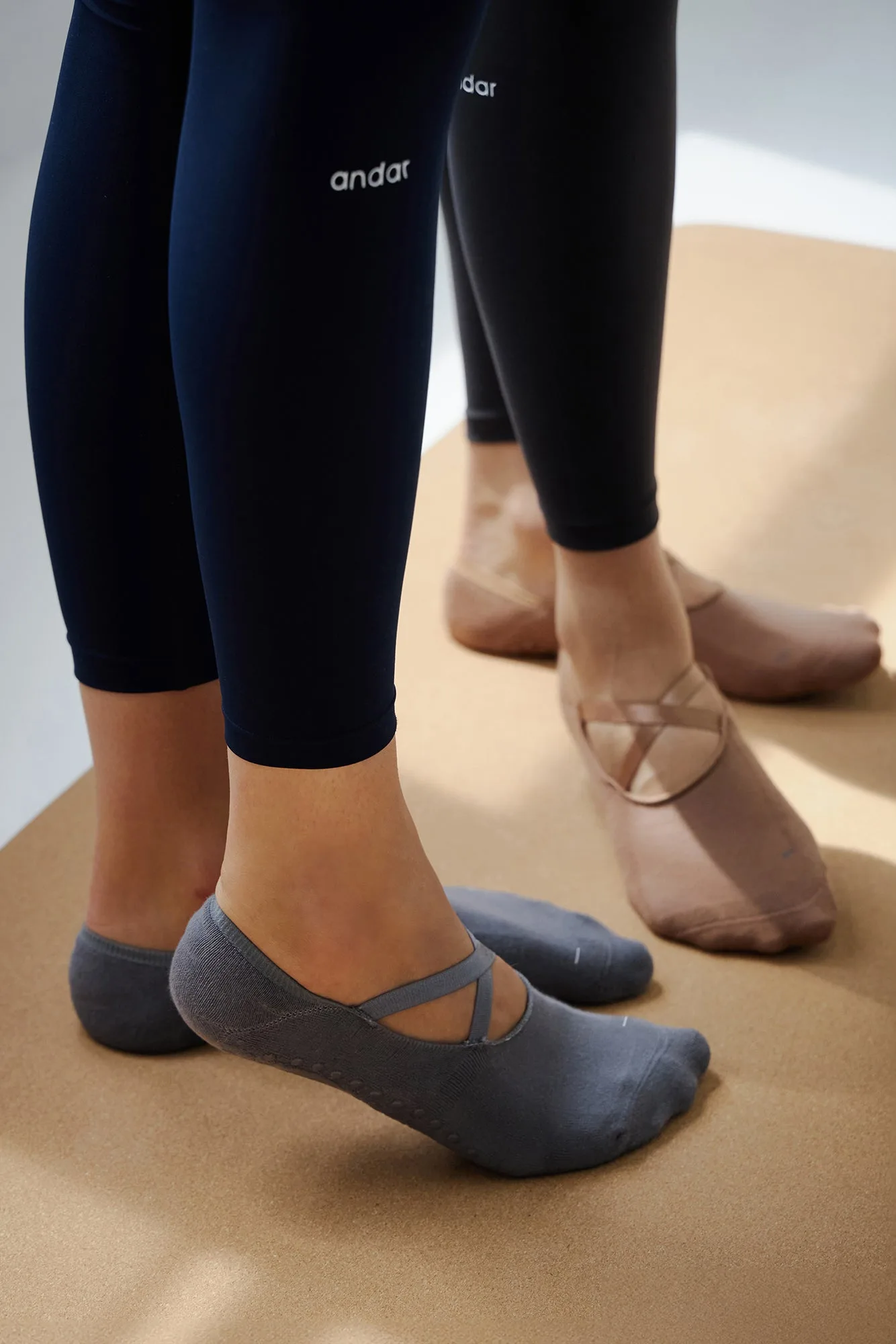
Non-Slip Performance Socks
-
Non-Slip Performance Socks: Non-slip performance design for yoga and Pilates sessions. The grip is the core feature, which is why washing and drying choices should protect the sole.
-
Non-Slip Performance Socks: Available in sizes M and L, and in Black, Maple, Skin Wood, Olive, Navy, Brown, and Grey. If you rotate several pairs, you can wash less often and give each pair time to air-dry fully.
Habits that keep grip socks non-slip between washes
Care is not only about laundry day. A few small habits make the grip last longer and keep the socks feeling secure in class.
- Air them out after every session: Let the socks dry completely before they go back in a drawer or bag. Dampness is harder on the grip than dry storage.
- Keep them away from lotions and oils: Residue from foot cream or oil can make the sole slick. Wash your feet before wearing the socks, and let lotion absorb fully.
- Rotate two or three pairs: With colours like Black, Maple, Olive, and Navy, it is easy to build a small rotation. Fewer washes per pair means less wear on the grip.
- Check the sole before each wear: A quick look for lint, hair, or debris lets you remove it before it affects grip. A lint roller works well on the dry sole.
What the supplied information does not settle
The product record for the Non-Slip Performance Socks does not include a care label, so specific instructions such as a maximum water temperature, whether they are machine washable, or whether tumble drying is permitted are not confirmed by the supplied information. The routine above is general guidance for grip socks, not a manufacturer instruction. If a care label comes with your pair, follow that label first.
Similarly, the record does not state how long the grip is expected to last or how it performs over many washes. Treat any change in grip as a cue to inspect and clean the sole rather than as a defect.