The clock starts when you open the bag
Ground coffee has more surface area exposed to air than whole bean, so the aroma and flavor fade faster once the bag is opened. You do not need special equipment to slow that decline, but you do need a consistent routine. The goal is simple: limit air, moisture, heat, and light between brews.
The product record for Everyday Coffee does not include a roast date, best-by date, or specific shelf-life figure. That means you should treat the bag as fresh from the moment you open it and let your own taste guide you, rather than relying on a printed window that may not be confirmed for your bag.
A simple routine for the open bag
These steps work with the bag the coffee arrives in, no extra containers required.
- Press out excess air before resealing: Fold or roll the top of the bag down toward the coffee, pressing gently to expel air, then seal the closure. Less headspace means less oxygen touching the grounds.
- Store the sealed bag in a cool, dark cupboard: Keep it away from the stove, a sunny windowsill, and any appliance that gives off heat. A closed cabinet is a practical default.
- Skip the refrigerator for daily storage: Frequent temperature swings and moisture from the fridge can work against freshness. If you must freeze a portion, seal it tightly and let it come to room temperature before opening, but the supplied record does not confirm freezing instructions, so treat this as general practice rather than a manufacturer step.
- Measure what you need, then reseal immediately: Open the bag, scoop, and close it again in one motion. Leaving the bag open while you grind or brew lets air in for no benefit.
- Keep the original bag if it has a one-way valve: The supplied product details do not confirm whether this bag includes a valve, so check your bag. If it does, the valve helps release carbon dioxide without letting air in, which is a good reason to store the coffee in its original packaging.
Match the bundle size to your brewing pace
The most effective freshness strategy is to buy only as much ground coffee as you will drink before it starts to taste flat. Everyday Coffee comes as a bundle of 1, 2, or 4 bags, with 5% off two bags and 10% off four. The discount is real, but it only saves money if the extra bags stay sealed until you need them.
A single bag suits a household that brews one or two cups a day. Two bags make sense if you brew daily and want a backup without committing to a long supply. Four bags are best for heavy coffee drinkers or a shared office kitchen where the bag empties quickly. If you are unsure, start with one bag and note how long it lasts; that gives you a real number for your next order.
What the Everyday Coffee record confirms
-
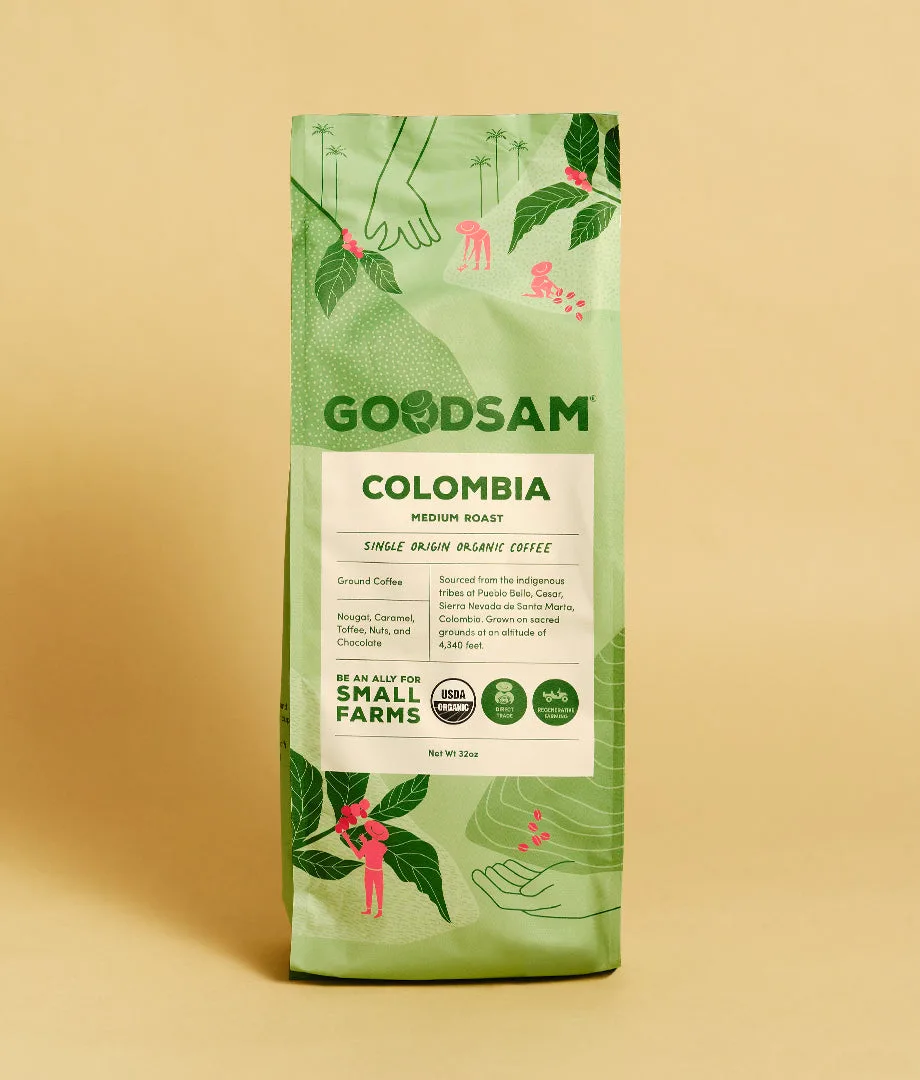
Everyday Coffee, Ground, Medium Roast, Value Size – Bundle (1, 2, or 4-Pack): Everyday Coffee is a ground, medium roast coffee sourced from over 500 smallholder farmers in the Sierra Nevada de Colombia, grown using organic, regenerative practices. The ground format is why air exposure matters more than it would for whole bean, and the medium roast profile is what you are trying to preserve between brews.
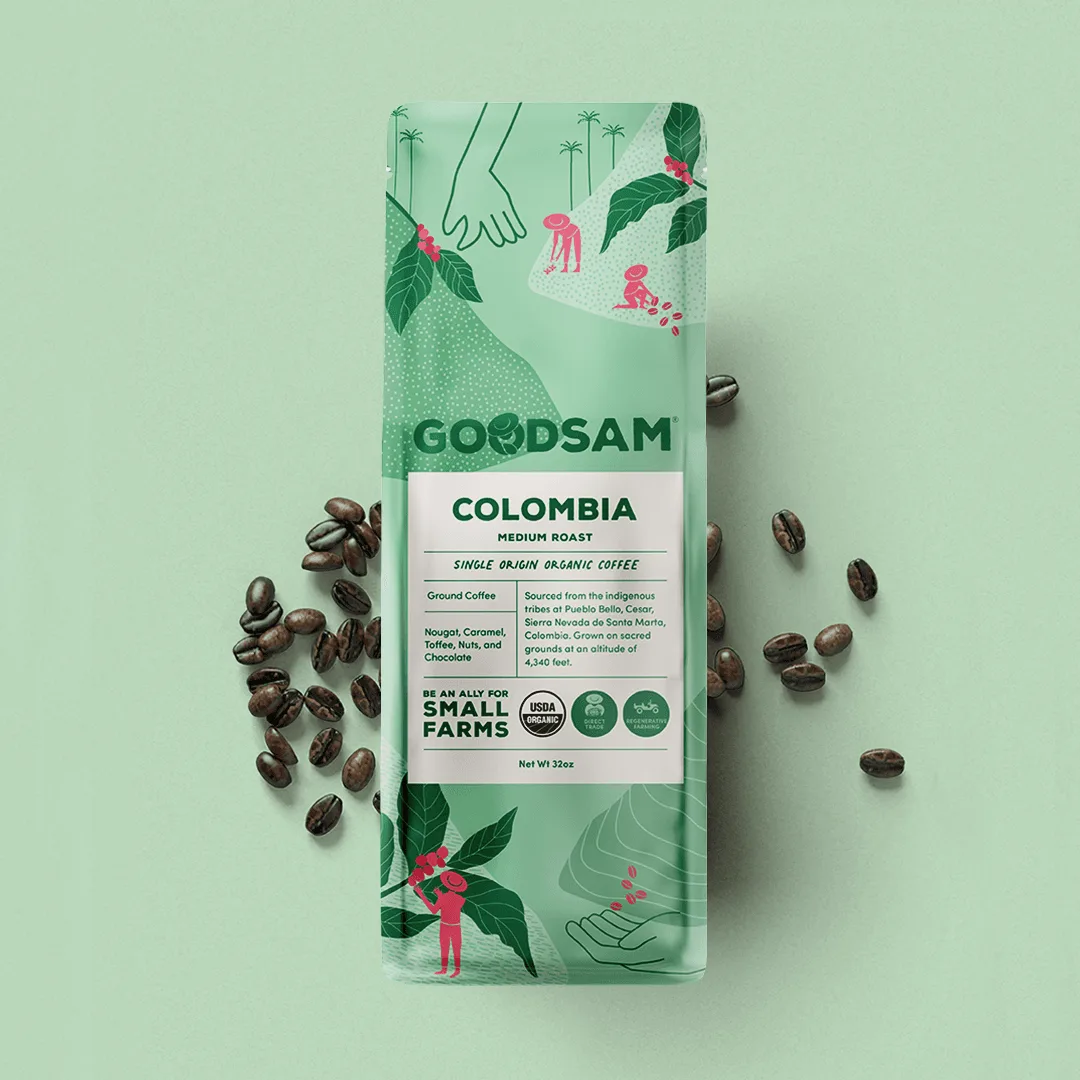
Everyday Coffee, Ground, Medium Roast, Value Size – Bundle (1, 2, or 4-Pack)
-
Everyday Coffee, Ground, Medium Roast, Value Size – Bundle (1, 2, or 4-Pack): The coffee is available as a bundle of 1, 2, or 4 bags, with 5% off two bags and 10% off four. Bundle size is your main lever for freshness: buy the quantity you can finish while the coffee still tastes good to you.
Checkpoints that tell you the routine is working
Use your senses rather than a calendar, since the record does not supply a shelf-life figure.
- Aroma when you open the bag: The coffee should smell sweet and roasted, not dusty or flat. A noticeable drop in aroma is your cue to finish the bag soon.
- Taste in the cup: If the brew tastes muted or papery compared with your first cup from the bag, freshness has declined. Adjust by buying a smaller bundle next time.
- Bag condition: Check that the seal still closes fully and the bag is not damp or stored near a heat source. A compromised seal undoes the rest of the routine.
What to do when the bag is nearly empty
Plan your next order before the current bag runs out, so you are not tempted to leave the last portion open on the counter. If you are switching bundle sizes, use the last few brews to judge whether the coffee still tasted fresh at the end of the bag. That answer, not a generic rule, tells you whether to size up or down.
The supplied record does not include storage instructions from the manufacturer, so the routine above is practical guidance rather than a confirmed label direction. If your bag carries specific storage wording, follow that first.