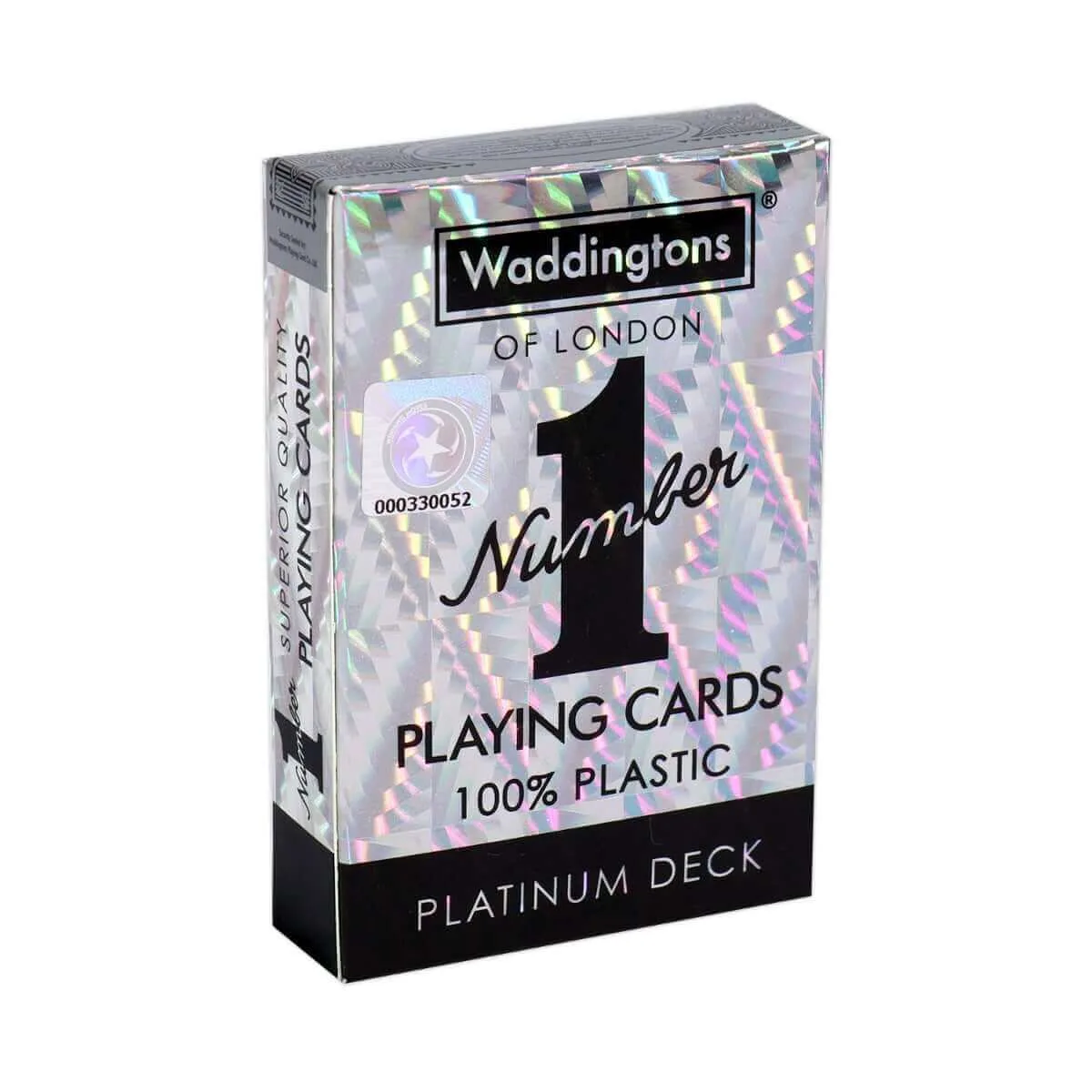
Why white decks show every smudge
White playing cards look sharp out of the box, but they also reveal fingerprints, dust, and the natural oils from your hands faster than darker decks. The goal isn't to baby the deck—it's to build a few habits that keep the faces and edges clean through regular play. The routine below focuses on prevention first, then gentle cleaning when marks appear.
One example of a white-backed deck is the PEAU DOUX, DECO BACK PLAYING CARDS. Its deco-style back and light background make it a good candidate for a consistent care routine, especially if you plan to use it often.
A simple pre-play routine to prevent dirty playing cards
These steps take less than a minute and make the biggest difference for white deck maintenance.
- Wash and dry your hands: Use soap and water, then dry completely. Residual moisture and lotion transfer to card surfaces more easily than dry skin.
- Skip lotions and oils before play: Hand creams, sunscreen, and cooking oils leave marks that are hard to remove from white cards. Apply them after your session, not before.
- Play on a clean, dry surface: A tablecloth or playmat reduces grit and spills. Avoid playing directly on rough or sticky surfaces that can scuff edges.
- Keep food and drinks away: Even a small spill can warp cards and stain white stock. Set drinks on a side table and use coasters.
Handling habits that keep playing cards clean
Small changes in how you handle the deck reduce wear and grime between cleanings.
- Avoid bending and riffling aggressively: White cards show creases and edge wear more than darker decks. Shuffle gently or use a table riffle to limit stress on the corners.
- Don't leave the deck out between games: Dust settles quickly. Return cards to the tuck case when you take a break.
- Rotate decks if you play often: Giving a white deck rest days reduces oil buildup and lets you clean it before marks set in.
How to clean white playing cards when marks appear
For light smudges, start dry: a clean, lint-free microfiber cloth wiped gently across the faces and backs removes surface dust and fingerprints without adding moisture. For sticky residue, dampen a corner of the cloth with plain water—not soaking—and wipe one card at a time, then let it air-dry completely before returning it to the deck. Avoid alcohol, acetone, or household cleaners; they can lift ink or warp the stock. If a mark doesn't come off with a dry or barely damp cloth, stop rather than scrub, since abrasion damages the surface.
Note that the supplied product information for the PEAU DOUX deck does not include specific cleaning instructions or material details, so treat these as general care tips rather than manufacturer directions. When in doubt, test any cleaning method on a single card you can set aside.
Storage that supports white deck maintenance
Proper storage prevents dust, moisture, and accidental damage between sessions.
- Use the original tuck case: The PEAU DOUX, DECO BACK PLAYING CARDS comes in a standard edition tuck case. Returning cards to it after play keeps dust off the white surfaces.
- Store away from heat and sunlight: Prolonged sun exposure can fade inks and warp cards. A drawer or closed box in a cool room works well.
- Keep a desiccant pack nearby in humid climates: Moisture is the enemy of card stock. A small silica gel packet in your storage box helps, but keep it out of direct contact with the cards.
A white deck worth the care routine
-
PEAU DOUX, DECO BACK PLAYING CARDS: PEAU DOUX, DECO BACK PLAYING CARDS is a rare Peau Doux design with a distinctive deco-style back, discovered in Cardini's private collection. The light-colored back and collectible story make this deck a candidate for careful handling and regular cleaning if you plan to use it.
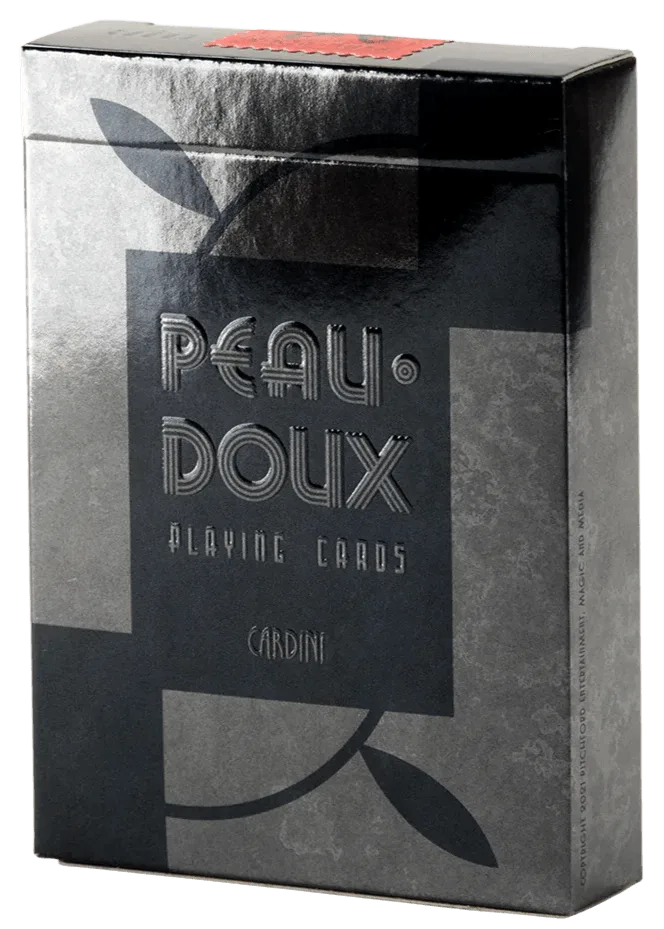
PEAU DOUX, DECO BACK PLAYING CARDS
-
PEAU DOUX, DECO BACK PLAYING CARDS: Available in a standard edition from Paperdecks. A standard edition is practical for regular play, so a prevention routine helps preserve its appearance over time.
When to retire a white deck from regular play
Even with good habits, white cards eventually show edge darkening, bent corners, or persistent stains. If the deck starts to feel sticky or fails to fan smoothly, it's a sign that oils and dirt have built up beyond what gentle cleaning can fix. At that point, move the deck to a display shelf or a dedicated practice set, and start fresh with a new deck for games where appearance matters. The PEAU DOUX deck's collectible background makes it a reasonable candidate for lighter use once it shows wear.