Quick answer
Clean your incense burner after every few uses, not just when residue is visible. Let it cool completely, remove loose ash with a dry soft brush, then wash with warm water and a drop of mild dish soap. For stubborn resin, apply a baking soda paste for five minutes before rinsing. Never scrub pewter or brass with abrasive pads, and never leave a burner soaking in water.
Why resin and ash damage burners over time
Incense leaves behind two kinds of residue: soft ash that brushes away easily and sticky resin that hardens as it cools. Resin is the bigger problem. On a brass incense burner, dried resin traps moisture against the metal and dulls the finish. On a charcoal incense burner, resin can clog the air gaps or the bed that holds the charcoal, making the next lighting uneven. Ash alone is mostly harmless, but when it mixes with resin it forms a crust that holds heat longer than the burner was designed to handle. The fix is frequency: a 30-second brush-down after each session prevents the 20-minute deep clean later.
Match your cleaning method to the burner material
Not every burner tolerates the same routine. Brass and pewter are soft metals that scratch easily, so they need a non-abrasive cloth and mild soap. Ceramic and soapstone can handle a slightly firmer brush but may crack if moved from hot to cold water too quickly. Wooden burners should never be soaked; wipe them with a barely damp cloth and dry immediately. If your burner has a felt or cork base, keep that area dry no matter what the top is made of. When a product listing does not state the metal or finish, treat it as delicate until you confirm otherwise.
Safety habits that matter more than cleaning
Most incense burner accidents happen because of placement, not residue. Set the burner on a heat-safe surface such as stone, ceramic tile, or a metal tray, never directly on a wood table, cloth runner, or shelf with a paper liner. Keep it at least a foot away from curtains, dried flowers, and books. Never leave a lit charcoal disc or stick unattended, and keep a small dish of water nearby for emergencies. If you use a charcoal incense burner, wait until the disc is fully gray before adding resin, and never add resin to a flame. Children and pets should not be able to reach the burner even after the visible flame is out, because charcoal stays hot for several minutes.
A simple weekly and monthly routine
Weekly: empty the ash tray, brush the interior with a dry soft brush, and wipe the exterior with a dry microfiber cloth. Monthly: wash removable parts in warm water with a drop of mild dish soap, rinse thoroughly, and dry immediately with a towel. For brass, a tiny amount of lemon juice and salt can brighten tarnish, but rinse it off within a minute because acid etches soft metal. For pewter, skip acidic cleaners entirely and use only soap and water. If you notice a white powdery film on brass, that is likely verdigris from trapped moisture; clean it promptly and store the burner in a dry place.
Step-by-step incense burner cleaning
- Let the burner cool completely: Wait at least 20 minutes after the last ember goes out before touching the burner. Warm metal can warp or crack if it hits cool water, and residual heat can burn your hands. Checkpoint: the burner should feel room temperature on the outside, not just the top.
- Remove loose ash with a dry soft brush: Tip the ash into a trash can, not a sink, because ash plus water makes a paste that is harder to remove. Use a dry soft-bristle brush or a dry microfiber cloth to sweep the interior and the ash tray. Common mistake: rinsing ash down the drain first, which clogs pipes and spreads residue.
- Treat resin buildup with a baking soda paste: Mix two parts baking soda with one part water to form a paste. Apply it to resin spots and let it sit for five minutes. Do not scrub hard; let the paste do the work. Checkpoint: resin should lift with light pressure after five minutes. If not, add one more minute rather than scrubbing harder.
- Wash with warm water and mild dish soap: Use a drop of mild dish soap and warm, not hot, water. Wash removable parts only. For non-removable burners, wipe the interior with a damp cloth instead of submerging the whole piece. Common mistake: soaking brass or pewter overnight, which dulls the finish and can loosen glued joints.
- Rinse and dry immediately: Rinse with warm water and dry the burner right away with a soft towel. Air-drying leaves water spots and, on brass, can start a new round of tarnish. Checkpoint: no visible moisture in crevices before you put the burner away.
- Store dry and reassemble only when fully clean: Keep the burner in a dry cabinet or on a stable shelf. If it has a felt base, make sure that area is completely dry before setting it down on wood. Next step: mark a monthly deep-clean reminder so resin never gets a second chance to harden.
Products that fit this care routine
- Pewter Holy Face of Jesus - Divino Rostro De Jesús: Pewter Holy Face of Jesus - Divino Rostro De Jesús is crafted from high-quality pewter and measures 5 by 5.5 inches. Pewter is a soft metal, so use only mild soap and a soft cloth; abrasive pads or acidic cleaners will scratch the finish.
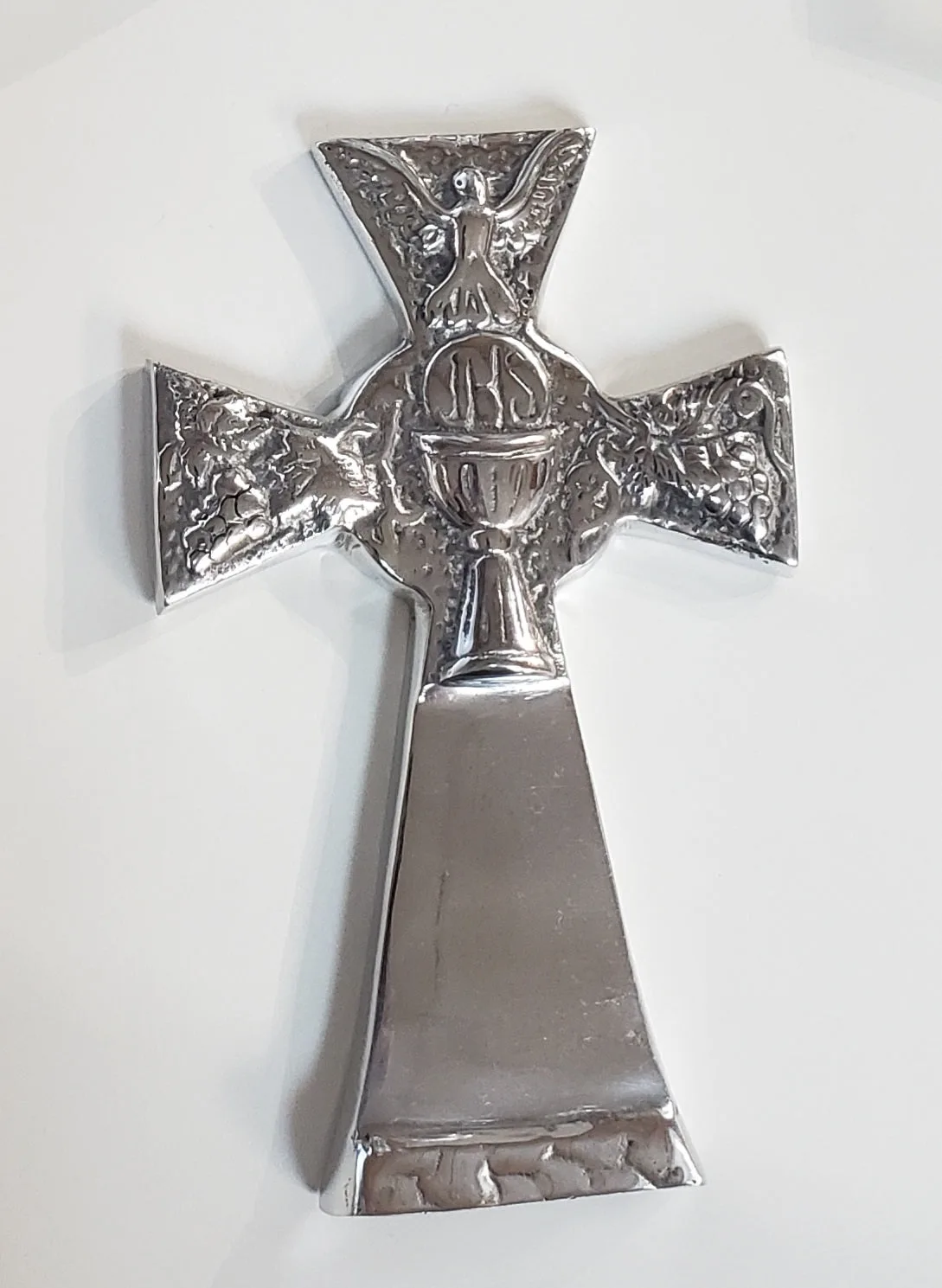
- Communion Pewter Cross - Holy Spirit: Communion Pewter Cross - Holy Spirit is a 10-inch cross handcrafted from fine pewter. Like other pewter items, it should be kept dry and wiped gently, which is the same habit that protects a pewter incense burner.