Quick answer
Kegel balls are pelvic floor training tools designed to build strength through weighted resistance and active muscle work. Dildos are penetration toys, not training devices—they do not strengthen the pelvic floor on their own. If your goal is pelvic strength, choose kegel balls. If your goal is penetration pleasure or G-spot stimulation, choose a dildo or vibrator. Some people use both for different reasons.
How Kegel Balls Build Pelvic Strength
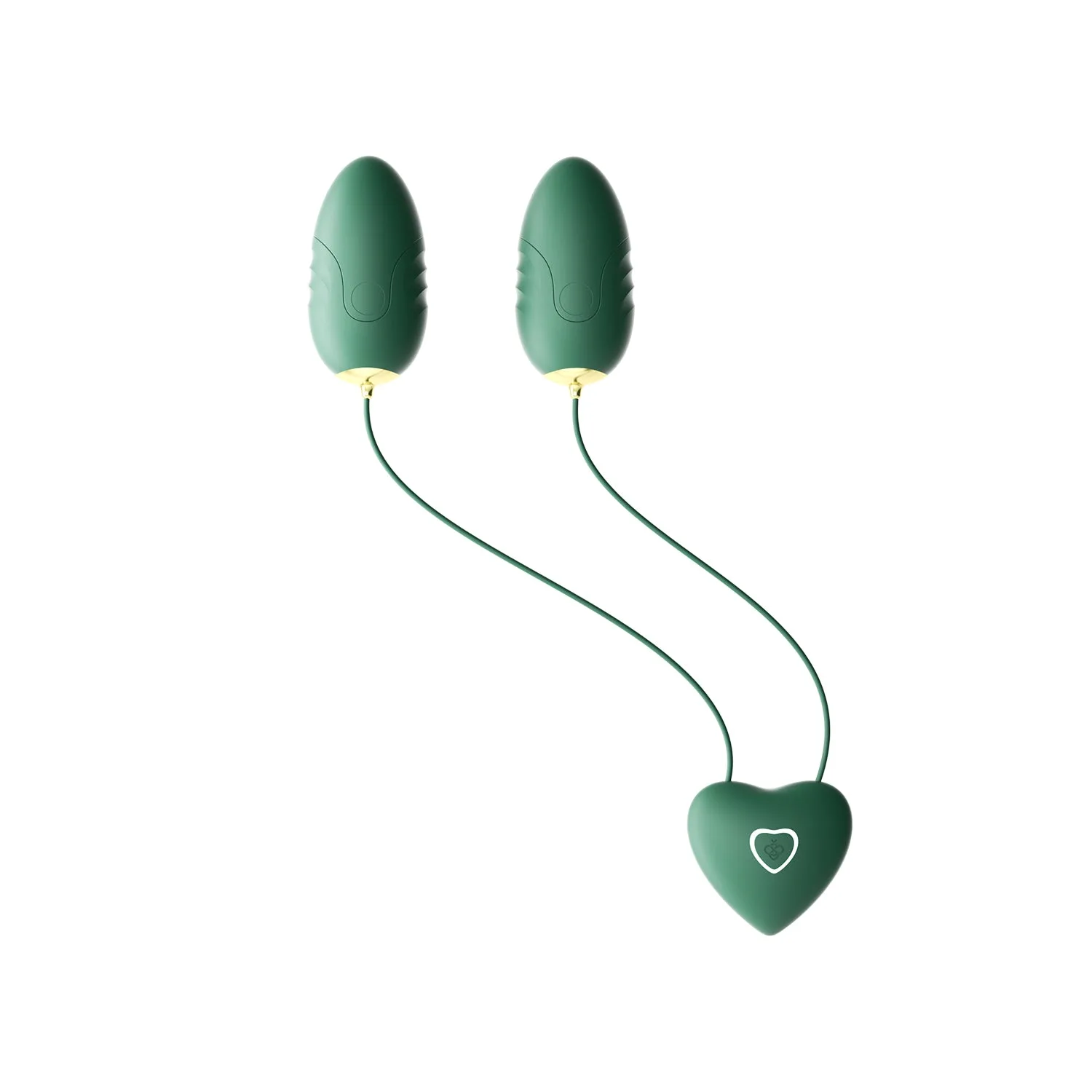
Kegel balls work by giving your pelvic floor muscles something to hold against. When you insert a weighted ball, your muscles must contract to keep it in place. That repeated contraction is the exercise. Over time, this can improve muscle tone, which may help with bladder control, sexual sensation, and postpartum recovery. The key is consistency: a few minutes of active squeezing most days beats an occasional long session.
Not all kegel balls are the same. Weight matters. Beginners usually start with a single lighter ball (around 20–30 grams) and progress to heavier or multiple balls as strength improves. Material also matters: body-safe silicone is non-porous and easy to clean, while some cheaper balls use porous materials that can harbor bacteria. If you are unsure which weight to start with, err on the lighter side and size up after a week or two of comfortable use.
Why Dildos Are Not Pelvic Floor Trainers
A dildo is a penetration toy. It can provide G-spot stimulation, fullness, or strap-on play, but it does not create the resistance needed to strengthen pelvic floor muscles. You can certainly squeeze around a dildo during use, and some people do this as a form of feedback, but the toy itself is not designed for training. If pelvic strength is your only goal, a dildo is the wrong tool.
That said, a dildo can still support pelvic health indirectly. Arousal and orgasm involve pelvic floor contractions, and some people find that regular pleasurable penetration helps them become more aware of those muscles. But awareness is not the same as strength training. If you want measurable improvement in tone, you need active resistance work—kegel balls or a dedicated pelvic floor trainer.
Can You Use Both in One Routine?
Yes, and many people do. A practical approach is to use kegel balls for short, focused training sessions (5–10 minutes, a few times a week) and use a dildo or vibrator separately for pleasure. Keep the two goals distinct so you do not accidentally treat penetration as a workout. If you have a partner, you can also incorporate kegel balls during foreplay—many are designed to be worn during daily activities or intimacy.
One caution: do not wear kegel balls for hours on end, especially when you are new. Muscles need recovery. Start with 10–15 minutes, then remove them. If you feel aching or heaviness in the pelvis, take a break for a day or two. Pelvic floor muscles can become overworked just like any other muscle.
Choosing Your First Kegel Balls
When you are ready to buy, look for body-safe silicone, a retrieval cord for easy removal, and a weight that matches your experience level. Many sets include multiple balls so you can progress. Avoid balls with seams or rough edges that could irritate. If you have a history of pelvic pain, prolapse, or you are pregnant, talk to a pelvic floor physical therapist before starting any training tool.
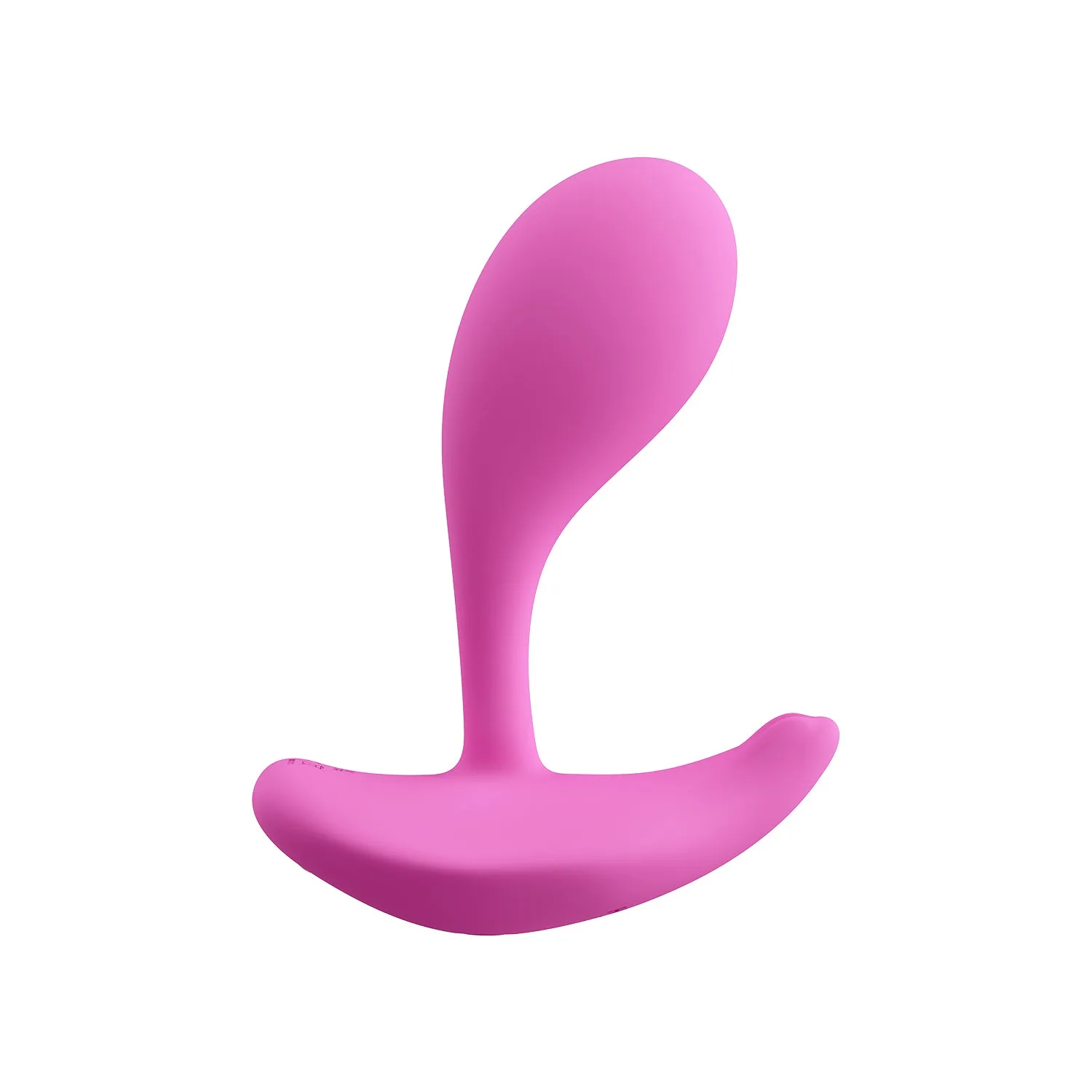
For those who want app-guided training or dual-purpose play, some vibrators offer kegel-friendly shapes and app control. But remember: a vibrator is not a substitute for weighted resistance. If strength is the goal, the weight matters more than the vibration.
Trade-Offs: Kegel Balls vs Dildos
- Primary purpose: Kegel balls are designed for muscle training; dildos are designed for penetration and stimulation. Choose based on your goal, not on which toy looks more appealing.
- Effort required: Kegel balls require active squeezing and consistency to see results; dildos require no muscle work to use. If you want strength, expect to put in the reps.
- Sensation vs. function: Dildos and vibrators can feel pleasurable immediately; kegel balls may feel more like a workout than a treat, especially at first. Many people keep both in their drawer for different moods and goals.
Products That Fit These Goals
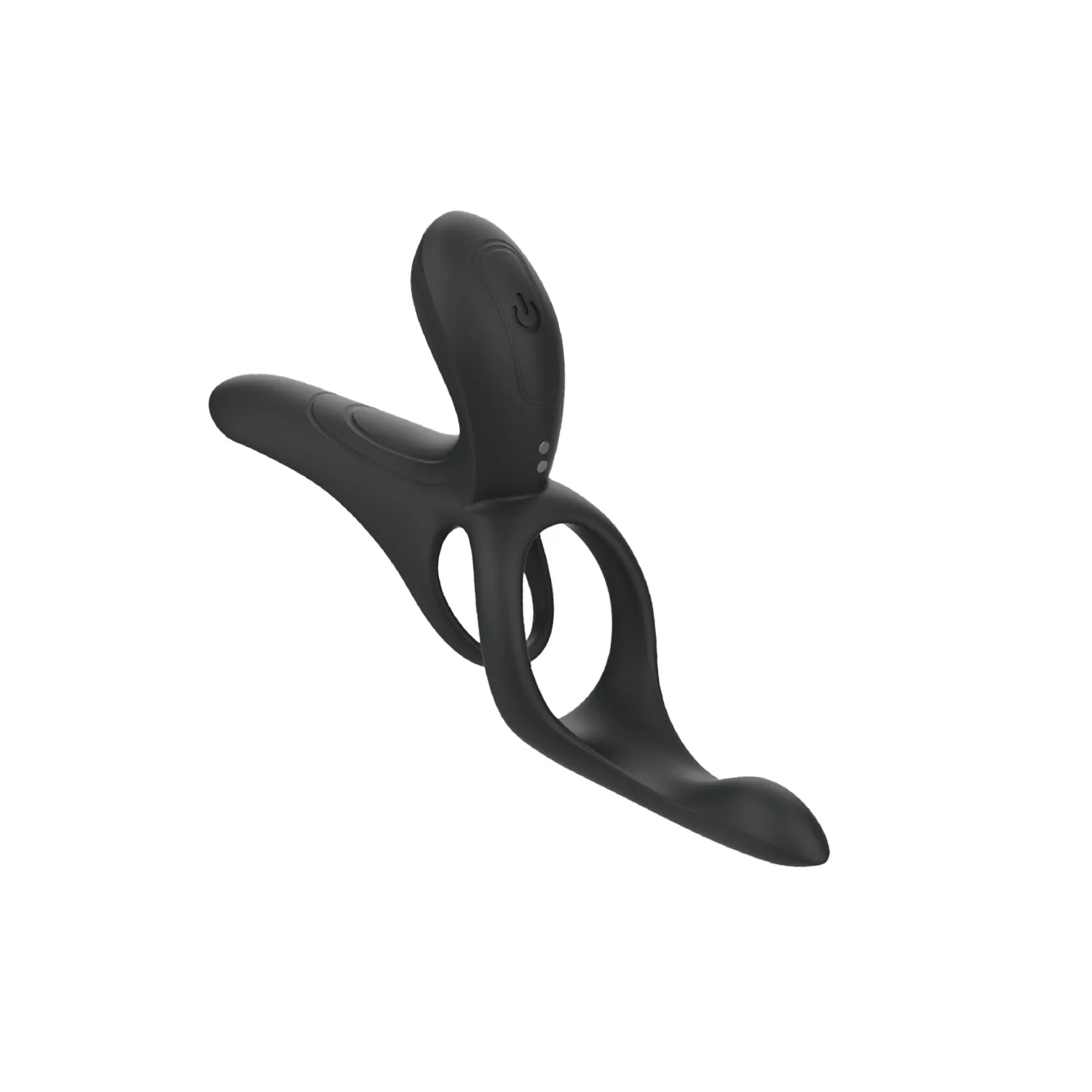
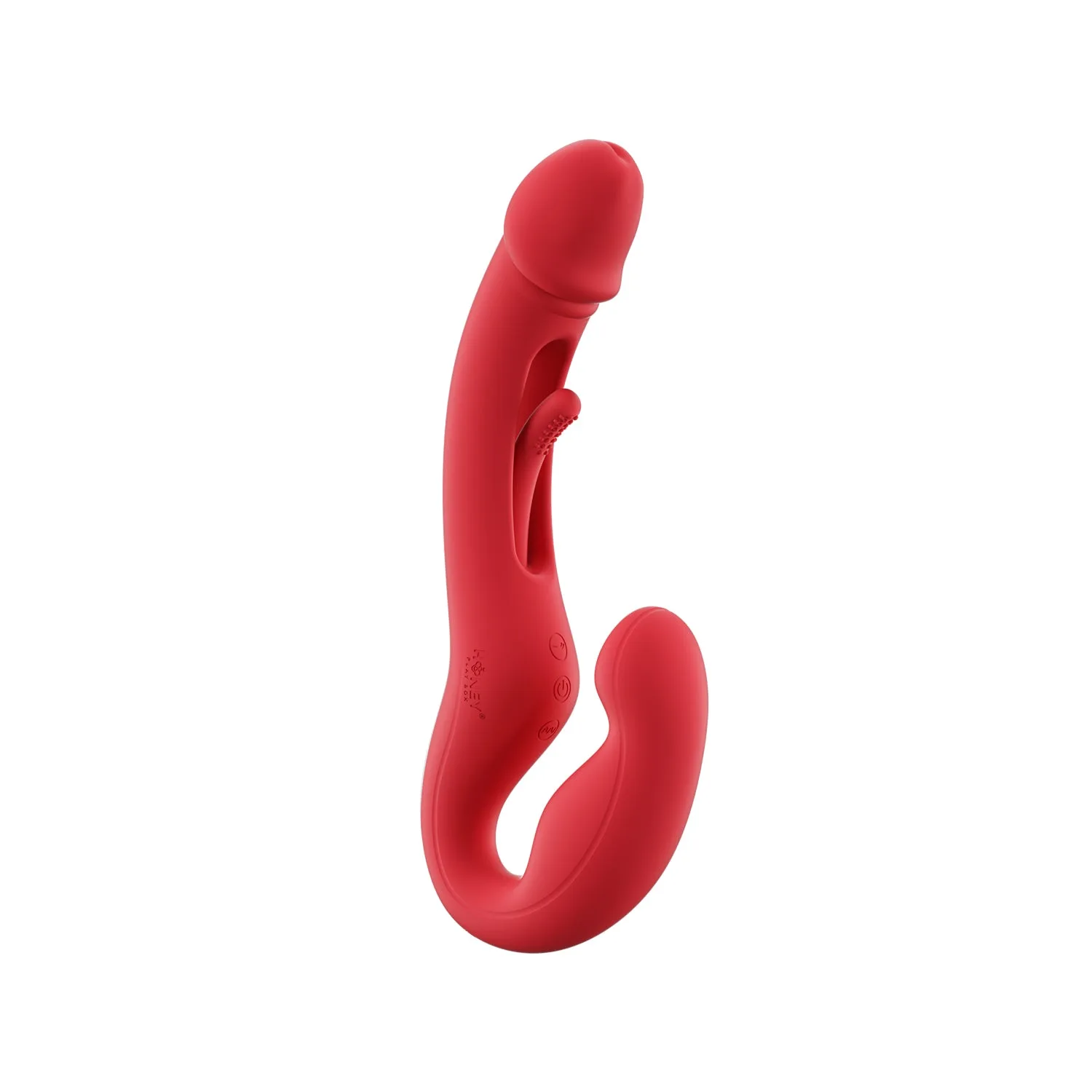
- HARMONY DUO: Double-ended strapless strap-on dildo with app control and ergonomic design for mutual fun. If your goal is partner play or G-spot stimulation rather than pelvic training, this is a penetration-focused option. It does not replace kegel balls for strength work.
- MELODY: App-controlled vibrator with multiple speeds and G-spot targeting, available in Watermelon Red and Cobalt Blue. A good choice for pleasure and foreplay, but not a pelvic floor trainer. Use it alongside—not instead of—kegel balls if you want to build strength.
Which Should You Choose?
Choose kegel balls if you want to:
- Build pelvic floor strength for bladder control or postpartum recovery
- Add a discreet, hands-free training tool to your daily routine
- Progress through weights as your muscles get stronger
Choose a dildo or vibrator instead if you want to:
- Focus on penetration pleasure, G-spot stimulation, or partner play
- Use a toy that does not require active muscle contractions
- Combine with app control for customizable vibration patterns