Quick answer
Start with the lightest tool you can comfortably hold, use it for short sessions, and pair it with a relaxation practice. If you want a single product that supports both internal and external pelvic floor work, choose a body-safe silicone set with a retrieval cord and clear weight progression. If you are unsure whether your pelvic floor is tight or weak, see a pelvic floor physical therapist before buying any kegel weights for beginners.
What pelvic floor training tools actually do
Pelvic floor training tools give you feedback. A kegel exerciser or set of ben wa balls adds gentle resistance or a subtle sensation that helps you notice whether you are lifting, holding, or bearing down. That feedback is the real benefit: you learn to contract and relax the right muscles instead of guessing. Tools do not replace a diagnosis, and they do not work by themselves. They work when you use them consistently and correctly.
- Kegel weights and ben wa balls: add light resistance; best for building awareness and endurance.
- Kegel exercisers with biofeedback: help you see or feel whether a contraction is happening.
- Vibrating pelvic tools: some people find vibration helps them locate the muscles or relax before training.
- Dilators and wands: not kegel trainers, but often used alongside pelvic health products for tension or pain.
How to start without overdoing it
Begin lying down with knees bent. Insert the lightest weight or ball with clean hands and a water-based lubricant. Exhale, gently lift the pelvic floor as if stopping gas and urine at the same time, hold for three seconds, then relax completely for six seconds. Do five reps, once a day, for the first week. If you feel pressure, heaviness, or pain, stop and check with a clinician. The most common mistake is gripping too hard or training while you still feel tense.
- Clean your tool before and after every session with warm water and mild soap or a dedicated toy cleaner.
- Never wear kegel weights for hours. Start with 10 to 15 minutes and build slowly.
- If a weight slips out immediately, size down or switch to a lighter ball.
- Pair training with a relaxation practice such as deep breathing or a gentle stretch.
How to choose a kegel trainer: material, shape, and retrieval
Look for body-safe silicone, which is non-porous and easy to clean. Avoid porous materials or weighted balls with seams that can trap bacteria. A retrieval cord is not optional for beginners; it makes removal simple and reduces anxiety. Shape matters: smooth, tapered tools are easier to insert, while textured or ridged tools can provide more sensation but may be too stimulating for some users. If you want a tool that also works externally, a wand massager with a flexible head can be used on the perineum or surrounding muscles, but keep it on a low setting and never insert a wand that is not designed for internal use.
- Silicone: best for hygiene and comfort; use water-based lubricant.
- Weight sets: choose a set with at least three weights so you can progress.
- Single exerciser: good if you want one simple tool and do not need progression.
- Vibrating option: helpful for relaxation or awareness, but not required for strength gains.
Fit and comfort checks before you buy
Fit is about diameter and length, not just weight. A tool that is too wide will feel uncomfortable and may cause you to bear down instead of lift. Measure your comfort zone by starting with the smallest diameter you can find, often around the width of a finger. If you have given birth recently, had pelvic surgery, or experience pain with insertion, get clearance from a healthcare provider first. For external pelvic floor work, a wand massager like the Exona Electric Massager offers five vibration modes and three intensity levels per mode, which lets you start very low and adjust as you learn what feels supportive rather than overwhelming.
- Start with a diameter you can insert without pain or pressure.
- Choose a smooth surface if you are new; save textured tools for later.
- Check that the retrieval cord is securely attached and long enough to reach comfortably.
- If you are between sizes, size down. You can always add a heavier weight later.
Decision rules for buying pelvic floor training tools
- If you are completely new: Buy a single lightweight kegel exerciser or a set that starts at a very small diameter. Avoid vibrating or weighted sets until you can comfortably hold the lightest option for 10 minutes. One simple tool is enough to start.
- If you want to progress at home: Choose a set with at least three weights and a clear retrieval cord. Track your sessions so you know when to move up. If you cannot hold a weight for 10 minutes without bearing down, stay at that size. Progression should be slow and comfortable.
- If you have pain, heaviness, or leaking: Do not self-treat with kegel weights. See a pelvic floor physical therapist for an assessment. Tools can help later, but only after you know whether your pelvic floor is weak, tight, or uncoordinated. Diagnosis first, tools second.
- If you want a dual-purpose tool: A wand massager with adjustable intensity can be used externally for relaxation and awareness. Keep it on the lowest setting and never insert a wand unless it is specifically designed for internal use. External tools can support, but not replace, internal training.
Tools that support pelvic floor practice
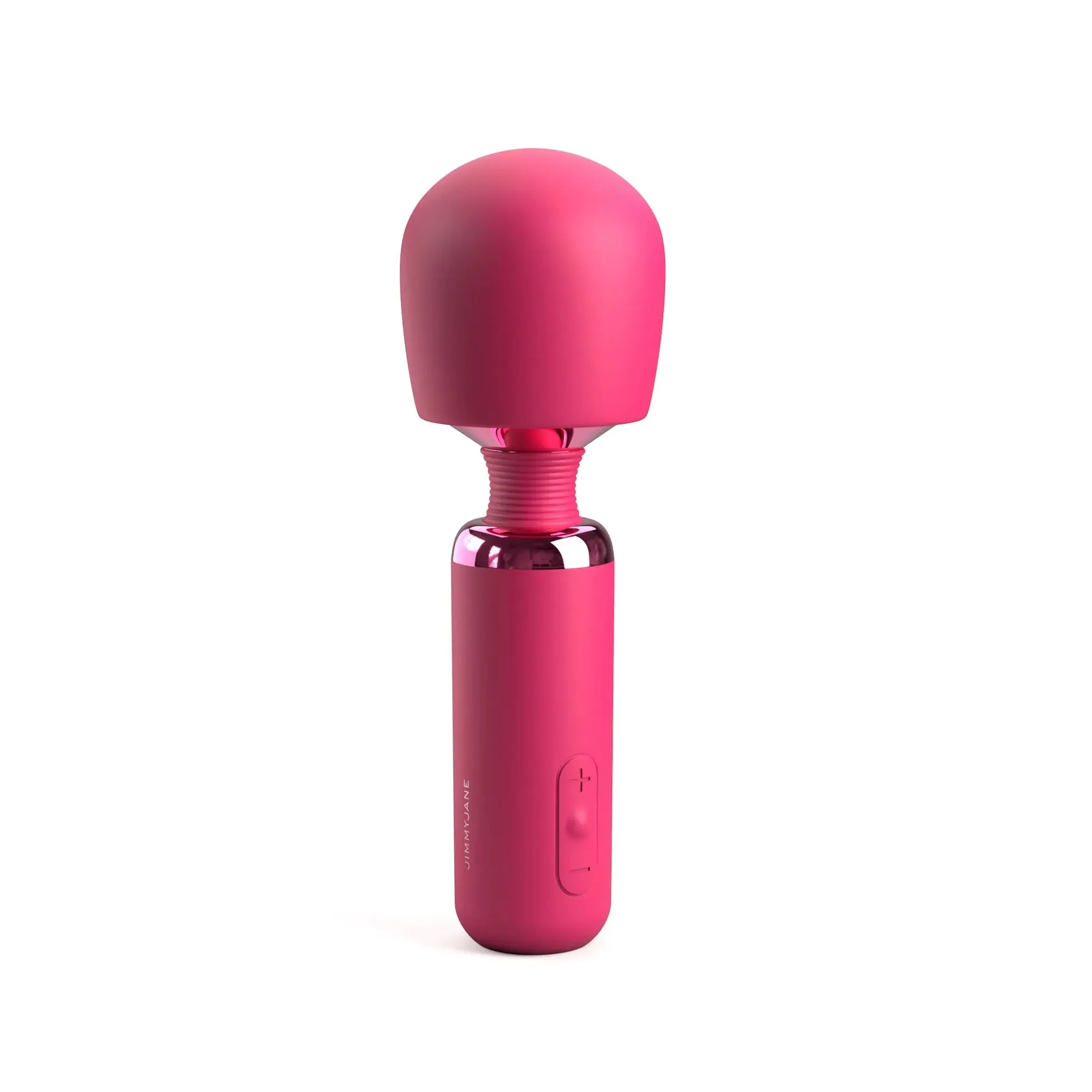
- Exona™ Electric Massager: The Exona Electric Massager is a high-performance wand with a flexible head, five vibration modes, and three intensity levels per mode. Use it externally on low settings to help relax surrounding muscles before or after kegel training, or to explore gentle pelvic floor awareness without internal insertion.
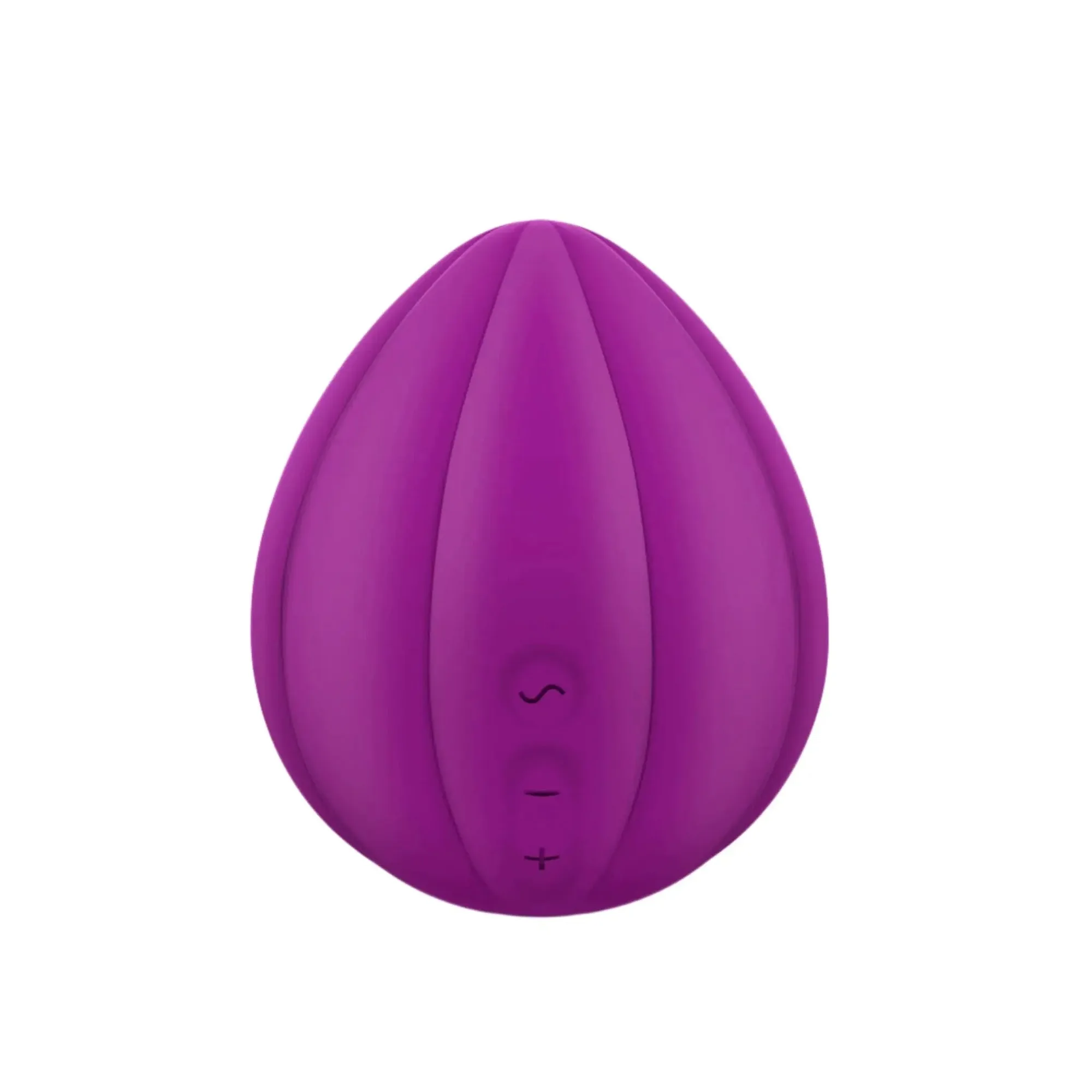
- Love Pods™ Om: The Love Pods Om is a rechargeable clitoral vibrator with a pinpoint tip and ridges that mimic the crevices between fingers. If your pelvic health routine includes external arousal or relaxation, this small tool can be used on the perineum or outer pelvic floor area to help you notice tension and release.
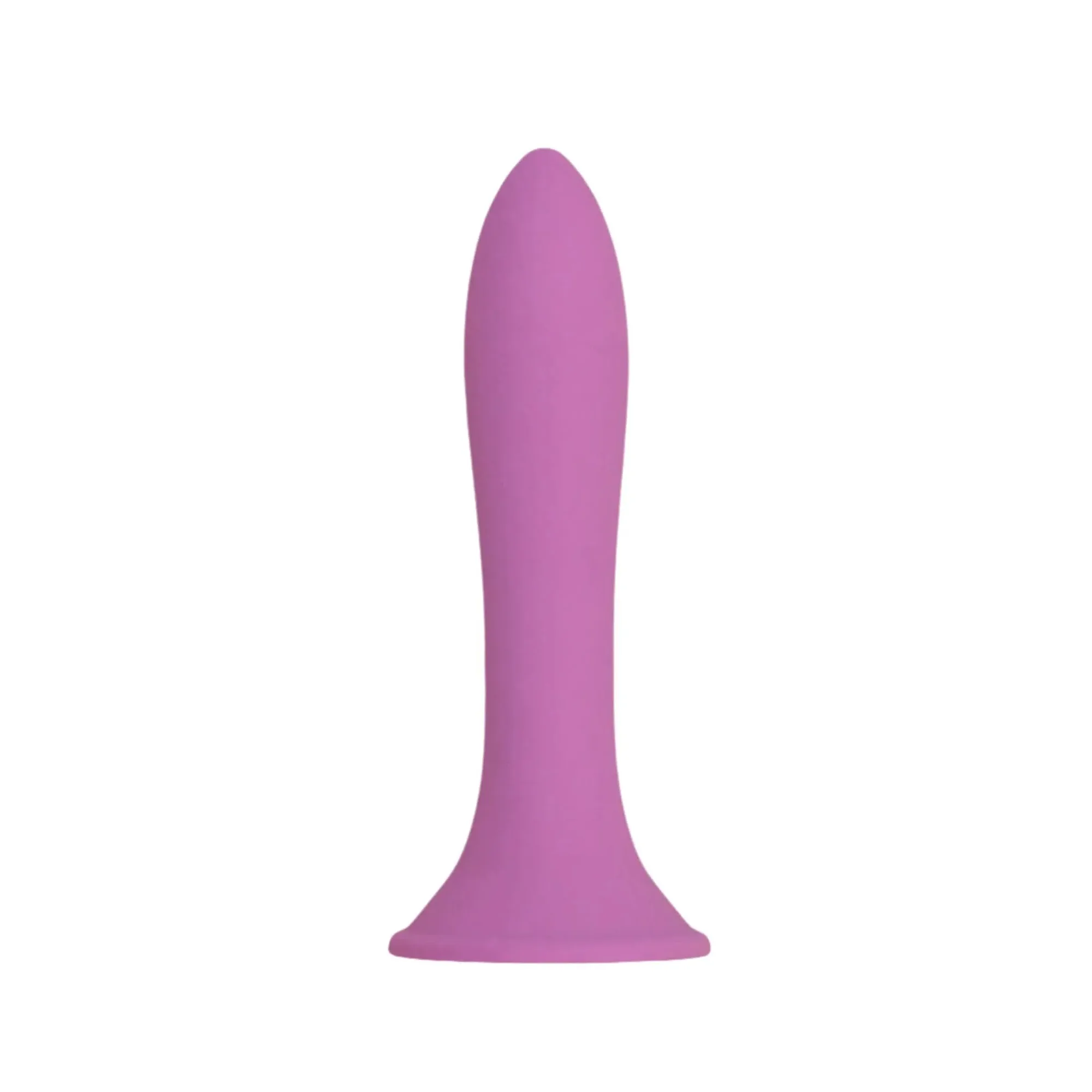
- Canta™ 7-inch: The Canta 7-inch is a phthalate-free, latex-free silicone dildo with a suction cup base and a bulbous tip; it is waterproof. Not a kegel trainer, but a body-safe silicone option for internal exploration or pelvic floor relaxation work when recommended by a clinician; the suction cup allows hands-free positioning.
Who these tools are for
Best for
- People who want to learn where their pelvic floor muscles are and how to contract them
- People who have been cleared by a clinician to train at home and want a simple, body-safe tool
- Anyone looking for pelvic health products that are easy to clean and comfortable to insert
Not for
- Anyone with undiagnosed pelvic pain, heaviness, or leaking; see a pelvic floor physical therapist first
- People who want a quick fix; pelvic floor training takes consistent, gentle practice over weeks
- Anyone who has not confirmed with a healthcare provider that kegel exercises are appropriate for their situation