If you love a great cup of coffee, you know that regular cleaning is essential. Over time, mineral deposits from water—commonly calcium and limescale—build up inside your coffee maker. This buildup not only affects the taste of your brew but can also shorten the lifespan of your machine. Descaling is the process of removing these deposits, and it's a must-do maintenance task for any coffee lover.
But not all coffee makers are the same. A Keurig single-serve machine works differently from a traditional drip coffee maker, and the descaling methods differ accordingly. In this guide, we'll compare the best approaches for each type, share product recommendations, and help you decide which method works best for your machine. Whether you're a Keurig fan or a drip coffee purist, you'll find actionable tips to keep your brewer in top shape.
Why Descaling Matters for Every Coffee Maker
Mineral buildup is the enemy of great coffee. When limescale accumulates inside your machine, it can clog water lines, slow down brewing, and cause uneven extraction. The result? A bitter, flat, or metallic-tasting cup of coffee. Descaling removes these deposits, restoring your machine's performance and ensuring every brew tastes as fresh as possible.
For Keurig owners, descaling is especially important because the narrow water lines are prone to clogs. For drip coffee makers, mineral deposits can affect the heating element and lead to slower brewing times. In both cases, regular descaling—typically every three to six months—extends the life of your machine and improves coffee quality. Using a dedicated coffee maker descaler, like those from Bar Keeper's Friend, makes the process simple and effective.
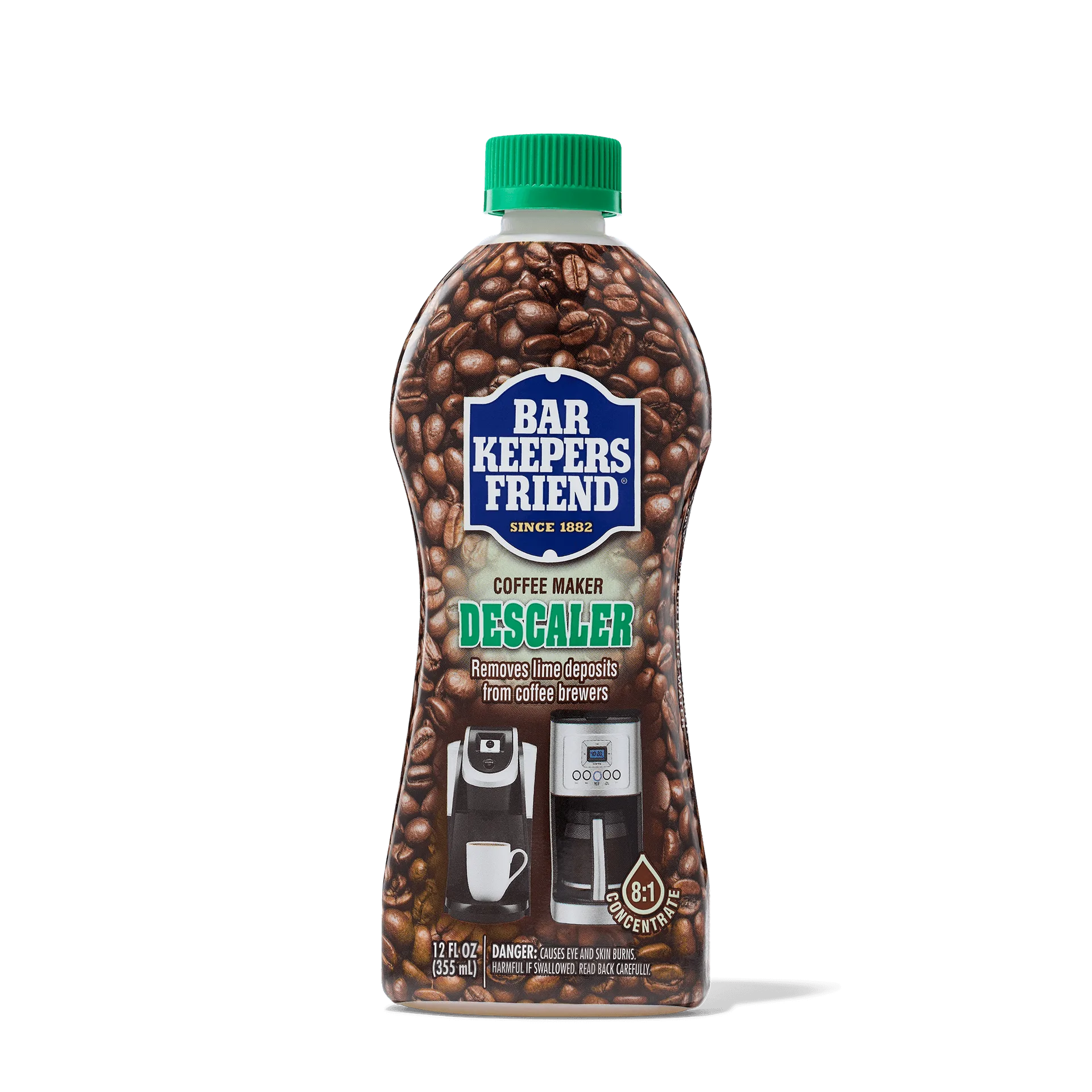
coffee maker descaler
- Descaling improves coffee flavor by removing bitter mineral residues.
- Regular descaling prevents clogs and extends machine lifespan.
- Use a descaler specifically designed for coffee makers for best results.
How to Descale a Keurig: Step-by-Step
Descaling a Keurig requires a slightly different approach than a drip machine because of its single-serve design. Start by emptying the water reservoir and removing any used K-Cups. Mix a descaling solution according to the manufacturer's instructions—many Keurig models recommend a 50/50 mix of white vinegar and water, though a commercial descaler is often more effective and less likely to leave a vinegar aftertaste.
Pour the solution into the reservoir and run a brewing cycle without a K-Cup. Repeat until the reservoir is empty, then let the machine sit for 30 minutes to allow the solution to break down deposits. Follow up by running two to three cycles of fresh water to rinse. For stubborn buildup, consider using a dedicated product like Coffee Maker Cleaner, which is formulated to tackle limescale without damaging internal components.
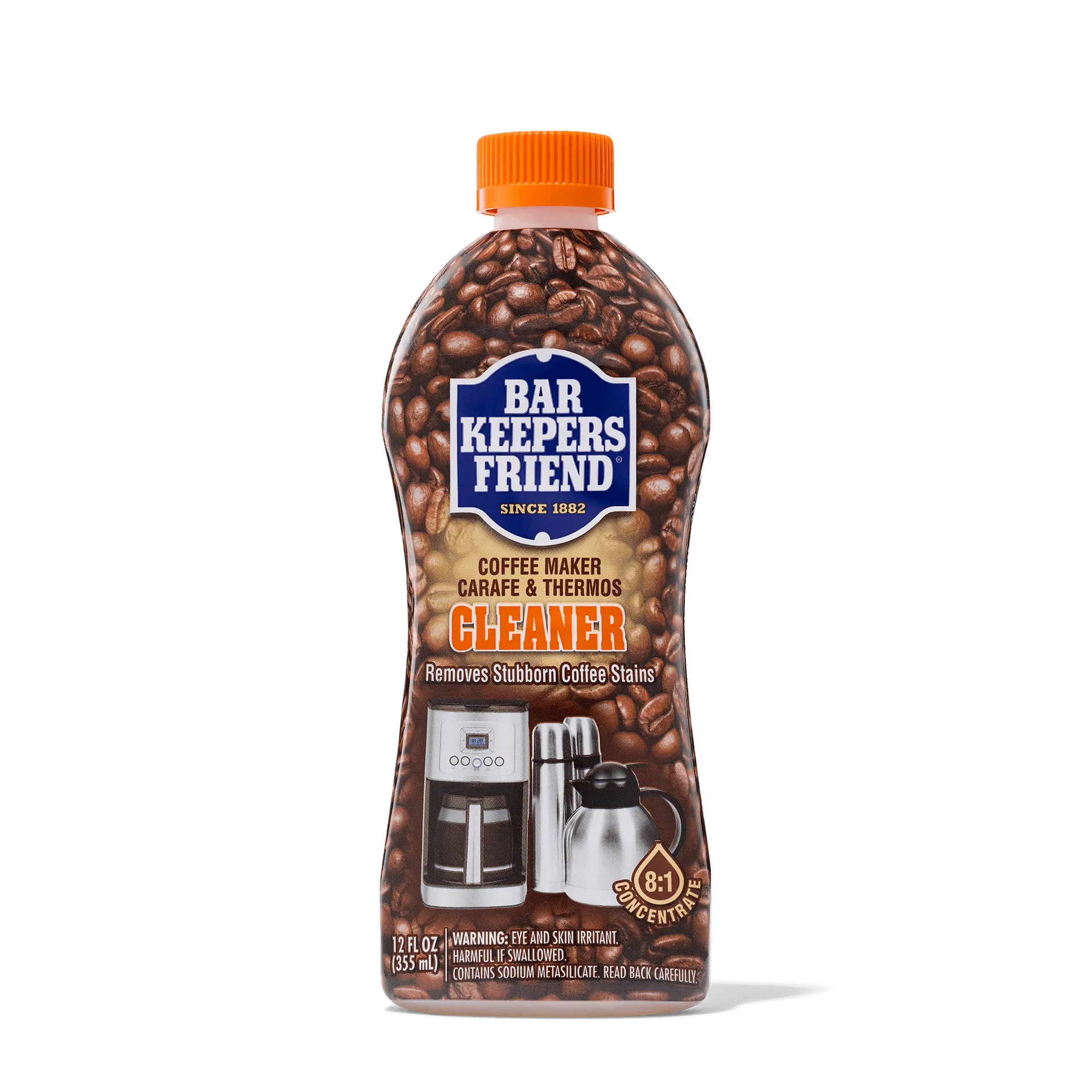
Coffee Maker Cleaner
- Always check your Keurig model's manual for specific descaling instructions.
- Use filtered water to reduce mineral buildup between descaling sessions.
- A commercial descaler is often more effective than vinegar for heavy deposits.
How to Descale a Traditional Drip Coffee Maker
Descaling a drip coffee maker is straightforward. Begin by removing the filter basket and carafe. Fill the water reservoir with a descaling solution—again, a mix of vinegar and water or a commercial descaler works well. Start the brew cycle and let half the solution run through, then turn off the machine and let it sit for 15 to 20 minutes. This allows the solution to dissolve mineral deposits inside the heating element and water lines.
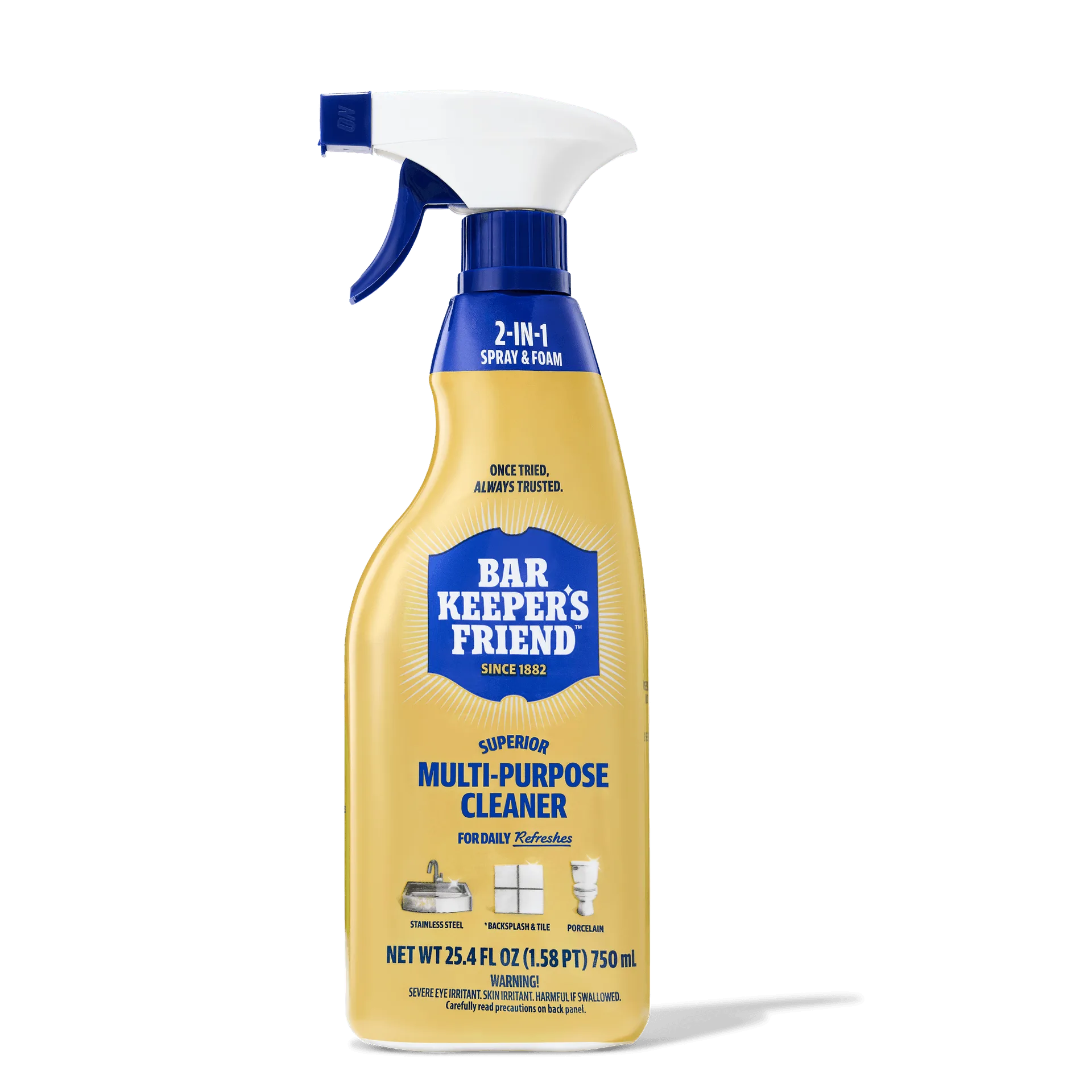
After the soak, restart the brew cycle to finish running the solution through. Discard the liquid, then run two to three full cycles of fresh water to rinse thoroughly. For best results, use a product like Superior Multi-Purpose Cleaner, which can also be used to clean the carafe and exterior. Regular descaling keeps your drip machine brewing at the optimal temperature and ensures a consistent flavor profile.
- Descaling every three months is recommended for drip coffee makers.
- Clean the carafe and filter basket separately with warm soapy water.
- Avoid using too much vinegar, as it can leave a residual taste.
Keurig vs. Drip: Which Descaling Method Is More Effective?
Both methods are effective when done correctly, but there are key differences. Keurig machines have a more complex water path, so they require a longer soak time and multiple rinse cycles to ensure no solution remains. Drip coffee makers, with their simpler design, can be descaled more quickly. However, drip machines often have larger reservoirs and heating elements that may require more solution to cover all surfaces.
In terms of product choice, commercial descalers are generally more effective than vinegar for both types because they are pH-balanced to dissolve mineral deposits without damaging seals or plastic components. For Keurig owners, using a product like Coffee Maker Cleaner is particularly beneficial because it's designed for single-serve machines. For drip coffee makers, the same product works well, or you can opt for a multi-purpose cleaner that also handles other kitchen surfaces.
- Keurig descaling requires more rinse cycles to avoid aftertaste.
- Drip coffee makers are easier to descale but may need larger volumes of solution.
- Commercial descalers are recommended over vinegar for both machine types.
Tips for Maintaining Your Coffee Maker Between Descaling
Descaling is just one part of coffee maker maintenance. To keep your machine running smoothly, clean removable parts like the carafe, filter basket, and K-Cup holder after each use. Use a mild detergent or a product like cleanser-95386">Soft Cleanser to avoid scratching surfaces. For drip machines, wipe down the warming plate and exterior with a damp cloth to prevent coffee stains and residue buildup.
Using filtered water can significantly reduce mineral buildup, meaning you'll need to descale less frequently. Also, avoid letting coffee sit in the carafe for extended periods, as oils can turn rancid and affect flavor. By combining regular descaling with daily cleaning habits, you'll enjoy better-tasting coffee and extend the life of your machine.
- Rinse the water reservoir weekly to prevent mold and bacteria growth.
- Replace water filters every two months for optimal water quality.
- Store your coffee maker in a dry area to avoid moisture-related issues.
Descaling your coffee maker doesn't have to be a chore. Whether you own a Keurig or a traditional drip machine, the key is to use the right method and the right products. For reliable, effective descaling, try Bar Keeper's Friend Coffee Maker Cleaner—it's formulated to remove tough mineral deposits without harming your machine. Pair it with regular cleaning habits, and you'll enjoy delicious coffee every morning.