Walking through the cleaning aisle today is a very different experience than it was a decade ago. Shelves are crowded with bottles boasting natural ingredients, plant-based formulas, and eco-friendly claims. While the shift toward greener cleaning is encouraging, the sheer number of labels can leave even the most conscientious shopper confused. Which certifications actually mean something? And which are just marketing fluff?
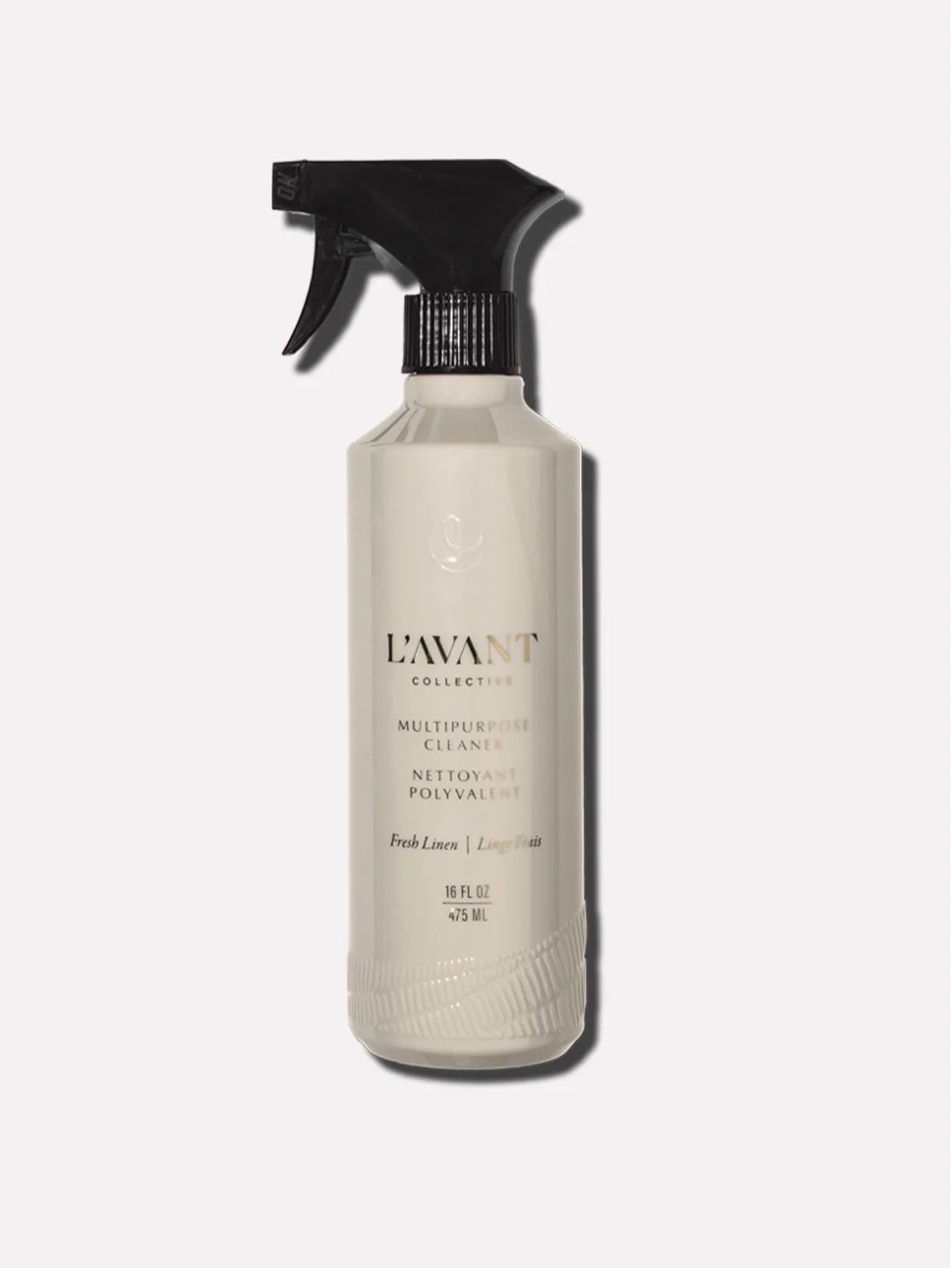
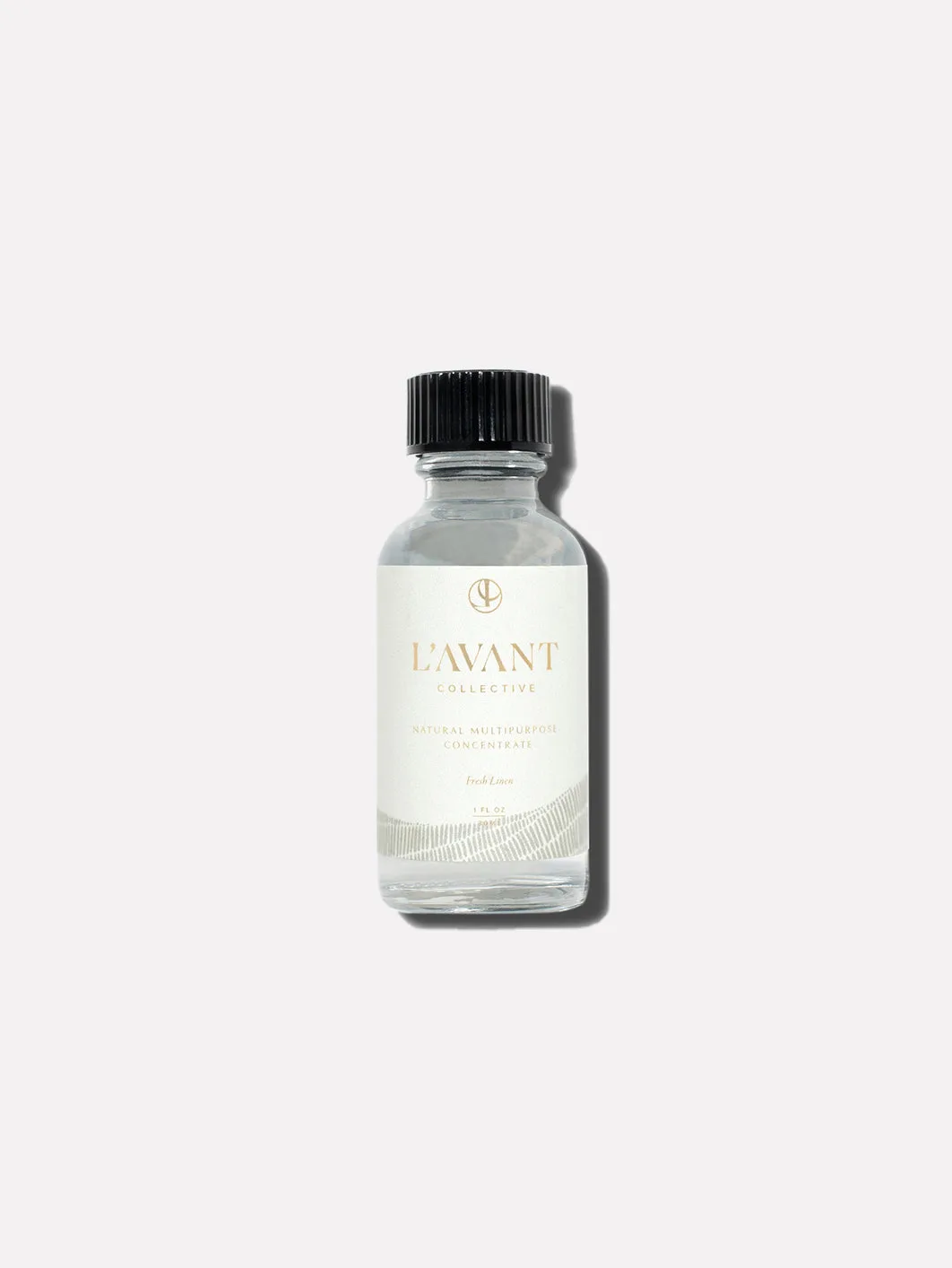
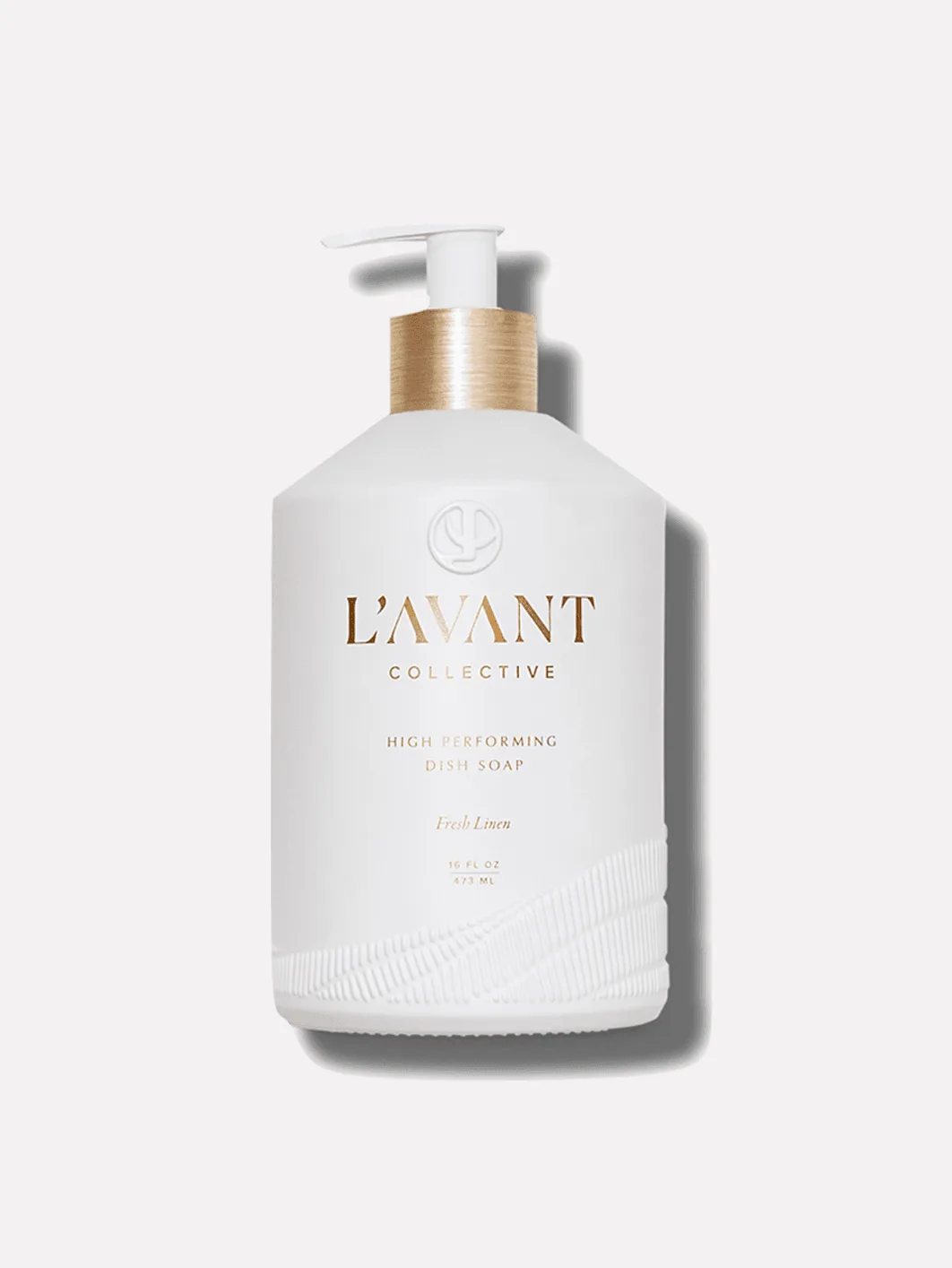
Understanding the key certifications for plant-based cleaning products helps you cut through the greenwashing and make informed purchasing decisions. Whether you are a first-time buyer or a long-time advocate of sustainable living, knowing what seals to look for ensures you bring home products that are truly kind to your home, your health, and the planet. In this guide, we break down the most respected eco-labels, explain what they verify, and show how L'AVANT Collective's lineup — from the High Performing Dish Soap to the https://lavantcollectives.com/products/multipurpose-surface-cleaner-refill-230274Multipurpose Surface Cleaner Refill — aligns with these high standards.
Why Certifications Matter in Plant-Based Cleaning
An increasing number of brands describe their products as 'green' or 'natural,' but without third-party verification, those claims are essentially self-reported. Third-party certifications provide independent assurance that a product meets specific criteria, such as being free from certain chemicals, tested without animals, or packaged in environmentally responsible materials. For plant-based cleaning products, certifications serve as a shortcut to trust, helping you quickly identify items that align with your values without having to decipher every ingredient list.
Moreover, certifications often require brands to follow strict manufacturing and sourcing guidelines, which can lead to better overall product quality. When you see a recognized seal on a bottle, you know the formulation has been vetted by experts — and that the company behind it is committed to transparency. This is especially important in the cleaning industry, where regulation is less stringent than in food or cosmetics.
- Third-party seals eliminate guesswork and reduce greenwashing risk.
- Certified products typically undergo rigorous audits and ingredient reviews.
- Choosing certified formulas supports companies that invest in sustainable practices.
Leaping Bunny – The Gold Standard for Cruelty-Free Cleaning
If animal testing is a dealbreaker for you, the Leaping Bunny certification is the most trusted cruelty-free seal in the world. Administered by Cruelty Free International, this certification requires that a brand’s entire supply chain — including raw material suppliers — does not conduct or commission animal tests at any stage of product development. Unlike some 'cruelty-free' claims, Leaping Bunny covers both the final product and all ingredients used in its formulation.
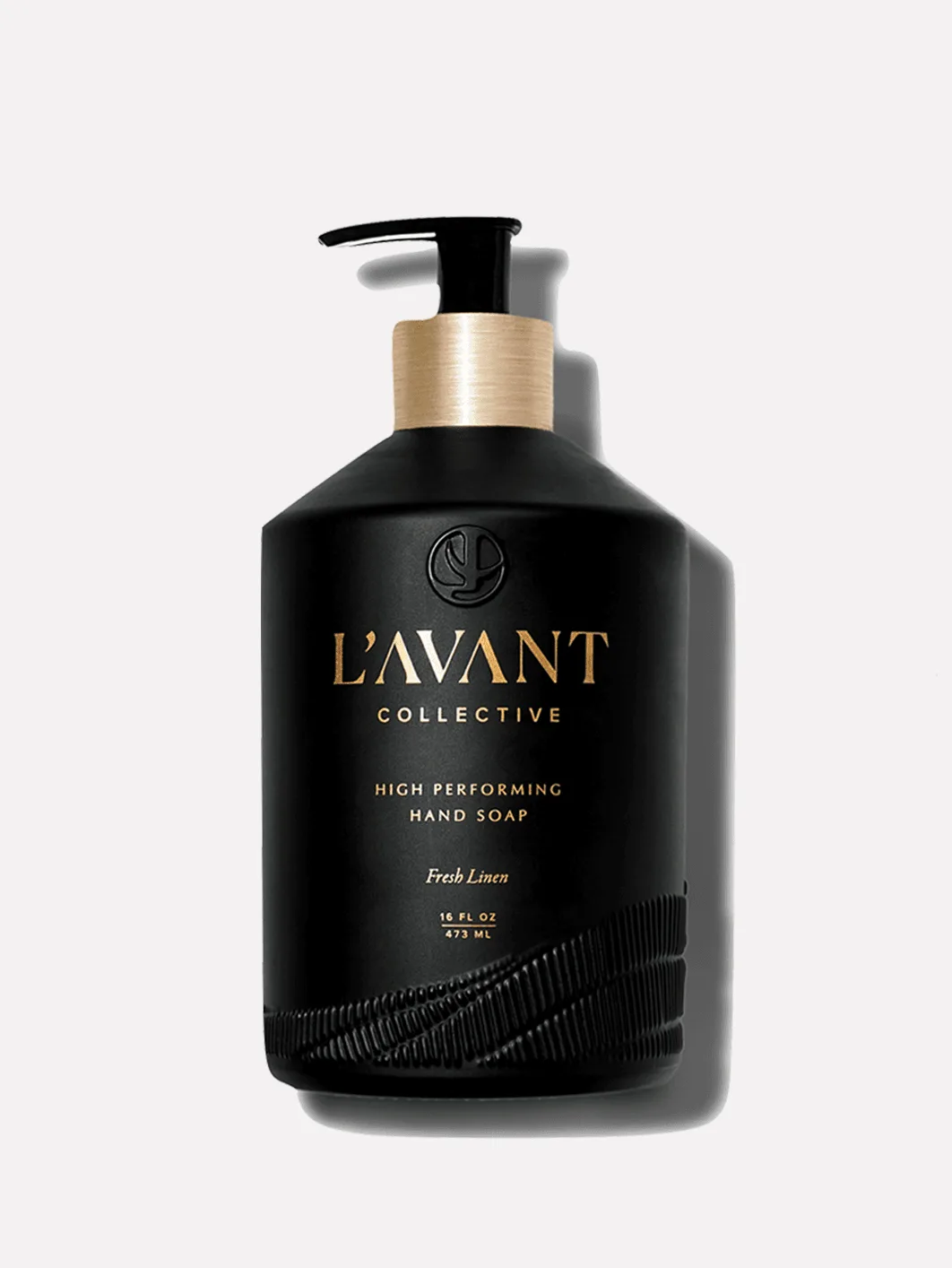
For plant-based cleaning brands like L'AVANT Collective, Leaping Bunny certification reinforces a commitment to ethical production. The High Performing Hand Soap and High Performing Hand Soap Refill, for example, are formulated without any animal-derived ingredients and are never tested on animals. When you see the Leaping Bunny logo, you can feel confident that no harm was done in the making of your cleaning products.
USDA Organic & Other Natural Ingredient Certifications
While plant-based cleaning products are made from botanical ingredients, not all plant-derived substances are created equal. The USDA Organic seal is one of the most recognizable certifications for agricultural ingredients. To earn it in cleaning products, the plant-based ingredients — such as essential oils, surfactants derived from coconut or corn, and organic alcohols — must be grown without synthetic pesticides, fertilizers, or genetically modified organisms (GMOs).
Another respected label is EcoCert, which certifies both organic and natural cosmetics, but also extends to household products in some regions. EcoCert requires that at least 95% of the plant-based ingredients be organic and that the final product contains a minimum percentage of natural ingredients. L'AVANT Collective's Laundry Detergent Gallon + Silicone Cup and Wool Dryer Balls are examples of products that focus on naturally derived ingredients, though the brand prioritizes transparency over a single organic label. Still, shoppers can verify ingredient sourcing by reviewing each product's full ingredient list.
- USDA Organic ensures plant ingredients are grown without synthetic chemicals.
- EcoCert covers both natural and organic content in household cleaners.
- Always check ingredient lists even when a product lacks a specific organic seal.
Biodegradability & Environmental Safety Seals
The whole point of plant-based cleaning is to be gentle on the planet, but a product can be 'plant-based' yet still contain ingredients that persist in waterways or harm aquatic life. The EU Ecolabel and the EPA's Safer Choice program are two key certifications that verify a product's environmental safety. The EU Ecolabel covers the entire lifecycle of a product, including biodegradability of surfactants, limited toxicity to aquatic organisms, and recyclability of packaging.
Safer Choice, administered by the U.S. Environmental Protection Agency, requires that every ingredient — not just the active ones — meets rigorous safety criteria for human health and the environment. Ingredient disclosure is central to both programs. For example, the L'AVANT x Geometry Cleaning Kit and the Mini Travel Hand Lotion are formulated with biodegradable surfactants and packaged in materials that are widely recyclable. When you see these seals, you know the product is designed to break down safely after use.
B Corporation & Social Responsibility Certifications
Beyond the product itself, some certifications evaluate the entire company's impact. B Corporation certification assesses a brand's performance across governance, workers, community, environment, and customers. It is a holistic standard that goes beyond a single product to examine supply chain ethics, employee benefits, charitable giving, and environmental footprint. Being a B Corp is a strong signal that a company acts as a force for good.
While not all plant-based cleaning brands are certified B Corps, many — including L'AVANT Collective — align with the values of social and environmental responsibility. By choosing products from a company that prioritizes ethical sourcing, minimal waste packaging, and community engagement, you are supporting a business model that genuinely aims to reduce harm. The Laundry Detergent Gallon + Silicone Cup, for instance, is part of a refill system that cuts down on single-use plastic, a hallmark of sustainable operations.
- B Corp certification covers the entire company's social and environmental performance.
- Look for brands that publish annual impact reports or disclose ingredients transparently.
- Refillable packaging and plastic-free options are strong indicators of company-wide sustainability.
Navigating the world of eco-labels can feel overwhelming, but focusing on a few trusted certifications — Leaping Bunny, EU Ecolabel, USDA Organic, and B Corp — gives you a reliable framework for choosing products that truly deliver on their promises. Each seal represents a commitment to higher standards, from animal welfare to biodegradability to full ingredient transparency. Next time you shop, check for these marks and know that your purchase is making a difference. Explore the L'AVANT x Geometry Cleaning Kit to see how one brand integrates multiple sustainable practices into a single, thoughtfully designed solution.