Quick answer
Buy one or two small, well-made pieces instead of a pile of cheap ones. A single quality car keychain and one or two automotive stickers placed with intent will read as a deliberate build detail, while a scatter of random decals and novelty keychains reads as clutter. Match finish to the rest of your interior and exterior hardware before you buy.
Small add-ons are where most builds either look finished or look unfinished. A shift knob or a boot can carry a whole interior, but the details around them — what hangs off your key, what sits on your glass, what fills the blank space on a bumper — decide whether the car feels curated or just accessorized.
This guide covers how to choose car keychain and automotive stickers as part of a wider set of custom add ons. The goal is not to buy more. It is to buy the right two or three pieces so the rest of your interior and exterior work gets the attention it deserves.
Why small add-ons matter more than you think
A build is read in layers. The big-ticket parts — shifter, seats, wheels — set the theme. The small parts confirm it. A keychain that matches your shift knob finish, or a sticker that repeats a color already on the car, tells people the choices were made on purpose. Mismatched small items do the opposite: they make expensive parts look like they were bought one at a time with no plan.
That is why car stickers for interior use and keychains are worth a few minutes of thought. They are cheap enough to buy on impulse, which is exactly why they pile up. Treat them as finishing pieces, not as a collection.
- Pick a two-color limit for small add-ons and stick to it across keychain, stickers, and interior trim.
- Buy one piece at a time and live with it for a week before adding the next.
Keychains: what to look for
A car keychain gets more handling than almost anything else you own. It lives in a pocket, gets dropped, and swings against a steering column. Look for a metal body with a finish that matches your interior hardware, and a ring that is thick enough not to stretch open. Anodized finishes hold up better than painted ones because the color is part of the metal surface rather than a layer sitting on top.
Weight matters too. A heavy keychain feels premium in the hand but adds bulk to a pocket and can wear the ignition surround over years of swinging. If you already carry a lot of keys, choose a lighter design. If your key lives in a bag or on a hook, weight is a non-issue and you can pick purely on looks.
- Check the ring gauge, not just the design — thin split rings are the first thing to fail.
- Match the finish to your shift knob or e-brake handle so the key feels like part of the car.
Stickers and plate deletes: placement beats quantity
Automotive stickers and plate deletes are the two small exterior pieces that change a car's front end and glass the most. The rule that keeps both looking clean is simple: one focal point per surface. One sticker on the rear glass, one plate delete on the front bumper, and nothing competing with either. Stacking decals on the same panel is what makes a build look busy.
Plate deletes are a special case because they replace a functional part. They are CNC-milled and drilled for proper fitment, so the install is clean, but they only make sense if your local rules allow a front plate delete and your bumper actually has a mounting hole to cover. Check that before you buy, not after.
- Put stickers on glass before painted panels — glass is easier to reverse if you change your mind.
- Keep the plate delete design simple if the rest of the front end is already busy.
Materials, finishes, and how they age
The two failure modes for small add-ons are fading and peeling. Anodized aluminum resists both better than painted or printed surfaces, which is why it shows up on plate deletes and keychain bodies. Vinyl stickers vary widely; the ones that last are the ones with a clean cut edge and a matte or laminated face rather than a thin glossy print.
For interior pieces, heat is the enemy. A car parked in the sun can soften adhesives and warp thin plastics. If your car sits outside, favor metal and laminated pieces over soft or printed ones, and avoid placing anything adhesive on a surface that gets direct sun all day.
- Anodized finishes resist scratches and corrosion better than painted ones.
- If your car lives outdoors, skip thin printed stickers on the dash.
How to keep a build cohesive
Cohesion comes from repetition, not from matching brands. Pick one accent color and one metal finish, then repeat them: keychain, plate delete, shift knob collar, e-brake button. When someone looks at your car, the eye picks up the pattern without being told what it is.
It also helps to decide what your build is not. If your interior is all black and brushed metal, a bright patterned shift knob cover is a statement piece, not a background detail. That is fine — just place it somewhere it can be the focal point rather than adding it next to three other loud items.
- One accent color, one metal finish, repeated in three places, reads as a theme.
- If a piece is loud, give it space; if it is subtle, it can sit closer to other details.
Decision rules for buying small add-ons
- If you want the cheapest visible change: Start with a sticker or a plate delete rather than a keychain. Both sit on the outside of the car where they are seen, and both are reversible if you change direction. Buy one, install it, and leave the rest of the car alone for a week.
- If your interior is already finished: Add a keychain in the same metal finish as your shift knob or e-brake handle. This ties the key to the cabin without adding another competing color. One matching piece beats three mismatched ones.
- If your car sees direct sun or daily driving: Favor anodized aluminum and laminated or matte stickers over thin glossy prints and soft plastics. Heat and handling are what age these parts first. Material choice matters more than design at this price point.
- If you are unsure about a loud design: Buy the plain version of the same part first. A clean plate delete or a solid keychain can always be swapped later, and it lets you judge the fit and finish before committing to a statement. Fit and finish first, personality second.
Product facts worth knowing
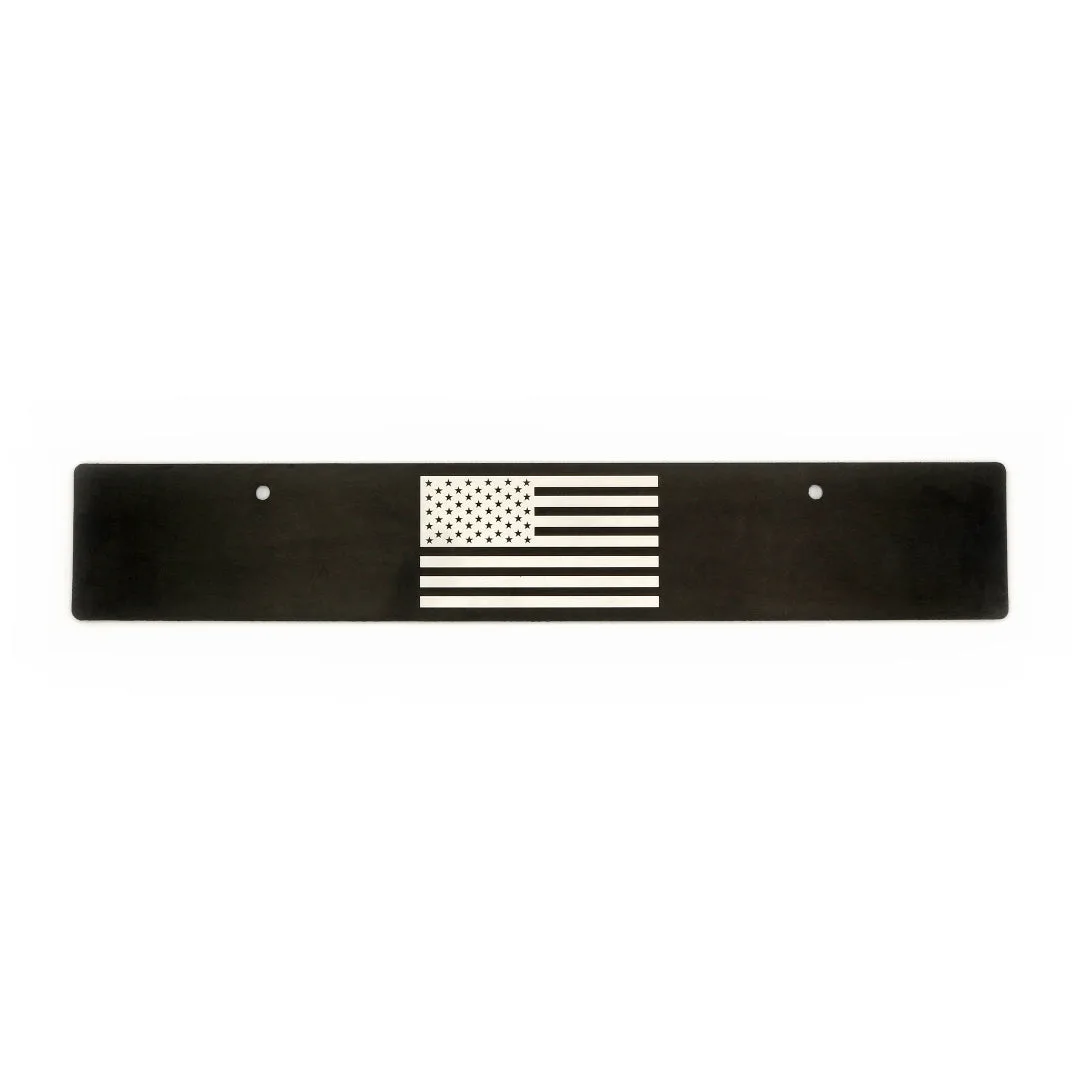
- "Billetworkz" License Plate Delete: Each plate is CNC-milled for precision and drilled for proper fitment, with an anodized finish that adds color and protects against scratches and corrosion. This version features a precision-engraved "Billetworkz" design. The CNC milling and pre-drilled holes mean the install lines up without guesswork, and the anodized finish is the reason the color survives road debris better than a painted plate.
- Billetworkz "4DoorsMoreWhores" License Plate Delete: Same CNC-milled, pre-drilled construction and anodized finish, with a precision-engraved "4DoorsMoreWhores" design. If you want the front end to say something specific, this is the version that does it. If you want a quiet front end, choose the plain design instead.
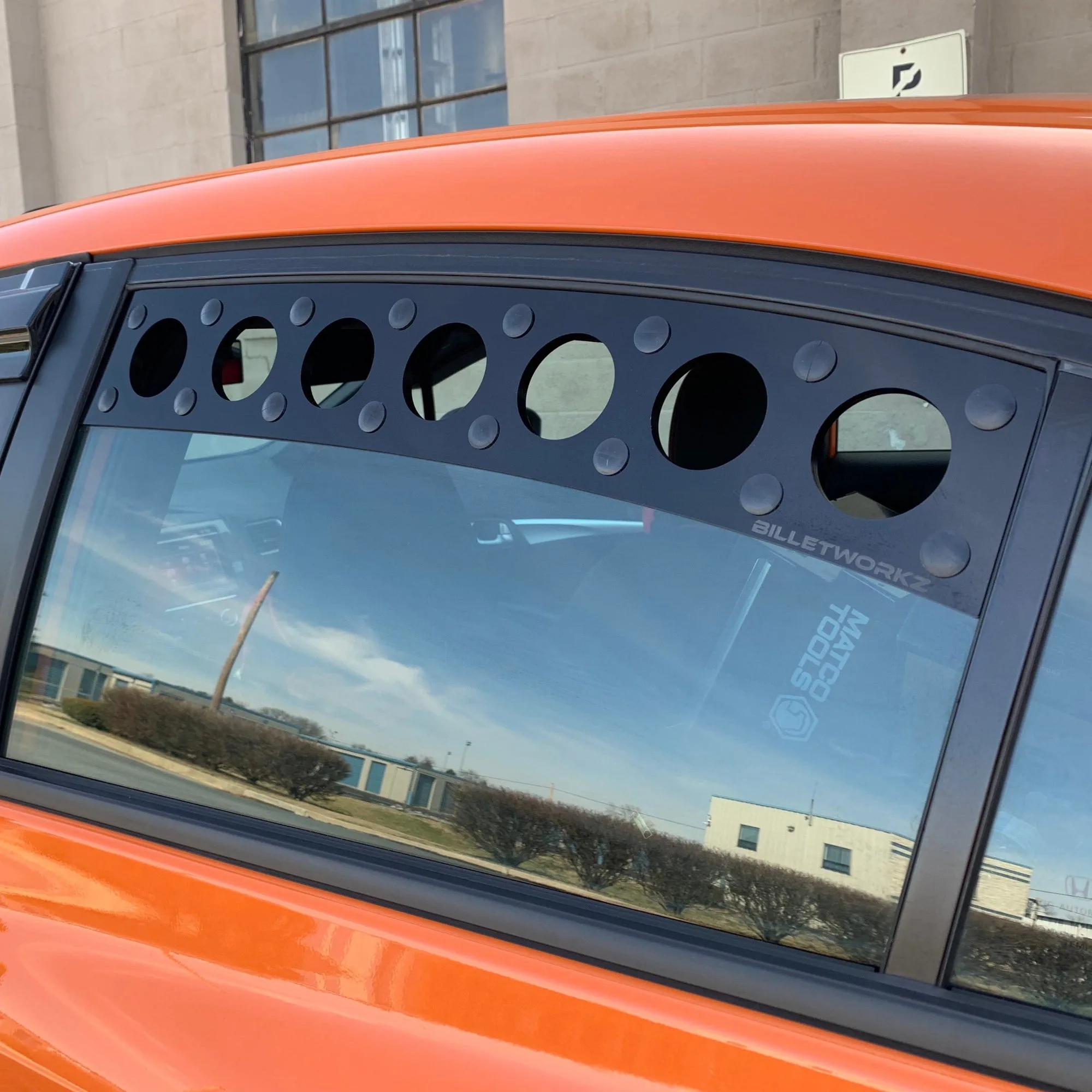
- Billetworkz Window Vents Honda Civic Sedan 2012-2015: Precision-engineered for a vehicle-specific fit, they improve cabin airflow, help reduce heat buildup, and add shade and privacy. They feature a signature circle cutout design and are available with an optional aluminum mesh insert. Window vents are the functional end of the add-on spectrum. The vehicle-specific fit is what keeps them from rattling, and the mesh insert option is the difference between an open cutout look and more coverage.
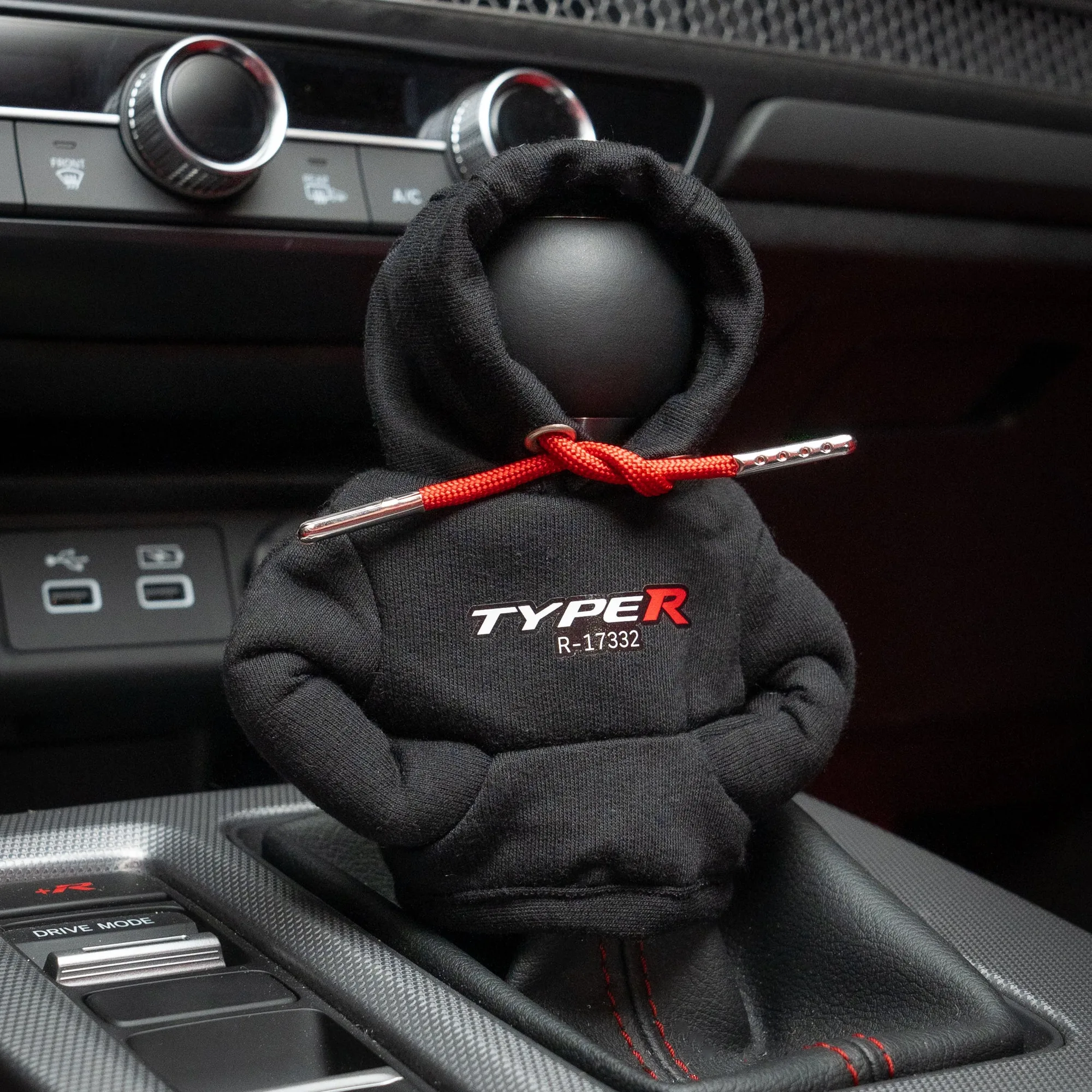
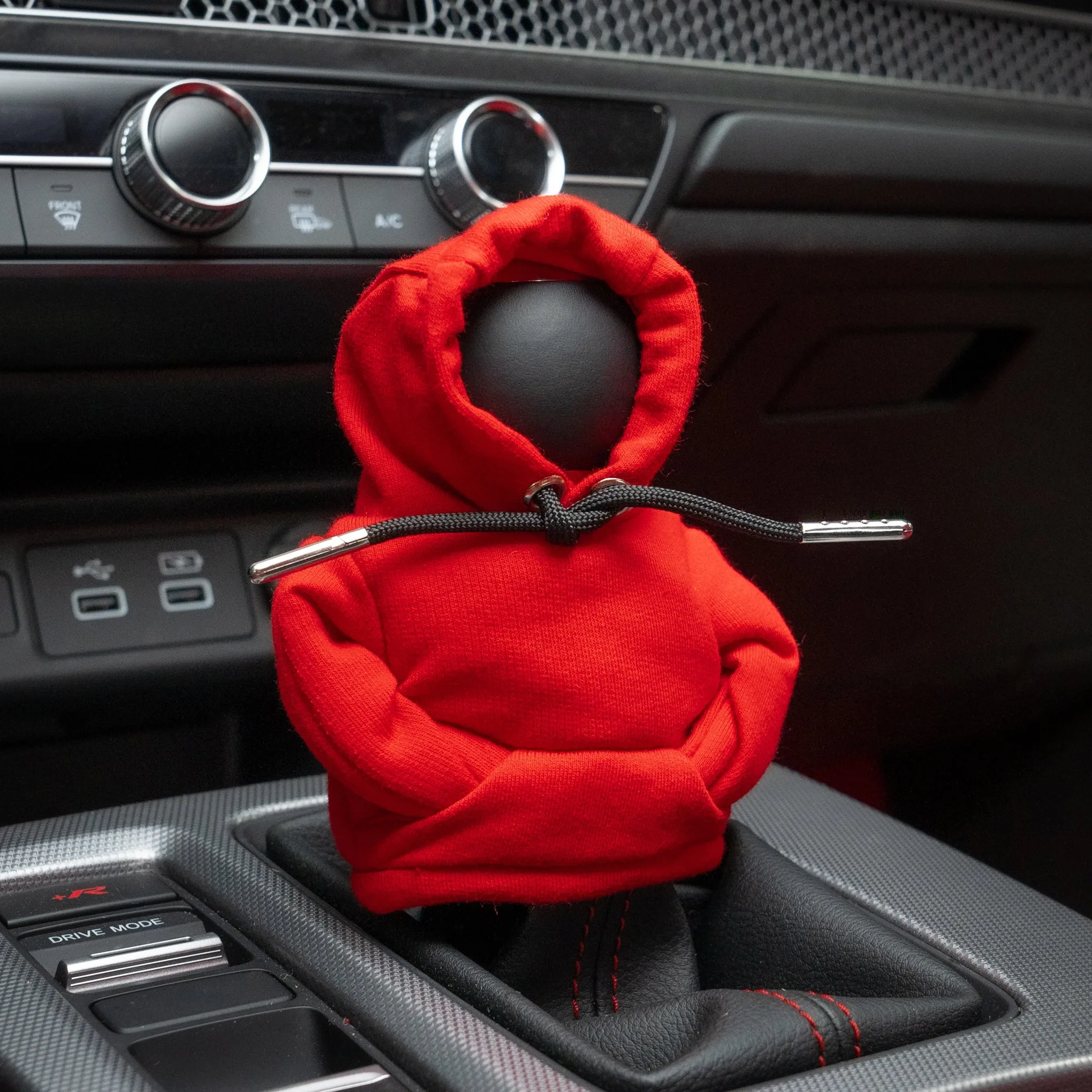
- https://billetworkzoi.com/products/shift-knob-hoodie-type-r-w-custom-number-7bbdc46ad4cb942254c419eb-2706181https://billetworkzoi.com/products/shift-knob-hoodie-type-r-ced4eaf4890236383b7f840f-2706148Shift Knob Hoodie - Type R w/ Custom Number: Shift Knob Hoodies come in a wide array of colors and patterns, and are designed to cover a shift knob that gets hot in summer or cold in winter. This version is the Type R design with a custom number option. This is the interior counterpart to a keychain: a small, reversible way to change the look and feel of a touchpoint you use every drive. The custom number option makes it a personalized piece rather than a generic cover.
Who these add-ons are for
Best for
- Owners who have finished the main interior or exterior mods and want small finishing details
- Drivers who want a personalized car accessory that does not require tools or a lift
- Anyone building a themed car and needing one more piece to repeat an accent color
Not for
- Owners who want a performance change — these parts do not add power or handling
- Drivers in areas where a front plate delete is not legal, who should skip that specific part
- Anyone looking for a single purchase to transform the whole car rather than a finishing touch
Small add-ons work when they look like decisions rather than leftovers. Pick one keychain that matches your interior hardware, one sticker or plate delete that fits the front end, and stop there. The restraint is what makes the rest of the build look finished.