Quick Verdict
If you want a bold, three‑dimensional charm that catches the eye, a keychain usually adds more personality to a planner. Pins offer a subtler, flatter accent that’s easier to layer with other decorations.
Keychains and pins are the two most popular tiny accessories for personalizing planners. Both can showcase your style, but they differ in how they attach, how visible they are, and how they interact with other planner elements.
In this comparison we look at design impact, practicality, and collectibility, using the facts we have available while noting where specific product details are missing.
Design & Visibility
Keychains are three‑dimensional objects that dangle from a planner ring or a page pocket. Their depth creates shadows and movement, making them stand out even from a distance. Pins, by contrast, lie flat against the page, offering a sleek look that blends with other stickers or washi tape. Because pins are flush, they can be layered more densely without cluttering the spread.
Without specific size or material data for the keychains and pins sold at Hubman and Chubgirl, we rely on typical industry standards: keychains often use metal or acrylic and range from 1 to 2 inches, while pins usually use metal backs with enamel or printed tops around half an inch. This limitation means we can’t quantify exact weight or durability for each item.
- Choose keychains for eye‑catching focal points; choose pins for subtle accents.
Attachment & Practicality
Keychains attach via a small ring or loop, which can be slipped onto a planner’s binding, a page tab, or a keyring. This makes them easy to move between planners or even to your keys, adding functional versatility. However, the dangling part can catch on other pages or snag when the planner is closed.
Pins use a safety‑back or butterfly clasp that pierces the paper. This provides a secure hold that won’t shift, but it creates a tiny hole and can limit placement to areas where the paper can support the pin. For planners with thin pages, pins might risk tearing.
- If you need a removable charm, keychains win; if you prefer a permanent, low‑profile mark, pins are better.
Cost & Collectibility
Keychains often come in themed sets and can be slightly pricier due to their three‑dimensional production. They also tend to be collectible, with limited‑edition designs that appeal to hobbyists. Pins are usually sold in bulk packs, making it easier to build a large library without breaking the bank.
Because we lack exact pricing for Hubman and Chubgirl’s keychains and pins, we can’t compare numbers directly. The general market trend suggests pins provide a lower entry cost, while keychains deliver higher perceived value per piece.
- Budget‑conscious planners may start with pins and upgrade to keychains for special spreads.
Key Takeaways
- Visibility: Keychains add depth and movement; pins stay flat. Pick keychains for bold statements, pins for subtle accents.
- Attachment: Keychains use loops that can be moved; pins pierce the page for a fixed hold. Choose based on whether you need removable flair or a permanent mark.
- Collectibility: Keychains often come in limited sets; pins are sold in larger, cheaper packs. Consider budget and desire for rare designs when building your collection.
Related Planner Products
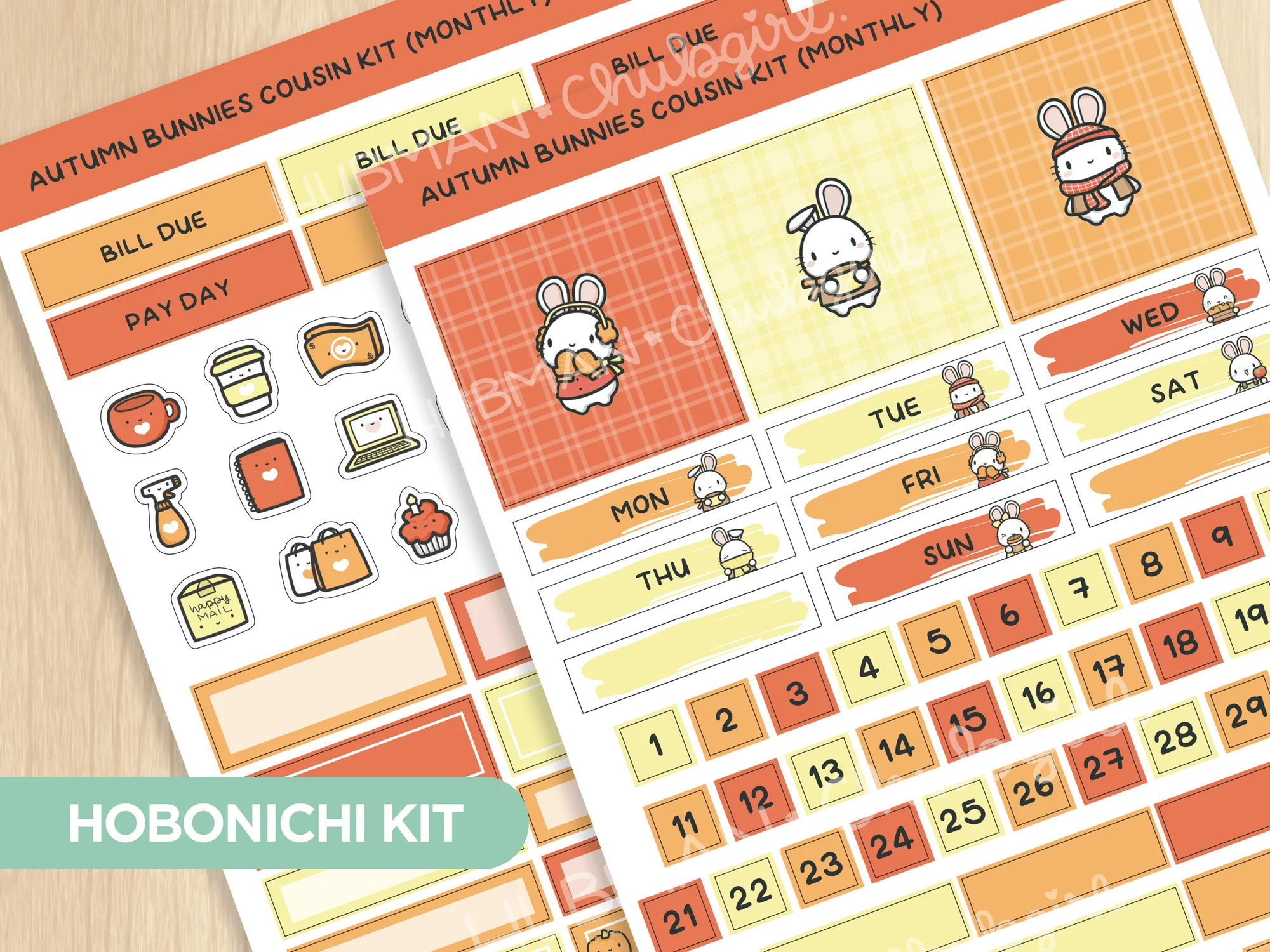
- Autumn Bunnies Hobonichi Cousin Monthly Kit (Set of 2): Comes with everything you need to decorate your month in the Hobonichi cousin planner. Printed on writable vinyl, no smudge with gel or ballpoint pens! Sheet size: 4.33"x7" Writable vinyl lets you add stickers or notes without bleed‑through, making it a solid base for both keychains and pins.
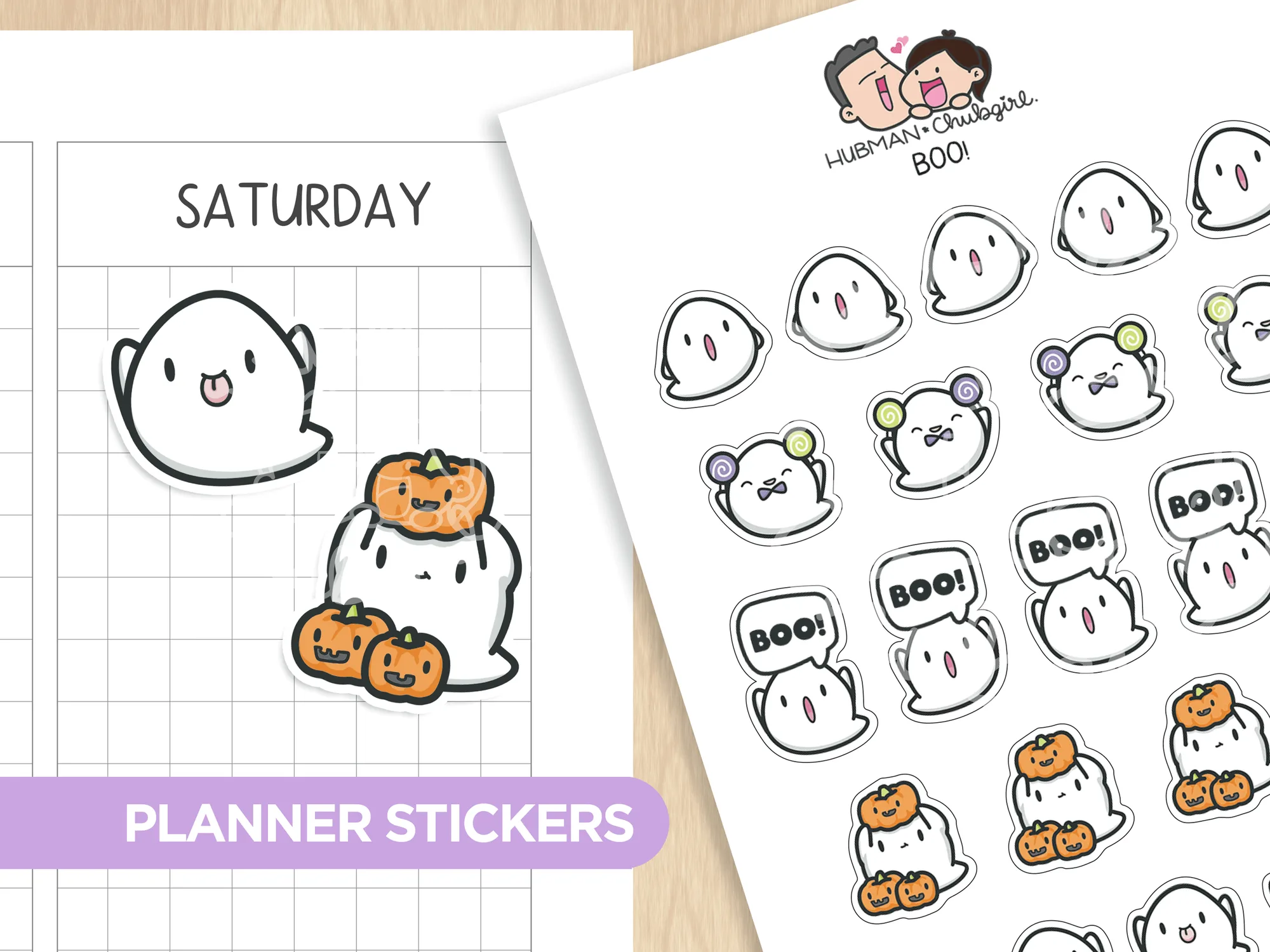
- Boo! Planner Stickers: All sticker designs are drawn by Chubgirl! Sheet size: 3.5” x 5”. High quality vinyl, waterproof. Can be peeled and re-positioned. Waterproof vinyl ensures any attached keychain or pin won’t cause sticker damage when you close the planner.
Who Should Choose Which?
Best For
- Planners that love a standout, three‑dimensional charm
- Collectors who enjoy limited‑edition accessories
May Not Suit
- Ultra‑thin planners that can’t handle pin holes
- Budget‑first users who need many small accents
Both keychains and pins have a place in a well‑styled planner. Use keychains when you want a noticeable pop of personality that can travel with you, and reach for pins when you need a low‑profile, secure accent. Mix and match to keep your spreads fresh and expressive.