Why a 250g bag changes your buying decision
A 250g bag is a commitment measured in weeks, not months. That smaller format rewards drinkers who want to finish a bag while it still tastes close to the day it was opened, and it punishes anyone who buys three bags at once and forgets the second one in a cupboard. The practical question is not whether small bags are better, but whether your weekly coffee habit matches the size.
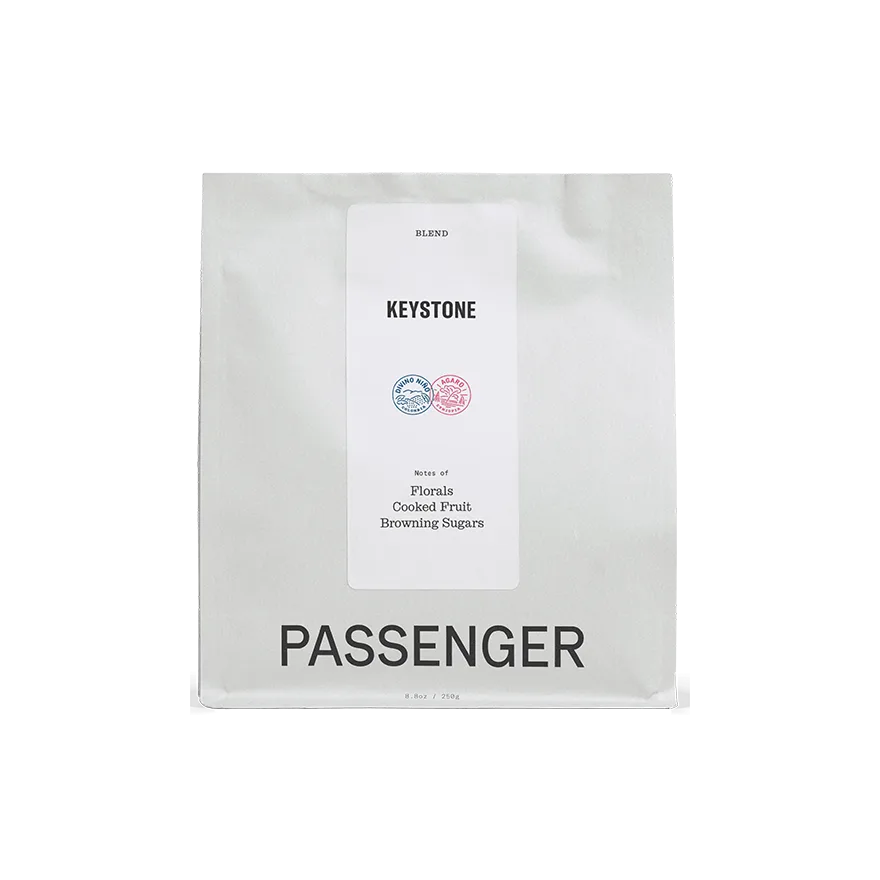
Keystone 250 gr sits in this category as a blend of two contrasting coffees: an Ethiopian component that brings aromatic floral sensations, followed by a Colombian component that adds thick caramel and ripe red fruits. The catalog describes it as best experienced as espresso, with or without milk. That profile matters for the buying decision because it tells you the bag is built around a concentrated cup, not a light filter brew.
What the Keystone 250 gr listing confirms
-
Keystone 250 gr: The blend pairs an Ethiopian component with a Colombian component: floral aromatics first, then thick caramel and ripe red fruits. The two-part flavor structure gives you a clear expectation for the cup, so you can judge whether this matches the coffee you actually enjoy before committing to the bag.
Keystone 250 gr
-
Keystone 250 gr: The catalog recommends it best experienced as espresso, with or without milk. If you mostly drink long filter coffees, this bag is not aimed at your routine; if you drink espresso or milk-based drinks, the recommendation lines up with how you brew.
-
Keystone 250 gr: It is available as whole bean. Whole bean gives you control over grind, which matters when you are dialing in espresso and want to adjust the cup rather than accept a fixed grind.
How long does a 250g bag actually last?
The honest answer depends on your dose and how many cups you make each day, and the Keystone listing does not specify a recommended dose or a shelf-life after opening. What the listing does confirm is the format: 250 grams of whole bean coffee. From there you can estimate your own timeline by weighing what you use per drink. A single espresso uses far less coffee than a large milk drink, so the same bag can last very different lengths of time in two households.
Rather than guess at a number of weeks, track it: weigh your typical dose for a few days, multiply by your daily drinks, and divide 250 grams by that figure. That gives you a realistic finish date for your own kitchen. If the answer is longer than you are comfortable with, a smaller bag or a shared purchase makes more sense than stocking up.
When buying coffee in small batches makes sense
- You drink espresso or milk drinks regularly: Keystone is described as best experienced as espresso, with or without milk, so a small bag suits a household that pulls shots or makes milk-based drinks often enough to finish it.
- You want to try before committing to a larger format: A 250g bag lets you test whether the floral-then-caramel profile suits your taste without taking on a bigger supply.
- You prefer to grind fresh per drink: Whole bean coffee is the only listed format, which pairs naturally with grinding just before brewing and finishing the bag while it is still lively.
- Your counter space is limited: A 250g bag takes up little room, which matters if you store beans in a small kitchen and do not want a large bag occupying shelf space.
When a 250g bag is the wrong buy
- You brew large filter batches daily: The catalog positions Keystone for espresso, so a filter-focused routine may find the bag less aligned with how you actually drink coffee.
- You want one bag to last a long time: Small bags trade longevity for freshness; if you dislike restocking often, a larger format may suit you better, though this listing only covers the 250g size.
- You need pre-ground coffee: The only listed option is whole bean, so you will need a grinder or a way to grind before brewing.
What the listing leaves you to decide
The Keystone 250 gr record does not include storage instructions, a roast date, or a stated shelf life after opening. That is a gap in the supplied information, not a flaw in the coffee itself. In practice, it means you should plan your own freshness routine: keep the bag sealed between uses, grind close to brewing, and finish it within a timeframe you are comfortable with based on your own dose tracking.
The buying decision comes down to fit. If you drink espresso or milk drinks and want a small, whole-bean bag with a clear floral-to-caramel arc, Keystone 250 gr is a sensible place to start. If you need a large supply, pre-ground convenience, or a filter-first coffee, this bag is not the obvious match, and that is worth knowing before you add it to your cart.