Quick answer
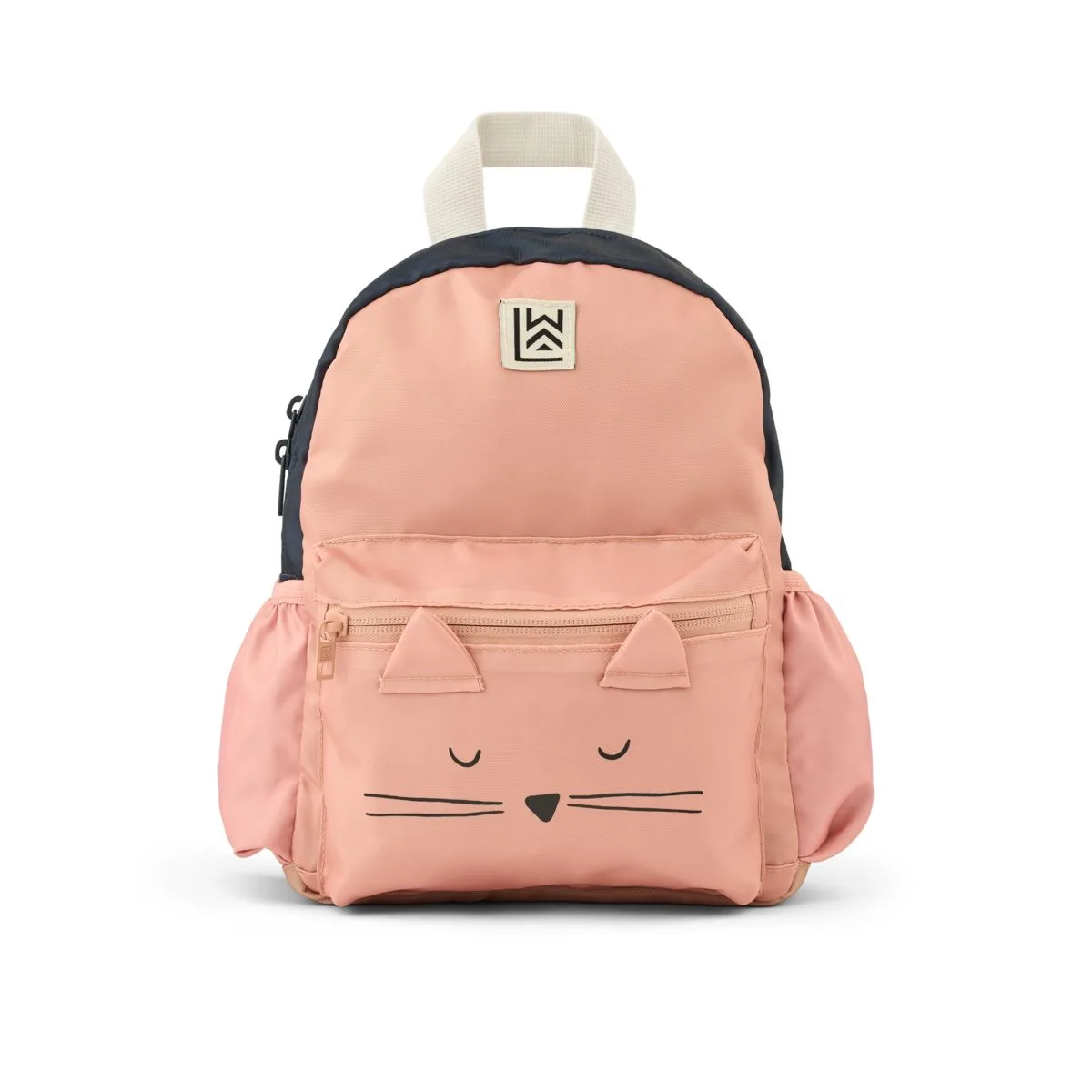
Choose a kids backpack by matching the empty pack to your child's torso, not their age: the top of the bag should sit just below the shoulders and the bottom no lower than the waist. Prioritize wide, padded straps, a lightweight build, and a size that holds only what your child carries daily. For a preschooler or kindergartener, a small lightweight pack like the ANDREAS Cat Backpack is the right starting point; for older kids, add capacity only when the load actually grows.
Measure the torso before you shop
Backpack sizing is about the distance from the top of the shoulders to the waist, not height or age. Measure that span with a soft tape while your child stands relaxed, then compare it to the pack's back length rather than its advertised liter capacity. A bag that hangs below the waist shifts weight onto the lower back, which is the most common reason a child starts slouching or complaining on the walk to school.
If you are shopping online and the back length is not listed, treat the age or size option as a rough guide only and check the return window before ordering. A pack that looks proportionate in a product photo can still be too long once it is loaded.
Strap and comfort checks that actually matter
Wide, padded shoulder straps spread pressure better than thin cord-style straps, and they should adjust short enough that the pack sits high on the back rather than sagging. A sternum strap helps on longer walks, but it is a nice-to-have for small children who only carry a light load. Test the straps with the pack loaded, because a bag that feels fine empty can dig in once a water bottle and lunch are added.
Look at the back panel too. Some padding is useful, but thick padding on a tiny frame adds weight without much benefit. For a first pack, prioritize light weight and easy adjustment over structure meant for heavy books.
Features worth paying for, and ones to skip
For toddlers and preschoolers, the useful features are simple: a top grab handle, a roomy main compartment, an easy-to-reach front pocket, and a closure your child can open without help. Multiple small rooms support independence because your child can find their own snack or spare clothes without emptying the whole bag. Skip complex buckles, laptop sleeves, and rigid frames at this stage; they add weight and frustration.
For school-age children, capacity starts to matter once homework, a lunchbox, and a water bottle travel together. Add compartments only when the daily load justifies them, and recheck the torso fit each school year, since children grow out of a pack's back length faster than they outgrow its fabric.
Material, weather, and cleaning
Most everyday kids' backpacks are made from woven synthetic fabrics that wipe clean, which is the practical choice for spills and playground dirt. If your child walks in rain, a water-resistant finish helps, but no everyday pack is fully waterproof unless the listing says so, so pack a plastic folder for papers on wet days.
Cleaning is simpler than most parents expect: empty the bag, spot-clean with mild soap and a damp cloth, and air-dry it away from direct heat. Avoid machine washing unless the care label explicitly allows it, because it can distort padding and strap stitching.
Decision rules for choosing a kids backpack
- If your child is in preschool or kindergarten: Choose a small, lightweight pack with one main compartment and one easy front pocket, sized so the bottom sits at the waist. Prioritize light weight and independent opening over capacity.
- If your child carries books or a lunchbox daily: Step up to a larger pack with padded straps and a separate compartment, then recheck the torso fit with the bag fully loaded. Capacity should follow the real daily load, not the school year.
- If the pack sags below the waist when loaded: Shorten the shoulder straps first; if it still hangs low, the back length is too long for your child right now. Fit is a return-or-exchange reason, not something to grow into.
Two packs that show the size decision in practice
- Andreas Cat Backpack - Pale tuscany multi mix: A lightweight preschool backpack sized for kindergarten or preschool, with multiple rooms and sweet cat details. This is the right shape and weight for a first independent pack, where the daily load is small and easy access matters more than capacity.
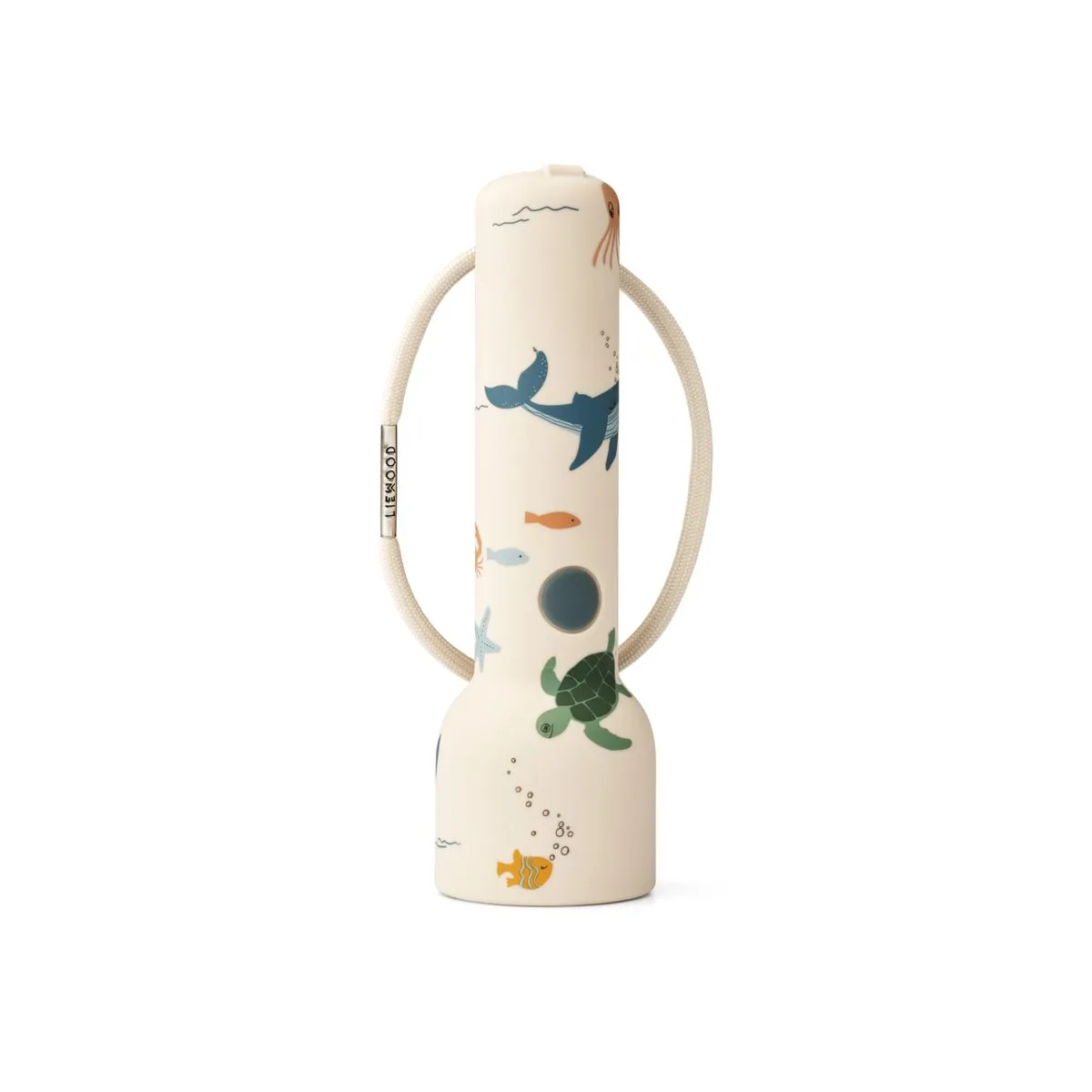
- Gry Printed Flashlight - Sea creature / Sandy: A dimmable rechargeable flashlight with a soft silicone handle and a playful print. A small light like this is the kind of item that ends up in a child's pack for after-school walks, fort-building, or overnight trips, so leave a little spare room in the bag rather than filling every pocket.
Who this guidance fits
Best for
- Parents buying a first backpack for a toddler or preschooler
- Families replacing a school backpack that sags, slips, or digs into the shoulders
- Shoppers comparing kids' backpack sizes online without being able to try the pack on
Not for
- Teenagers or older students who need a large laptop-compatible pack
- Hiking or travel packs that require a framed suspension system
- Buyers looking for a specific brand comparison rather than a sizing and comfort method