Quick answer
Choose a kids chew necklace like the Princess & the Pea Necklace or Dino Pendant if your child is past the mouthing-everything stage and needs a portable, wearable oral sensory tool. Choose a traditional silicone teether if your baby is actively teething and needs a handheld, gnawable shape. Many families use both at different stages.
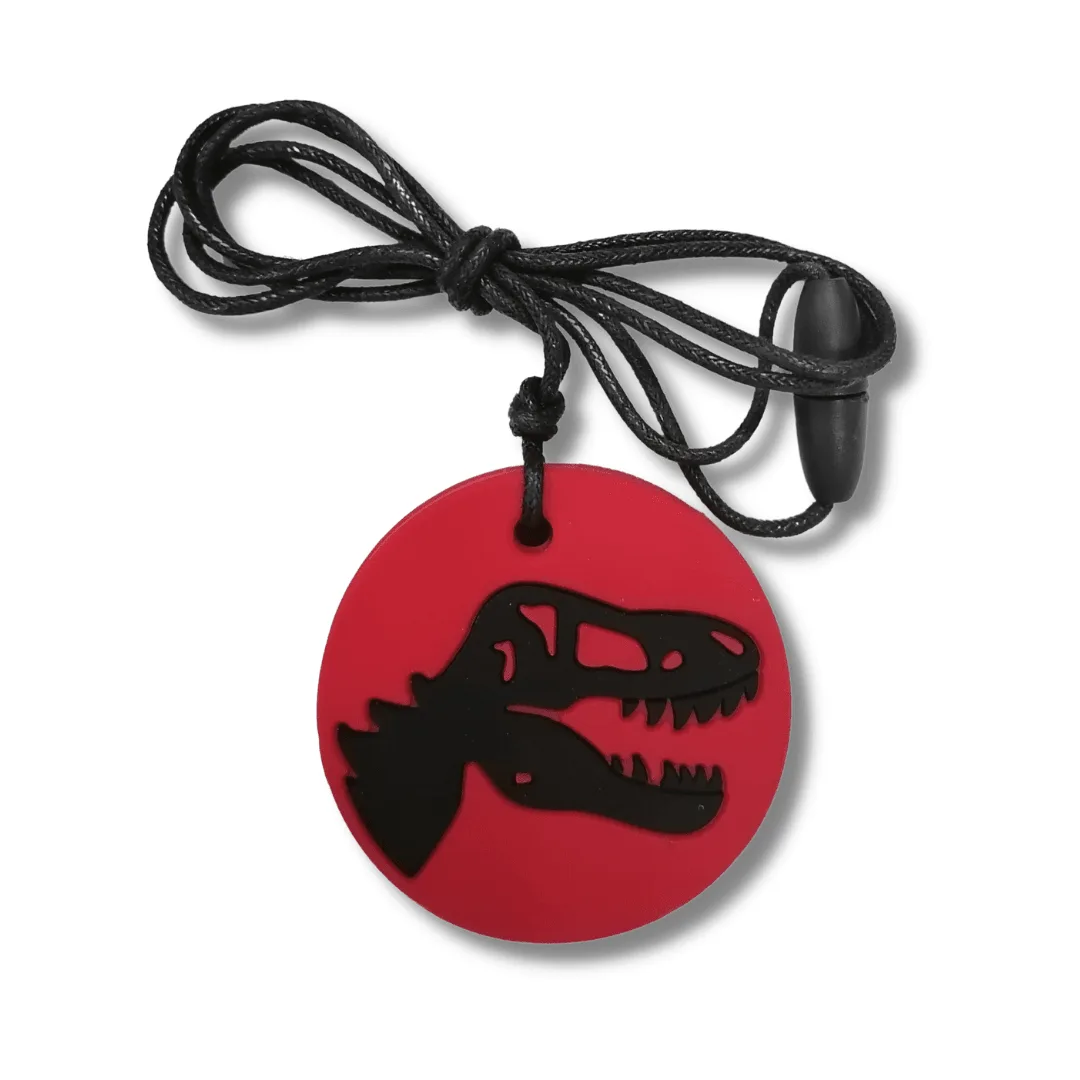
Dino Pendant
If your child chews on fingers, nails, hair, pencils, or shirt collars, you have probably wondered whether a chew pendant or a teether is the right next step. Both are oral sensory tools, but they are not interchangeable. The right choice depends on your child's age, the situations where chewing happens, and whether the tool needs to stay in their mouth or be worn around the neck.
This comparison looks at two chew pendants and several sensory toys from Jellystone Designs to show where each option fits, what trade-offs you accept, and how to match a tool to your child's actual behavior.
What a chew pendant does that a teether cannot
A chew pendant is a wearable oral sensory tool. It hangs on a necklace, so it stays with your child during school, therapy sessions, car rides, or transitions. That proximity matters: when a child feels the urge to chew, the tool is already there. The Princess & the Pea Necklace and Dino Pendant are both made from food-grade silicone beads or shapes that are safe to chew, and they redirect attention from fingers, nails, hair, and pencils. They are recommended by Occupational Therapists as a portable option for kids who need oral input on the go.
The trade-off is that a wearable pendant is not designed for a baby who is actively teething and needs to gnaw on something with both hands. A pendant hangs, so it moves. A teether is held, so a baby controls the pressure and angle. If your child is still in the stage of mouthing everything and cannot safely wear a necklace, a handheld teether is the better fit.
- Wearable pendants work best for children who can safely wear a necklace and need chewing support during daily routines.
- Handheld teethers work best for babies who need to apply pressure with their own hands.
Where silicone teethers still win
Traditional silicone teethers are designed for babies and toddlers who are actively teething. They are easy to grasp, easy to clean, and easy to swap between hands. They also tend to be larger and thicker, which gives a baby more surface area to gnaw on. If your baby is under one and still exploring everything with their mouth, a teether is the simpler, safer starting point.
The trade-off is portability and age range. A teether is not something your child can wear to kindergarten or keep around their neck during a busy school day. Once a child moves past the baby stage, a teether often gets left in a bag or lost. That is where a chew necklace takes over.
- Teethers are easy to clean and can be chilled, but check the manufacturer's instructions before cooling any silicone product.
- Teethers are not a substitute for a wearable pendant once a child needs oral input at school or during outings.
Sensory toys that support oral and calming needs
Some children need more than a chew tool. They need a way to calm their nervous system, focus their attention, or engage their hands. Jellystone Designs makes several sensory toys that support these needs alongside a chew pendant. The DIY Calm Down Bottle is a sensory bottle used by parents, teachers, and therapists to help children self-regulate their breathing and improve focus. It is not a chew tool, but it can complement a chew necklace during moments when chewing is not appropriate.
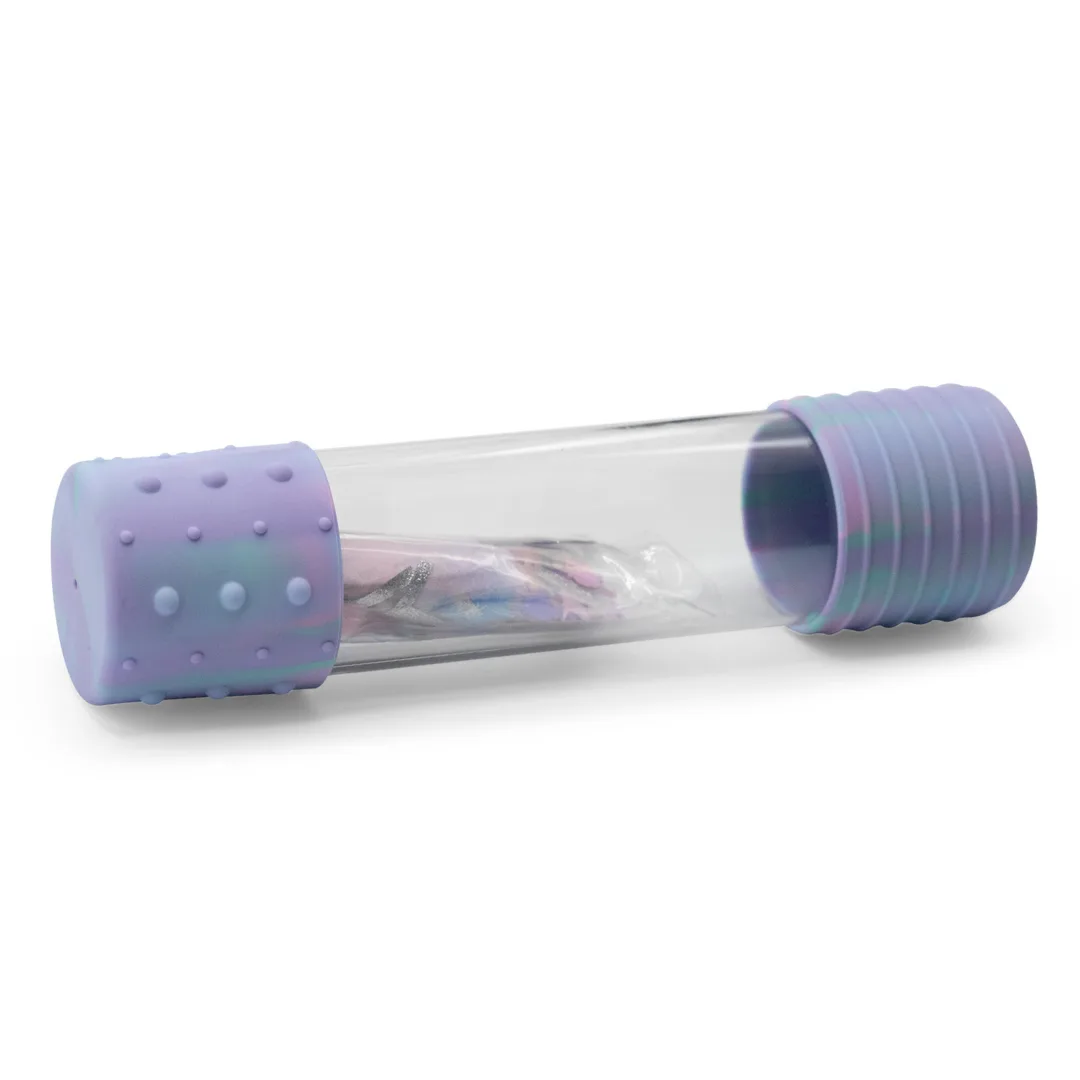
DIY Calm Down Bottle
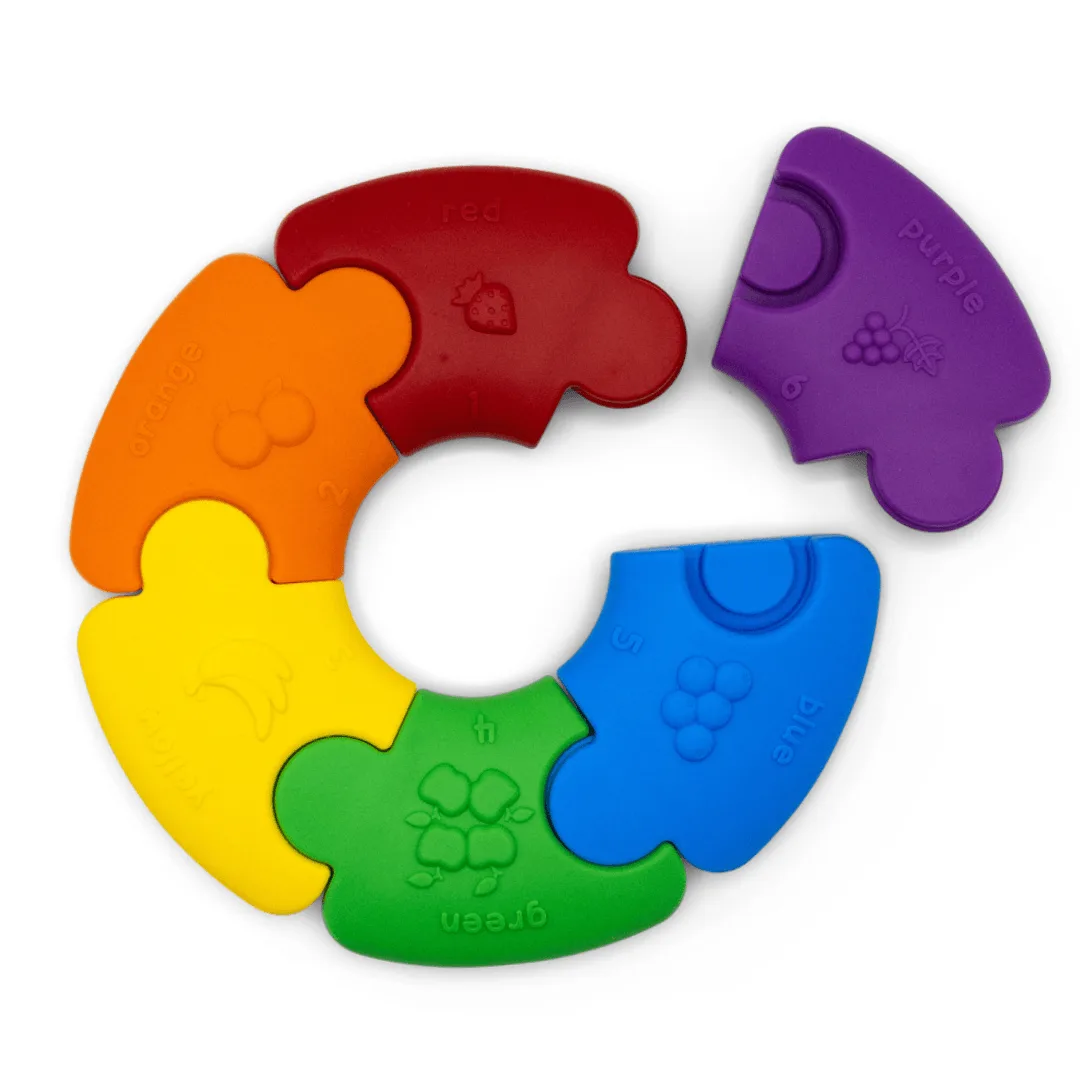
The Colour Wheel is a baby sensory toy that stimulates colour recognition and safely chewable. It helps develop problem-solving skills, number recognition, counting, hand-eye coordination, and motor skills. For a child who needs both oral input and visual or cognitive engagement, a toy like this can be a useful addition. The trade-off is that these are not wearable, so they do not solve the on-the-go chewing problem that a pendant does.
- Pair a chew pendant with a calm-down tool if your child needs both oral input and a way to regulate breathing or focus.
- Keep sensory toys in a dedicated spot so they are available when your child needs them.
Messy play and sensory bases as alternatives
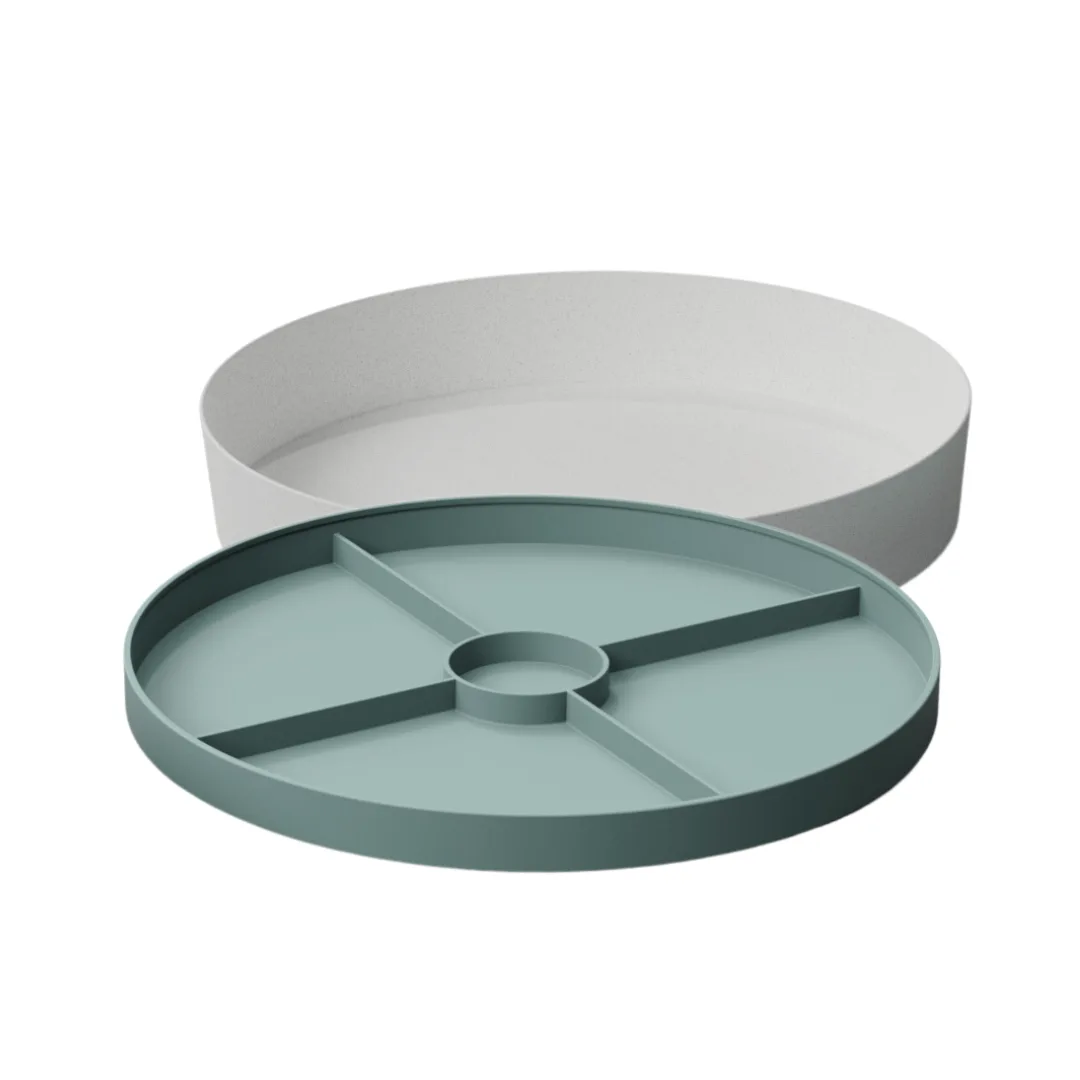
For children who seek oral sensory input through their hands and mouths, messy play can be a helpful outlet. The Tray Play is a 2-in-1 sensory tray where you can create a mini world in the bamboo fibre and melamine base or the silicone lid. The lid features textured illustrations of nature, space, and garden creatures. It is designed for all forms of play, including messy play, creative play, and more.
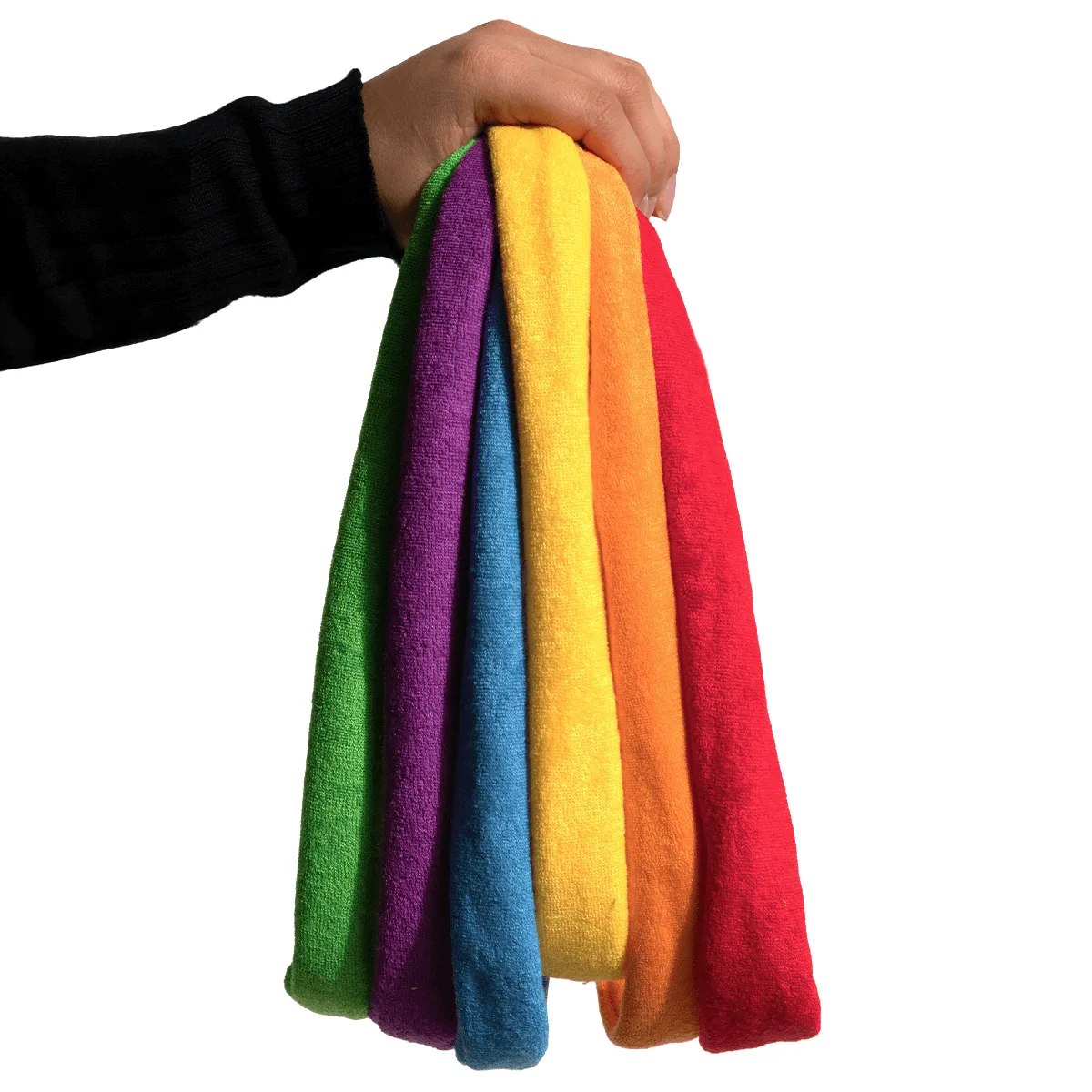
SENSORY SNOW is a squishy sensory base that has to be squeezed to be believed. It is designed to spark imagination, ignite creativity, and keep hands engaged. It is Occupational Therapist recommended and portable. These options do not replace a chew pendant or teether, but they can reduce the need for oral stimulation by giving children another sensory channel. The trade-off is setup and cleanup time, which makes them less practical for quick outings.
- Use messy play as a planned activity, not a quick fix for a chewing urge in the car or classroom.
- Sensory bases can be stored and reused if you follow the care instructions.
Trade-offs to weigh before you choose
- Wearable vs. handheld: A chew pendant stays with your child and is always available, but it requires the child to safely wear a necklace. A teether is held and controlled by the child, but it can be dropped or left behind. Choose wearable if your child is constantly chewing on clothing or fingers during daily activities. Choose handheld if your child is still mouthing everything and cannot manage a necklace.
- Age and developmental stage: Chew pendants are generally for children who have moved past the baby stage and can follow safety instructions. Teethers are designed for babies who are actively teething and need to gnaw. Match the tool to your child's current stage, not the stage you expect them to reach next month.
- Sensory need vs. calming need: A chew pendant provides oral sensory input. A calm-down bottle or sensory tray provides visual, tactile, or breathing-based regulation. Some children need both, and one does not replace the other. If your child chews when anxious or overwhelmed, pair a chew pendant with a calming tool like the DIY Calm Down Bottle.
Product facts at a glance
- Princess & the Pea Necklace: Comprised of silicone beads of different colours, it doubles as a mobile sensory tool as each bead is made from food-grade silicone, safe for kids to chew on and redirect their attention from chewing fingers, nails, hair, pencils etc. A wearable option that keeps a safe chew tool within reach, especially for kids who chew on non-food items during the day.
- Dino Pendant: The silicone Dino Pendant on this necklace is available in a range of their favourite colours and is recommended by Occupational Therapists as a reliable and comforting friend your child can rely on when big emotions threaten to cloud their day. A pendant that supports emotional regulation and gives kids a comforting, portable tool they can wear.
- DIY Calm Down Bottle: Sensory bottles have been used by parents, teachers, and therapists to help children self-regulate their breathing and improve their focus. A complementary tool for moments when chewing is not appropriate but your child still needs help calming down or focusing.
- Colour Wheel: Fun and safely chewable, this award-winning toy helps to develop problem-solving skills, number recognition and counting, hand-eye coordination and essential motor skills. A handheld option that combines chewing with developmental play, useful for younger children who are not ready for a necklace.
Which option fits your child?
Best for
- Children who chew on fingers, nails, hair, pencils, or clothing during school, therapy, or outings.
- Kids who need a portable oral sensory tool they can wear and access without stopping an activity.
- Families looking for a silicone teether alternative for older children who have outgrown baby teethers.
Not for
- Babies who are actively teething and need a handheld, gnawable shape they can control with both hands.
- Children who cannot safely wear a necklace or who may pull on it unsafely.
- Anyone looking for a calming or focus tool rather than an oral sensory tool; a sensory bottle or tray is a better fit.
There is no single right answer for every child. If your child needs oral input on the go and can safely wear a necklace, a kids chew necklace like the Princess & the Pea Necklace or Dino Pendant is the practical choice. If your baby is still teething and needs a handheld tool, start with a teether or a safely chewable toy like the Colour Wheel. Many families end up using both at different stages, and that is perfectly fine.