Start by deciding what each shelf should hold
The Martha Stewart Kids' Media System Bookshelves and Bins is not a single-purpose bookcase. Its differently-sized shelves, textured fabric bins and closed compartment give you several storage types in one piece, so the setup works best when you assign each area a job before anything goes on the shelves.
Walk through the room and sort what needs a home into three rough groups: books and media, loose toys, and collections your child wants to display. That grouping will guide where you place bins and what stays open.
What the unit gives you to work with
-
Martha Stewart Kids' Media System Bookshelves and Bins: Differently-sized shelves, textured fabric bins and a closed compartment allow for organization and curation. These three storage types let you separate books, loose toys and items that should stay out of sight instead of mixing everything on open shelves.
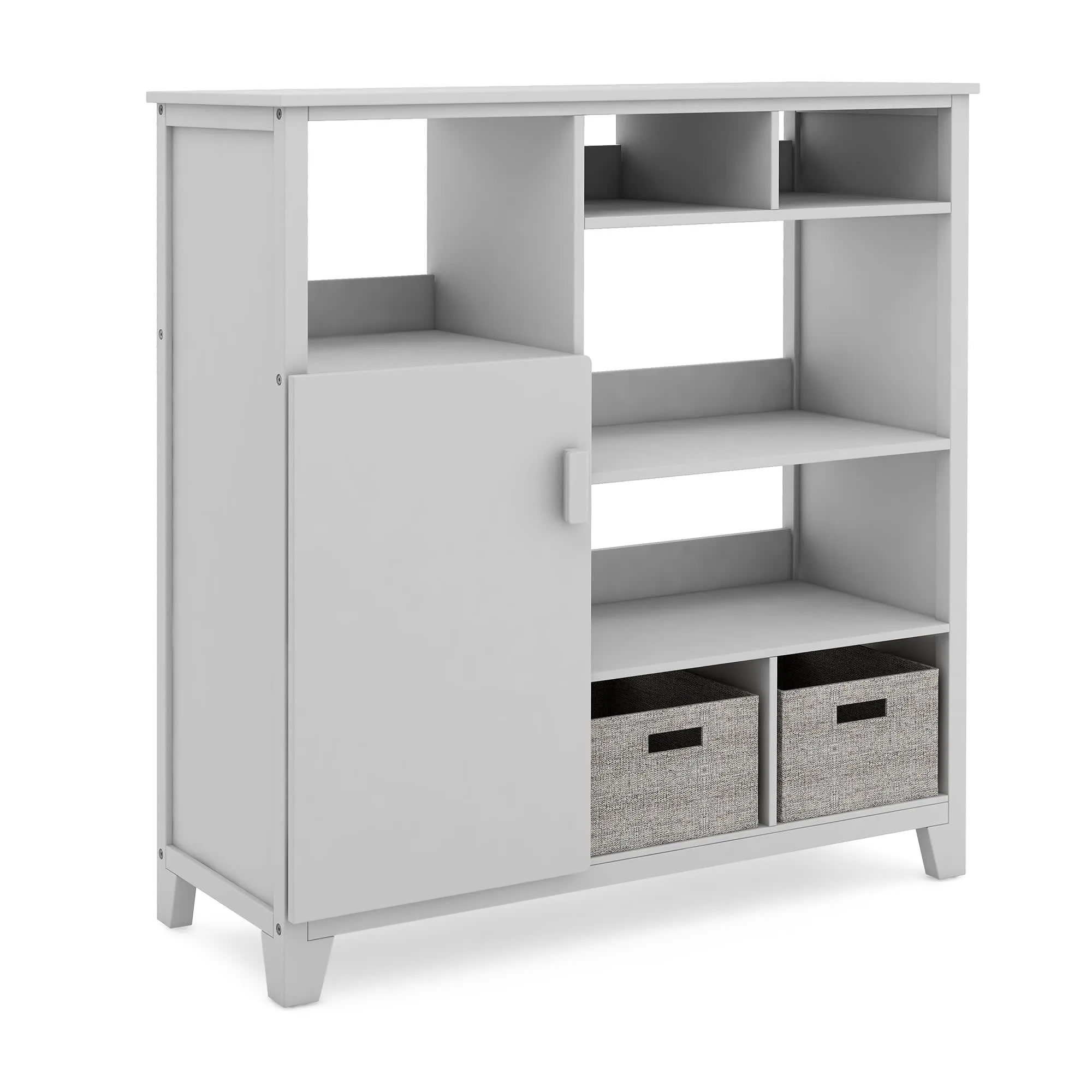
Martha Stewart Kids' Media System Bookshelves and Bins
-
Martha Stewart Kids' Media System Bookshelves and Bins: The Kids' Media System is described as a unique storage solution for spaces where children live, learn and play. The unit is intended for shared living and learning areas, so the setup should support both reading and play rather than only one.
-
Martha Stewart Kids' Media System Bookshelves and Bins: Designed for children ages 4–12. The listed age range tells you who the storage is planned around, which helps you decide which shelves should be reachable and which can hold items adults manage.
Set up the zone in four passes
Work through these passes in order so you are not moving the same stack of books twice.
- 1. Place the unit where the activity happens: Put the bookshelves and bins in the room where your child reads, does homework or plays, since the collection is designed for bedrooms, playrooms and home learning spaces. Leave enough room to open the closed compartment and reach the fabric bins.
- 2. Assign the open shelves to books and media: Use the differently-sized shelves for books, magazines and media cases. Group by type or by child so the shelf has a visible logic your child can follow when putting things back.
- 3. Fill the fabric bins with loose toys: Give each textured fabric bin one category, such as building pieces, small figures or art supplies. Bins work best for items that are awkward to stack on an open shelf.
- 4. Reserve the closed compartment for curation: Use the closed compartment for collections, finished projects or items that need to stay tidy and out of sight. This is also a sensible place for anything you want to keep away from younger visitors.
Toy storage organizer ideas that fit this unit
- One bin, one category: Label each fabric bin with a word or picture so your child can reset the shelf without asking. Keep the categories broad enough that cleanup stays quick.
- Keep current favorites at child height: Place the books and bins your child uses most on the shelves they can reach, and move seasonal or occasional items higher.
- Leave one shelf open for display: The collection is built around the idea that children create, collect and curate. An open shelf for a rotating collection gives that idea a place to happen.
- Use the closed compartment as a reset zone: When the open shelves get crowded, move overflow into the closed compartment rather than stacking it on top of the unit.
Make the shelf easy for a child to reset
A storage setup only works if it survives a week of use. Photograph the finished shelf, or draw a simple picture of which bin goes where, and tape it inside the closed compartment door. That gives your child a reference that does not depend on an adult explaining the system again.
Keep the number of categories small. If a bin is overflowing, the category is probably too broad; split it or move part of the contents to another shelf rather than compressing everything into one bin.
Where the unit fits in a shared room
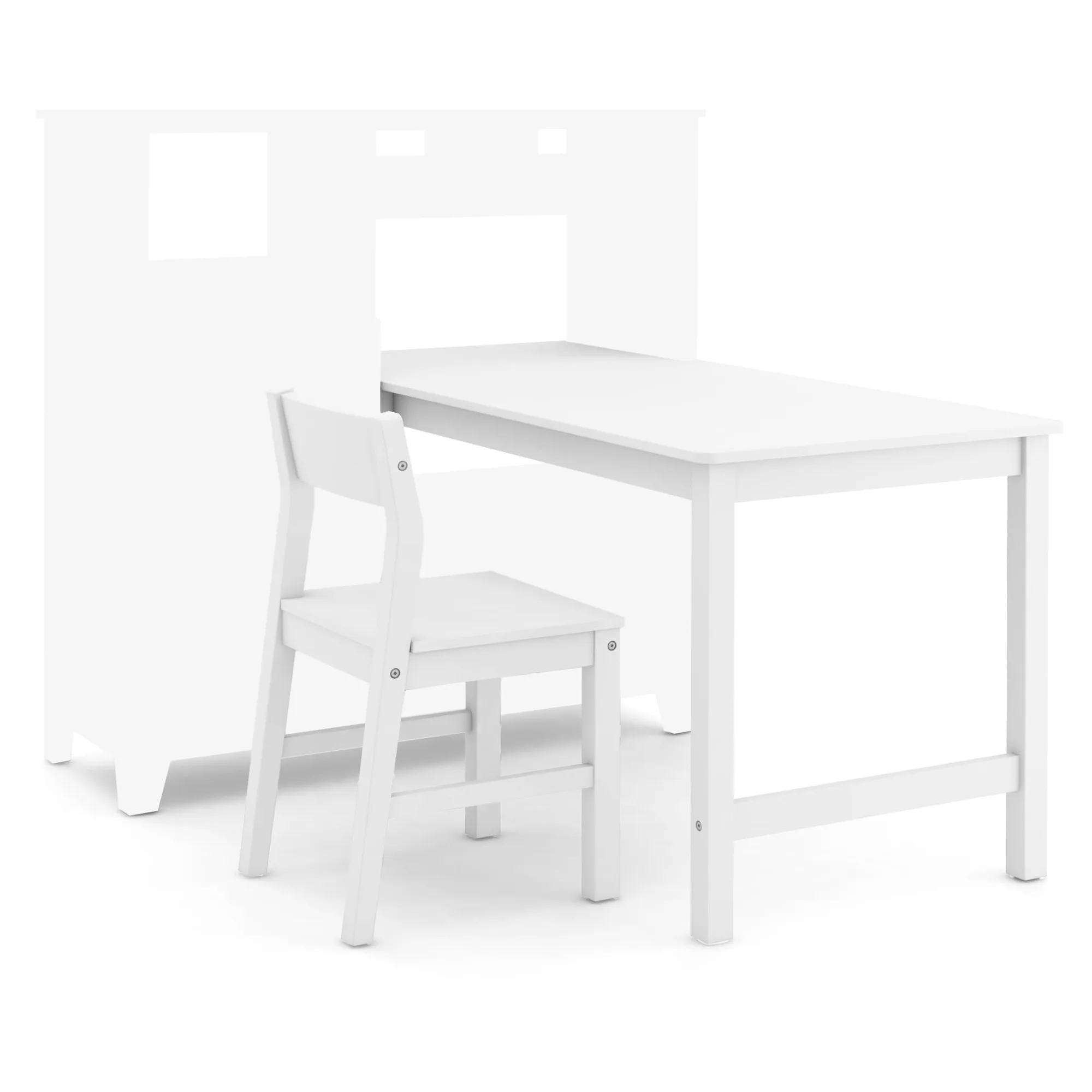
The Kids' Media System can be combined with the Desk Extension, which is sold separately, to create a corner desk solution. If your child does homework in the same room, that combination lets the storage and work surface share a corner instead of competing for wall space.
The collection is available in a Gray finish, and the supplied information describes versatile finishes that come together across bedrooms, playrooms and reading corners. Check the color against the room before you commit, since a large storage piece sets the tone for the space.
Price and collection context
- Martha Stewart Kids' Media System Bookshelves and Bins: Catalog price is USD 244.98, with a catalog comparison price of USD 489.95. The listed comparison price gives you a reference point when weighing the unit against other playroom storage.
- Martha Stewart Kids' Media System Bookshelves and Bins: The Martha Stewart Living and Learning Kids' Collection by Guidecraft includes desks, tables, reading nooks and versatile storage. If you plan to add pieces later, knowing the collection's scope helps you choose a finish and style that will coordinate.
What the supplied information does not confirm
The supplied product information does not include assembly steps, wall-anchoring instructions or a weight limit for the shelves, so follow the assembly documentation that comes with the unit and do not assume a load capacity. It also does not confirm dimensions, so measure your space before ordering. The supplied care information is limited to the finishes and materials described; it does not give a cleaning procedure for the fabric bins, so check the bin labels or manufacturer guidance before washing them.