Start with the label, not the routine
A calmer bedtime for kids rarely comes from adding one more step. It comes from removing friction and keeping the steps you do have predictable. OLLY Kids Sleep is designed for occasional restless nights, not for every night or for diagnosed sleep problems. The supplied product information describes a mild blend of melatonin, L-theanine, and botanical extracts in a Razzzberry flavor with other natural flavors. It does not include preparation instructions, age guidance, or safety warnings, so those details need to come from the product label or a healthcare professional—not from a blog post.
That gap matters. Before you build any routine around this supplement, read the actual package label for serving size, age suitability, and any warnings. If the label is not clear, ask a pediatrician or pharmacist. The routine below is a structure for using the product responsibly, not a substitute for that check.
What the product record confirms
-
Kids Sleep: Kids Sleep is described as a mild blend for occasional restless nights, with melatonin, L-theanine, and botanical extracts. This tells you the intended use is occasional, not nightly, and the formula is positioned as mild rather than maximum strength.
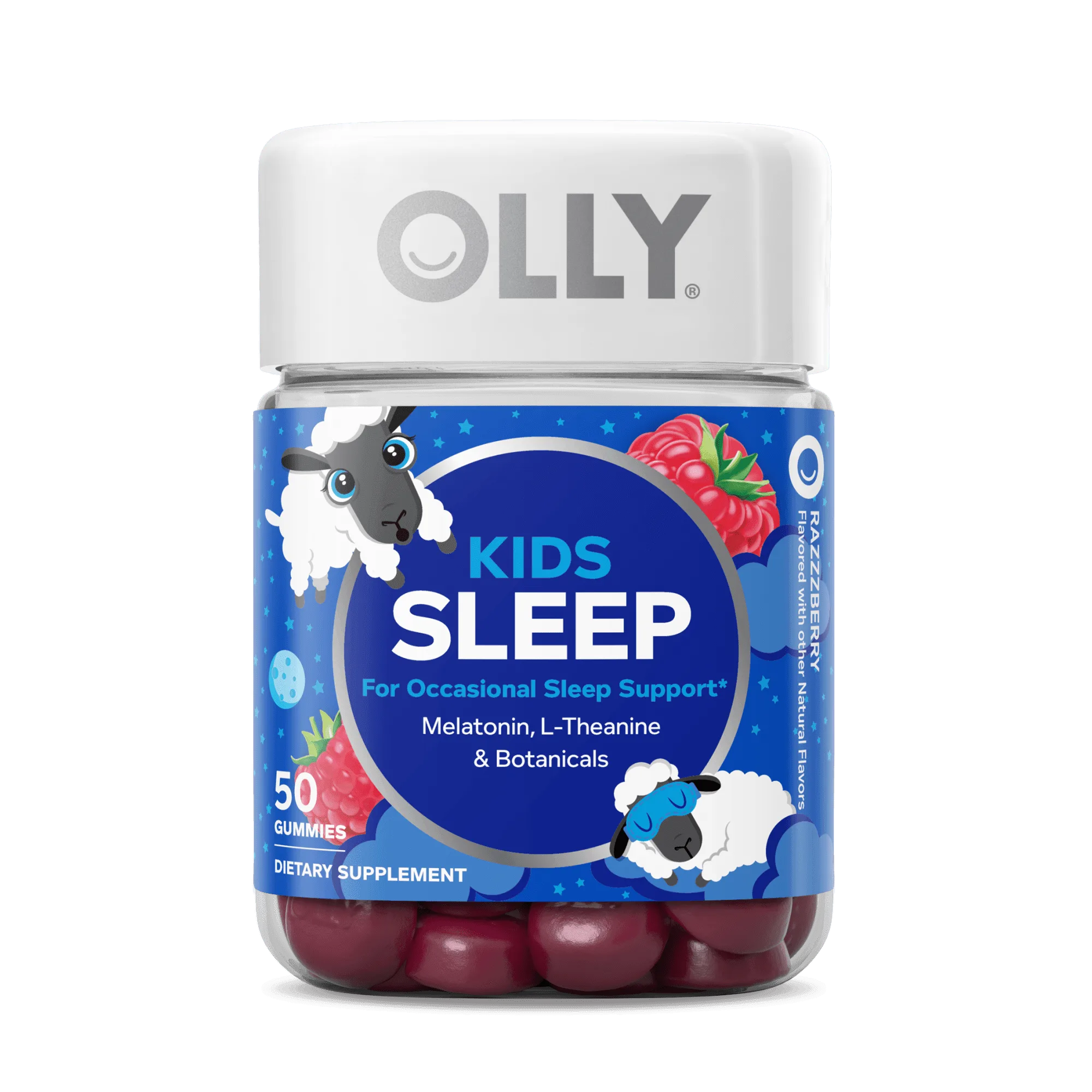
Kids Sleep
-
Kids Sleep: Available options are 25 Servings, 35 Servings, and a 30 Serving Pouch. The serving count helps you match supply to how often you expect to use it—occasional use may call for a smaller count, while a pouch can be a practical format for travel or shared use.
-
Kids Sleep: The flavor is Razzzberry with other natural flavors. Flavor can affect whether a child accepts a supplement, so it is worth knowing before you introduce it into a bedtime routine.
A simple routine that puts the supplement in its place
The goal is not to build a long ritual. It is to make the hour before bed feel the same each night, so the supplement is one small part of a predictable sequence rather than a standalone fix.
- 1. Set a consistent lights-out time: Pick a bedtime you can keep most nights, including weekends. Consistency is the backbone of a calmer bedtime for kids, and it gives the supplement a stable context.
- 2. Create a short wind-down window: Choose two or three quiet activities—bath, pajamas, a book—and do them in the same order. Keep screens out of this window if that is already your household rule.
- 3. Check the label before offering the supplement: Confirm the serving size and age guidance on the package. The supplied product record does not include these details, so do not guess based on the serving count alone.
- 4. Offer it at the same point in the routine: Place it where it fits naturally—for example, after brushing teeth and before the bedtime story. The exact timing is not specified in the supplied information, so follow the label or ask a professional if timing matters for your child.
- 5. Keep the rest of the routine unchanged: Do not add new activities on the same night you introduce the supplement. That way, if bedtime goes well or poorly, you have a clearer sense of what changed.
Choose the serving count that matches occasional use
Kids Sleep comes in 25 Servings, 35 Servings, and a 30 Serving Pouch. If you plan to use it only for occasional restless nights, a smaller count may be enough to see whether it fits your family's routine. The pouch format can be easier to store or travel with, but the supplied information does not describe the pouch's individual packaging or portability features, so check the product page or package for those details.
Price is listed at USD 7.00 with a catalog comparison price of USD 13.99. That is useful context, but it should not drive the decision. The more important question is whether the product is appropriate for your child and whether occasional use matches your expectations.
Checkpoints that tell you whether the routine is working
The supplied product information does not include a timeline for expected effects. Rather than inventing one, use these practical checkpoints to judge the routine as a whole.
- Bedtime feels more predictable: If your child knows what comes next and resists less at lights-out, the routine is doing its job—regardless of the supplement.
- The supplement is used occasionally, not nightly: The product is described for occasional restless nights. If you find yourself reaching for it every night, that is a signal to talk to a healthcare professional rather than to keep improvising.
- You can point to a specific reason you used it: Occasional use works best when you can name the trigger—travel, a late event, an unusually exciting day—rather than using it as a default.
- No new concerns appear: The supplied information does not list side effects or interactions. If you notice anything unusual, stop and consult a pediatrician or pharmacist.
What this product is not designed to do
Kids Sleep is not a treatment for insomnia, anxiety, or any diagnosed sleep disorder, and the supplied information does not support using it as a long-term nightly solution. It is also not a substitute for a consistent bedtime, a dark and quiet room, or a wind-down period. If restless nights are frequent or affecting your child's daytime behavior, the right next step is a conversation with a healthcare professional—not a larger serving or a more elaborate routine.
The label details that matter most—age range, serving size, and safety warnings—are not included in the supplied product record. Treat that as a prompt to read the package carefully, not as a reason to guess. A calmer bedtime for kids starts with a routine you can repeat and a supplement used within its intended, occasional role.