Quick Answer
To choose the right kids' socks, measure your child's foot length and match it to a size chart, then pick a material that suits the season and activity. For everyday wear, organic cotton socks offer breathability and comfort, while wool or synthetic blends provide warmth and durability for colder days.
Finding the perfect pair of socks for your child can be trickier than it seems. With so many sizes, materials, and styles, it's easy to end up with socks that are too tight, too loose, or that wear out after a few washes. This guide will help you navigate the world of kids' socks, from understanding size charts to choosing the best materials for different needs.
Whether you're shopping for a newborn, a toddler, or a school-aged child, the right socks can make a big difference in comfort and foot health. We'll cover the key factors to consider, including foot measurement, sock sizing, and material properties, so you can make informed choices that keep your child's feet happy.
How to Measure Your Child's Foot for Socks
Before you can choose the right size, you need to know your child's foot length. Place your child's foot on a piece of paper and mark the heel and the longest toe. Measure the distance in centimeters or inches, then use a sock size chart to find the corresponding size. Remember that socks should have a little room to grow, but not so much that they bunch up or slip.
Sock sizes are often based on shoe sizes, but they can vary by brand. Always check the specific size chart for the brand you're buying. If your child is between sizes, it's usually better to size up, especially for younger children who grow quickly. For toddlers, look for socks with a snug but not tight fit, and check the heel and toe areas for proper alignment.
- Measure both feet and use the larger one as your guide.
- Add about 0.5 to 1 cm (0.2 to 0.4 inches) for growth room.
- Check the sock's stretch: it should fit without leaving marks on the skin.
Choosing the Right Material for Kids' Socks
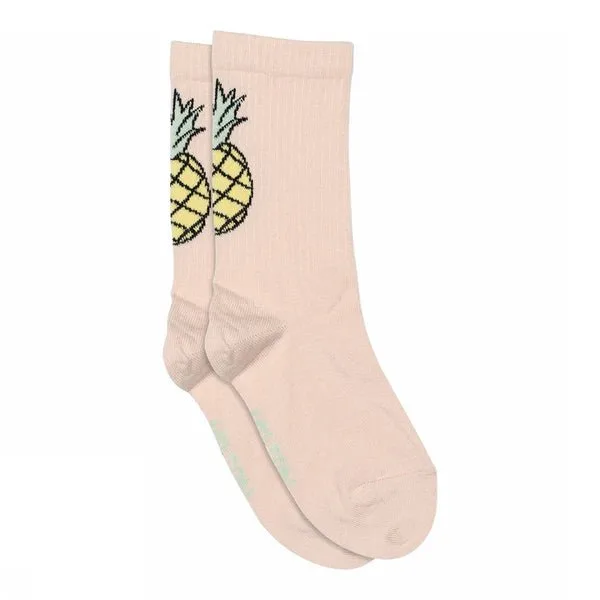
The material of the sock affects comfort, breathability, and durability. Cotton is a popular choice for everyday wear because it's soft, breathable, and gentle on sensitive skin. For active kids, look for cotton blends with a bit of spandex or elastane for stretch and shape retention. Organic cotton is an excellent option for children with sensitive skin or allergies, as it's grown without harsh chemicals.
For colder weather, wool socks provide warmth even when damp, making them great for outdoor activities. However, some children find wool itchy, so look for merino wool or blends that are softer. Synthetic materials like polyester and nylon are durable and quick-drying, making them ideal for sports or rainy days, but they may not be as breathable as natural fibers.
- For everyday wear, opt for cotton or cotton blends.
- For winter, choose wool or thermal socks.
- For sports, consider moisture-wicking synthetics.
Sock Features to Consider for Toddlers and Babies
Babies and toddlers have specific needs when it comes to socks. For babies, look for socks with a soft, non-binding top to avoid marks on their delicate legs. Some socks have grips on the bottom to prevent slipping on smooth floors, which is especially useful for toddlers learning to walk. Seamless toes are another feature to look for, as they reduce irritation and are more comfortable for little feet.
For older kids, consider the height of the sock. Ankle socks are great for everyday wear, while crew or knee-high socks provide extra warmth and protection. Also, think about the occasion: dress socks for formal events, sport socks for athletic activities, and cozy socks for lounging at home.
- Look for non-binding tops for babies.
- Grippy soles help prevent slips for toddlers.
- Seamless toes reduce irritation.
Decision Rules for Choosing Kids' Socks
- Measure and match size: Always measure your child's foot length and compare to the brand's size chart. If between sizes, size up for growing room. A proper fit prevents blisters and discomfort.
- Choose material by season: Use cotton for warm weather, wool for cold, and synthetics for sports or wet conditions. The right material keeps feet comfortable and healthy.
- Consider age-specific features: For babies, choose non-binding tops and seamless toes. For toddlers, add grips on the sole for safety. Age-appropriate features enhance comfort and safety.
Related Products to Consider
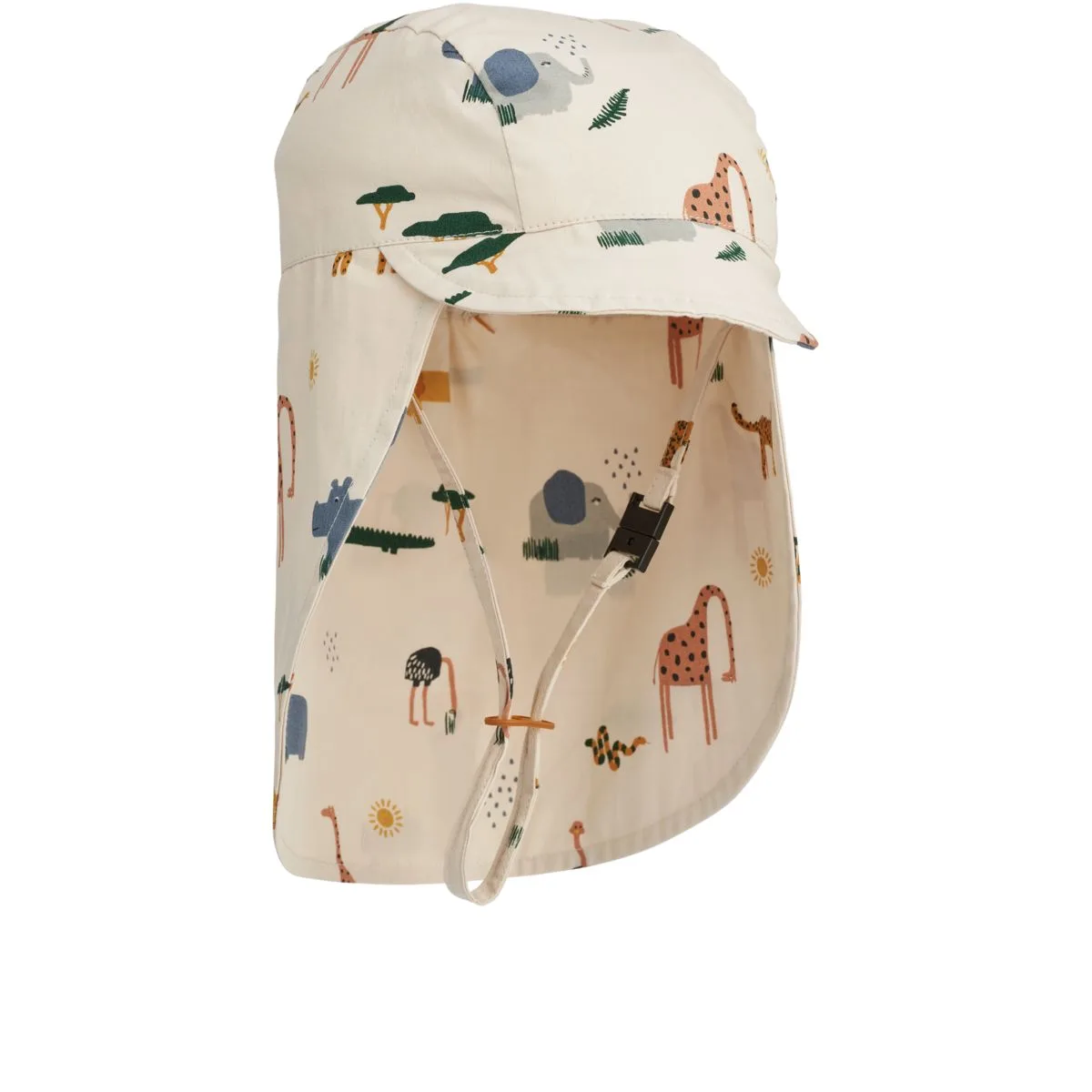
- Cecilia Sun Hat - Safari sandy mix: A cute and practical sun hat for smaller children with an extra-long neck flap for the best possible sun protection. The lightweight CECILIA sun hat is made from organic cotton, providing a breathable and comfortable feeling on warm days. While not socks, this hat complements summer outfits and shares the same organic cotton material that's gentle on sensitive skin.
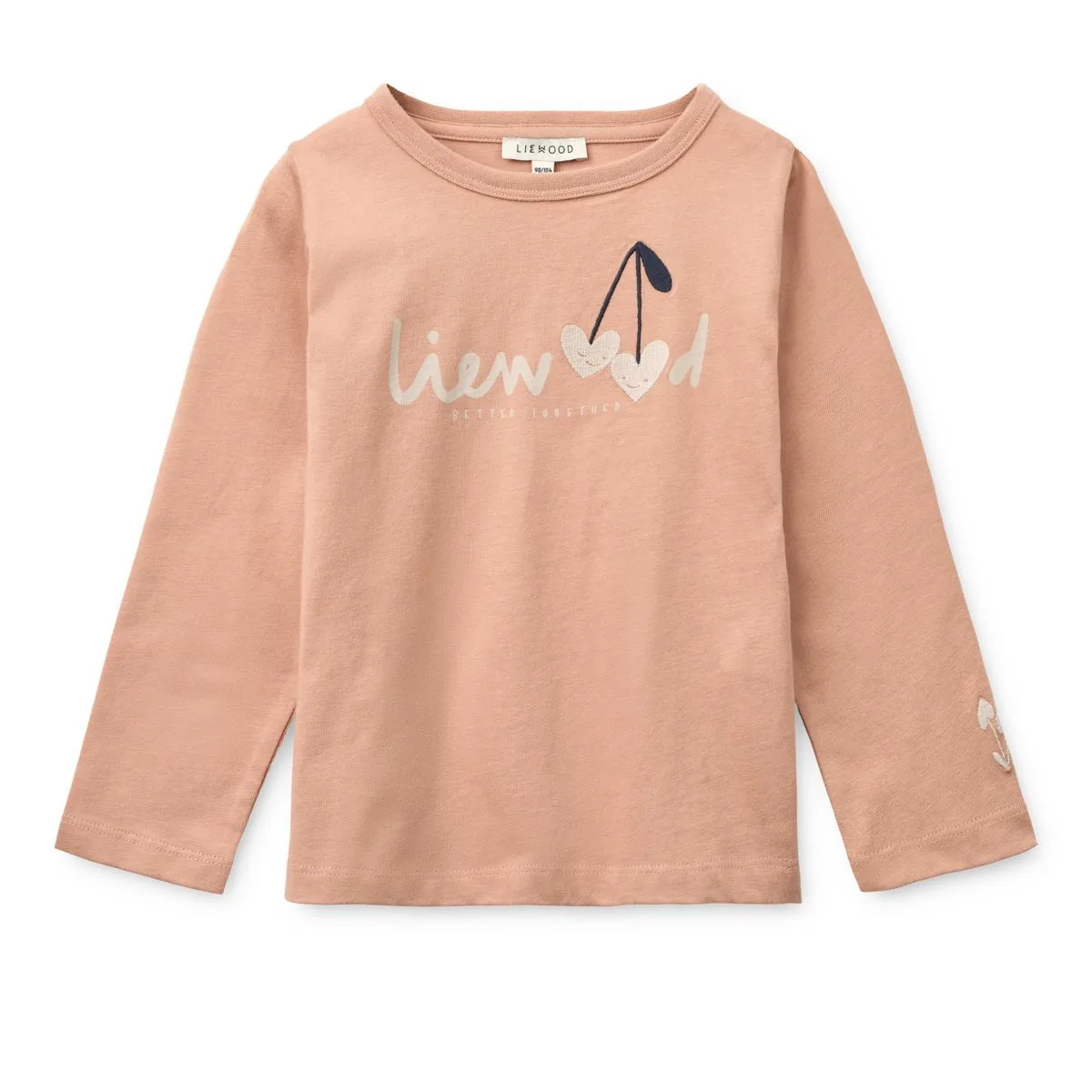
- Apia Long-sleeve t-shirt - Sweethearts / Pale tuscany: A comfortable and durable year-round staple for your children's wardrobe. The APIA long-sleeve t-shirt offers a regular fit with a classic crew neck and playful print details for an elevated style. Crafted from soft 100% GOTS-certified organic cotton. Pairing organic cotton socks with this t-shirt ensures a consistent level of comfort and quality for your child's sensitive skin.
Fit Guidance
Best for
- Everyday wear in mild climates: cotton or cotton blends.
- Active toddlers: socks with grips and durable materials.
Not for
- Extreme cold: thin cotton socks won't provide enough warmth.
- Water activities: cotton absorbs water and can cause blisters.
Choosing the right socks for your child doesn't have to be overwhelming. By focusing on size, material, and specific features, you can ensure comfort and durability. Remember to measure regularly, as kids' feet grow quickly. With these tips, you'll be ready to pick the perfect pair for any occasion.