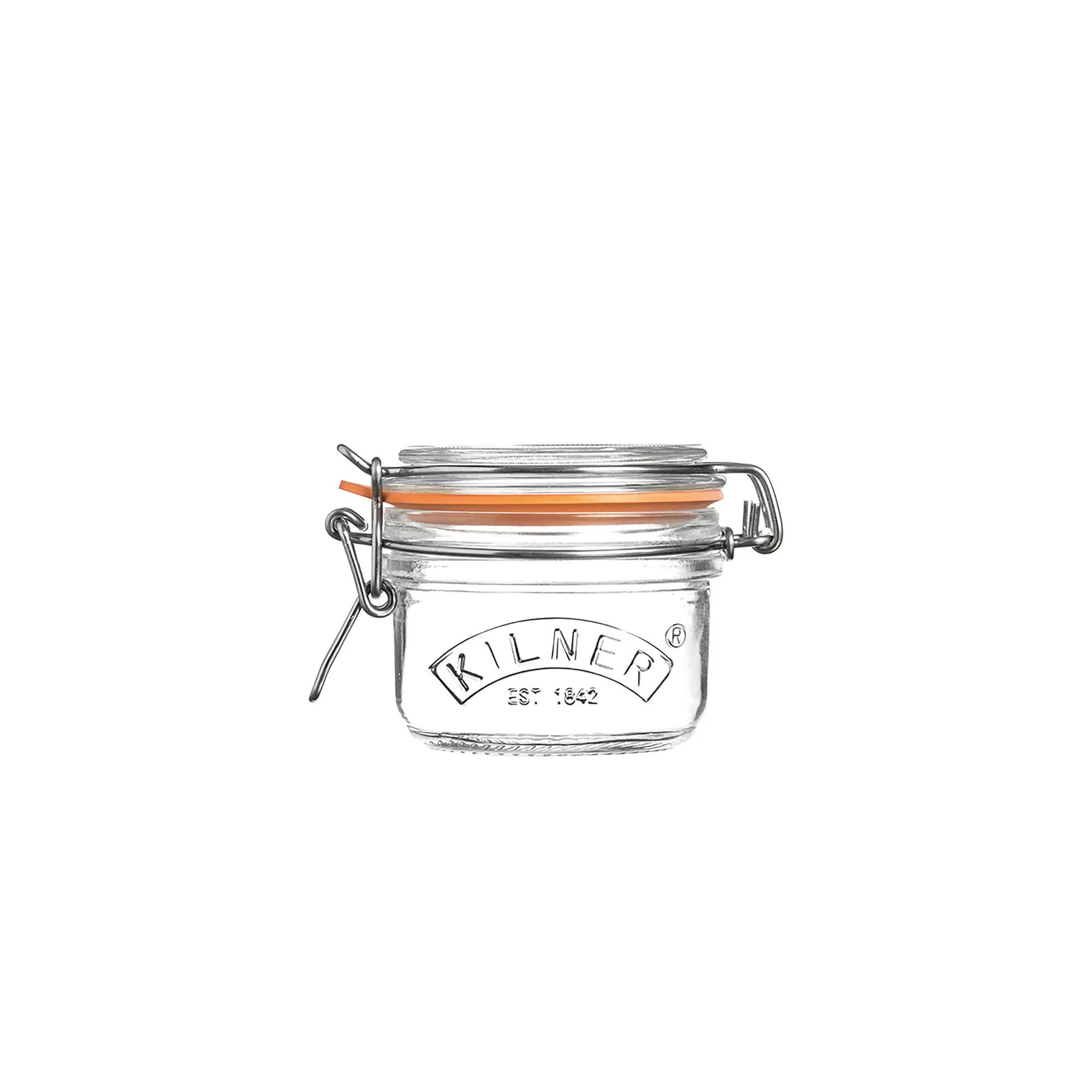
Kilner® jars are beloved for their iconic design and reliable airtight seals, thanks in large part to the rubber seals that sit inside the clip-top lids. These humble rings are the unsung heroes of preserving, keeping your jams, pickles, and fermented foods fresh for months. But like any rubber component, they can dry out, crack, or lose their elasticity over time, compromising the seal and potentially ruining your hard work.
The good news? With a little care and attention, you can significantly extend the lifespan of your Kilner® jar rubber seals. In this guide, we'll share practical tips on cleaning, storing, and maintaining your seals, so your jars stay airtight for years to come. Whether you're a seasoned preserver or just starting out, these simple habits will save you money and ensure your preserves are always perfectly sealed.
Why Rubber Seals Matter
The rubber seal in a Kilner® jar is what creates the vacuum that keeps air out and freshness in. When you process your jars in a water bath or use the oven method, the heat causes the rubber to soften and form a tight seal as the jar cools. This airtight environment prevents bacteria, mold, and yeast from spoiling your food.
If the rubber seal becomes brittle, cracked, or misshapen, it won't create a proper vacuum. This can lead to food spoilage, wasted ingredients, and even potential health risks. That's why regular maintenance of your rubber seals is just as important as sterilizing your jars. By taking a few minutes to care for them, you'll protect both your preserves and your investment in quality Kilner® equipment.
- Inspect seals before each use for cracks, tears, or loss of flexibility.
- Replace worn seals immediately to avoid failed seals and spoiled food.
Cleaning Your Rubber Seals
Proper cleaning is the foundation of rubber seal care. After each use, remove the rubber seal from the lid and wash it separately in warm, soapy water. Avoid using harsh detergents or abrasive scrubbers, as these can break down the rubber and accelerate wear. A soft sponge or cloth is all you need.
Rinse the seals thoroughly to remove any soap residue, then let them air dry completely before storing. Moisture left on the seals can promote mold growth or cause the rubber to deteriorate faster. Once dry, you can reassemble the lids or store the seals separately. This simple routine will keep your seals flexible and free from food particles that can harbor bacteria.
- Never put rubber seals in the dishwasher – the heat and detergents can warp or damage them.
- Use a mild dish soap and warm water for best results.
Storing Seals to Prevent Drying Out
Rubber naturally loses moisture over time, especially when exposed to air, heat, and sunlight. To slow this process, store your Kilner® rubber seals in a cool, dry place away from direct sunlight. Many preservers find it helpful to keep seals in a sealed plastic bag or container with a slightly damp cloth to maintain humidity, but be careful not to let them stay wet.
Another tip is to store the seals inside the jar lids, but not snapped into place under the clips – this can put unnecessary pressure on the rubber and cause it to deform. Instead, place the seal loosely in the lid or in a separate container. If you have multiple jars, consider labeling your seals by size so you can easily match them to the correct lids.
- Avoid storing seals near heat sources like ovens or radiators.
- Check seals periodically for any signs of drying or cracking.
When to Replace Your Seals
Even with the best care, rubber seals will eventually need replacing. As a general rule, you should replace your Kilner® jar rubber seals every 12 to 18 months, or sooner if you notice any damage. Signs that a seal needs replacing include visible cracks, loss of flexibility (if it stays bent when folded), or if it no longer creates a tight seal during processing.
Fortunately, replacement seals are widely available, and Kilner® makes it easy to keep your jars in top condition. For example, the Kilner® Thermometer and Lid Lifter for Jam Jars is a handy tool that helps you achieve perfect seals every time, while the Kilner® Round Glass Clip Top Preserving Jar, 0.5 Litre and the Kilner® Round Glass Clip Top Preserving Jar, 0.125L are excellent choices for small batch preserving. When you replace seals, you can also upgrade to new jars if you're looking to expand your collection.
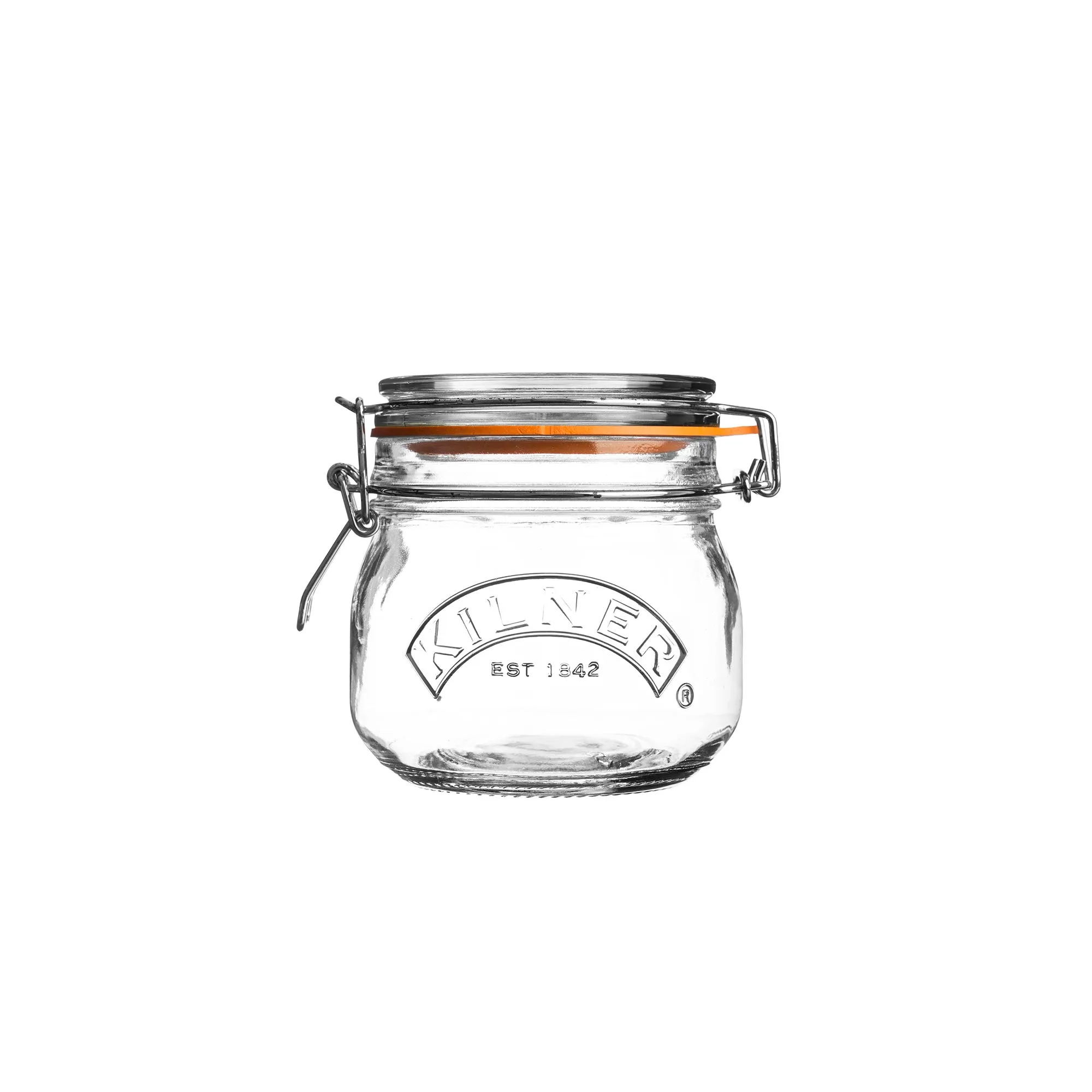
Kilner® Round Glass Clip Top Preserving Jar, 0.125L
- Keep spare seals on hand so you're never caught without a working seal.
- Always test the seal after processing by pressing the center of the lid – it should not pop up.
Tips for Maximizing Seal Lifespan
Beyond cleaning and storage, there are a few extra habits that can help your rubber seals last longer. First, always ensure the rim of your jar is clean and free from food particles before sealing – debris can cause the seal to wear unevenly. Second, avoid over-tightening the clips, as this can put excessive stress on the rubber.
Finally, consider using your Kilner® jars regularly. Seals that are used and exercised tend to stay more pliable than those that sit unused for long periods. If you have jars you only use seasonally, give the seals a quick stretch and flex before the preserving season begins to restore their flexibility.
- Rotate your jar collection to ensure all seals get regular use.
- If a seal seems stiff, soak it in warm water for a few minutes before use.
Caring for your Kilner® jar rubber seals is a small investment of time that pays off in perfectly preserved food and long-lasting equipment. By cleaning them gently, storing them properly, and replacing them when needed, you'll keep your jars airtight and ready for every preserving season. For all your preserving needs, explore the range of Kilner® products, including the versatile Kilner® Round Glass Clip Top Preserving Jar, 0.5 Litre, and enjoy the satisfaction of homemade preserves sealed to perfection.