Quick answer
Replace a Kilner® preserve jar screw band as soon as it shows rust, dents, or threads that no longer grip evenly, and always match the band to the jar's mouth diameter rather than its volume. For everyday preserving, keep a spare band and vacuum seal per jar so a failed seal never costs you a batch.
A preserve jar screw band is the cheapest part of your setup and the one most likely to let you down. It holds the vacuum seal tight while the jar cools, then protects that seal for months on the shelf. When it rusts, warps, or stops gripping, the jar can lose its vacuum without any obvious sign.
This guide separates the symptoms you will actually see from the causes behind them, then tells you when a quick fix is enough and when to stop and replace the band or the jar. It applies to Kilner® preserve jars with two-piece metal lids, including the 0.4 litre, 0.5 litre, and 1 litre sizes.
How to tell a band problem from a seal problem
A screw band that is doing its job feels smooth as you tighten it and stops with light resistance. If it spins without tightening, catches on a rough patch, or leaves a ring of rust on your fingers, the band is the problem. If the band tightens normally but the lid lifts or flexes when you press the centre, the vacuum seal has failed instead.
Test the seal after the jar has cooled completely. Press the centre of the lid: a sealed jar stays firm and gives a dull tap. Then unscrew the band and lift the jar by the lid only, holding it just above a folded towel. If the lid holds, the vacuum is good and the band is only there for protection. If the lid comes away, the seal has failed.
- Check seals 12 to 24 hours after processing, once jars are fully cool.
- Label the date on every jar so you know how long a band has been in service.
Why screw bands rust and when to replace them
Rusty jar screw bands are the most common reason to replace a band. Moisture trapped under the band during water-bath processing or storage in a damp cupboard starts surface rust on the metal. Light surface rust can be scrubbed off and the band dried thoroughly, but once rust pits the threads or flakes onto the jar, the band can no longer tighten evenly and should be retired.
Bands also fail through distortion. Dropping a band, forcing it onto the wrong jar, or prying it off with a knife bends the thread. A bent band tightens unevenly, which can leave one side of the lid loose and break the vacuum. If you have to force a band on or off, stop and check that it matches the jar.
- Dry bands completely before storing them, and store them off the jar.
- Retire any band with pitted threads, flaking rust, or a visible dent.
How to match a band to your Kilner® jar
Band size follows the jar's mouth diameter, not its volume. Two jars of the same capacity can take different bands if one is wide mouth and the other is standard mouth, so always check the jar you are actually filling. A band that rocks, sits proud of the lid, or needs force is the wrong size, even if it came from a Kilner® jar.
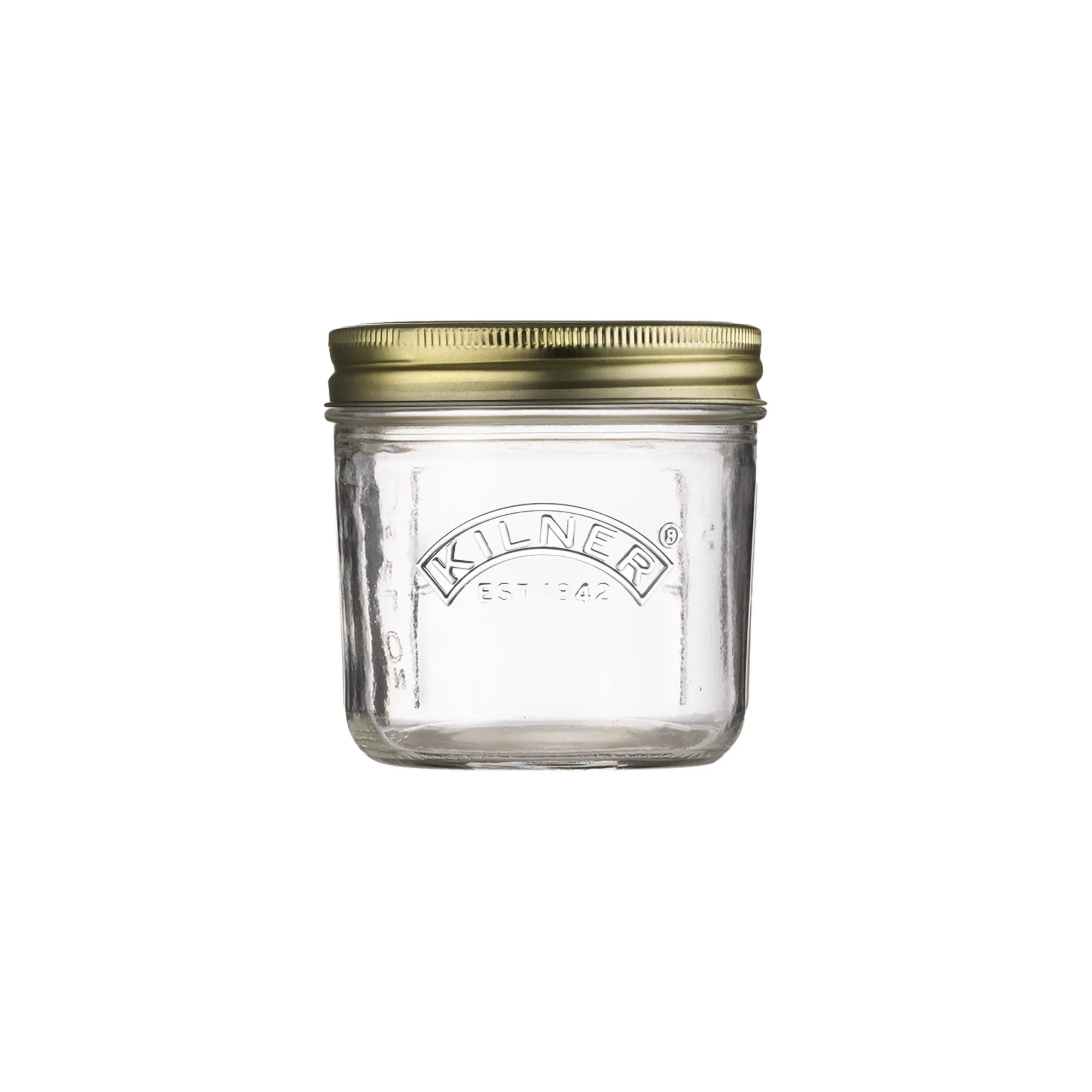
The 1 Litre Wide Mouth Preserve Jar is the clearest example: its wider opening is designed for easy filling and decanting, and that wider mouth needs a correspondingly wider band. Standard-mouth jars such as the 0.4 litre and 0.5 litre sizes take a narrower band. Keep bands with their matching jars rather than in one mixed drawer.
- Match by mouth diameter first, capacity second.
- If a band does not spin on freely, do not tighten it down.
When a band is not the fix
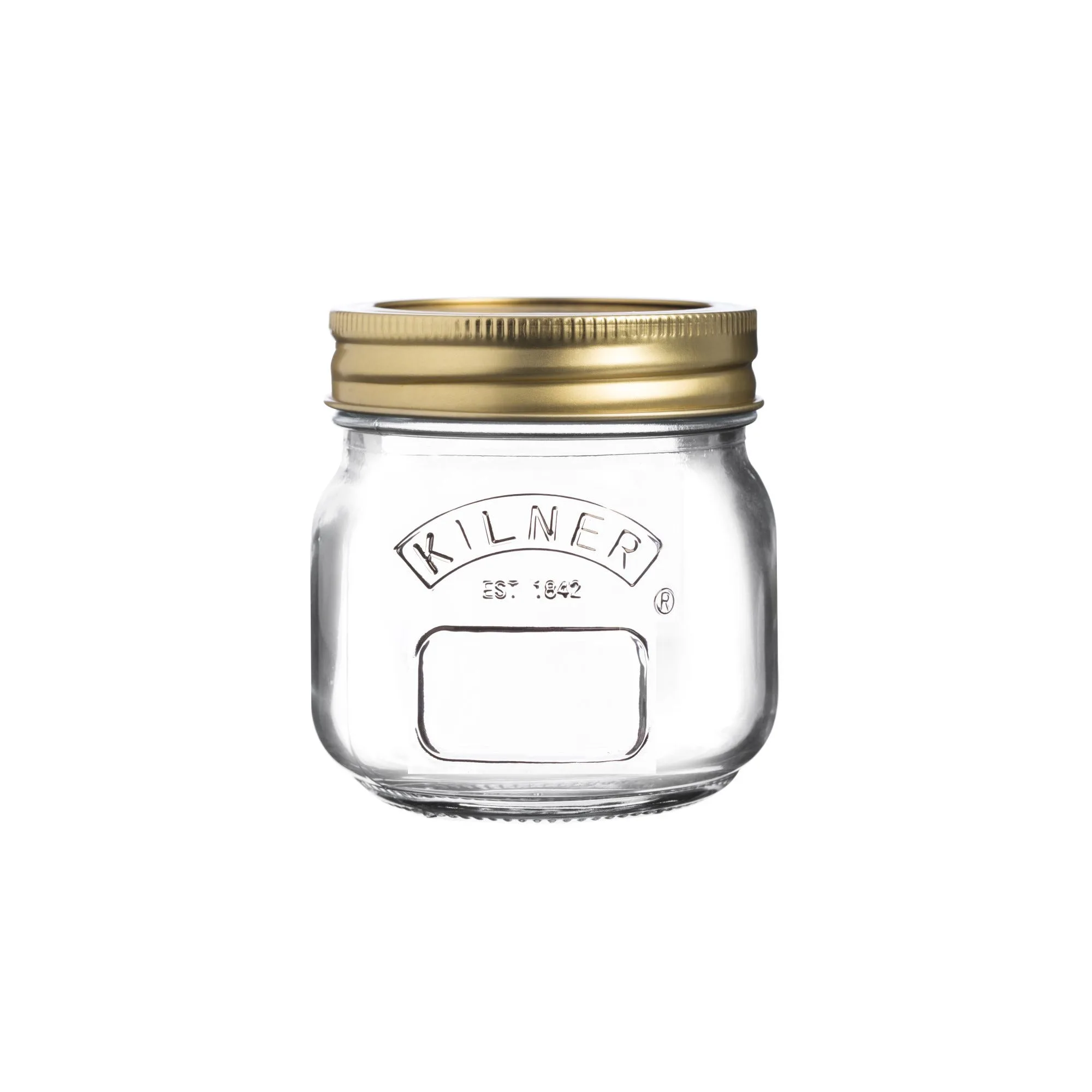
Some failures look like band problems but are not. A screw band not sealing jar after jar usually means the vacuum seal itself is worn, stretched, or missing, not that the band is too loose. The 0.5 Litre Preserve Jar uses a two-piece lid with a replaceable vacuum seal and a metal screw band, so the seal is a separate part you can renew without buying a whole new lid.
If you have replaced the seal and the band, and jars still lose vacuum, the issue may be your process: overfilling, food on the rim, or not leaving the right headspace. At that point, stop buying bands and review your filling method instead.
- Renew the vacuum seal before blaming the band.
- If new seals and bands both fail, change your filling process, not your hardware.
Keeping bands in service longer
Bands last longer when they are removed after the jar seals and stored dry, off the jar. Leaving bands on during storage traps moisture against the threads and makes rust more likely. Wash bands by hand in warm soapy water, dry them immediately, and keep them somewhere with airflow rather than a sealed plastic tub.
Rotation matters too. If you preserve often, write the purchase year on the band in marker and retire the oldest ones first. A simple rule is to inspect every band before each preserving session and pull any that show rust, dents, or resistance when tightening.
- Remove bands after sealing and store them dry.
- Inspect bands before every batch, not after a failure.
Screw band diagnosis: symptom, cause, action
- Band spins but never tightens: The threads are worn, or the band is the wrong diameter for the jar's mouth. Check the band against the jar it came from before tightening further. Replace the band if a correctly sized band still will not grip.
- Rust on the threads or flaking onto the jar: Moisture was trapped under the band during processing or storage. Light surface rust can be cleaned and dried; pitted or flaking rust cannot be reversed. Retire any band with pitted threads or flaking rust.
- Lid lifts or flexes when pressed: The vacuum has failed. Unscrew the band and test the lid by lifting the jar by the lid only, just above a towel. If the lid comes away, renew the vacuum seal first, then retest before replacing the band.
- New seal and new band, still no vacuum: The hardware is no longer the likely cause. Review filling height, rim cleanliness, and headspace in your process. Stop buying parts and adjust your filling method instead.
Kilner® products that help
- Kilner® 0.5 Litre Preserve Jar: Features an easy-to-use metal screw top lid made up of two pieces: a replaceable vacuum seal and a metal screw band to secure the seal. Because the seal and band are separate parts, you can renew the vacuum seal on its own instead of replacing the whole lid when a jar stops sealing.
- Kilner® 1 Litre Wide Mouth Preserve Jar: The wider opening allows for easy filling and decanting. A wider mouth takes a wider band, so keep this jar's band with the jar rather than mixing it into a shared drawer of standard-mouth bands.
- Kilner® 26 Piece Chalk Labelling Set: A perfect way to label homemade preserves and to make up gifts for friends and family. Dating each jar tells you how long its band and seal have been in service, so you can retire ageing hardware before it fails.
Treat screw bands as a wear part, not a permanent fixture. Check them before each batch, replace any that are rusty, dented, or loose on the jar, and match every band to the mouth it actually fits. Keep a spare vacuum seal and band per jar size, and your preserves will hold their vacuum long after the season ends.