When it comes to home preserving, the choice of jar can make or break your efforts. Two iconic names dominate the market: Kilner® and Mason jars. Both have loyal followings, but they differ in design, functionality, and heritage. In this detailed comparison, we'll explore the nuances of each to help you decide which is the best fit for your preserving projects.
Whether you're a seasoned canner or a beginner exploring the world of jams, pickles, and fermented foods, understanding these differences is crucial. We'll examine everything from sealing mechanisms to durability, and even touch on how each performs in everyday kitchen use beyond preserving.
A Brief History: Kilner® vs. Mason Jars
Mason jars were invented in 1858 by John Landis Mason, an American tinsmith who patented a glass jar with a threaded neck and a zinc lid with a rubber seal. This design revolutionized home canning in the United States, making it safe and accessible for households to preserve food. Over time, the Mason jar became a cultural icon, symbolizing rustic charm and self-sufficiency.
Kilner® jars, on the other hand, trace their origins to 1842 in England, where John Kilner invented a glass jar with a wire bail and rubber seal. This innovative design allowed for an airtight closure without the need for threading, making it easy to use and reuse. Kilner® quickly became a household name in the UK and across the British Empire, known for its quality glassware and reliable sealing.
- Mason jars: American heritage, threaded lids, and metal screw bands.
- Kilner® jars: British heritage, wire bail and rubber seal design.
Design and Sealing Mechanisms: Wire Bail vs. Screw Band
The most obvious difference between Kilner® and Mason jars lies in their closures. Kilner® jars feature a distinctive wire bail mechanism with a glass lid and a rubber seal. To close, you simply flip the wire loops over the lid and press down, creating a vacuum seal. This design is elegant, requires no extra parts, and is incredibly easy to operate. The rubber seals are replaceable, extending the life of the jar indefinitely.
Mason jars use a two-piece system: a flat metal lid with a rubber compound on the underside and a screw band that holds it in place. During water-bath canning, the lid is tightened finger-tight, and as the jar cools, a vacuum forms, creating a seal. This method is highly reliable for heat processing, but it requires new lids each time you can, as the seal is not reusable.
- Kilner®: wire bail and rubber seal – reusable, no extra parts needed.
- Mason: screw band and flat lid – requires new lids for each canning session.
Durability and Maintenance: Which Lasts Longer?
Both Kilner® and Mason jars are made from thick, durable glass that can withstand high temperatures. However, their maintenance differs. Kilner® jars have rubber seals that need to be replaced periodically, but the glass and wire mechanism can last for decades if handled properly. The seals are easy to source and replace, making Kilner® jars a sustainable choice for long-term use.
Mason jars, while also durable, rely on metal lids that can rust or warp over time. The screw bands can be reused, but the flat lids are single-use and must be discarded after each canning. This adds to the ongoing cost and waste. However, many home canners appreciate the convenience of Mason jars because they are widely available and standardized for processing in canners.
- Kilner®: replaceable rubber seals, long-lasting glass and wire.
- Mason: replaceable lids, but screw bands may need occasional replacement due to rust.
Versatility in the Kitchen: Beyond Preserving
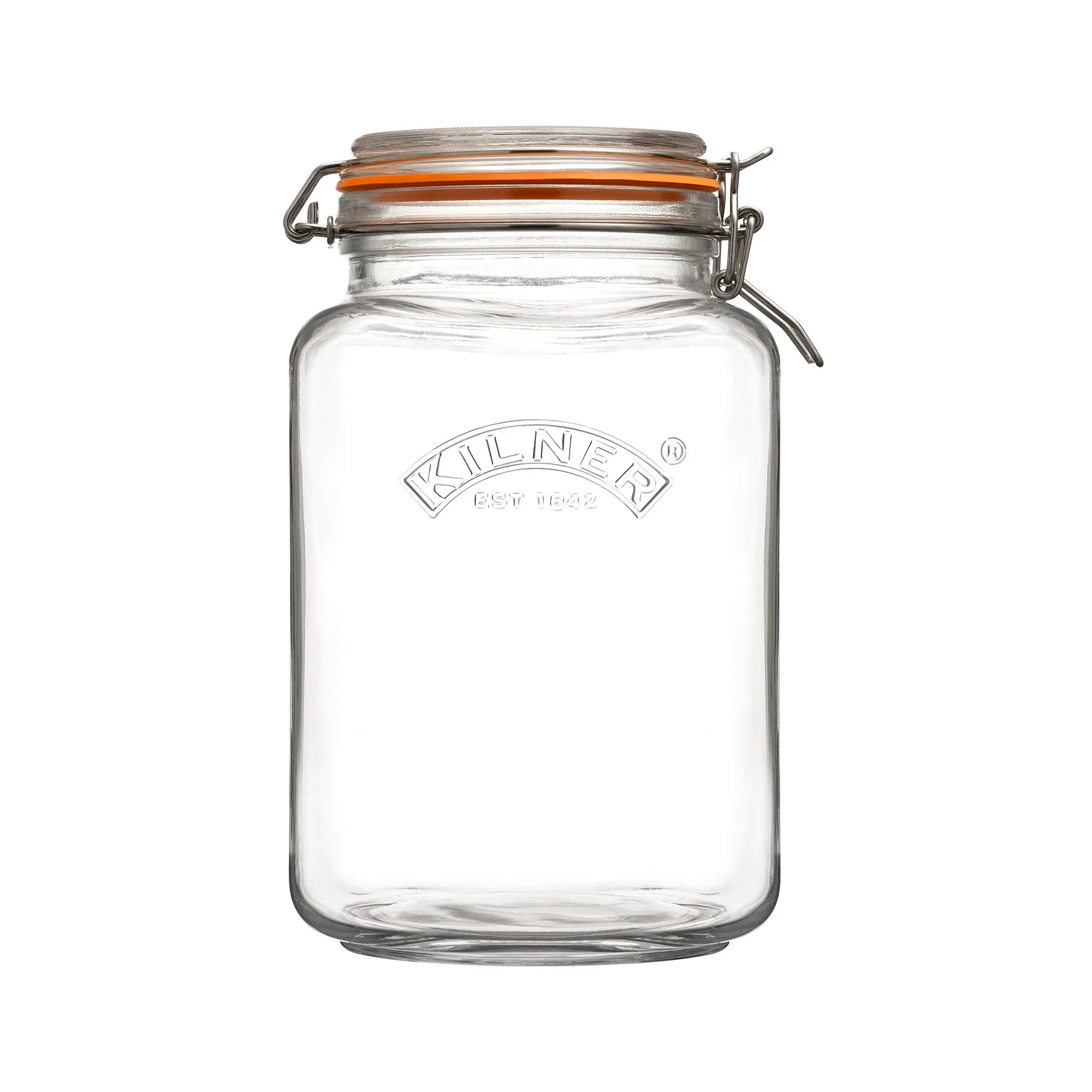
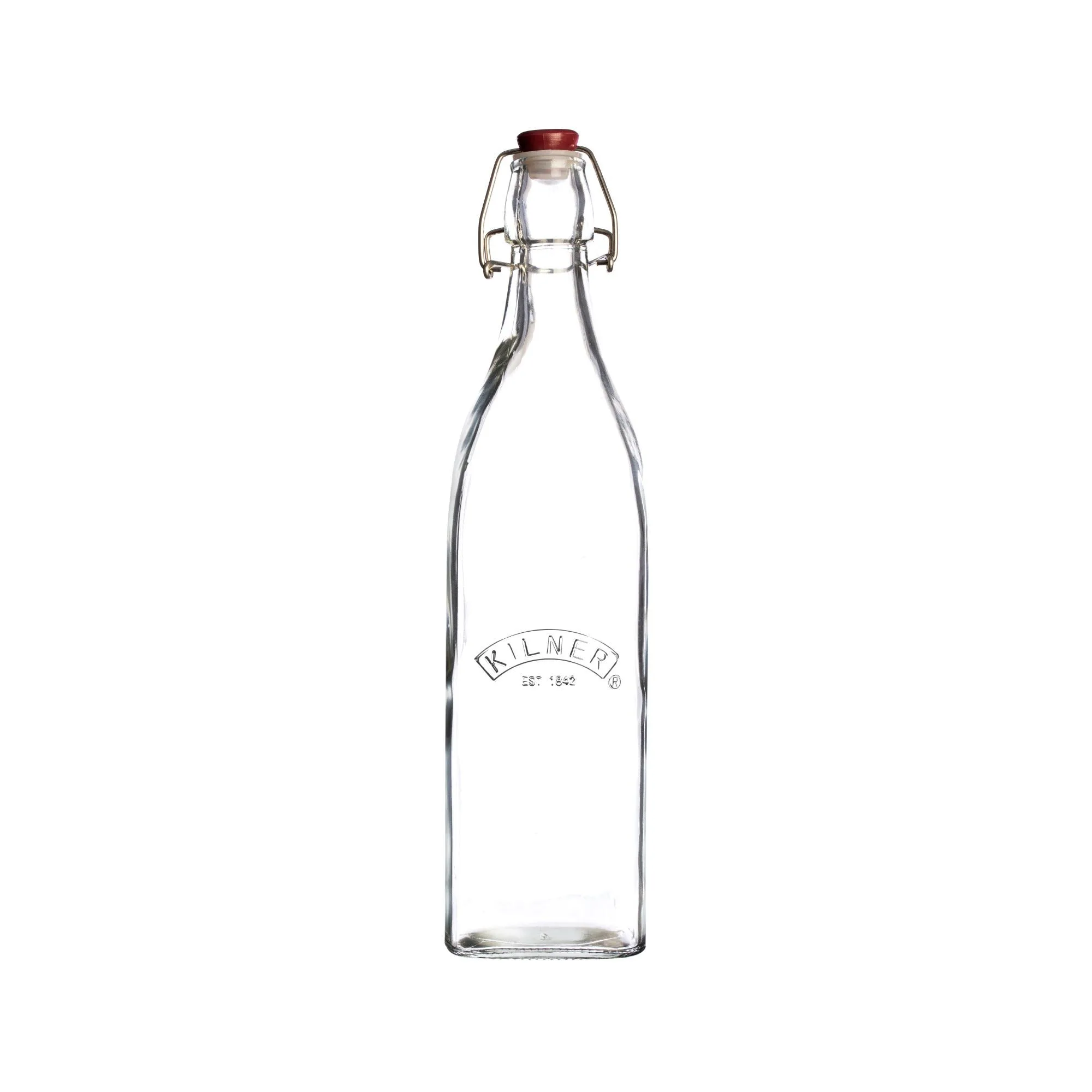
While both jar types excel at preserving, they also shine in everyday kitchen use. Kilner® jars, with their sleek design and airtight seal, are perfect for storing dry goods like pasta, rice, and cereals. The clip-top mechanism makes them easy to open and close, and they look great on open shelves. For instance, the Kilner® Square Clip Top Preserving Glass Bottle 250ml is ideal for storing spices or homemade dressings, while the Square Glass Clip Top Jar - 2 Litre is perfect for bulk staples.
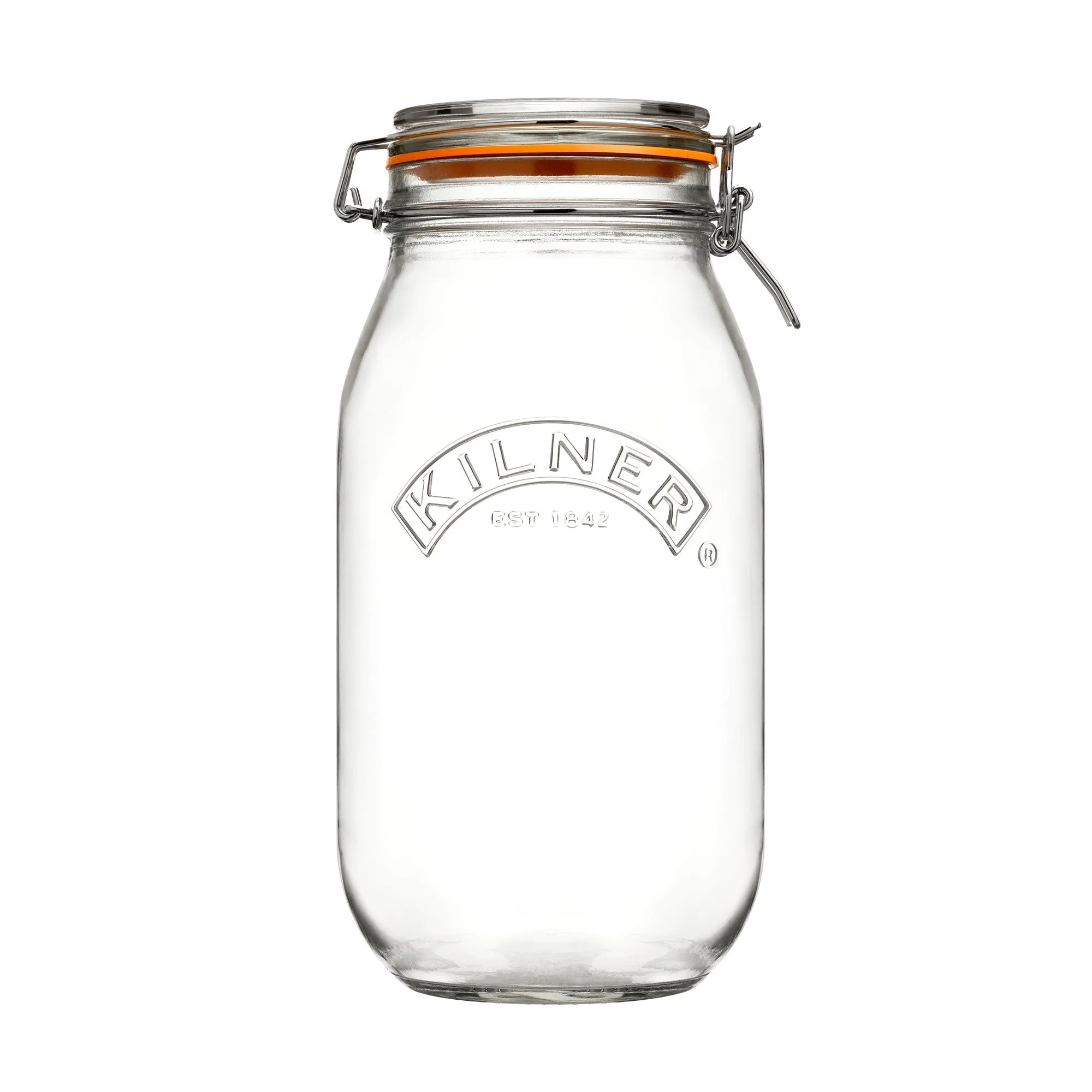
Square Glass Clip Top Jar - 2 Litre
Mason jars are equally versatile, often used for drinking glasses, salads in a jar, and even overnight oats. Their wide mouths make them easy to fill and clean, and they are stackable for efficient storage. However, Mason jars can be more prone to chipping if handled roughly, whereas Kilner® jars are known for their robustness.
- Kilner®: elegant design suitable for both preserving and stylish storage.
- Mason: functional and versatile, great for on-the-go meals and beverages.
Preserving Performance: Which Seals Better?
When it comes to actual preserving, both systems are effective, but they operate differently. Kilner® jars rely on a rubber seal that creates a vacuum as the contents cool. This method works well for jams, pickles, and chutneys, and it's particularly forgiving for beginners because you can easily check the seal by pressing the center of the lid. If it pops back, the seal isn't complete.
Mason jars are the gold standard for water-bath canning because their lids are designed to vent during processing and seal as they cool. This makes them ideal for low-acid foods when used with a pressure canner. However, the need for new lids each time can be a drawback for some. For high-acid foods like fruit preserves, both Kilner® and Mason jars work equally well.
- Kilner®: rubber seal creates a vacuum, easy to test with a press.
- Mason: metal lid seals during cooling, ideal for pressure canning.
Cost and Availability: What Should You Consider?
Price and availability can influence your choice. Mason jars are often more affordable and widely available in the United States, especially in bulk. They come in various sizes, from half-pint to half-gallon. Kilner® jars, being a premium British brand, may be pricier and more commonly found in Europe and specialty stores worldwide. However, the initial investment in Kilner® jars can pay off over time because you only need to replace the rubber seals, which are inexpensive.
If you're just starting out, you might want to try a few jars of each type to see which you prefer. Many home preservers end up using both, depending on the task. For example, you might use Mason jars for water-bath canning and Kilner® jars for refrigerator pickles or as stylish storage containers.
- Mason jars: budget-friendly and easy to find in the US.
- Kilner®: higher upfront cost, but reusable seals make them economical long-term.
Making the Right Choice for Your Preserving Needs
Ultimately, the choice between Kilner® and Mason jars comes down to personal preference and your preserving style. If you value tradition and enjoy the ritual of water-bath canning, Mason jars are a reliable choice. If you appreciate elegant design and want jars that double as beautiful storage, Kilner® is hard to beat.
Consider the types of foods you preserve most often. For jams, chutneys, and pickles, Kilner® jars are excellent. For low-acid vegetables and meats, Mason jars are safer due to their compatibility with pressure canners. You can also mix and match, using Kilner® jars for your pantry and Mason jars for canning.
- Try both to see which feels more intuitive for your hands.
- Think about the space you have – Kilner® jars come in various sizes like the Kilner® Set of 3 1 Litre Square Clip Top Jars for pantry organization.
Both Kilner® and Mason jars have their strengths, and the best choice depends on your specific needs. For a versatile, reusable option that looks great on your shelves, consider the Kilner® Round Glass Clip Top Preserving Jar, 1 Litre. It combines classic design with modern functionality, perfect for both preserving and everyday storage. Explore our range and find the perfect jars for your kitchen.