What the deck actually gives you
The Kindness Challenge is a deck of 30 scratch-off cards created with Jimmy Darts. The cards are grouped into three sets of 10: Friends, Family, and Strangers. Each set is built around a different kind of connection, and the activities range from simple to extravagant. You scratch a card to reveal the act, then carry it out.
That is the whole mechanic. There is no app, no schedule, and no scoring system in the supplied information. The deck works day to day because it turns kindness into a small, concrete action you can pick up and do, rather than a vague intention.
Deck contents at a glance
-
The Kindness Challenge: Includes 30 scratch-off cards created with Jimmy Darts. Thirty cards give you a month of daily prompts if you use one a day, or a longer rotation if you pace them.
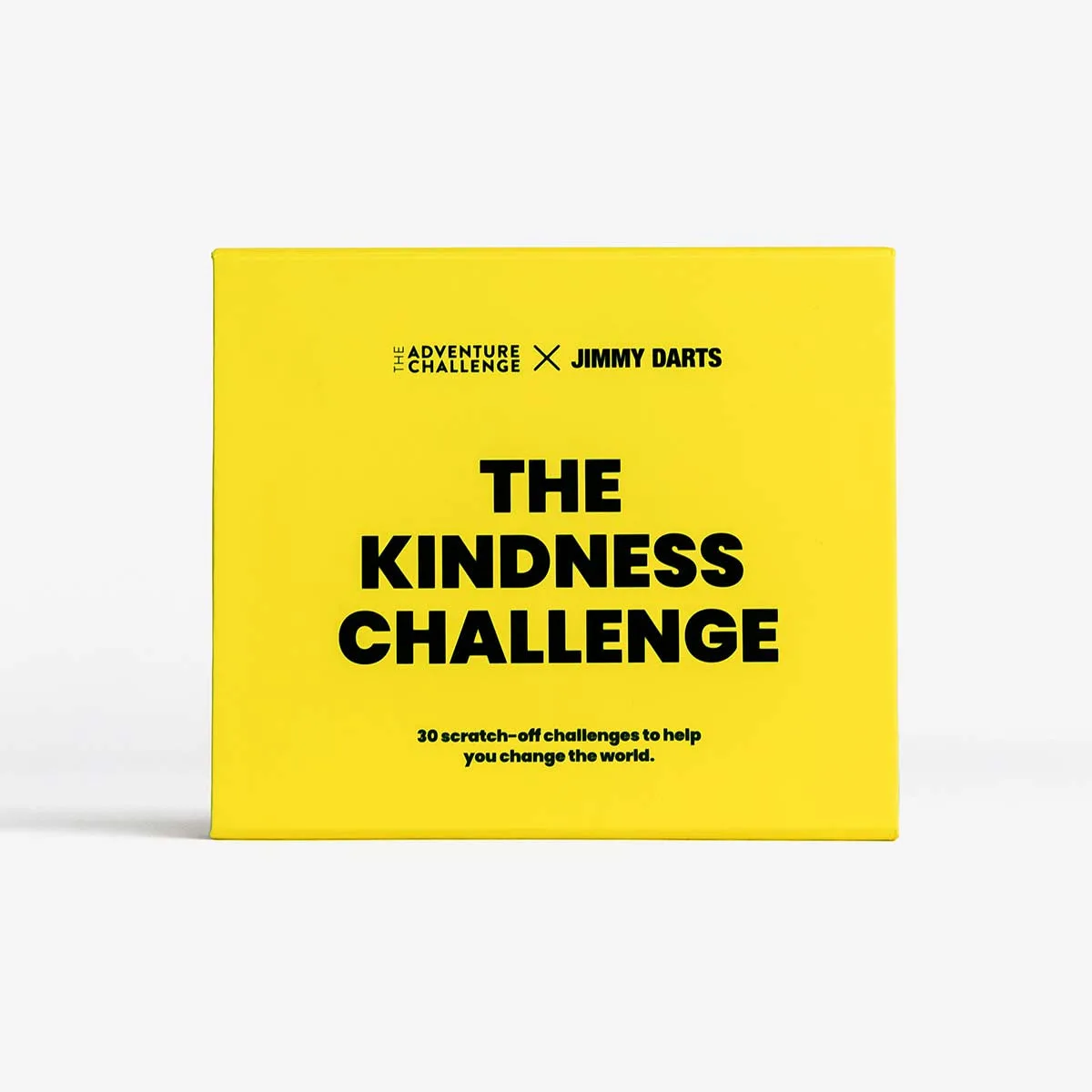
The Kindness Challenge
-
The Kindness Challenge: Cards are organized into Friends (10), Family (10), and Strangers (10). You can choose the category that fits your day instead of working through the deck in a fixed order.
-
The Kindness Challenge: Activities range from simple to extravagant. You can match the card to your available time, budget, and energy on any given day.
A simple daily or weekly routine
The deck does not come with a prescribed schedule in the supplied information, so you decide the pace. A daily card is ambitious; a weekly card is more realistic for many households. Either way, the routine below keeps the deck from sitting on a shelf.
- 1. Pick a category before you scratch: Choose Friends, Family, or Strangers based on who is around and how much time you have. This avoids scratching a card you cannot act on that day.
- 2. Scratch one card and read it fully: The activities range from simple to extravagant, so check what the card asks before you commit. If it needs supplies or a specific person, note that.
- 3. Set a realistic window: Decide whether you will do it today, this week, or on a specific date. A card without a window tends to stay unscratched.
- 4. Do the act and keep it low-pressure: The deck is designed to be creative, fun, and memorable. You do not need to document it or turn it into a performance.
- 5. Choose the next card when you are ready: There is no required order. Move between categories as your days change.
Which category fits which day
The three categories are not interchangeable. Use this quick comparison to choose before you scratch.
- Friends: Best when you have a friend you can reach easily. The supplied description frames this set as 10 thoughtful acts of kindness to elevate your friendships.
- Family: Best for a household or close relatives. The supplied description says these 10 challenges are designed to strengthen bonds, create lasting memories, and deepen connection, whether your family is big or small, close-knit or spread out.
- Strangers: Best when you want to step slightly outside your comfort zone. The supplied description says these 10 challenges encourage kindness to people you do not yet know.
Using the deck with family
The Family set is the easiest place to start if you live with others. The supplied description says the 10 family challenges are designed to strengthen bonds, create lasting memories, and deepen your connection, and that they work whether your family is big or small, close-knit or spread out.
In practice, that means you can scratch a Family card at dinner, on a weekend morning, or before a call with relatives who live far away. The deck does not specify ages or group sizes, so use your judgment about which card suits your household. If a card calls for something extravagant, save it for a day when you have more time and budget.
Keeping the deck in rotation
A daily kindness card deck only works if the cards stay visible. Keep the deck where you will see it: on a kitchen counter, by the front door, or in a bag you carry often. Because the cards are scratch-off, each one is a one-time prompt, so the deck naturally shrinks as you use it.
If you want the deck to last, pace yourself. Thirty cards used once a week is more than half a year of prompts. Used daily, it is about a month. Neither pace is wrong; the supplied information does not prescribe one.
What the supplied information does not settle
The supplied product information does not include card dimensions, materials, or care instructions. It also does not specify an age range or give safety guidance. If those details matter to you, check the product listing or contact the store before buying.
The deck also does not include a rulebook or a required order in the supplied information. Treat the categories as a guide, not a sequence, and adapt the pace to your own week.