Quick answer
Charge your KitchenAid cordless appliance fully before first use, then top it up after each project instead of running it flat. Store it indoors at room temperature with the battery partly charged, and recharge every few months during long breaks. These habits protect the battery and keep the tool ready when you need it.
Why cordless battery habits matter more than specs
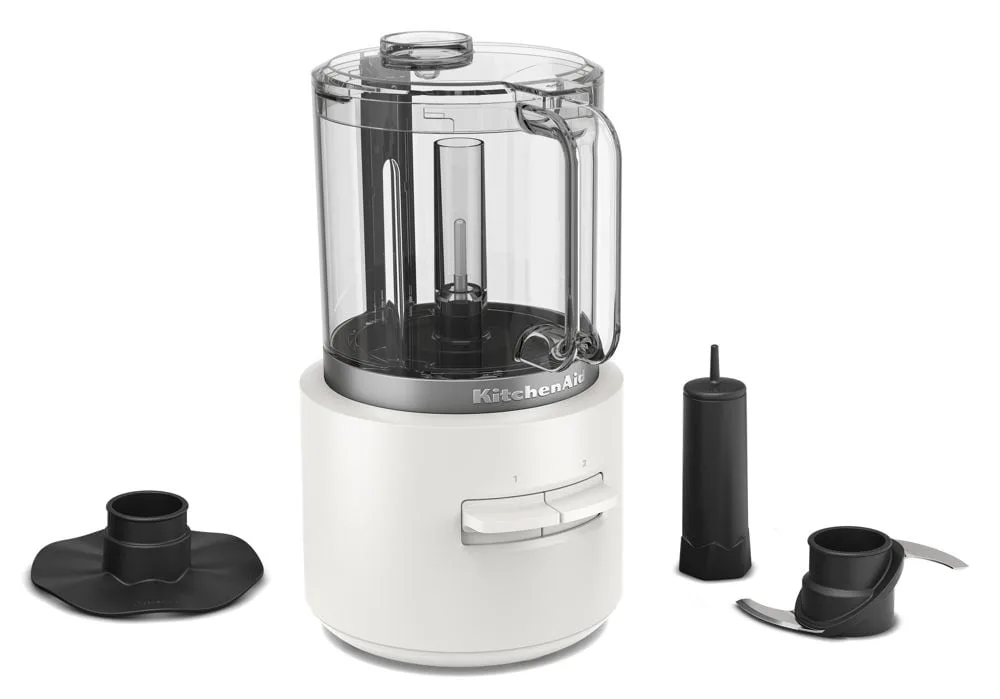
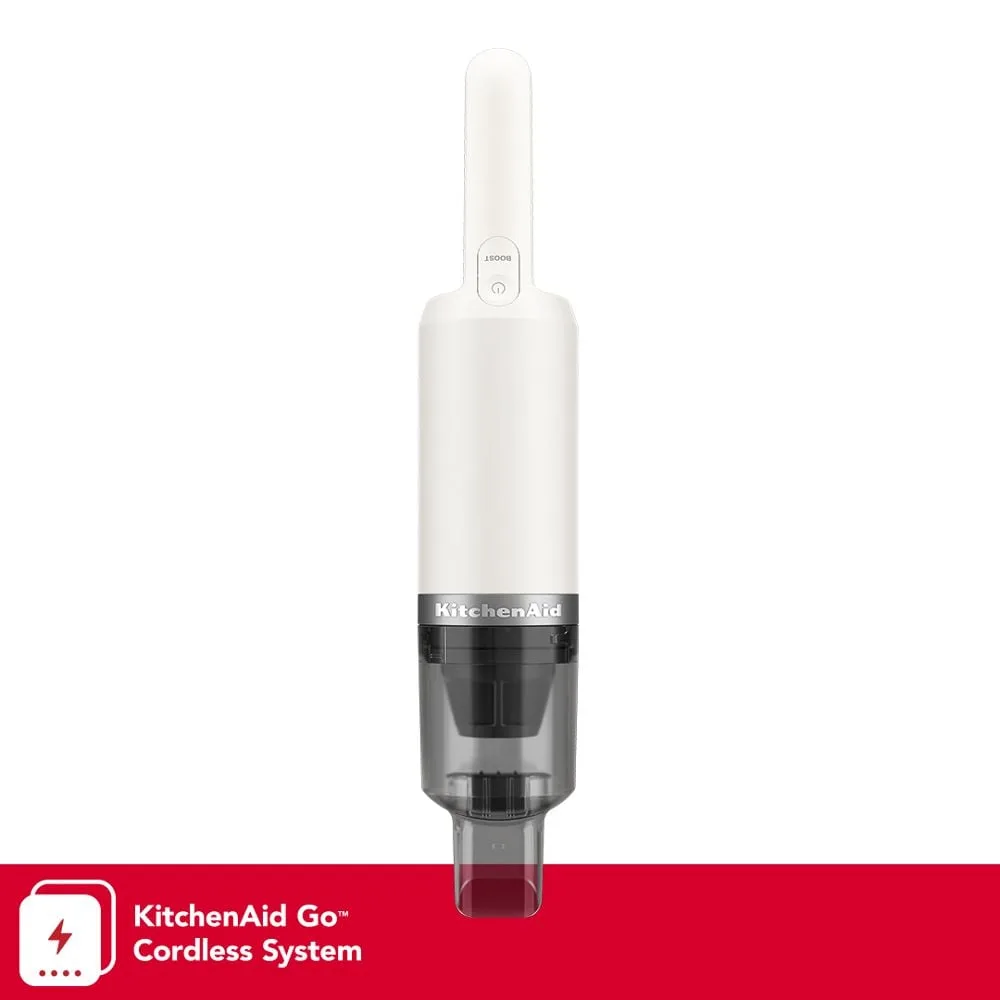
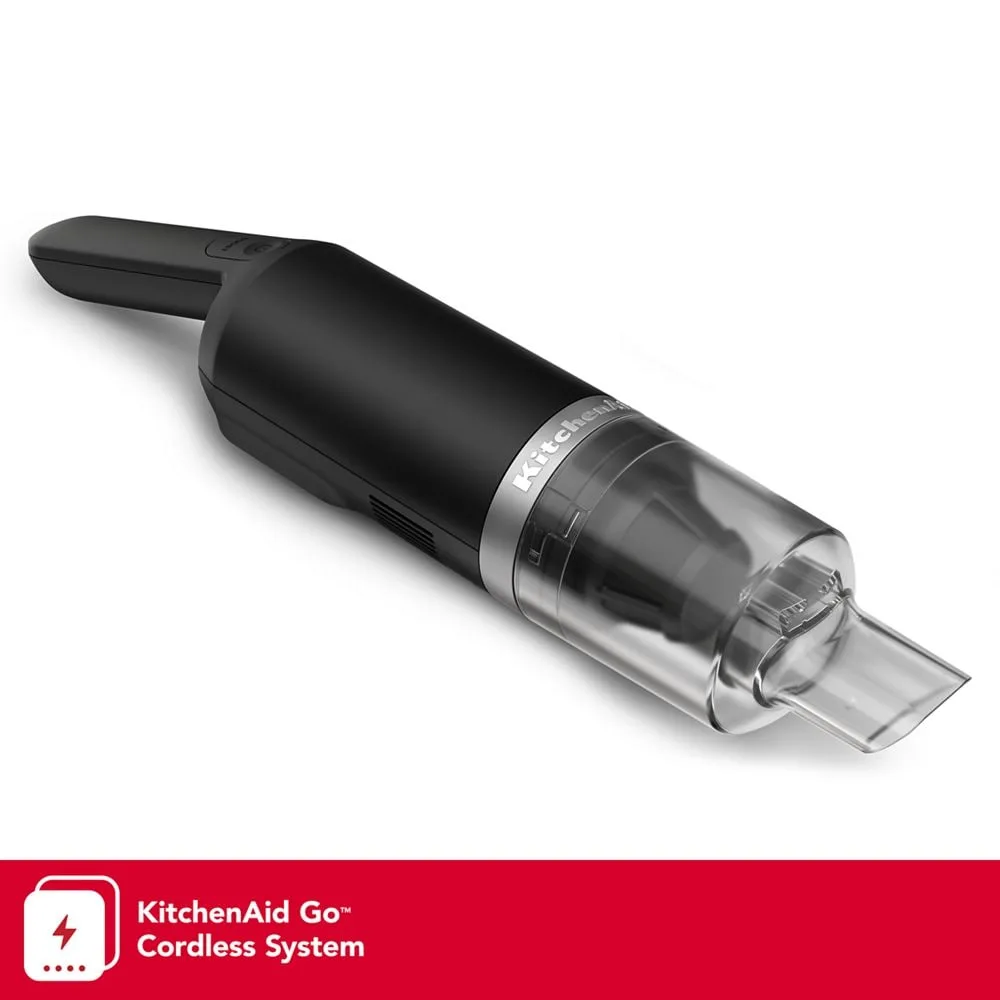
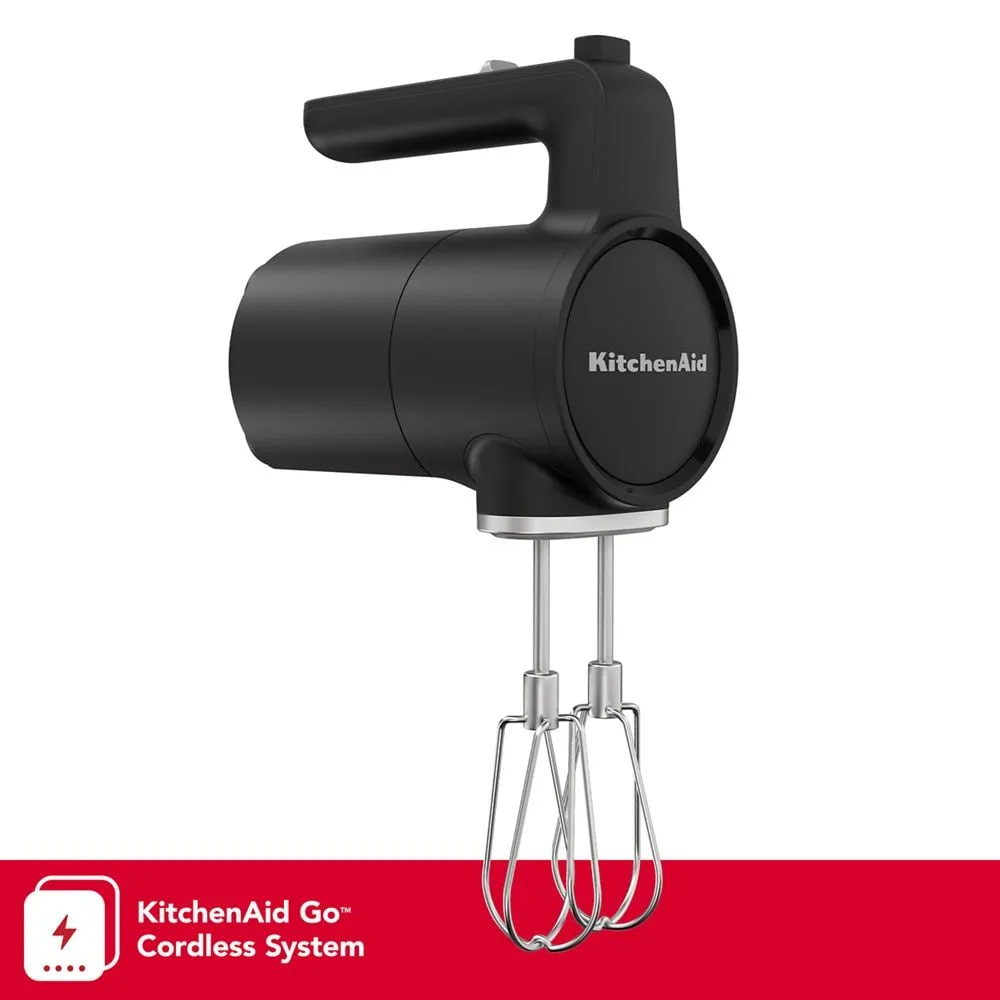
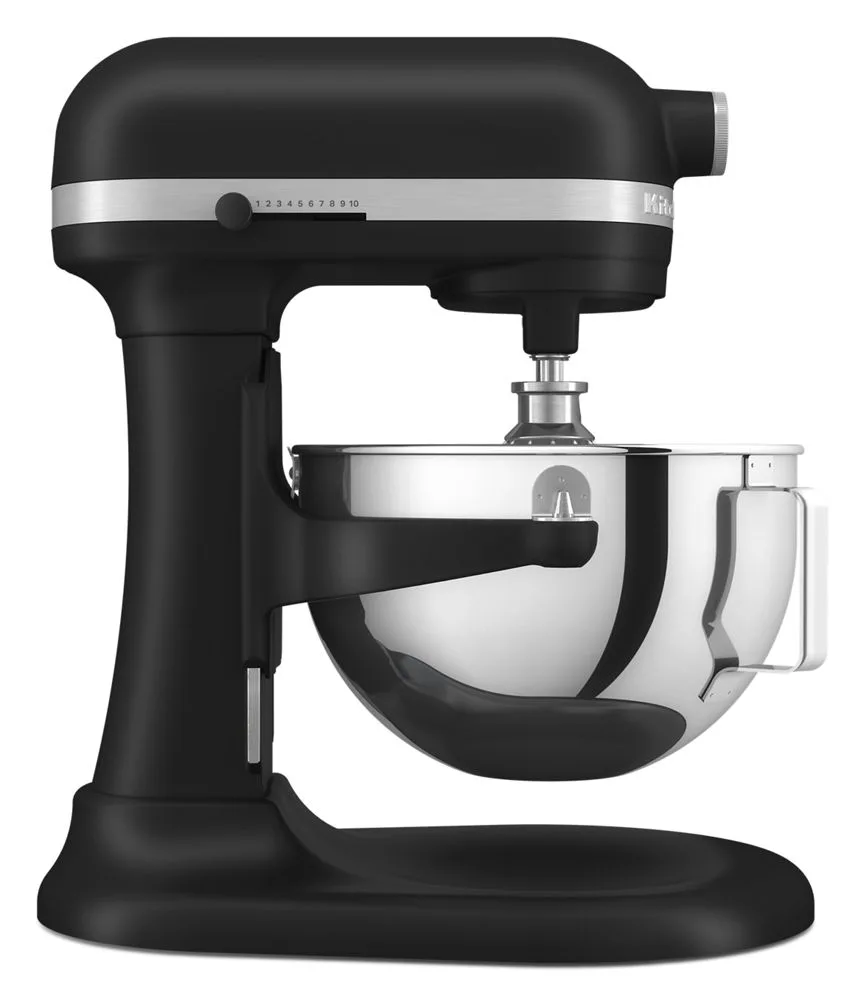
Cordless appliances trade the cord for a battery, so how you treat that battery decides how long the tool stays useful. Heat, deep discharges, and long storage at 0% or 100% are the main stressors. You do not need special equipment to avoid them; you just need a repeatable routine. KitchenAid cordless models such as the Black Matte and https://kitchenaidshops.com/products/porcelain-white-76050https://kitchenaidshops.com/products/porcelain-white-76052https://kitchenaidshops.com/products/porcelain-white-76074https://kitchenaidshops.com/products/porcelain-white-76102Porcelain White cordless appliances are designed for countertop convenience, and their batteries respond well to the same care you would give a phone or laptop: moderate charge levels, cool storage, and regular top-ups.
Choose the right charging spot
Charge on a dry, hard surface in a room that stays between roughly 50°F and 80°F (10°C to 27°C). Avoid charging on a stove, next to a hot oven, or in direct sun. A kitchen counter away from the cooktop is usually ideal. If your model uses a removable battery, charge it outside the appliance when the area around the tool is crowded or wet. Never charge a battery that is wet or visibly damaged; let it dry and inspect it first.
Match the charger to the appliance
Use the charger or charging dock that came with your KitchenAid cordless appliance. Off-brand chargers may fit but can push the wrong voltage or current, which shortens battery life and can create a safety risk. If you own more than one cordless KitchenAid tool, label each charger so you do not mix them up. Replacement chargers should come from KitchenAid or an authorized source, not a generic marketplace listing.
Seasonal storage for cordless appliances
If you store a cordless appliance for more than a month, clean it, dry it fully, and remove the battery if it is removable. Aim to store the battery at about 40–60% charge rather than full or empty. Keep it in a cool, dry cabinet, not a garage or shed where temperatures swing. Every three to six months, charge it back to roughly half, then return it to storage. This routine is especially useful for cordless hand mixers and other tools you might only use for holiday baking.
Your cordless battery care routine, step by step
- 1. Read the manual for your specific model: KitchenAid cordless appliances vary in battery type, charge time, and storage guidance. Check the manual or product page before you adopt any general advice. Checkpoint: if you cannot find the manual, look up your model number on the KitchenAid site before charging.
- 2. Charge fully before first use: A new cordless appliance often ships at a partial charge for safety. Charge it completely before the first project so the battery starts balanced. Common mistake: assuming a new tool is ready to run a full project out of the box.
- 3. Top up after each use instead of running to empty: Recharge after a project or when the tool slows noticeably. Avoid draining the battery to zero on purpose, which stresses the cells over time. Checkpoint: if the appliance feels weak mid-task, stop and recharge rather than pushing through.
- 4. Keep the battery cool while charging: Charge on a hard, dry surface away from the stove, oven, and direct sun. Do not charge inside a closed cabinet or on a soft surface that traps heat. Common mistake: charging next to a warm appliance or on a towel.
- 5. Store at partial charge for long breaks: For storage longer than a month, remove the battery if possible and store it at about 40–60% charge in a cool, dry place. Recharge to that level every three to six months. Checkpoint: mark your calendar so seasonal tools get a top-up before the holidays.
- 6. Clean and dry before storing: Wipe the appliance and battery contacts with a dry or barely damp cloth. Never submerge the battery or charging dock in water. Common mistake: storing a damp tool, which can corrode contacts and damage the battery.
- 7. Watch for warning signs: If the battery swells, leaks, smells unusual, or takes much longer to charge, stop using it and contact KitchenAid support. Do not try to repair a battery yourself. Checkpoint: a healthy battery charges predictably and holds a steady charge during normal use.
KitchenAid cordless options to keep in mind
- Black Matte: Black Matte finish with a cordless design for easy maneuverability and storage. The low-profile finish hides everyday smudges, and the cordless format means you can store it on an open shelf without hunting for an outlet.
- Porcelain White: Porcelain White color with a cord-free design that provides freedom of movement and easy storage. A clean white finish suits bright kitchens, and the cordless build makes it simple to tuck away between uses without a cord to coil.
- White: White hand blender designed for convenient hand blending of soups, sauces, and smoothies. A corded hand blender is a good companion for long blending sessions, so you can save your cordless tool for quick tasks and reduce battery cycling.