Standing in the blender aisle, you might wonder: should you grab a countertop model or a hand blender? Both can puree soups, make smoothies, and whip up sauces, but they excel at different tasks. Your choice depends on what you cook most and how much counter space you have.
In this comparison, we’ll break down the key differences between a KitchenAid hand blender and a countertop blender, so you can decide which one truly fits your cooking style.
What Each Blender Does Best
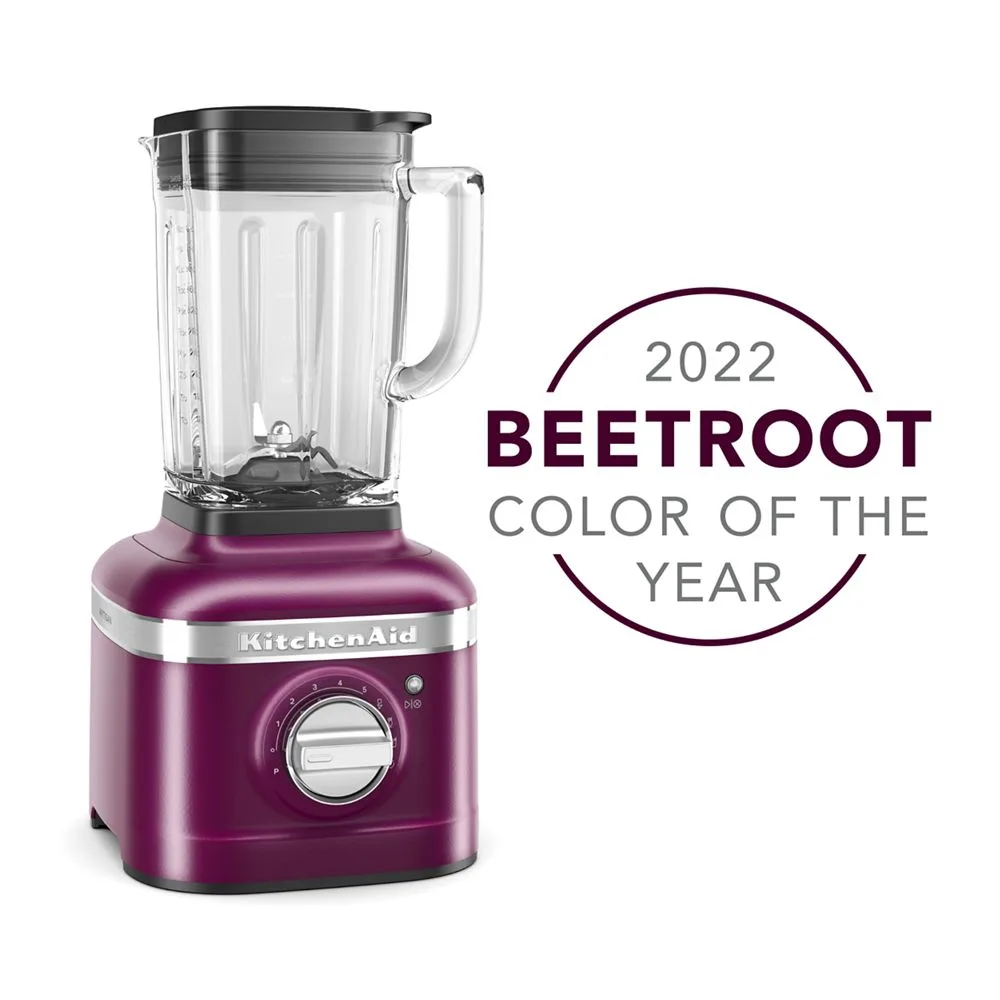
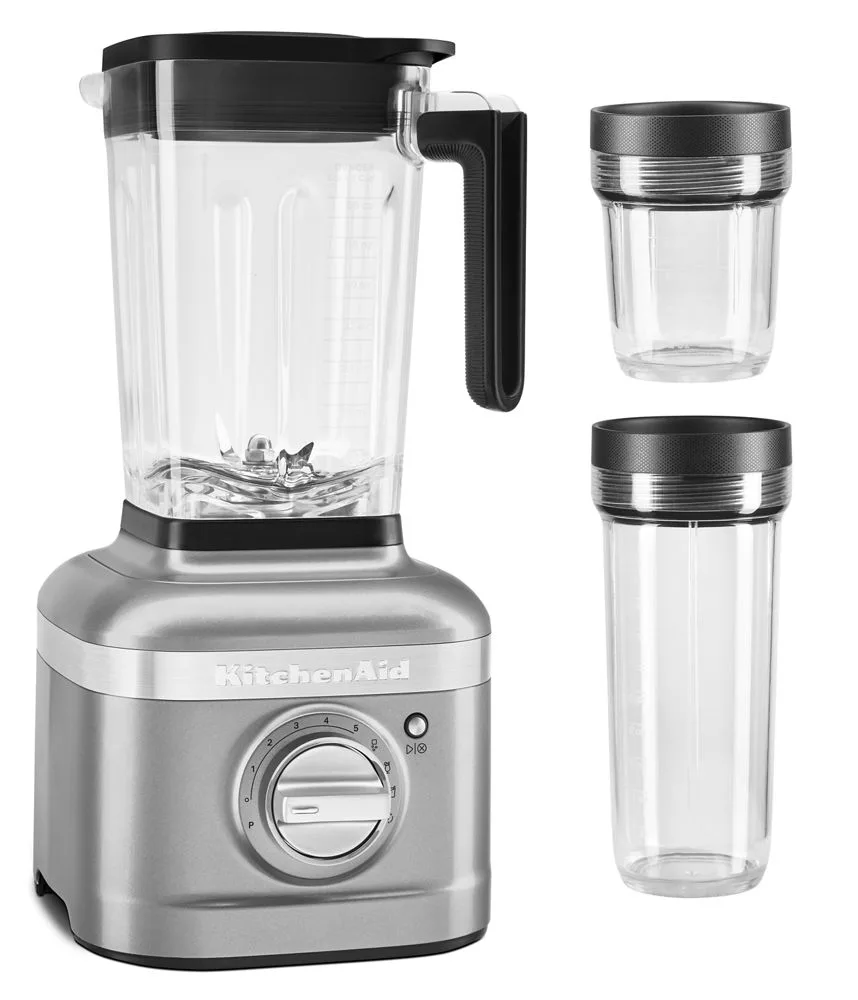
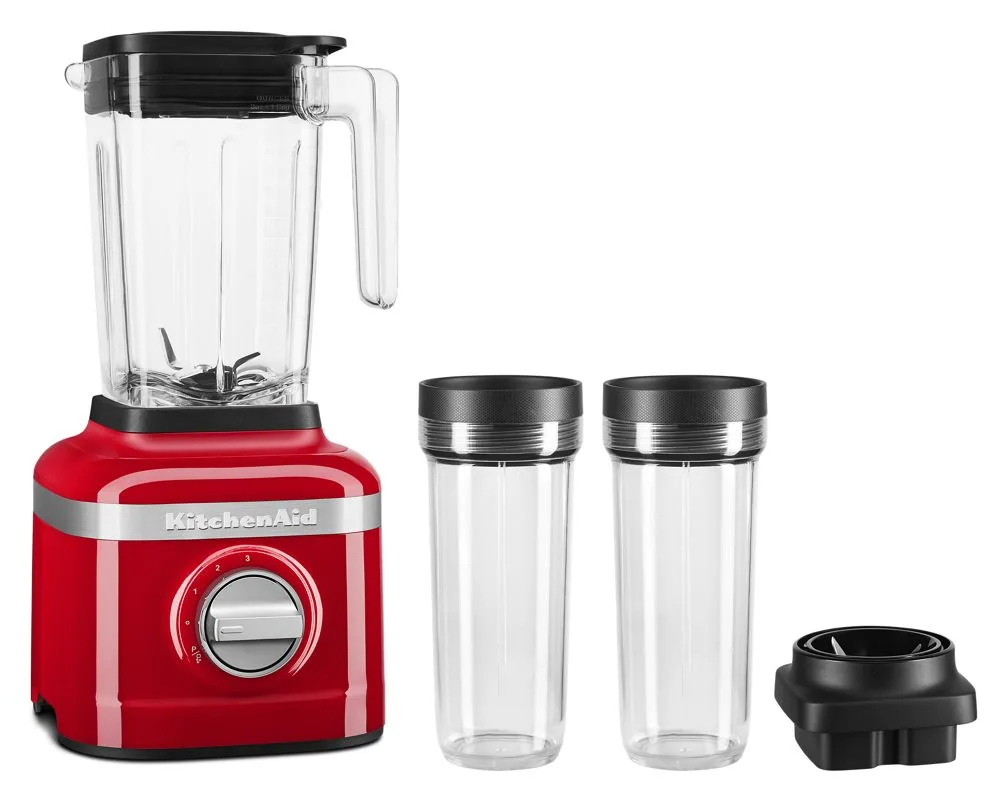
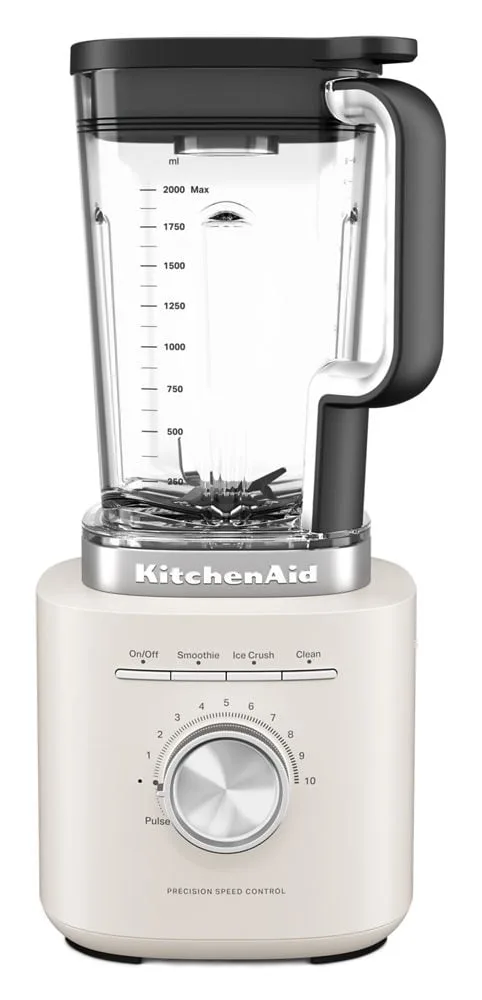
A countertop blender, like the KitchenAid countertop blender, is built for high-volume blending. Its powerful motor and large pitcher can crush ice, blend frozen fruit into thick smoothies, and handle tough ingredients like nuts or fibrous greens. If you regularly make smoothies for a family or need to blend large batches of soup, a countertop blender is the workhorse you need.
A KitchenAid hand blender, on the other-75970">other-75969">other-75968">other-75967">other hand, shines at quick, small-batch blending right in the pot or bowl. It’s perfect for pureeing a pot of tomato soup, emulsifying salad dressing, or blending a single-serve smoothie. Because you move the blender through the food, you have more control over texture. It’s also easier to clean—just rinse the shaft under running water.
- Tip: For frozen smoothies or crushing ice, a countertop blender is more effective. For hot soups and small batches, a hand blender saves time and cleanup.
Convenience and Cleanup
Countertop blenders come with a pitcher, lid, and often multiple parts that need to be washed. Even if they’re dishwasher-safe, you have to disassemble and reassemble them. They also take up permanent counter space or need to be stored in a cabinet.
Hand blenders are much more compact. They can be stored in a drawer or hung on a wall strip. The blending shaft detaches for easy rinsing, and most models are dishwasher-safe. If you often blend directly in a pot or serving cup, you eliminate extra dirty dishes entirely.
- Tip: If you hate cleaning extra dishes, a hand blender is a game-changer for soups and sauces.
Versatility and Attachments
Many KitchenAid hand blenders come with attachments like a whisk or chopper, turning them into multi-functional tools. For example, you can use the whisk for whipped cream or egg whites, and the chopper for small amounts of onions or nuts. This makes a hand blender a space-saving alternative to a food processor for small tasks.
Countertop blenders are more specialized. While some have variable speed control and pulse functions, they don’t typically offer attachments for other tasks. However, they can handle larger quantities and tougher ingredients more consistently.
- Tip: If you have limited storage, a hand blender with attachments can replace a whisk and a mini chopper.
Which One Should You Buy?
Choose a KitchenAid countertop blender if you make large smoothies, crush ice frequently, or blend for a crowd. It’s also better for heavy-duty tasks like grinding nuts or making nut butters.
Choose a KitchenAid hand blender if you value quick cleanup, blend directly in pots, or make single servings. It’s also ideal for emulsifying dressings, pureeing hot soups, and small chopping tasks. Many home cooks own both, but if you have to pick one, think about your most common blending job.
- Tip: For most home cooks, a hand blender is more versatile day-to-day, while a countertop blender is essential for serious smoothie lovers.
Both KitchenAid hand blenders and countertop blenders have their place in the kitchen. The right choice depends on your cooking habits, batch sizes, and space. If you still can’t decide, consider starting with a hand blender—it’s affordable, easy to store, and handles most everyday blending tasks with minimal cleanup.