A high-quality chef knife is one of the most important tools in any kitchen. Whether you're a home cook or a professional chef, your gyuto or chef knife deserves proper care to maintain its edge and longevity. Unfortunately, many people neglect knife storage and maintenance, leading to dull blades, chipped edges, and even safety hazards.
In this guide, we'll cover everything you need to know about storing and protecting your kitchen knives. From choosing the right storage method to daily cleaning habits and sharpening techniques, you'll learn how to keep your blades in peak condition for years to come.
Why Proper Knife Storage Matters
Storing your knives correctly is not just about organization — it's about preserving the blade's sharpness and preventing accidents. When knives are tossed loosely into a drawer, they can bump against other utensils, causing micro-chips and dulling the edge. This also increases the risk of cuts when reaching into the drawer blindly.
A good storage method protects both the blade and the user. Options like magnetic strips, knife blocks, edge guards, or dedicated knife rolls all offer different benefits. For example, a magnetic strip keeps blades visible and easily accessible while preventing contact with other metals. Knife blocks are classic but can collect dust and moisture if not cleaned regularly.
- Use a magnetic strip or in-drawer knife tray to avoid blade-to-blade contact.
- If using a knife block, ensure blades are fully dry before inserting to prevent rust.
- Consider edge guards for loose storage in a drawer or for transport.
Daily Care: Cleaning and Drying Your Knife
After each use, hand wash your knife with mild soap and warm water. Avoid putting high-carbon or stainless steel knives in the dishwasher — the harsh detergents, high heat, and jostling can damage the blade and handle. Instead, gently scrub with a soft sponge and rinse immediately.
Drying is just as important as washing. Moisture is the enemy of any knife, especially carbon steel blades that can rust quickly. Use a soft towel to dry the blade completely, paying attention to the handle and tang area where water can seep in. Never leave your knife to air dry, as water spots and corrosion can develop.
- Hand wash only — never put chef knives in the dishwasher.
- Dry immediately with a clean, soft cloth.
- Oil carbon steel blades occasionally to prevent rust.
Sharpening: When and How to Maintain the Edge
Even with perfect storage, all knives dull over time. Regular honing with a honing rod realigns the blade's edge and extends time between sharpenings. For most home cooks, honing once a week is sufficient. Sharpening with a whetstone or using a professional service should be done every few months, depending on usage.
When sharpening, maintain a consistent angle (typically 15 degrees for a gyuto) and use a coarse stone for repairing damage, then a finer stone for polishing. If you're new to sharpening, consider taking a class or using a guided sharpening system to avoid damaging your blade.
- Hone weekly with a ceramic or steel rod to maintain alignment.
- Sharpen with whetstones every 2-3 months for optimal performance.
- Invest in a quality sharpening kit or professional service for best results.
Choosing the Right Storage Solution for Your Kitchen
The best storage method depends on your kitchen layout, knife collection size, and personal preference. Magnetic strips save counter space and keep knives visible, but require a sturdy wall mount. Knife blocks are convenient but can be bulky. For those with limited space, an in-drawer knife tray or a knife roll offers flexibility.
If you own multiple knives or plan to expand your collection, a modular storage system might be ideal. For example, the VKS - Just The Knives set comes with its own storage case, making it easy to keep your blades organized and protected. Pairing your knives with proper storage accessories ensures they stay sharp and safe.
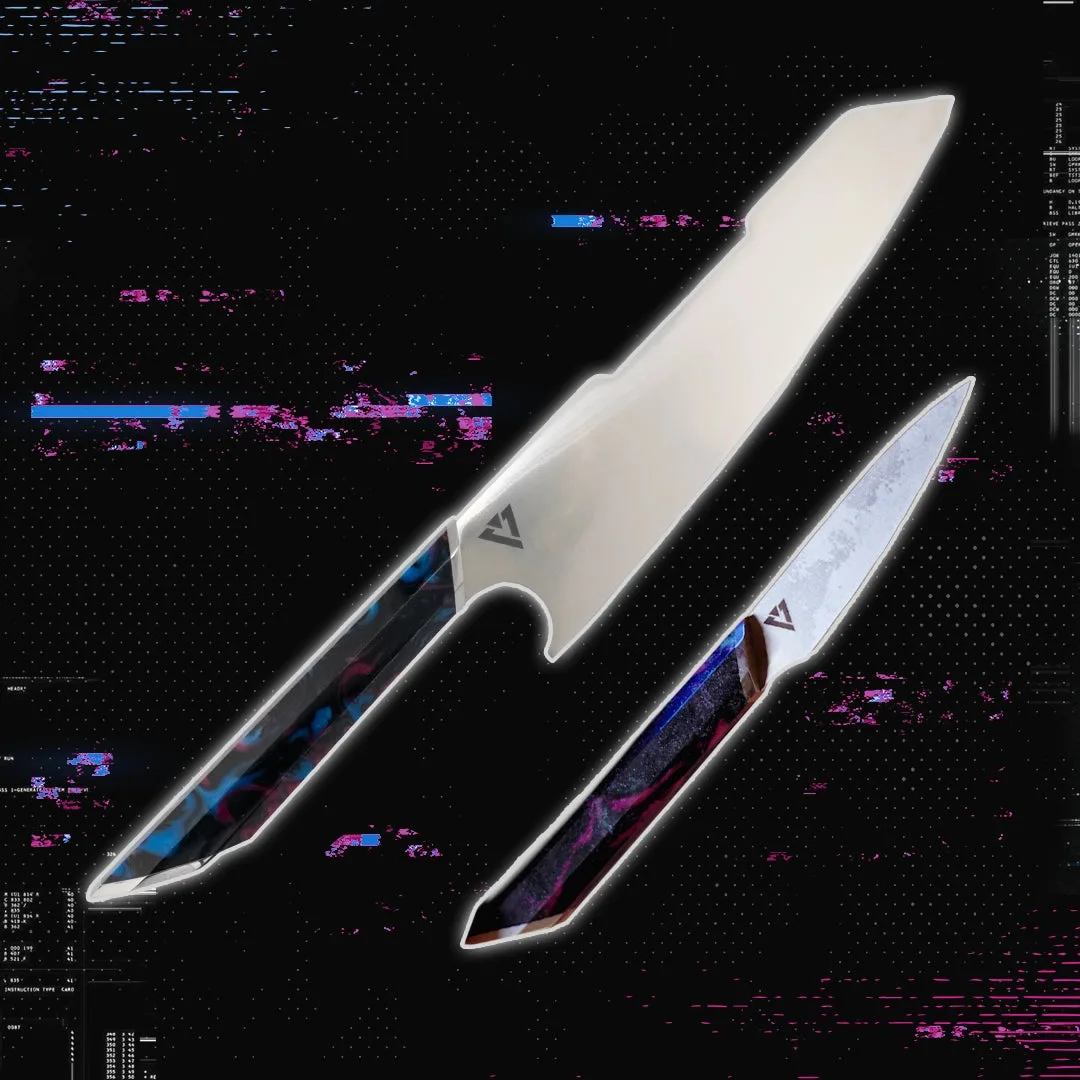
VKS - Just The Knives
- Magnetic strips: space-saving, visual, but require wall mounting.
- Knife blocks: classic, but ensure they are clean and dry.
- Knife rolls or cases: portable and great for multiple knives.
Common Mistakes to Avoid in Knife Maintenance
Many home cooks unknowingly shorten their knife's lifespan through simple mistakes. Using a glass cutting board, for instance, can dull a blade faster than wood or plastic. Similarly, cutting on hard surfaces like granite or metal can chip the edge. Always use a wooden or composite cutting board for best results.
Another common error is storing knives in a drawer without edge guards. Even if you have a dedicated slot, blades can still rub against each other. Using edge guards or a knife roll prevents this. Also, avoid using your chef knife for tasks like prying open cans or cutting through bones — that's what a cleaver is for.
- Never cut on glass, stone, or metal surfaces.
- Use the right knife for the task — avoid prying or twisting.
- Store each knife with an edge guard or in a dedicated slot.
Taking care of your kitchen knives doesn't have to be complicated. With proper storage, regular cleaning, and occasional sharpening, your blades will perform beautifully for years. Start by choosing a storage method that fits your space and habits, and make knife maintenance a part of your kitchen routine. For a complete set of high-quality blades that come with their own storage solution, explore the VKS - Just The Knives collection and elevate your cooking experience today.