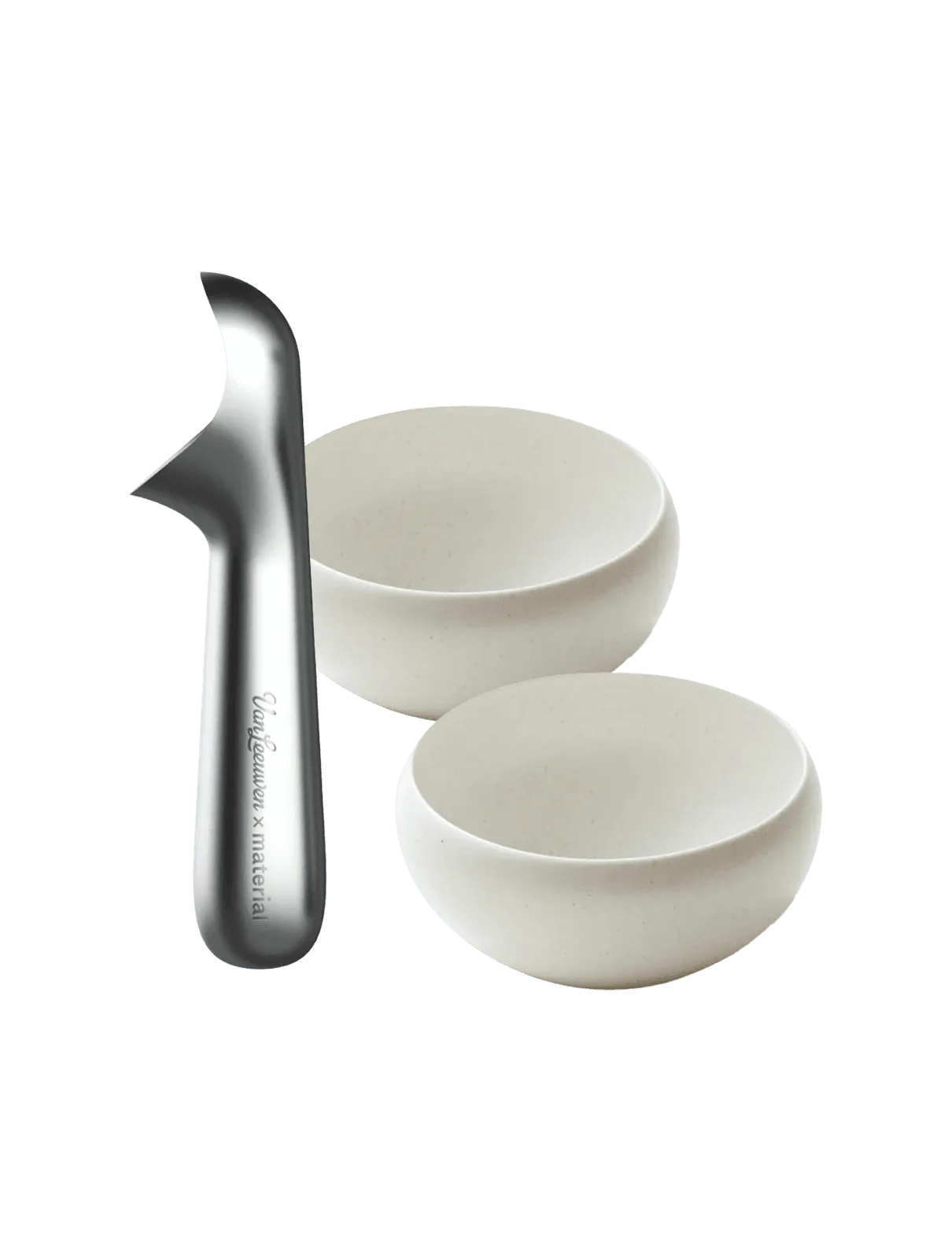
A good knife set is an investment in your cooking routine, but even the sharpest blades lose their edge if you don't care for them properly. Many home cooks focus on the initial purchase and forget that how you clean and store your knives directly affects their performance and lifespan. With a few simple habits, you can keep your prepware knife collection in top shape without expensive sharpening services or replacing blades every year.
Whether you own a single chef's knife or a full set like The MK Free Set, the principles of kitchen knife maintenance are the same. The goal is to prevent moisture damage, avoid dulling the edge, and protect both the blade and the handle. Let's walk through the practical steps you can take starting today.
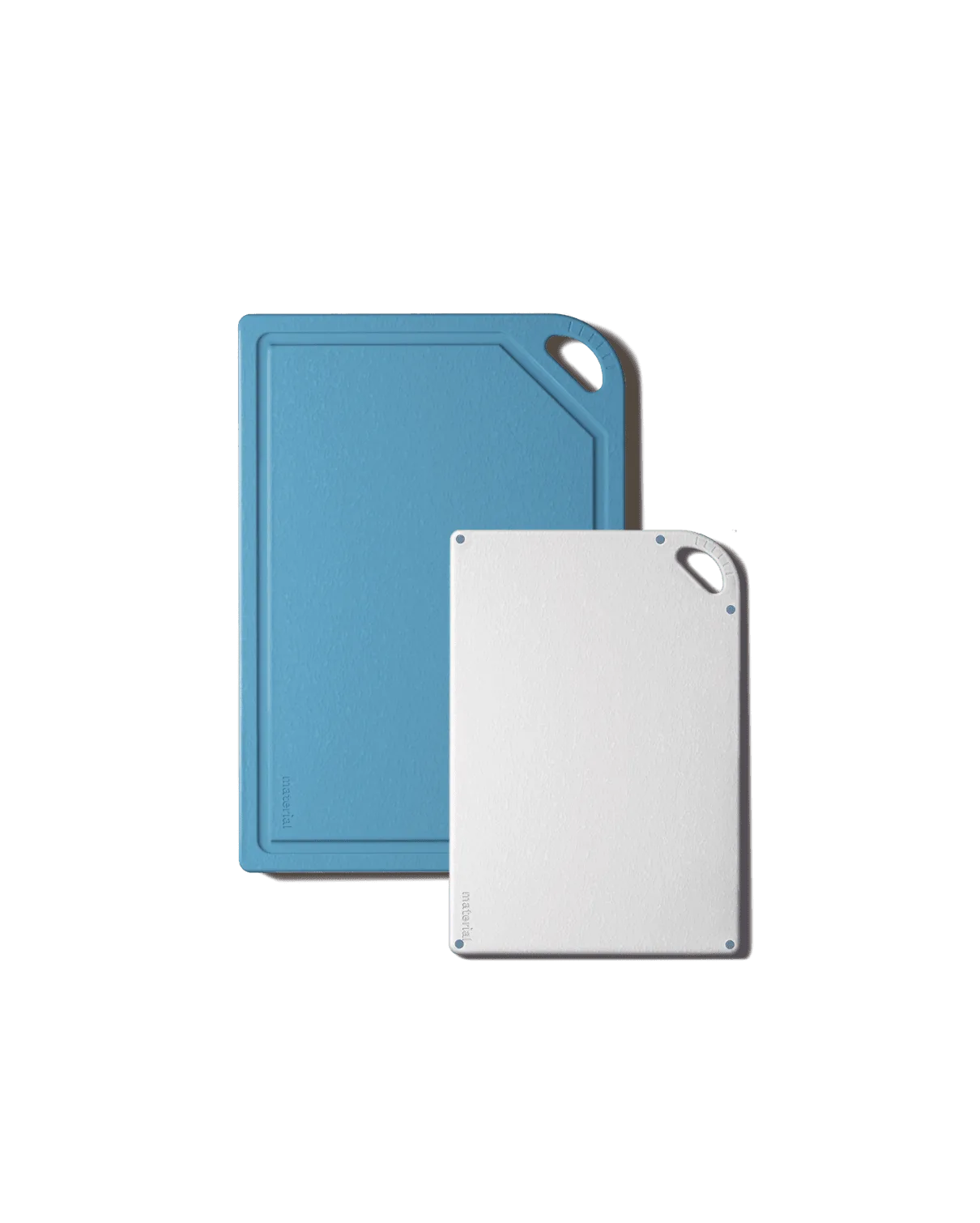
The MK Free Set
How to Clean Your Knife Set the Right Way
The biggest mistake people make is tossing knives into the dishwasher. High heat, harsh detergents, and the jostling against other utensils can dull the blade, warp the handle, and cause rust spots. Instead, always wash your knives by hand with warm water and a mild dish soap. Use a soft sponge or cloth, and scrub along the spine of the blade, not against the edge, to avoid accidental cuts.
After washing, rinse thoroughly and dry immediately with a clean towel. Never let knives air-dry, as standing water can lead to corrosion, especially on high-carbon steel blades. Pay extra attention to the area where the blade meets the handle—food particles and moisture often hide there. For sticky residues, a paste of baking soda and water works well without scratching the metal.
- Hand wash only; never use the dishwasher.
- Dry knives immediately after washing to prevent rust.
- Clean the handle and blade junction carefully to avoid buildup.
Best Practices for Storing Knives
Storing knives loosely in a drawer is a recipe for dull edges and dangerous fumbling. The blade bangs against other utensils, causing micro-chips and nicks. A proper storage solution keeps each knife separated and protected. A magnetic strip on the wall is a space-saving option that also keeps blades visible and accessible. Alternatively, a knife block or a blade guard for individual knives works well.
If you prefer a block, make sure the slots are lined with soft material or are wide enough that the blade doesn't scrape against the sides when inserted. For those who own a set like The Knives + Stand, the included stand is designed to hold each knife securely. Avoid storing knives in a damp drawer or near the stove, where heat and humidity can accelerate corrosion. A cool, dry spot is ideal.
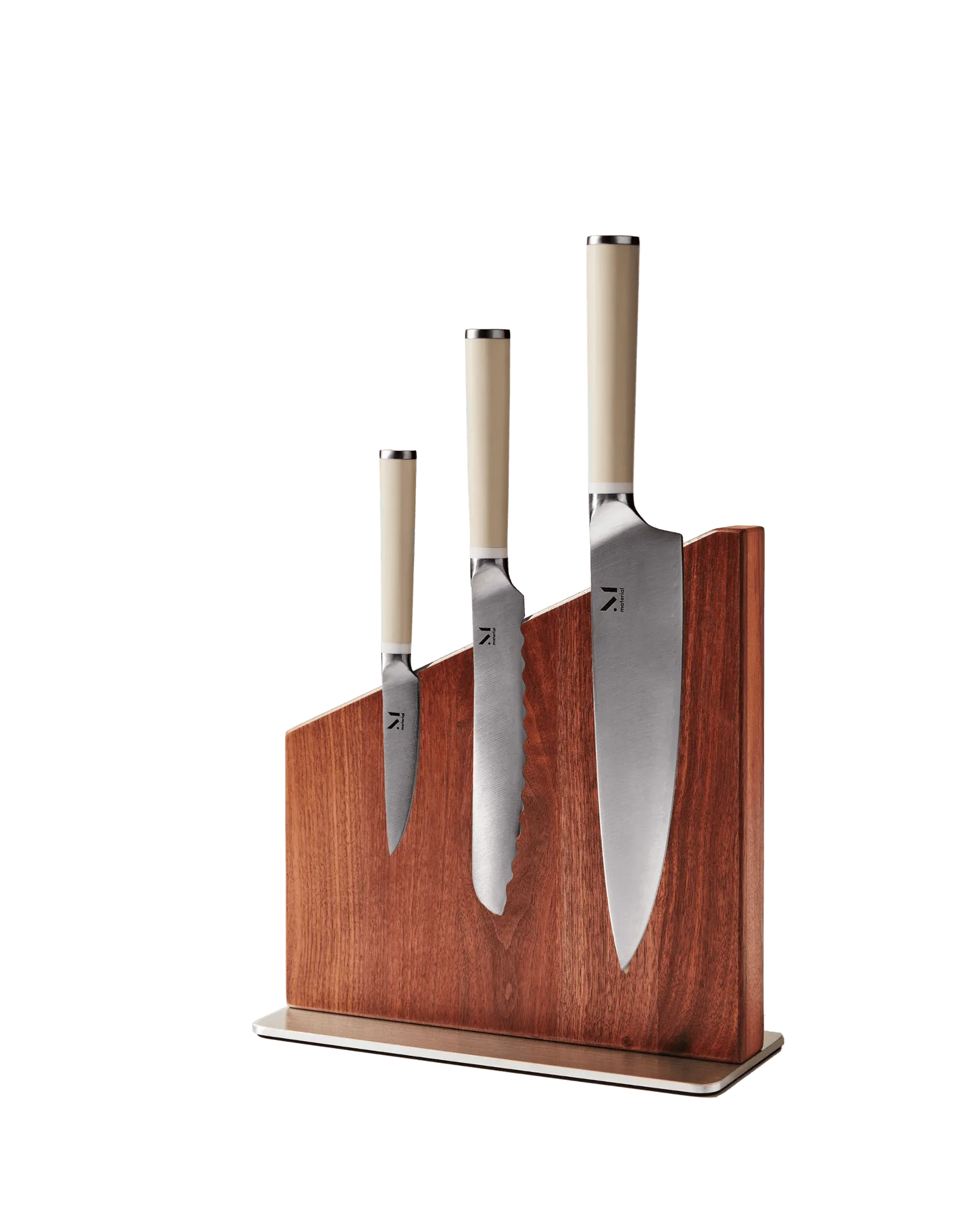
The Knives + Stand
- Use a magnetic strip, knife block, or blade guards for safe storage.
- Keep knives away from heat sources and moisture.
- Ensure storage slots are clean and dry before inserting blades.
Essential Knife Care Tips for Everyday Maintenance
Regular honing is more important than frequent sharpening. A honing steel realigns the microscopic edge of the blade, keeping it sharp between sharpenings. Get into the habit of honing your knives every few uses—just a few light strokes on each side. For actual sharpening, a whetstone or a professional service every six to twelve months is sufficient, depending on how often you cook.
Also consider what you cut on. Glass, stone, or ceramic cutting boards are extremely hard and will dull your knives quickly. Wooden or soft plastic cutting boards are much gentler on the edge. Finally, never use your kitchen knives for prying, twisting, or cutting through bones unless they are specifically designed for that task. Respecting the blade's intended use is part of good kitchen knife maintenance.
- Hone regularly with a steel, sharpen only when needed.
- Use wood or soft plastic cutting boards to protect the edge.
- Avoid using knives on hard surfaces like glass or stone.
When to Replace or Upgrade Your Knife Set
Even with the best care, every knife set eventually shows wear. If you notice persistent rust, chips that won't hone out, or a loose handle, it may be time for a replacement. A quality set like The MK Free Set can last many years with proper care, but no knife is indestructible. Pay attention to how the knife feels in your hand—if it no longer cuts cleanly through a tomato or onion, it might need professional sharpening or retirement.
When upgrading, consider how the new set fits your storage and cleaning routine. A set that comes with a dedicated stand or block, such as The Knives + Stand, simplifies organization. Investing in a few high-quality knives rather than a large block of mediocre ones often leads to better long-term satisfaction and easier maintenance.
- Watch for signs of rust, chips, or loose handles.
- Professional sharpening can extend a blade's life significantly.
- Choose a set that matches your storage space and cleaning habits.
Taking a few minutes to clean and store your knife set properly will pay off every time you cook. By hand-washing, drying immediately, using the right storage, and honing regularly, you keep your blades safer and sharper for longer. Whether you're caring for a single chef's knife or a full prepware collection like The MK Free Set, these simple habits make all the difference in your kitchen.