A sharp knife is the single most important tool in any kitchen. Whether you are dicing onions, slicing tomatoes, or carving a roast, a razor-sharp blade makes every task safer, faster, and more precise. Yet many home cooks neglect knife sharpening, relying on dull blades that slip and crush rather than cut. The good news is that keeping your cutlery sharp at home is easier than you think. With the right techniques and a few essential tools, you can maintain a professional edge without expensive sharpening services.
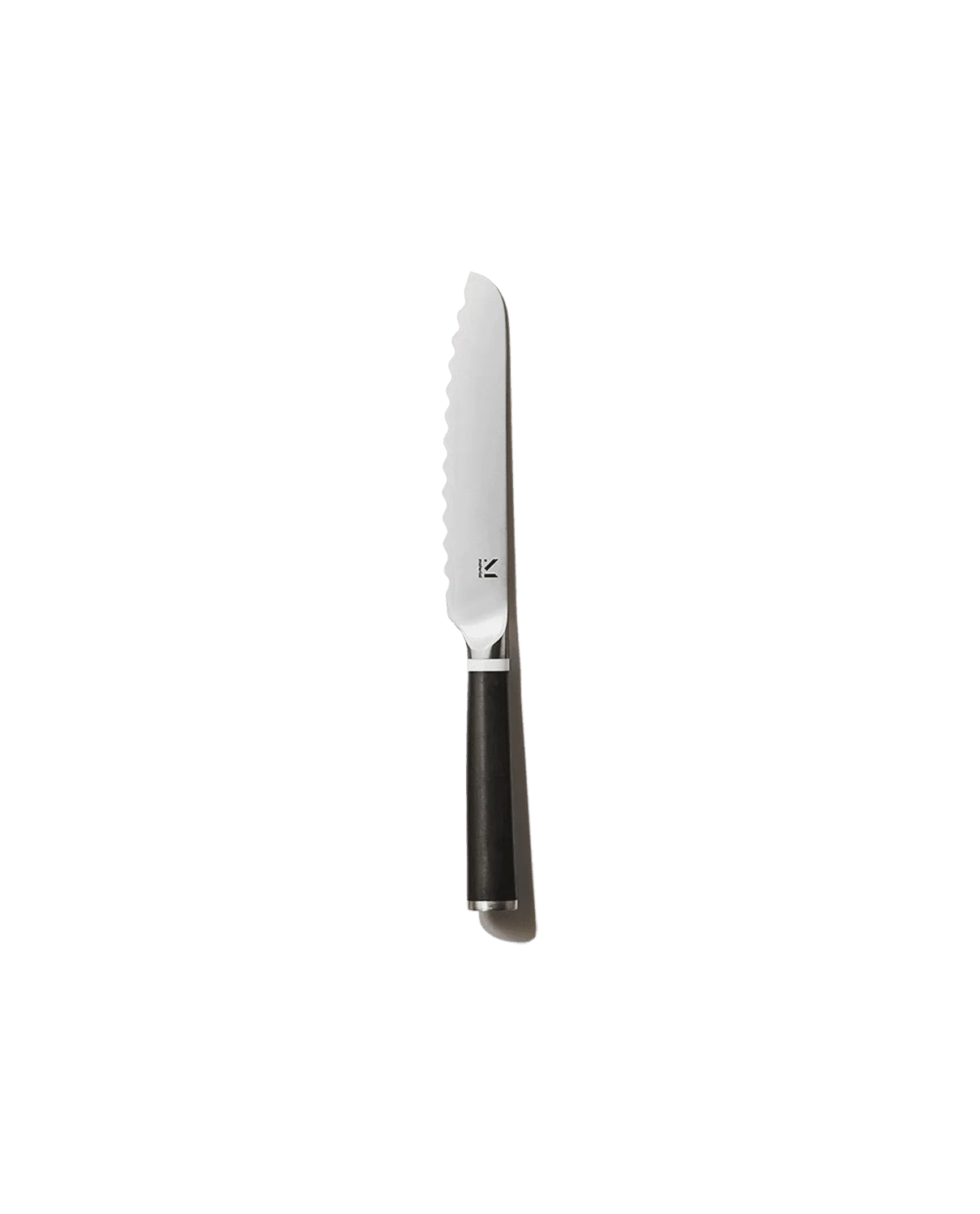
In this guide, we will cover the fundamentals of knife sharpening, including the difference between honing and sharpening, the best tools for the job, and a step-by-step process to restore your blades. We will also highlight how proper knife maintenance pairs with quality kitchen tools like the Silo Cutlery set and the versatile The Knives + Stand to elevate your cooking experience.
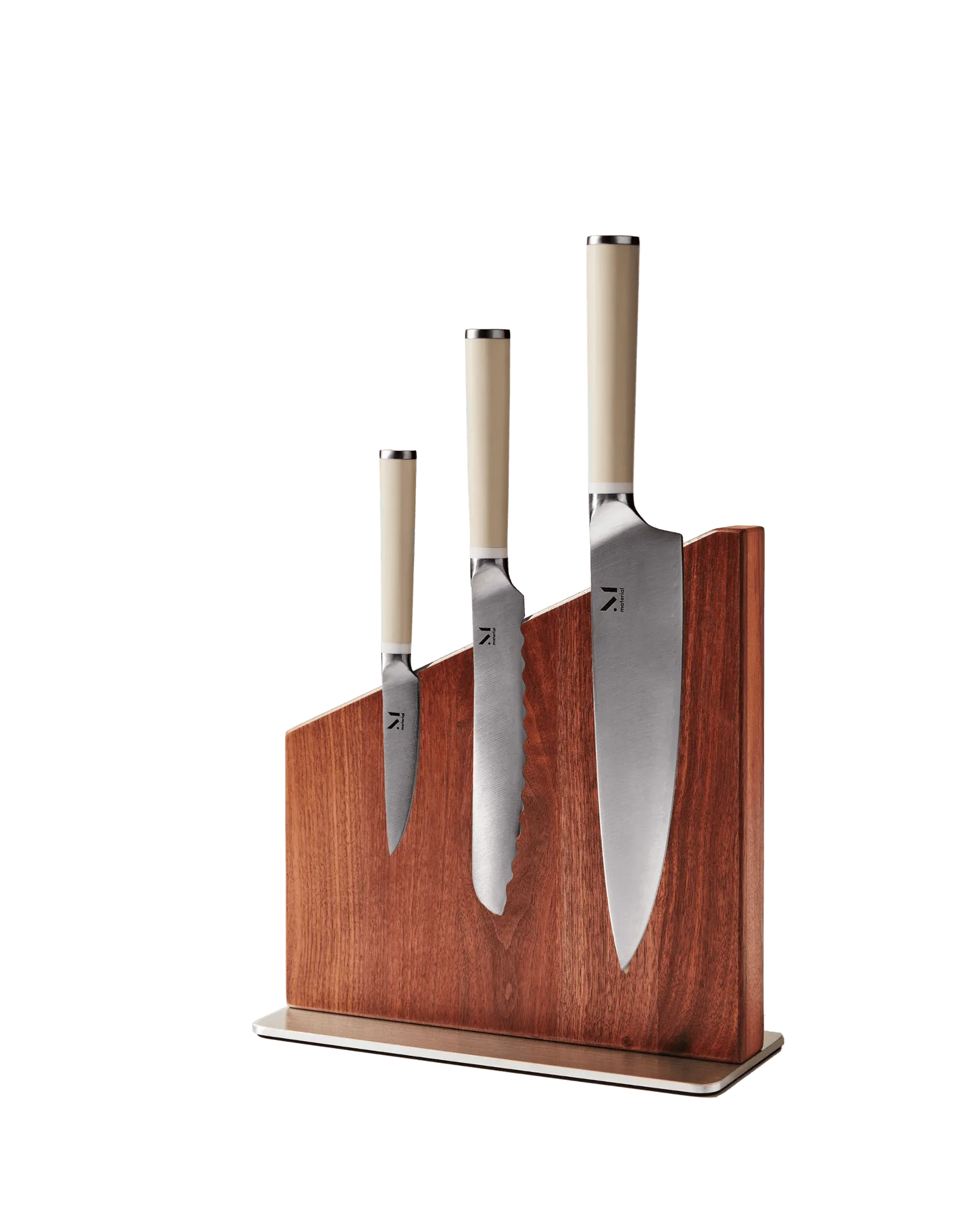
The Knives + Stand
Honing vs. Sharpening: What Is the Difference?
Many home cooks confuse honing with sharpening, but they serve very different purposes. Honing realigns the edge of a blade that has become slightly bent or misaligned through use. It does not remove metal, but it straightens the edge, restoring sharpness temporarily. Sharpening, on the other hand, actually grinds away metal to create a new edge. Over time, honing alone is not enough; you must sharpen your knives periodically to remove dulled steel and reveal a fresh cutting surface.
Think of honing as a quick tune-up between sharpenings. For everyday maintenance, a honing steel is ideal. But when your knife no longer bites into a tomato skin or slips on an onion, it is time to sharpen. Understanding this distinction is key to prolonging the life of your blades and ensuring consistent performance.
- Hone your knife after every 2-3 uses to maintain alignment.
- Sharpen your knife every 2-4 months depending on usage.
- Always wash and dry your knife before honing or sharpening.
Essential Tools for Home Knife Sharpening
There are several effective methods for sharpening knives at home, each with its own pros and cons. The most common tools include whetstones, electric sharpeners, pull-through sharpeners, and honing rods. Whetstones offer the most control and produce the finest edge, but they require practice and patience. Electric sharpeners are fast and user-friendly but can remove more metal than necessary. Pull-through sharpeners are convenient for beginners but may not yield a razor edge.
For the best results, many chefs recommend starting with a medium-grit whetstone (around 1000 grit) for sharpening, followed by a fine-grit stone (3000-6000 grit) for polishing. A honing steel, like the one included in The Knives + Stand, is essential for daily upkeep. Pairing your sharpening routine with high-quality cutlery, such as the Silo Cutlery set, ensures that your knives hold an edge longer and perform beautifully.
- Whetstone: Best for precision and edge control.
- Electric sharpener: Fast and consistent for busy cooks.
- Honing steel: Perfect for daily touch-ups.
Step-by-Step Guide to Sharpening with a Whetstone
Sharpening with a whetstone may seem intimidating, but it is a rewarding skill that gives you complete control over your blade. First, soak the stone in water for 10-15 minutes if it is a water stone. Place it on a damp towel to prevent slipping. Hold your knife at a 15-20 degree angle against the stone. Starting with the coarse side, push the blade from heel to tip across the stone, applying light, even pressure. Repeat 10-15 times on each side.
Flip the stone to the fine-grit side and repeat the process to polish the edge. After sharpening, rinse the knife and test it on a piece of paper or a tomato. A properly sharpened blade should slice cleanly without tearing. Finish by honing the blade on a steel to realign the edge. With practice, this method will keep your knives performing like new for years.
- Maintain a consistent angle throughout the stroke.
- Use light pressure to avoid damaging the edge.
- Test sharpness on paper or a ripe tomato.
Maintaining Your Knives for Longevity
Sharpening is only part of the equation. Proper knife care extends the life of your blades and reduces the frequency of sharpening. Always hand wash your knives with mild soap and dry them immediately—dishwashers can dull and corrode the steel. Store knives in a block, on a magnetic strip, or in a sheath to protect the edge from nicks. Avoid cutting on glass, stone, or ceramic surfaces; wooden or synthetic cutting boards are far gentler on blades.
Additionally, use the right knife for the task. A chef's knife is ideal for chopping, while a paring knife excels at detail work. Using a serrated knife on a cutting board can damage both the board and the blade. By following these simple habits, you will keep your cutlery in peak condition and reduce the need for frequent sharpening.
- Hand wash and dry knives immediately after use.
- Store knives in a block or on a magnetic strip.
- Use a wooden or synthetic cutting board to protect edges.
When to Seek Professional Sharpening
While home sharpening is effective for most knives, there are times when professional help is warranted. If your knife has a chipped edge, a bent tip, or is extremely dull, a professional sharpener can restore it with precision equipment. Similarly, high-end knives with specialized geometries or very hard steel may benefit from expert care. Professional services typically use belt sharpeners or water-cooled wheels that remove minimal metal while achieving a razor edge.
For everyday knives, however, a combination of regular honing and periodic home sharpening will suffice. Investing in quality tools like The Knives + Stand and a reliable whetstone will pay off in the long run. If you notice that your knife requires sharpening more than once a month, it may be time to consult a professional or consider upgrading your blade.
- Professional sharpening is ideal for chipped or bent blades.
- High-end knives may require expert care.
- Consider upgrading if your knife needs frequent sharpening.
Mastering knife sharpening at home transforms your cooking experience, making every slice effortless and precise. By understanding the difference between honing and sharpening, choosing the right tools, and following a consistent maintenance routine, you can keep your cutlery razor-sharp for years. Ready to elevate your kitchen? Explore The Knives + Stand, a complete set that pairs beautifully with your sharpening practice and keeps your blades organized and protected.