Knife skills are the foundation of efficient and enjoyable cooking. Whether you're a beginner or an experienced home cook, mastering basic cutting techniques can transform your time in the kitchen. Proper knife skills not only speed up meal prep but also ensure even cooking, reduce waste, and enhance the visual appeal of your dishes.
In this guide, we'll walk through the essential cutting techniques every home cook should know, from the classic chop to the precise julienne. We'll also highlight how the right tools, like the Silo Cutlery and The Table Knives, can make a significant difference in your cutting experience. Let's sharpen your skills and your knives.
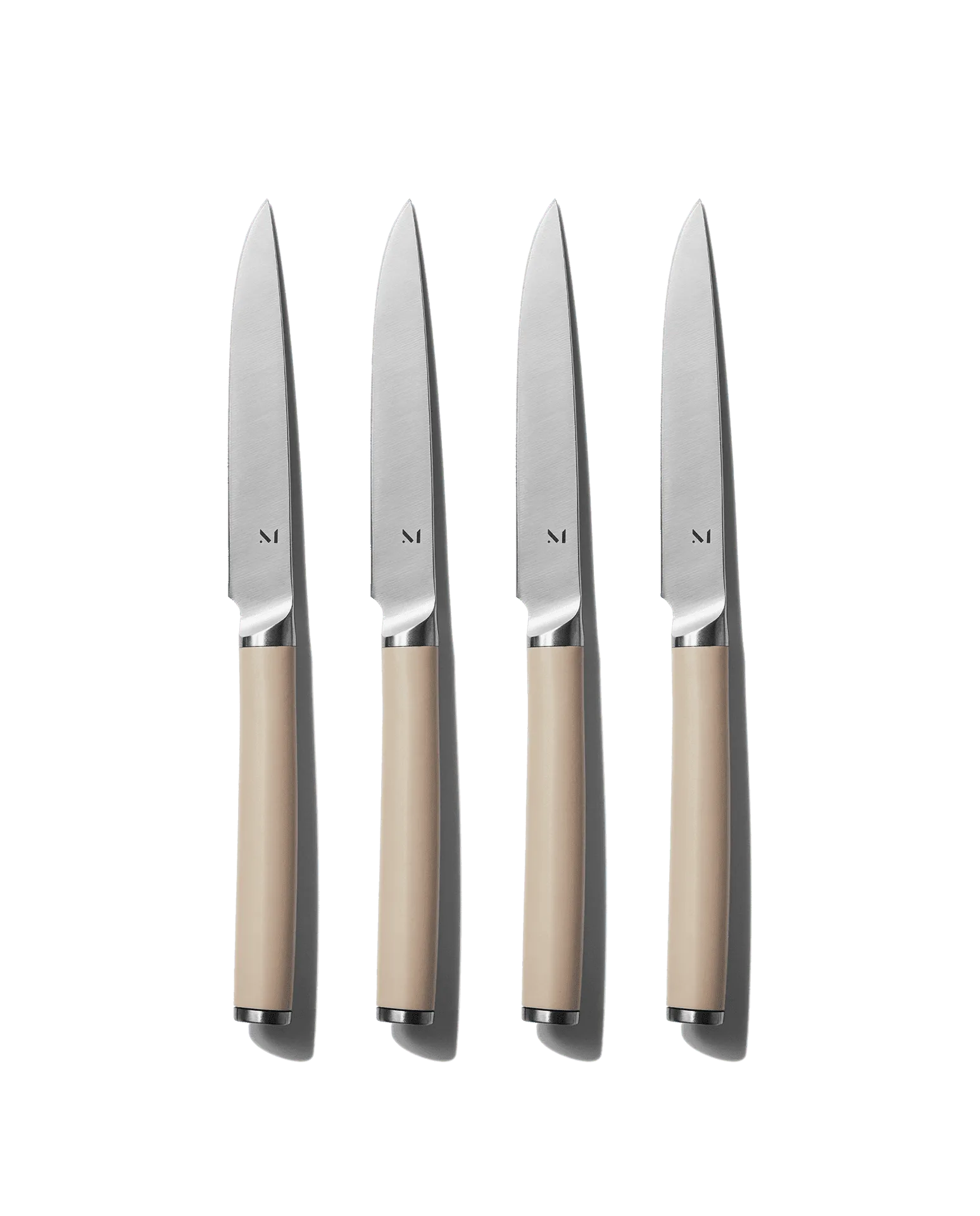
The Table Knives
The Foundation: Choosing the Right Knife and Grip
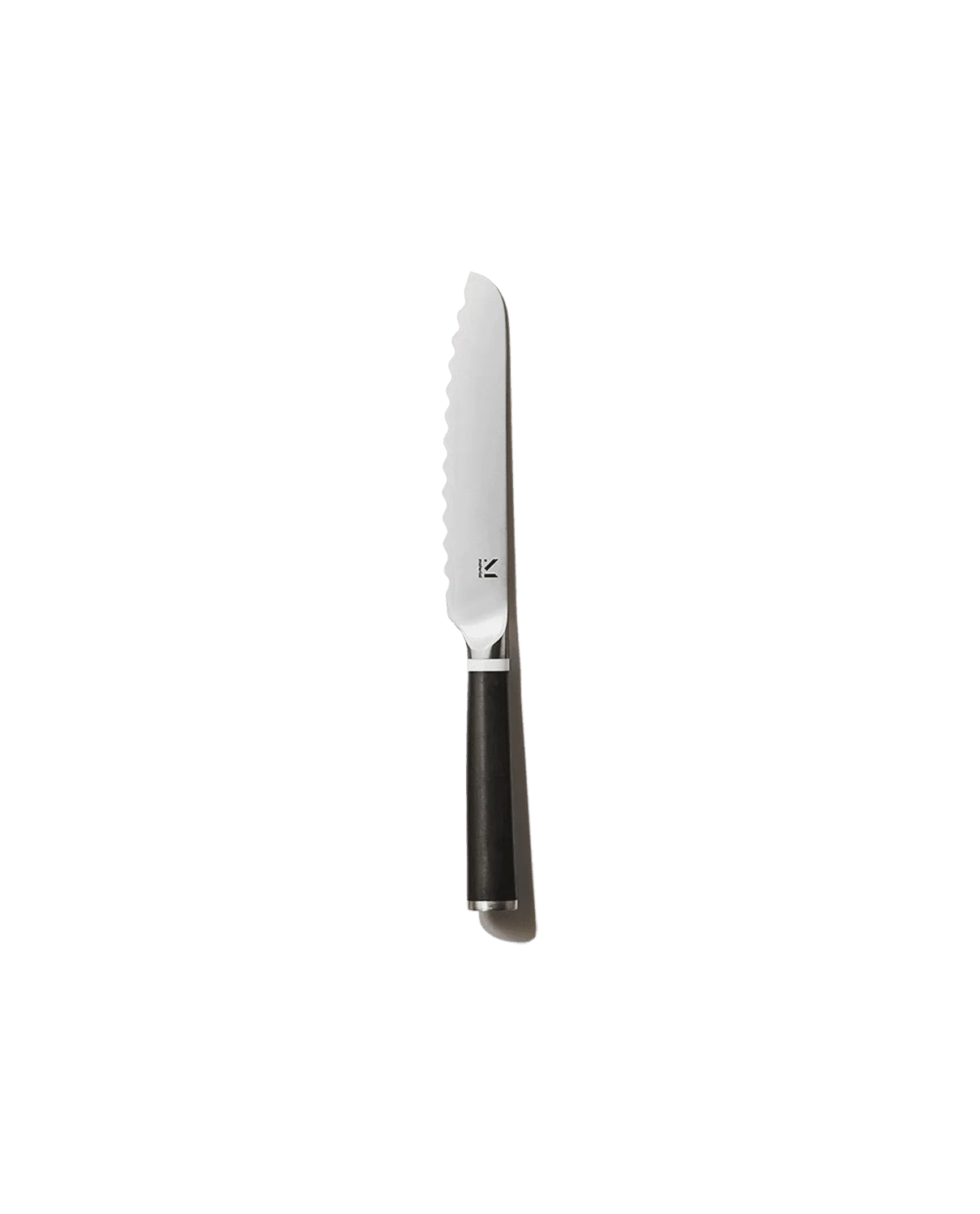
Before diving into techniques, it's crucial to have a good knife and a proper grip. A chef's knife (8-10 inches) is the most versatile tool for most cutting tasks. Look for a knife that feels balanced in your hand, with a comfortable handle. The Silo Cutlery collection offers excellent balance and ergonomics, making it a great choice for both beginners and seasoned cooks.
The pinch grip is the standard for control and safety: pinch the blade between your thumb and index finger just above the handle, then wrap your other fingers around the handle. This grip gives you maximum control over the knife's movement. Always keep your fingertips curled under on your guiding hand (the 'claw' grip) to protect them from the blade.
- Use a sharp knife: dull knives require more force and are more likely to slip.
- Keep your cutting board stable: place a damp paper towel or non-slip mat underneath.
The Basic Chop: Quick and Efficient
The chop is the most fundamental cutting technique, used for vegetables like onions, carrots, and celery. To chop, hold the knife with a pinch grip and use a rocking motion, keeping the tip of the blade on the cutting board. Move the knife forward and down in a smooth arc, then lift and repeat. This motion allows for fast, consistent cuts without lifting the blade entirely.
For large items like bell peppers or potatoes, first cut them into manageable flat-sided pieces. This stabilizes the food and makes chopping safer. Practice maintaining a steady rhythm; speed will come with time. A good chopping technique is the basis for many other cuts, including dicing and mincing.
- Keep the knife tip on the board for a continuous rocking motion.
- Cut ingredients to similar sizes for even cooking.
Dicing: Uniform Cubes for Even Cooking
Dicing produces small, uniform cubes, perfect for soups, stews, and salsas. The standard dice sizes are small (1/4 inch), medium (1/2 inch), and large (3/4 inch). Start by cutting your ingredient into planks of the desired thickness, then stack the planks and cut them into sticks. Finally, turn the sticks and cut crosswise to create cubes.
For onions, a classic dice involves cutting off the root end, halving the onion, peeling it, then making horizontal and vertical cuts before chopping across. Practice with firm vegetables like potatoes or carrots. The Table Knives are excellent for precision dicing due to their sharp, straight edges.
- Always cut to the same thickness for uniform dice.
- Use a sharp knife to avoid crushing soft ingredients like tomatoes.
Julienne: Matchstick Cuts for Salads and Stir-Fries
The julienne cut creates thin, matchstick-shaped strips, ideal for salads, stir-fries, and garnishes. The standard julienne is 1/8 inch thick and 2-3 inches long. To julienne, first square off your ingredient (e.g., a carrot) by cutting a thin slice from each side to create a rectangular block. Then cut the block into thin planks, stack the planks, and slice them into thin strips.
This technique requires a steady hand and a sharp blade. The French Country Cutlery offers excellent control for such precise cuts. Once you master julienne, you can move on to brunoise (a fine dice made from julienne strips) for even more refined dishes.
- Keep your guiding hand in a claw position to protect fingers.
- Cut at a consistent angle to maintain uniform thickness.
Mincing: Fine Cuts for Garlic, Herbs, and Shallots
Mincing produces very fine pieces, often used for garlic, ginger, and fresh herbs. For garlic, smash the clove with the flat side of the knife to loosen the skin, then chop finely using a rocking motion. For herbs, gather them into a tight pile and rock the knife through them repeatedly until finely chopped.
A sharp knife is essential for mincing; a dull blade will bruise herbs and crush garlic. After mincing, you can use the flat of the blade to smear the garlic into a paste (a technique called 'smashing'). This releases more flavor. The Silo Cutlery set includes a small paring knife that can be handy for detailed mincing tasks.
- For herbs, ensure they are dry to prevent sticking.
- Use a pinch of coarse salt to help break down garlic or herbs.
The Chiffonade: Ribbon Cuts for Leafy Greens and Herbs
The chiffonade cut is perfect for leafy greens like basil, spinach, and kale, as well as herbs like mint. Stack the leaves, roll them tightly into a cigar shape, then slice crosswise into thin ribbons. This technique creates elegant, uniform strips that are great for garnishes, salads, and pasta dishes.
For basil, avoid bruising the leaves by using a very sharp knife and a gentle sawing motion. The chiffonade adds a professional touch to any dish. Practice with larger leaves like Swiss chard or collard greens before moving to delicate herbs.
- Roll the leaves as tightly as possible for cleaner cuts.
- Use a sharp knife to avoid tearing the leaves.
Sharpening and Honing: Keeping Your Knives in Top Condition
A sharp knife is safer and more effective than a dull one. Honing realigns the blade's edge and should be done before each use with a honing steel. Sharpening removes metal to create a new edge and should be done every few months, depending on usage. You can use a whetstone, electric sharpener, or professional service.
Proper storage also protects your knives. Use a knife block, magnetic strip, or blade guards to prevent dulling and damage. The Midi MK Free Board is an excellent cutting surface that is gentle on knife edges, helping maintain sharpness longer.
- Hone your knife with a steel before each use.
- Never put good knives in the dishwasher; hand wash and dry immediately.
Mastering these essential cutting techniques will boost your confidence and efficiency in the kitchen. Start with the basic chop and work your way up to julienne and chiffonade. Remember, practice makes perfect, and having the right tools makes all the difference. Explore our collection of premium knives to find the perfect blade for your kitchen.