Quick answer
For a baby in the early, hands-on stage of teething, the Koala Teether is the better first choice: it is shaped for tiny hands and adds tactile sensory play on the back. For an older child who needs a portable, wearable tool to chew through big emotions, the Snowflake Pendant is the stronger pick. They solve different problems, so the right answer depends on whether your child is still learning to hold and mouth a toy or is ready to manage a pendant independently.
How grip and shape change the choice
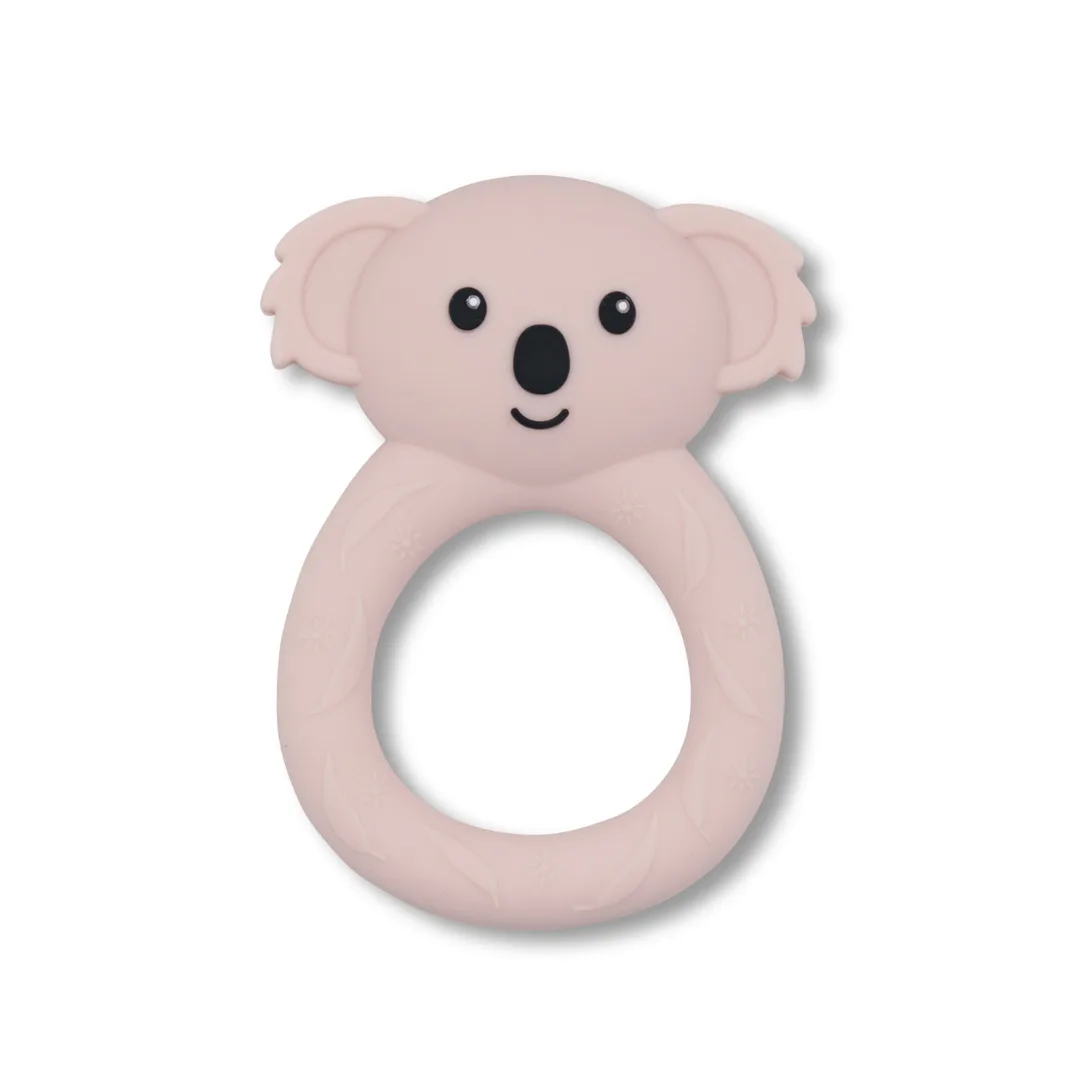
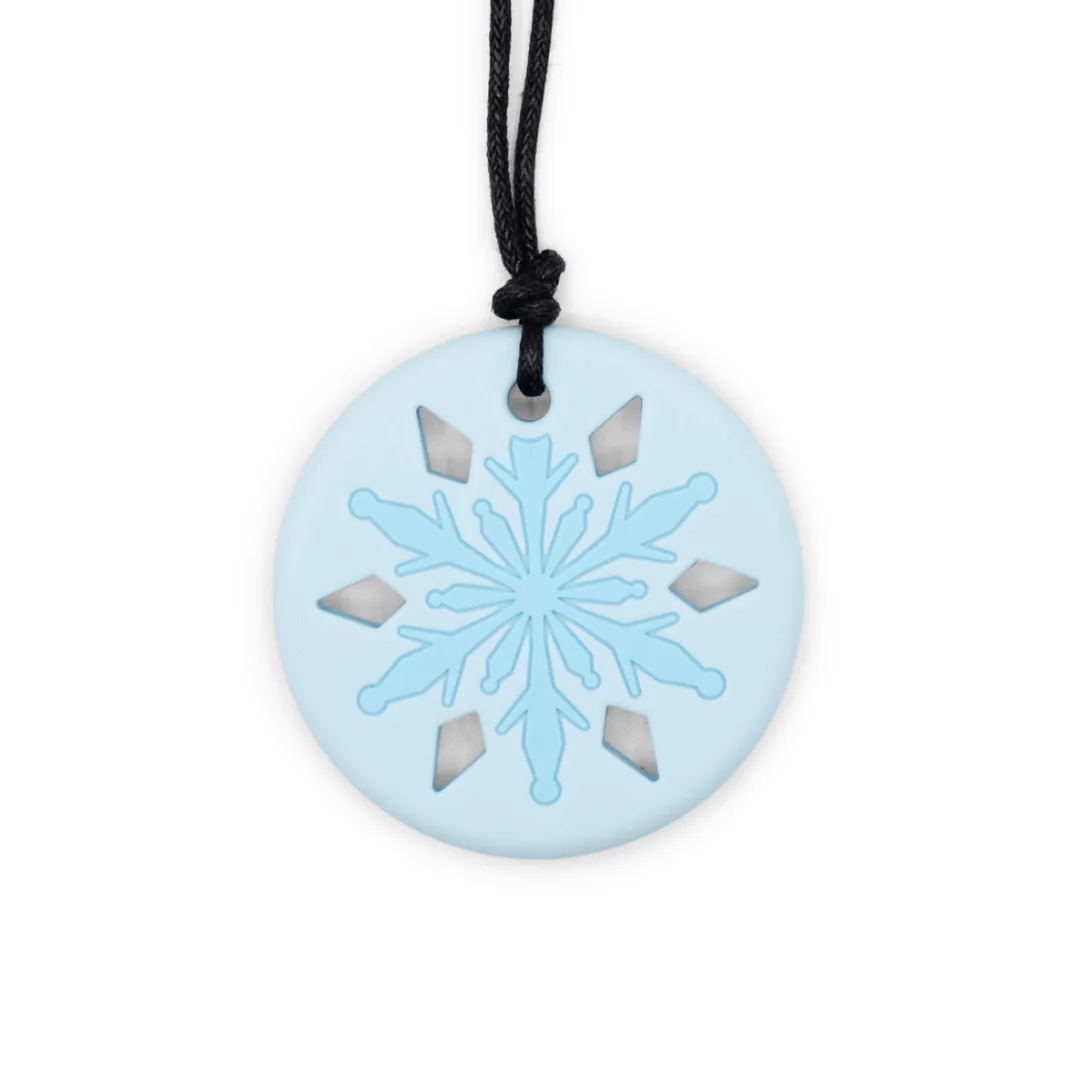
The Koala Teether is described as easy to hold for tiny hands, which matters most when a baby is still building the coordination to bring a toy to their mouth and keep it there. The tactile elements on the back add sensory interest beyond chewing, so the same object can serve as a mouthing tool and a small hands-on discovery toy. The Snowflake Pendant is a silicone shape on a necklace, so it is worn rather than gripped. That design shift is the real dividing line: one is held and explored, the other is carried and accessed when needed.
Sensory feedback and independence
The Snowflake Pendant is recommended by Occupational Therapists as a tool a child can use independently to develop effective control of their nervous system, according to the catalog description. That independence is the point: a child can reach for it without an adult handing it over. The Koala Teether does not carry that same positioning in the catalog facts, so treat it as a caregiver-supported teething and sensory toy rather than a self-regulation necklace. If your goal is a child who can manage their own chewing breaks, the pendant format is the closer fit.
Materials and color options
Both products are made from non-toxic silicone. The Koala Teether is explicitly described as BPA-free, phthalate-free, and non-toxic, and it comes in Pink Salt and Eucalyptus. The Snowflake Pendant is available in a range of colors, though the catalog does not list specific color names. If you already know which colors your child gravitates toward, the Koala Teether gives you two named choices to work with; the pendant gives you a broader but unnamed range. Neither product's catalog facts state a specific age range, so use your child's current mouthing and handling behavior rather than a number to decide.
Trade-offs to weigh before you buy
- Held vs. worn: The Koala Teether is designed to be gripped by tiny hands, while the Snowflake Pendant is a necklace your child wears. A held teether builds hand-to-mouth coordination; a worn pendant frees the hands and stays with the child. Choose the held teether if your child still drops toys; choose the pendant if they need a tool that stays put.
- Caregiver-supported vs. independent: The Snowflake Pendant is recommended by Occupational Therapists as a tool a child can use independently to develop effective control of their nervous system. The Koala Teether's catalog facts focus on teething and sensory play rather than independent self-regulation. If independence is the goal, the pendant format matches that intent more directly.
- Named colors vs. a range of colors: The Koala Teether comes in Pink Salt and Eucalyptus. The Snowflake Pendant is available in a range of colors, but the catalog does not name them. If you want to pick a specific color from the listing, the Koala Teether gives you two clear options.
Product facts at a glance
- Koala Teether: Jellystone Designs' Koala Teether is an adorable, easy to hold teether for tiny hands that are soft on gums and ideal for teething babies. Tactile elements on the back allow for added sensory fun. Made from non-toxic silicone, it is BPA-free, phthalate-free, and non-toxic. Available in Pink Salt and Eucalyptus. The easy-hold shape and back-side tactile elements make it a dual-purpose first teether for babies who are still learning to grip and mouth a toy.
- Snowflake Pendant: The Snowflake Pendant is stylish, sensory, and suitable for kids who love to chew. The silicone pendant on this necklace is available in a range of colors and is recommended by Occupational Therapists as a tool a child can use independently to develop effective control of their nervous system. Because it is worn rather than held, it supports independent chewing and self-regulation for older kids who no longer need a caregiver to hand them a teether.
Which one fits your child?
Best for
- Babies in the early teething stage who need an easy-to-hold silicone teether that is soft on gums
- Caregivers who want a teether with added tactile sensory elements on the back
- Parents who prefer a named color choice like Pink Salt or Eucalyptus
Not for
- Older kids who need a wearable, independent chew tool for big emotions
- Children who already manage their own chewing breaks without a caregiver handing them a toy
- Shoppers who want a pendant-style necklace rather than a held teether