A Superzoom That Reaches Farther
If you want a single camera that can capture both sweeping landscapes and distant wildlife, a superzoom bridge camera is a practical choice. The Kodak AZ425 Astro Zoom Camera Black offers a 42x optical zoom lens, with a focal range from 4.3 mm (Wide) to 180.6 mm (Tele). This kind of reach lets you frame a moonlit mountain or a bird across a field without swapping lenses.
The camera uses a 1/2.3" BSI CMOS sensor with 20.68 effective megapixels. That sensor size is typical for superzoom cameras and balances resolution with the ability to handle the long zoom range. If you plan to print large or crop heavily, the megapixel count gives you flexibility, but the smaller sensor means low-light performance will be more limited than a larger-sensor interchangeable-lens camera.
What the Kodak AZ425 Offers
-
Kodak AZ425 Astro Zoom Camera - Black: The lens offers a focal range from 4.3 mm (Wide) to 180.6 mm (Tele) with a variable aperture from F3.0 (Wide) to F6.8 (Tele) and 42x optical zoom. This wide-to-telephoto range is the core reason to choose a superzoom: you get both a wide-angle for group shots and landscapes and a powerful telephoto for distant subjects.
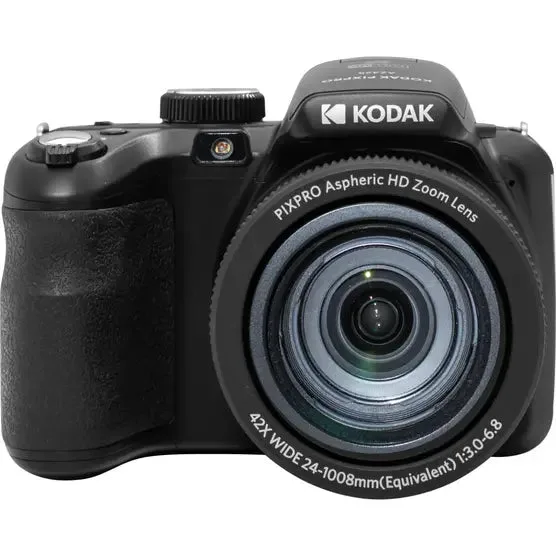
Kodak AZ425 Astro Zoom Camera - Black
-
Kodak AZ425 Astro Zoom Camera - Black: Optical Image Stabilization is built in to reduce the effect of camera shake. At full telephoto, even small hand movements become magnified. Stabilization helps you get sharper handheld shots at long zoom.
-
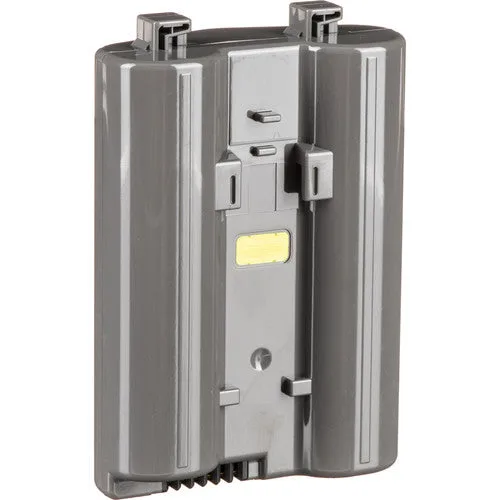
Kodak AZ425 Astro Zoom Camera - Black: Powered by a rechargeable Li-ion Battery LB-060 with 1100mAh capacity, delivering up to 240 shots or about 90 minutes of 1080p video at 30fps. Battery life is a real constraint for a day out. 240 shots is sufficient for casual use but you may want a spare battery for extended shooting.
Shooting Modes and Usability
The Kodak AZ425 includes a range of shooting modes: Face Beautifier, Panorama, Movie, and Continuous Shooting (CS). It can also detect faces, smiles, blinks, cats, and dogs. If you photograph pets or children, the subject detection can help you capture candid moments more reliably.
The 3.0-inch LCD display with 460K pixels is the main way to compose and review shots. It is not a touchscreen, so you will use physical buttons and the menu to adjust settings. A manual pop-up flash gives you extra light when needed. These features keep the camera straightforward to operate, which is a plus if you want to focus on the scene rather than menu diving.
What to Consider Before Buying
The biggest trade-off with any superzoom is image quality versus convenience. The Kodak AZ425's 42x zoom and built-in stabilization make it very versatile, but the small sensor and variable aperture mean that in dim light, you may need to raise the ISO, which introduces noise. If you mostly shoot outdoors in good light, this camera will perform well.
The camera weighs about 444 grams and measures 112.7 x 81.6 x 84.4 mm. It is heavier than a compact point-and-shoot but lighter than a DSLR with a telephoto lens. That makes it a good travel companion if you want reach without carrying multiple lenses.
Battery life is rated at 240 shots per charge. That is modest compared to some bridge cameras. If you plan a full day of shooting, consider carrying a spare LB-060 battery. The camera also records 1080p Full HD video at 30fps, which is fine for casual video but not 4K.
What's in the Box
The package includes the Kodak AZ425 camera body, a rechargeable Li-ion battery, an AC adapter, a USB cable, and a neck strap. You do not get a memory card, so you will need to buy one separately. The camera uses SD/SDHC/SDXC cards, which are widely available.