Two ISO speeds, two different shooting envelopes
Kodak Ektacolor Pro 160 and Pro 400 are both professional-grade color negative films on standard 35mm stock with 36 exposures per roll, and both are processed in standard C-41 chemistry. The practical difference comes down to speed: ISO 160 versus ISO 400. That two-stop gap changes how you meter, how much light you need, and how the grain and color behave in the final image.
Use this comparison to decide which roll matches your next shoot, not to crown a universal winner. The right choice depends on whether you are controlling light in a studio or daylight portrait session, or working in mixed indoor and outdoor conditions where light changes quickly.
What each film is built for
-
New! Eastman Kodak Ektacolor Pro 160 Negative Film - 35mm Film - 36 Exposures - Single Roll: Eastman Kodak Ektacolor Pro 160 is a professional-grade color negative film designed for vibrant, accurate color reproduction in daylight and studio conditions. If your work is mostly daylight or controlled studio light, the ISO 160 film is tuned for that environment and can deliver accurate color without needing extra speed.
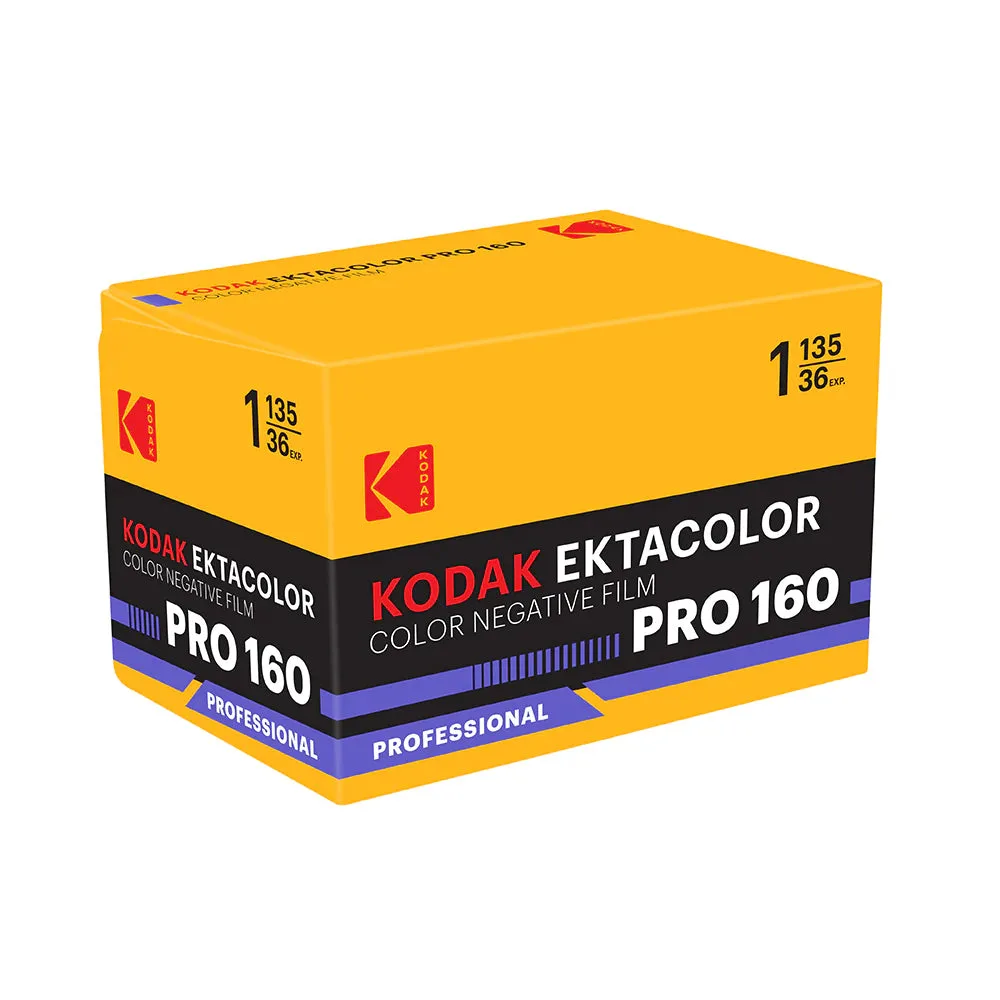
New! Eastman Kodak Ektacolor Pro 160 Negative Film - 35mm Film - 36 Exposures - Single Roll
-
New! Eastman Kodak Ektacolor Pro 160 Negative Film - 35mm Film - 36 Exposures - Single Roll: With an ISO 160 speed, it balances sensitivity with fine grain structure, making it ideal for portrait, commercial, and general photography work. The slower speed and fine grain suit situations where you can supply enough light and want smooth detail, especially in portraits and commercial images.
-
New! Eastman Kodak Ektacolor Pro 400 Negative Film - 35mm Film - 36 Exposures - Single Roll: Eastman Kodak Ektacolor Pro 400 is a professional-grade color negative film designed for vibrant, saturated colors and excellent skin tone reproduction. The ISO 400 film prioritizes saturated color and skin tones while giving you more sensitivity for varied lighting.
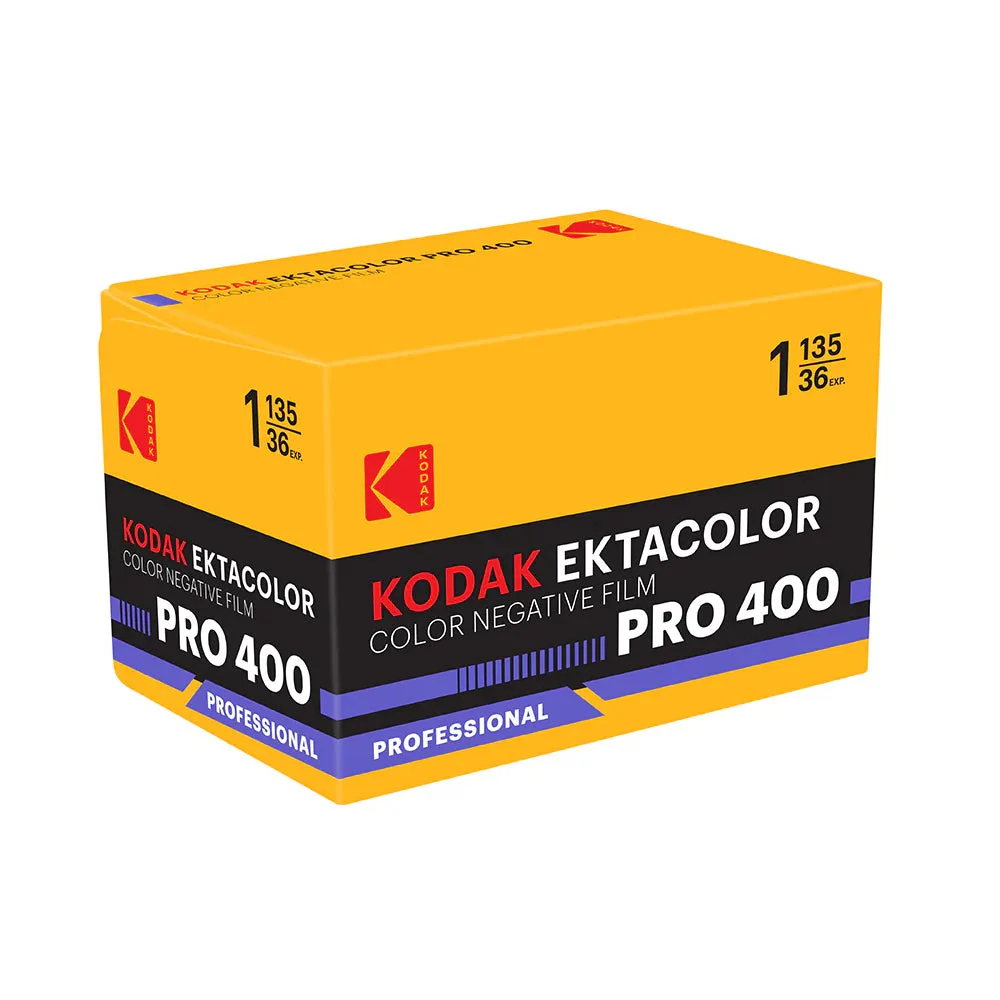
New! Eastman Kodak Ektacolor Pro 400 Negative Film - 35mm Film - 36 Exposures - Single Roll
-
New! Eastman Kodak Ektacolor Pro 400 Negative Film - 35mm Film - 36 Exposures - Single Roll: With an ISO 400 speed, it performs exceptionally well in varied lighting conditions—from bright daylight to indoor settings—without sacrificing image quality. If your shoot moves between outdoor and indoor light, the extra two stops help you keep shooting without changing film or leaning on a tripod.
Speed, grain, and color side by side
Both rolls share the same 35mm format, 36-exposure length, and C-41 processing, so the decision is about how each film renders and how much light it needs.
- ISO speed: Pro 160 is ISO 160; Pro 400 is ISO 400. The two-stop difference means Pro 400 can shoot in dimmer light or at faster shutter speeds and smaller apertures for the same scene.
- Grain: Pro 160 is described as having a fine grain structure balanced with its sensitivity. Pro 400 also has a fine grain structure that ensures sharp detail even when enlarged. Both are fine-grain films, but the slower ISO 160 is the one positioned around fine grain and controlled light.
- Color and skin tones: Pro 160 is described as delivering vibrant, accurate color reproduction with rich saturation and excellent skin tone rendering. Pro 400 is described as delivering vibrant, saturated colors and excellent skin tone reproduction. Both prioritize skin tones; Pro 400 leans toward saturation, while Pro 160 emphasizes accuracy in daylight and studio conditions.
- Lighting conditions: Pro 160 is designed for daylight and studio conditions. Pro 400 is designed to perform in varied lighting from bright daylight to indoor settings. If your light is unpredictable, Pro 400 is the more flexible tool.
When Pro 160 is the better roll
Choose Ektacolor Pro 160 when you can control or rely on ample light: outdoor daylight portraits, studio sessions with strobes or continuous light, and commercial or general photography where accurate color and fine grain matter more than speed. The ISO 160 rating encourages deliberate exposure, and the film is explicitly designed for daylight and studio conditions.
If you are shooting portraits at moderate apertures in good light, Pro 160 gives you the fine grain and accurate color the record describes. It is also a sensible choice for still-life or product work where you want rich saturation without the extra sensitivity of a 400-speed film.
When Pro 400 earns its place
Choose Ektacolor Pro 400 when the light is mixed, moving, or dim: indoor events, receptions, documentary-style work, and any shoot that moves between bright daylight and interior spaces. The ISO 400 speed is designed for varied lighting conditions without sacrificing image quality, and the film is described as ideal for portrait work, event photography, and general professional use.
The extra speed also helps when you want more depth of field or faster shutter speeds in daylight. If you are handholding a 35mm camera and chasing changing light, Pro 400 reduces the number of times you have to compromise on aperture or shutter speed.
A simple way to choose before you load
Use these checkpoints to match the film to your next roll rather than guessing.
- Check your dominant light: If most of the shoot is daylight or studio light, Pro 160 fits. If it is indoor, mixed, or moving between environments, Pro 400 is the safer default.
- Decide whether grain or speed matters more: For the finest grain in controlled light, lean toward Pro 160. For more sensitivity with fine grain still promised, lean toward Pro 400.
- Confirm your lab handles C-41: Both films are processed in standard C-41 chemistry at any lab offering color film development. Check that your lab offers C-41 before you shoot.
- Buy one roll of each if you are unsure: Shooting the same subject on both films is the most reliable way to see which color and grain you prefer in your own workflow.
Shared format and processing facts
- New! Eastman Kodak Ektacolor Pro 160 Negative Film - 35mm Film - 36 Exposures - Single Roll: This single roll contains 36 exposures on standard 35mm film stock, and it is processed in standard C-41 chemistry at any lab offering color film development. You get the same roll length and lab process as the Pro 400, so switching between them does not change your camera or development workflow.
- New! Eastman Kodak Ektacolor Pro 400 Negative Film - 35mm Film - 36 Exposures - Single Roll: This 35mm film offers 36 exposures per roll, making it ideal for portrait work, event photography, and general professional use. The 36-exposure length matches the Pro 160, so your per-roll shooting budget and lab costs stay comparable.
What the supplied information leaves open
The supplied records do not include push-processing recommendations, exposure latitude beyond the stated ISO, or specific development times for either film. They also do not list filter recommendations or scanning guidance. If you plan to push or pull either film, confirm the process with your lab rather than assuming a workflow.
Both films are listed as single rolls with a standard variant, and the catalog does not describe multi-roll packs or other formats. Treat the ISO speed and lighting descriptions as the primary guide, and test a roll in your own camera and lab before committing to a large project.