Why Portra 160 for Medium Format Portraits
Kodak Professional Portra 160 is a daylight-balanced color negative film designed for natural, flattering skin tones. In medium format (120 film), the larger negative area captures more detail and smoother tonal transitions, making it a strong choice for portrait work where accurate color and neutral skin tones matter.
The film's medium color saturation and low contrast help avoid harsh highlights or oversaturated skin, giving you a soft, lifelike look straight from the negative. This is especially useful when you want to minimize retouching or achieve a classic portrait aesthetic.
Key Film Characteristics for Portraits
-
Kodak Professional Portra 160 Color Negative Film - 120 Roll Film, Single Roll (ISO 160): Daylight-Balanced Color Negative Film with Medium Color Saturation and Low Contrast Low contrast preserves subtle skin variations and reduces the need for post-processing, while medium saturation keeps skin tones natural without looking washed out or overly vibrant.
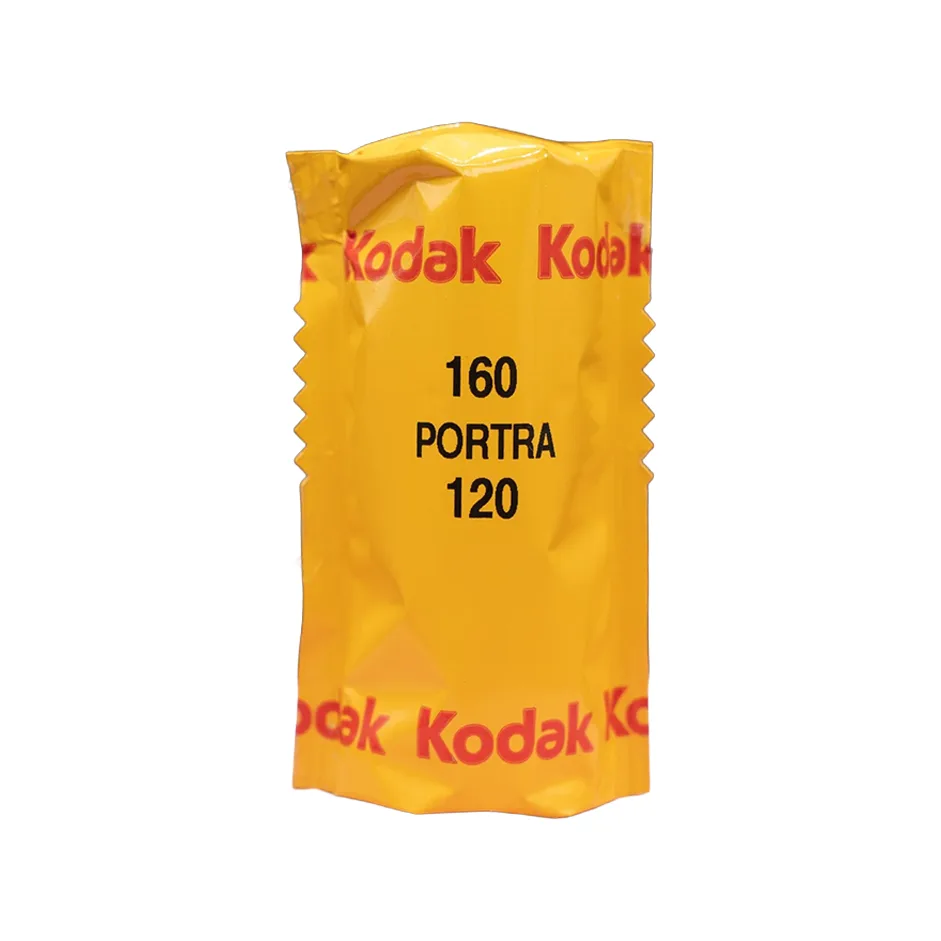
Kodak Professional Portra 160 Color Negative Film - 120 Roll Film, Single Roll (ISO 160)
-
Kodak Professional Portra 160 Color Negative Film - 120 Roll Film, Single Roll (ISO 160): Very Fine Grain, VISION Film Technology, T-GRAIN Emulsion Fine grain ensures smooth skin texture even in large prints or scans, and the T-GRAIN emulsion improves sharpness and edge detail for crisp eyes and hair.
-
Kodak Professional Portra 160 Color Negative Film - 120 Roll Film, Single Roll (ISO 160): Accurate Color and Neutral Skin Tones This is the core promise of Portra 160: you get consistent, neutral skin tones across different lighting conditions, which is essential for portraits where color fidelity is critical.
Exposure Tips for Soft Skin Tones
Portra 160 is rated at ISO 160/23° in daylight. For soft skin tones, expose at box speed or slightly overexpose (by 1/3 to 1/2 stop) to reduce contrast and retain shadow detail. Overexposure also helps minimize grain in the midtones, which is where skin falls in most portraits.
If you're shooting in mixed light (e.g., window light with a reflector), meter for the shadow side of the face to preserve detail. The low contrast of Portra 160 handles highlight roll-off gracefully, so you won't blow out bright areas easily.
Lighting and Color Temperature
Portra 160 is daylight-balanced (approximately 5500K), so it performs best under natural daylight or studio strobes with daylight color temperature. For softer skin tones, use diffused light—like a softbox or window light on an overcast day—to reduce hard shadows and emphasize the film's smooth tonal range.
If you're using tungsten or fluorescent light, a color correction filter (like an 80A or FL-D) can help maintain neutral skin tones, though you can also correct in scanning or printing. The film's low contrast gives you flexibility to adjust color without introducing artifacts.
Processing and Scanning for Consistent Results
Portra 160 uses the standard C-41 process, which is widely available at labs or can be done at home with a kit. Consistent development time and temperature (100°F) are critical for predictable color and density; any deviation can shift skin tones toward green or magenta. Follow the supplied product instructions for precise temperature control.
When scanning, aim for a neutral white balance and avoid clipping the highlights. The film's fine grain and low contrast make it forgiving in scanning, but a dedicated film scanner or high-quality flatbed will best capture the subtle skin gradations. If you're scanning at home, try a few test frames to dial in your workflow.
Saving on Multiple Rolls
Portra 160 is available in single rolls, but if you're planning a portrait session or testing different looks, buying multiple rolls can save money. The store offers a mix-and-match discount when you buy any 3+ rolls, and Film Club members get an additional 10% off. This makes it practical to stock up for consistent results across a shoot.