Skincare enthusiasts around the world often find themselves torn between the multi-step, ritualistic approach of K-beauty and the streamlined, results-driven philosophy of Western skincare. While both traditions aim for healthy, radiant skin, their methods, ingredient priorities, and cultural influences differ significantly. Understanding these differences can help you curate a personalized routine that borrows the best from each world.
In this article, we break down the core contrasts between Korean and Western skincare—from the number of steps to product textures, ingredient philosophies, and how to combine them for optimal results. Whether you are a devoted follower of the 10-step routine or a minimalist who prefers a few targeted products, this guide will clarify the strengths of each approach.
Philosophical Foundations: Prevention vs. Correction
Korean skincare is built on the principle of prevention. The goal is to maintain healthy skin through consistent, gentle care long before problems arise. This is why K-beauty routines emphasize hydration, sun protection, and barrier support as daily non-negotiables. Products like the Cream Skin Toner & Moisturizer exemplify this philosophy by combining hydration and moisture in one step, reinforcing the skin’s natural barrier without overloading it.
Western skincare, by contrast, often takes a corrective approach. Many Western products are formulated to target specific concerns—acne, wrinkles, hyperpigmentation—with higher concentrations of active ingredients like retinol, vitamin C, and acids. The routine is typically shorter (cleanse, treat, moisturize, protect) and more focused on delivering rapid, visible results. This difference in mindset explains why K-beauty routines can include 7 to 10 steps, while Western routines often stick to 3 to 5.
- Korean philosophy: prevent damage with hydration, SPF, and barrier care.
- Western philosophy: correct existing issues with potent actives and targeted treatments.
Routine Structure: Layering vs. Simplicity
The most visible difference is the number of steps. A typical Korean morning routine might include an oil cleanser, water-based cleanser, toner, essence, serum, eye cream, moisturizer, and sunscreen—each applied in a specific order from thinnest to thickest texture. This layering technique allows multiple lightweight products to penetrate deeply without feeling heavy. The Water Bank Gentle Gel Cleanser is a perfect example of a gentle, hydrating first or second cleanser that preps the skin without stripping it.
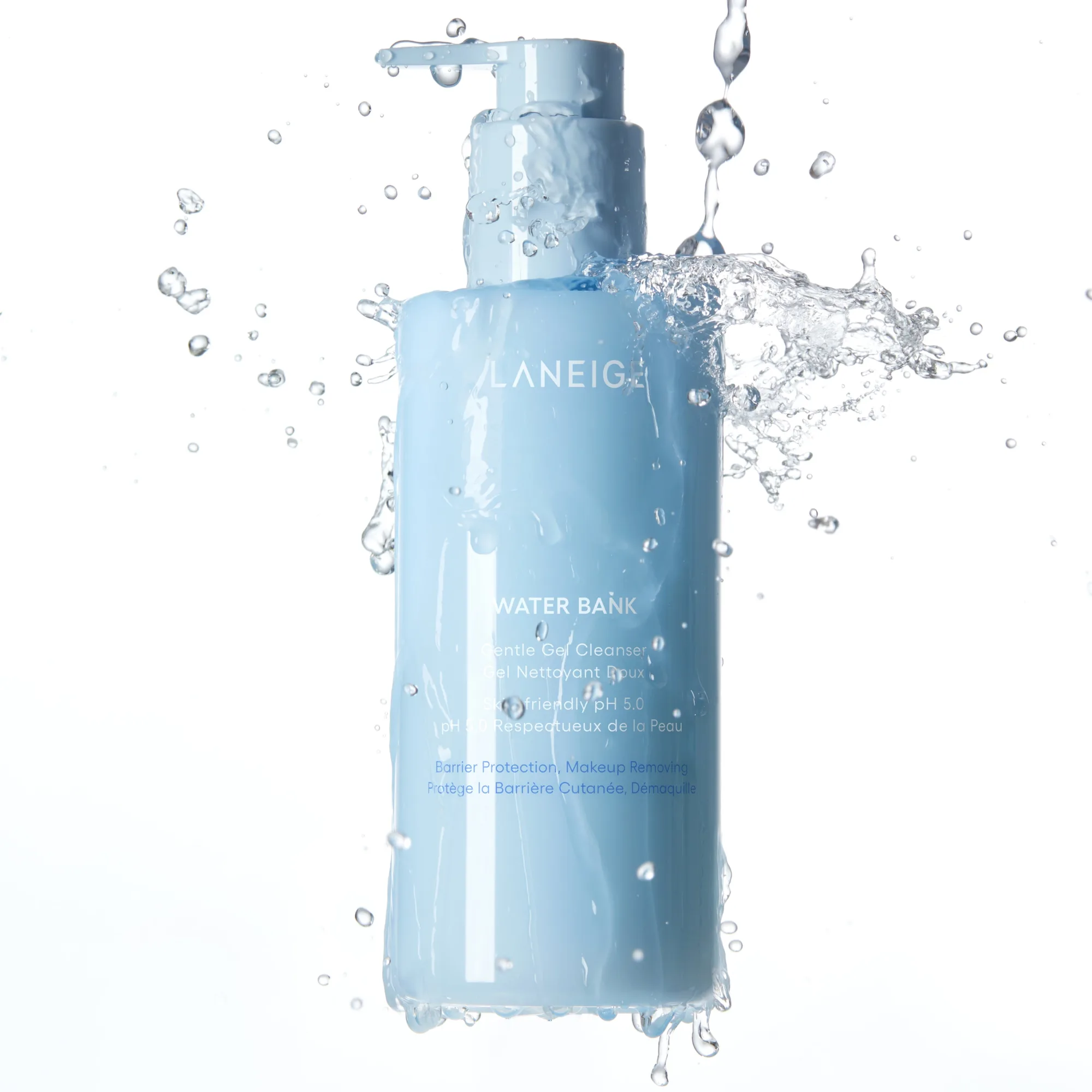
Water Bank Gentle Gel Cleanser
Western routines are generally shorter and more direct. After cleansing, a single treatment product (like a serum or retinol) is applied, followed by moisturizer and sunscreen. The emphasis is on efficiency and convenience. Many Western consumers prefer all-in-one products or fewer steps, especially in the morning. However, the rise of K-beauty has influenced Western brands to introduce more hydrating toners, essences, and sleeping masks, blurring the lines between the two traditions.
- Korean layering: multiple lightweight hydrating steps for deep, cumulative benefits.
- Western simplicity: fewer, more potent steps for time-saving routines.
Ingredient Focus: Hydration and Natural Extracts vs. Active Compounds
Korean skincare heavily features hydrating ingredients like hyaluronic acid, glycerin, and snail mucin, along with soothing botanical extracts such as green tea, centella asiatica, and rice. The goal is to maintain a healthy moisture barrier, which is considered the foundation of glowing skin. Products like the Hydro UV Defense Sunscreen Broad Spectrum SPF 50+ combine sun protection with hydrating elements, reflecting the K-beauty preference for multifunctional, gentle formulas.
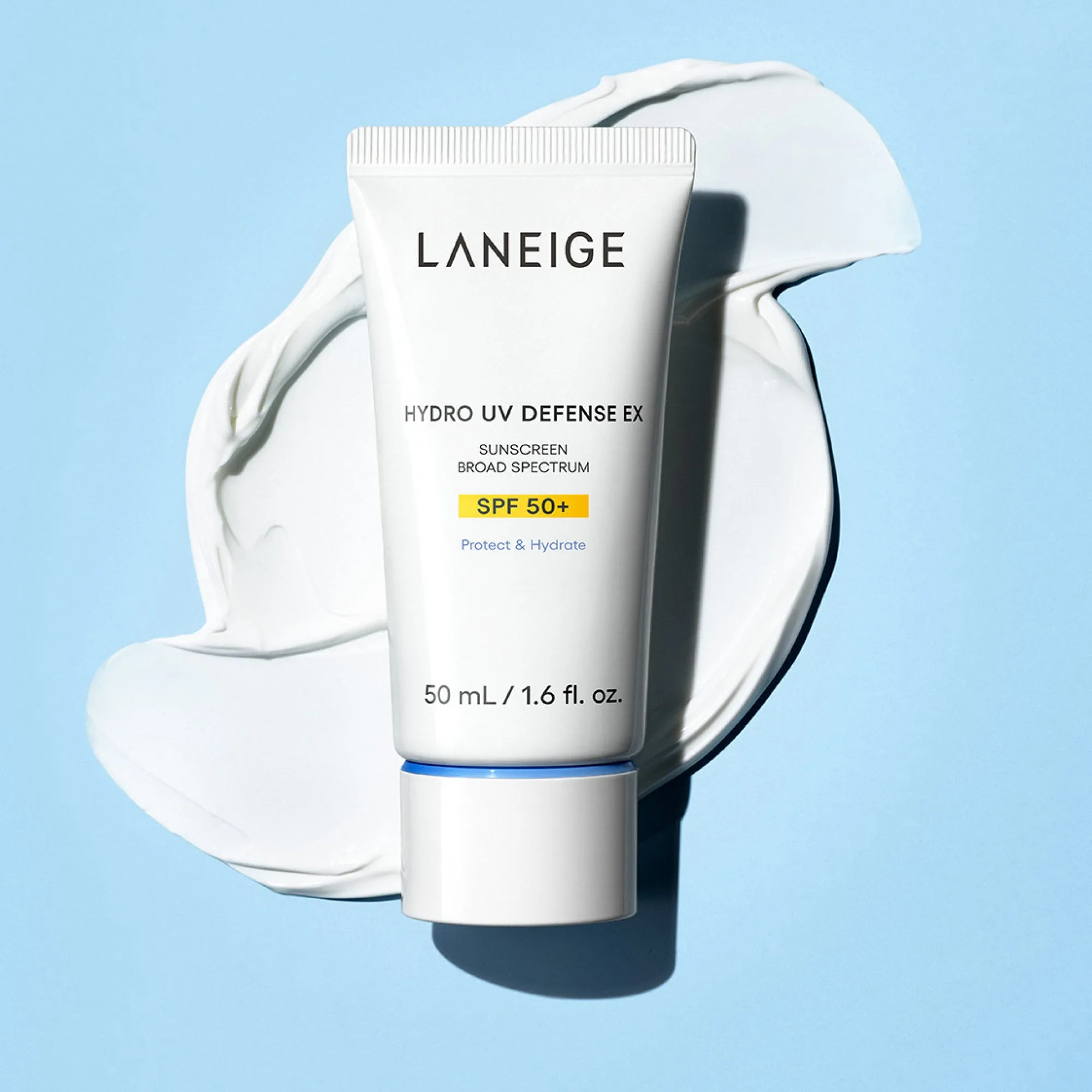
Hydro UV Defense Sunscreen Broad Spectrum SPF 50+
Western skincare often prioritizes scientifically proven active ingredients with high efficacy. Retinoids, vitamin C, alpha hydroxy acids (AHAs), and peptides are common in Western serums and treatments. These ingredients can be more irritating but are effective for anti-aging, brightening, and exfoliation. While K-beauty has embraced some of these actives, they are usually formulated at lower concentrations and paired with soothing ingredients to minimize irritation.
- K-beauty favorites: hyaluronic acid, snail mucin, centella, rice, green tea.
- Western favorites: retinol, vitamin C, AHAs, BHAs, peptides.
Product Texture and Formulation: Lightweight vs. Rich
Texture plays a major role in the user experience. Korean products tend to be lightweight, watery, or gel-like, designed to be absorbed quickly and layered without feeling sticky or greasy. Essences, lightweight emulsions, and gel creams are staples. The Balance Mode Shine Control Weightless Moisturizer is a great example of a K-beauty moisturizer that hydrates without heaviness, making it ideal for oily or combination skin.
Western moisturizers, especially those for dry or mature skin, often have richer, creamier textures with occlusive ingredients like shea butter, petrolatum, or dimethicone. While these provide strong barrier protection, they can feel heavy on the skin, especially in humid climates. Many Western consumers are now embracing lighter textures inspired by K-beauty, leading to a growing market for gel creams and water-based moisturizers.
- Korean textures: watery, gel-like, fast-absorbing, non-greasy.
- Western textures: rich, creamy, occlusive, longer-lasting moisture.
Sun Protection: Daily Essential vs. Optional Step
In Korea, sunscreen is an absolute daily essential, regardless of weather or indoor activity. Korean sunscreens are known for their elegant, lightweight textures that double as makeup primers and often include skin-benefiting ingredients. The Hydro UV Defense Sunscreen Broad Spectrum SPF 50+ exemplifies this approach with its hydrating, non-sticky finish that works well under makeup.
In Western skincare, sunscreen is often treated as an optional or seasonal step, especially in regions with less sun exposure. Many Western consumers skip it on cloudy days or when staying indoors. However, awareness is growing, and more Western brands are now offering lightweight, cosmetically elegant sunscreens inspired by K-beauty formulations. The shift toward daily SPF use is one of the most significant cross-cultural adoptions in recent years.
- Korean approach: daily, year-round SPF with lightweight, cosmetically elegant formulas.
- Western approach: often seasonal or optional; richer textures may feel heavy.
Cultural and Lifestyle Influences
Korean skincare is deeply embedded in daily self-care rituals. The multi-step routine is seen as a form of relaxation and mindfulness, not just a means to an end. This cultural emphasis on pampering and prevention is reflected in products like the Lip Sleeping Mask, which turns overnight hydration into a soothing ritual. The social aspect is also strong—skincare is a shared hobby, with friends exchanging product recommendations and routines.
Western skincare culture tends to be more individualistic and efficiency-driven. Consumers often seek quick fixes and clinical results, influenced by dermatologists and cosmetic chemists. The rise of “skinfluencers” and social media has started to blend these cultures, with many Western consumers adopting K-beauty steps like double cleansing and sheet masking. Meanwhile, Korean brands are increasingly incorporating Western-style active ingredients to appeal to global markets.
- K-beauty: ritualistic, community-oriented, prevention-focused.
- Western: results-driven, individualistic, often clinical in approach.
Both Korean and Western skincare offer valuable insights and effective products. The best routine is one that respects your skin type, concerns, and lifestyle. You can start blending the two approaches by incorporating a gentle, hydrating cleanser like the Water Bank Gentle Gel Cleanser and a lightweight, daily SPF like the Hydro UV Defense Sunscreen Broad Spectrum SPF 50+. Explore these and other products at LANEIGE to find your perfect balance between K-beauty ritual and Western efficacy.