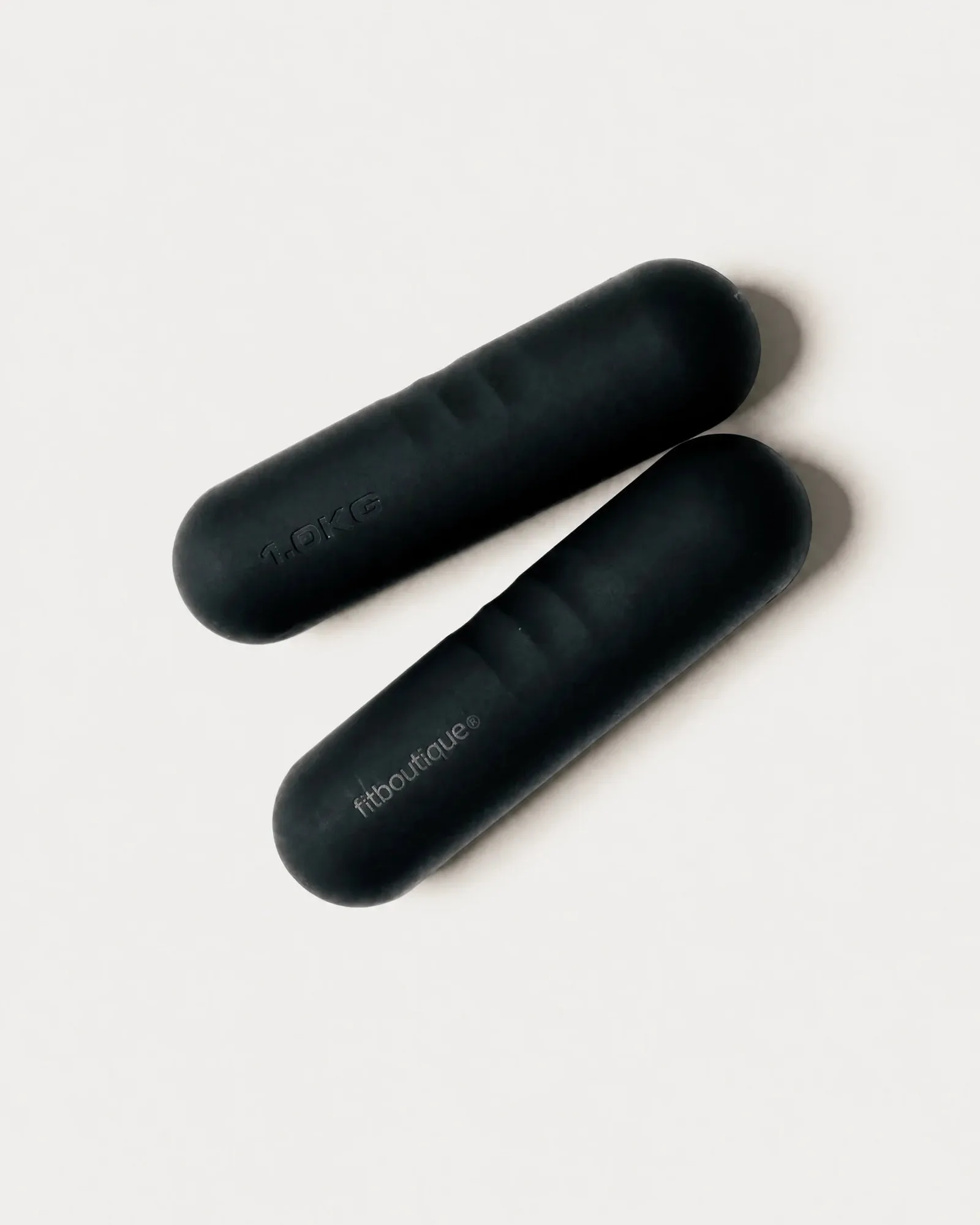
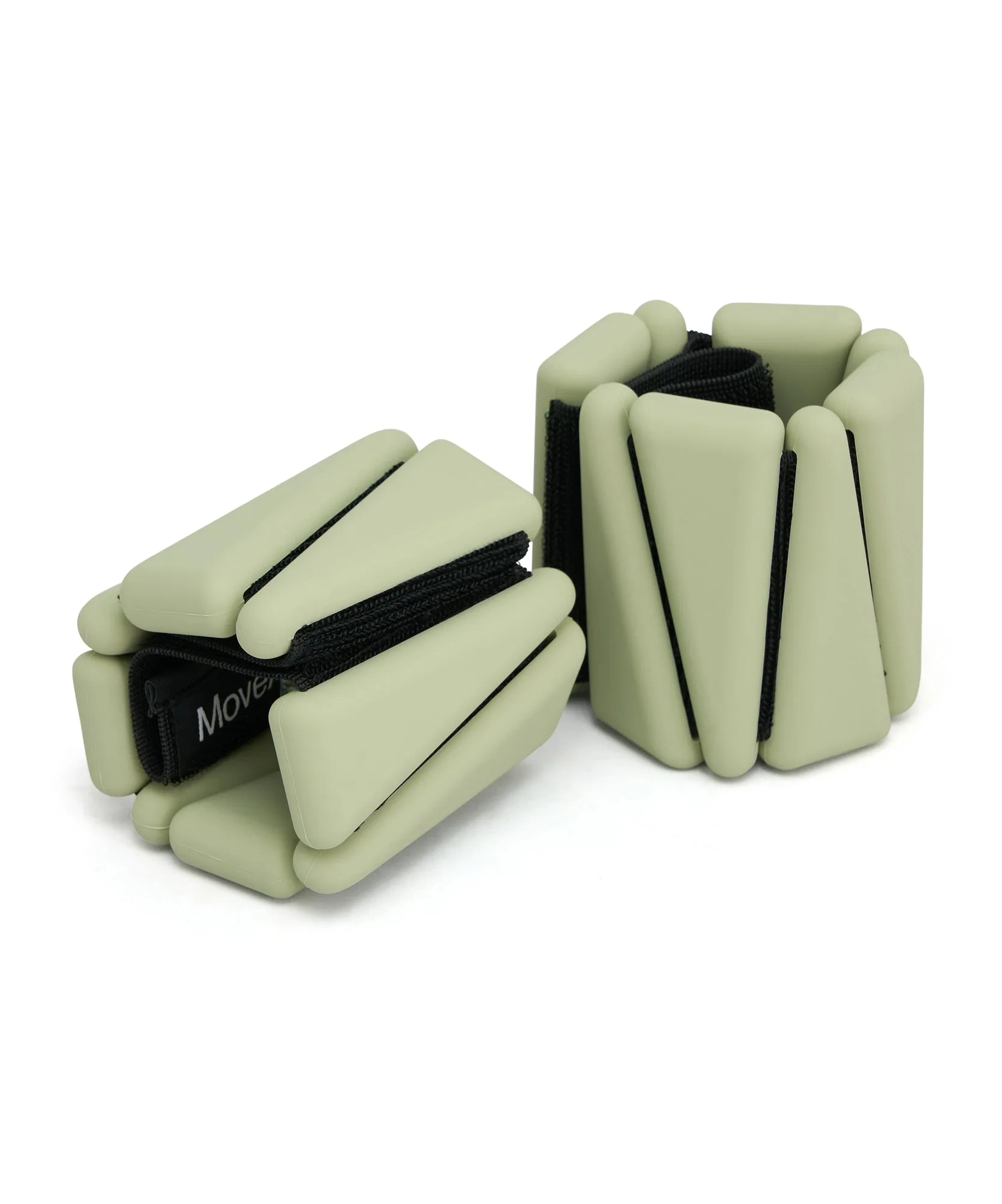
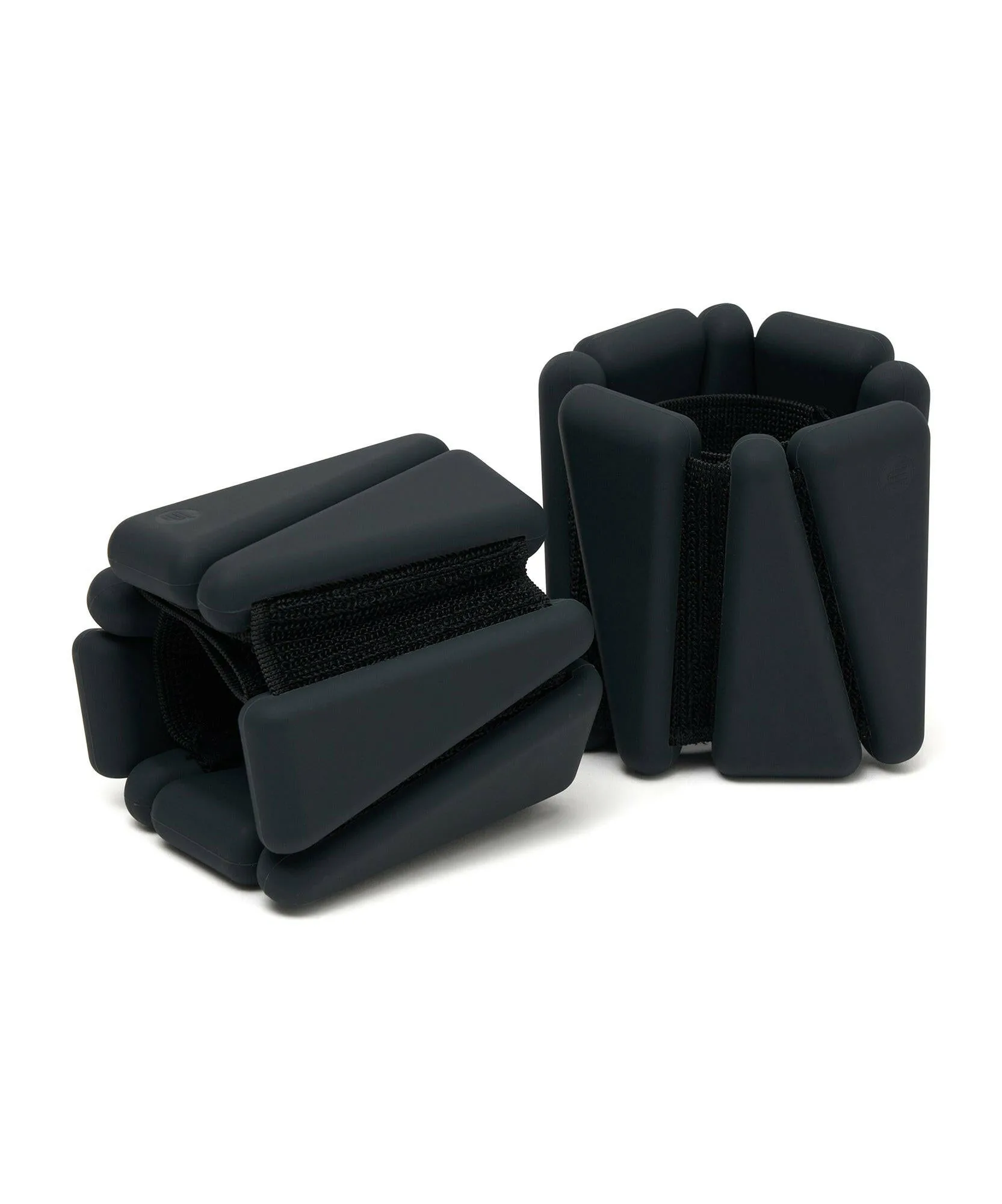
Start with the weights you already own
Kosha Cuffs are wrist and ankle weights designed to add constant, comfortable, handsfree resistance to yoga, pilates, dance, HIIT, strength training, your favourite sport, or even your daily chores. That means you can work out even when you’re not working out.
This guide focuses on adding them to a yoga practice. The approach is simple: choose the right placement, start with bodyweight-only poses, and progress only when you can keep your breath and alignment steady. The product record does not include specific weight loads, recommended durations, or pose instructions, so use the principles below and adapt them to your own comfort and ability.
What the Kosha Cuffs record confirms
-
Ankle & Wrist Weights: Kosha Cuffs: Kosha Cuffs are wrist and ankle weights designed to add constant, comfortable, handsfree resistance to yoga, pilates, dance, HIIT, strength training, your favourite sport, or even your daily chores. This is the core purpose: the cuffs stay on your wrists or ankles so resistance is always present, unlike holding a dumbbell.
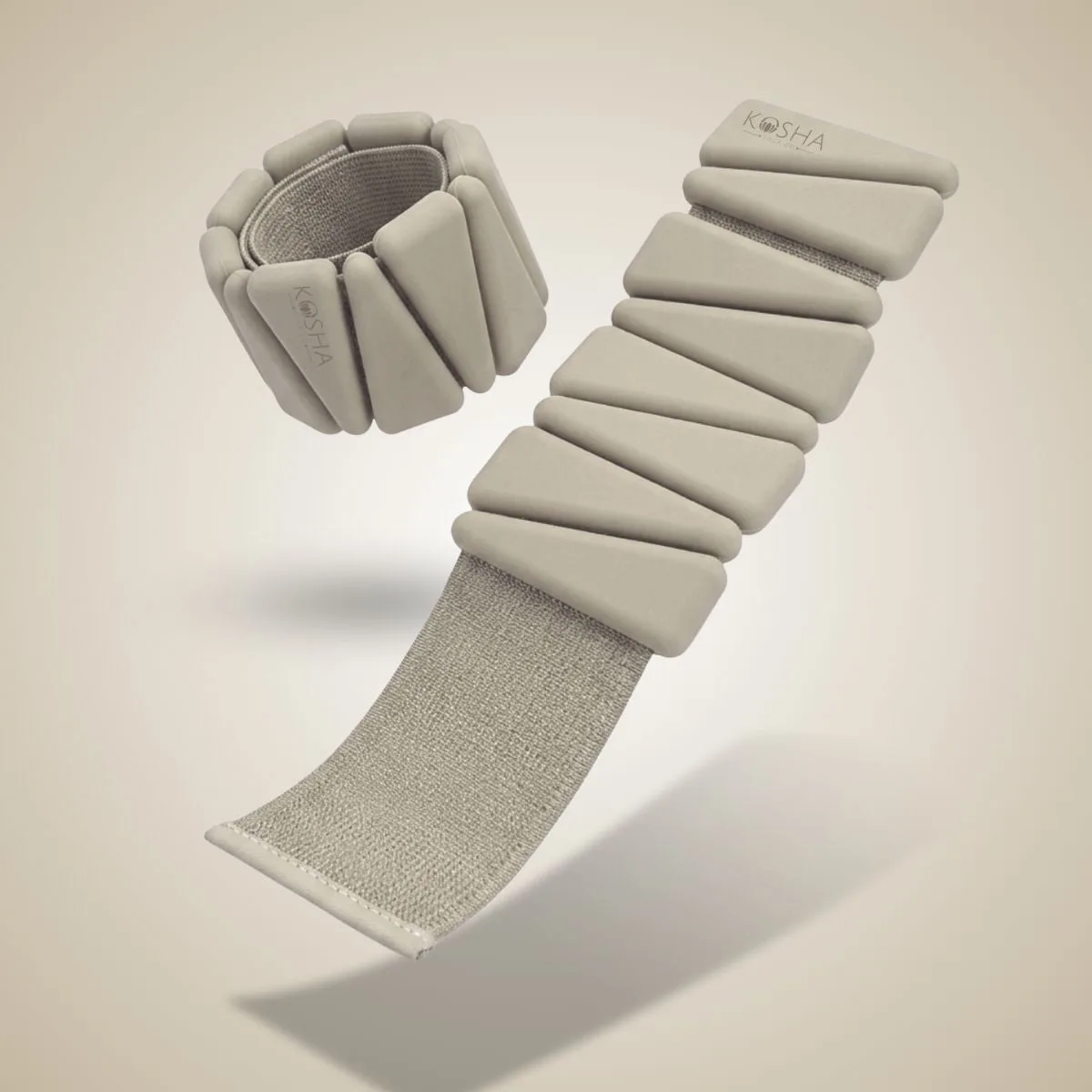
Ankle & Wrist Weights: Kosha Cuffs
-
Ankle & Wrist Weights: Kosha Cuffs: The weights are made from 100% baby soft silicone so you can wear them all day. The soft silicone construction is intended for extended wear, which supports using them during a full yoga session without constant adjustment.
-
Ankle & Wrist Weights: Kosha Cuffs: Available colours: Moonlight, Peach, Capuccino, and Midnight Black. Colour is the only listed option, so your choice is aesthetic rather than functional.
How to add Kosha Cuffs to your yoga practice
The product record does not prescribe a specific sequence, so these steps are general guidance for a safe introduction. Adjust them to your experience and comfort.
- 1. Choose wrist or ankle placement for the pose: For poses where you want to feel more resistance in the arms, wear the cuffs on your wrists. For standing or leg-focused poses, wear them on your ankles. You can wear both pairs at once if you are comfortable, but start with one pair to gauge the added weight.
- 2. Start with familiar poses at bodyweight: Begin with poses you already know well, such as standing forward folds, warrior poses, or seated stretches. The cuffs add constant resistance, so even familiar shapes may feel different. Keep the range of motion smaller at first.
- 3. Move slowly and breathe: Because the resistance is constant, slow your transitions. Avoid swinging or using momentum. If your breath becomes strained or you cannot maintain alignment, remove the cuffs and continue without them.
- 4. Progress gradually: There is no recommended duration or load in the product record. A practical approach is to wear the cuffs for a short portion of your practice—such as one or two poses—and add more time only when you feel stable and comfortable.
- 5. Remove the cuffs for balance and inversions: The record does not provide safety guidance for specific poses. As a general precaution, take the cuffs off for balance poses, inversions, or any movement where extra weight could affect your stability. Put them back on for grounded, controlled poses.
Weighted yoga practice tips for wrists and ankles
- Keep the cuffs snug but not tight: The soft silicone is designed for all-day wear, but you still want a comfortable fit that does not restrict circulation. Adjust the closure so the cuff stays in place without pressing into your skin.
- Use them for slow, controlled movement: Constant resistance works best when you move deliberately. Avoid fast transitions or dynamic jumps while wearing the cuffs, especially on your wrists.
- Pair with floor-based poses first: Seated, kneeling, or supine poses let you explore the added resistance without balancing concerns. Try wearing ankle cuffs during seated forward folds or wrist cuffs during tabletop stretches.
- Check in with your joints: The product record does not include safety warnings, but as with any added weight, stop if you feel joint pain, numbness, or tingling. Remove the cuffs and rest.
- Store them flat or hanging: The record does not specify care instructions. To keep the silicone in good condition, avoid leaving the cuffs in direct sunlight or folded tightly for long periods.
What the Kosha Cuffs record does not settle
The supplied information does not list the weight of each cuff, the closure type, or specific care and safety instructions. It also does not provide guidance on how long to wear them during yoga or which poses are best. If you need those details, check the full product listing or contact the seller before you buy.
What the record does confirm is that Kosha Cuffs are made from 100% baby soft silicone and are designed for constant, handsfree resistance across many activities. That makes them a flexible addition to a yoga practice, provided you introduce them gradually and listen to your body.