Choosing the right meal prep container can make or break your weekly routine. Glass and plastic each have loyal fans, but when it comes to longevity and keeping your food tasting fresh, the differences are significant. Whether you're prepping overnight oats, storing leftovers, or packing lunches, the material matters more than you might think.
In this comparison, we'll look at two popular options: the Kreature Kontainer Glass and standard plastic containers. We'll break down durability, food preservation, ease of cleaning, and environmental impact so you can decide which best fits your habits.
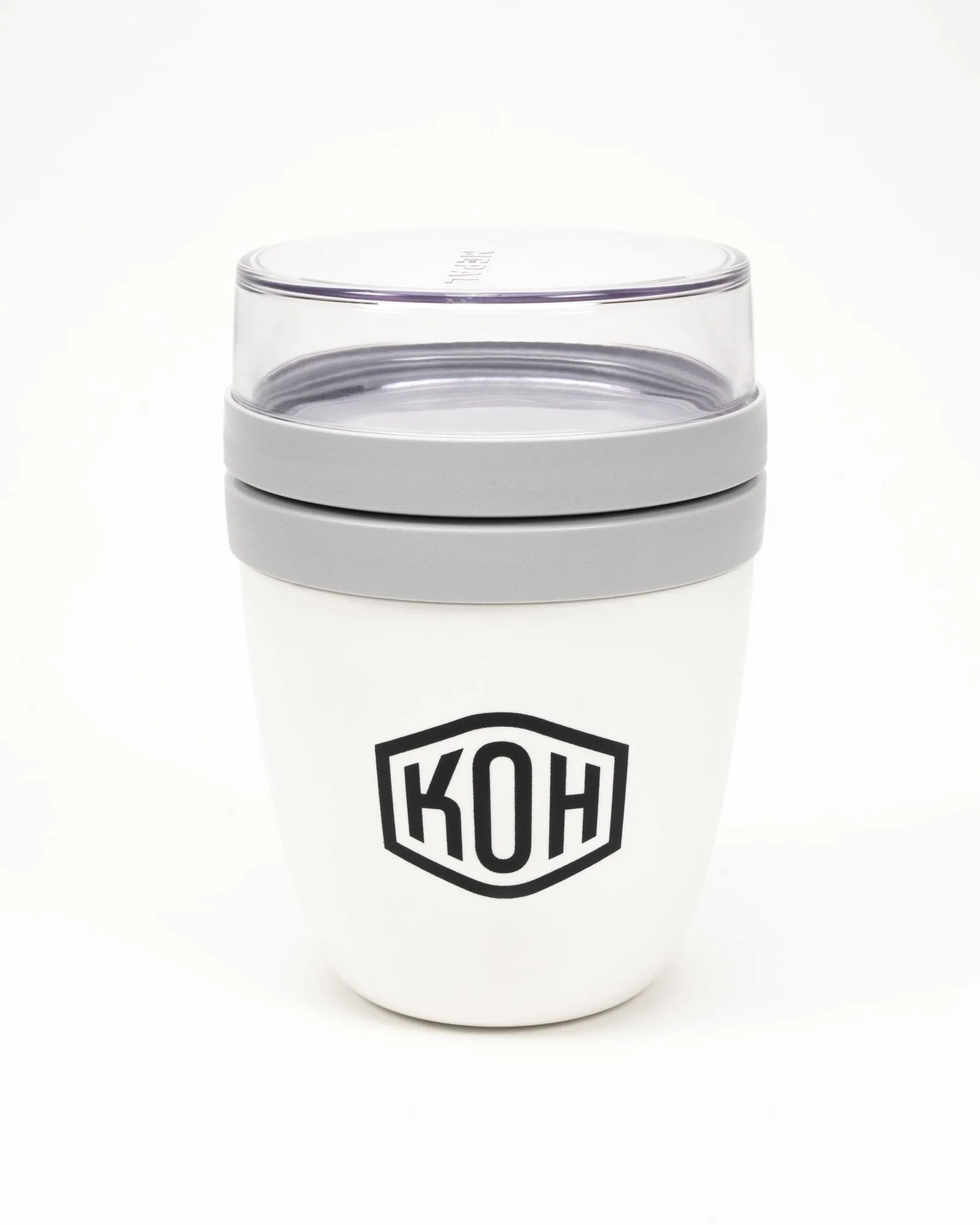
Kreature Kontainer
Durability and Longevity: Glass vs Plastic
Plastic containers are lightweight and shatter-resistant, making them a go-to for on-the-go meals. However, they tend to warp, stain, and absorb odors over time, especially after repeated microwaving or dishwasher cycles. Even high-quality BPA-free plastics can develop cracks after a few months of heavy use, which means you'll likely need to replace them every year or two.
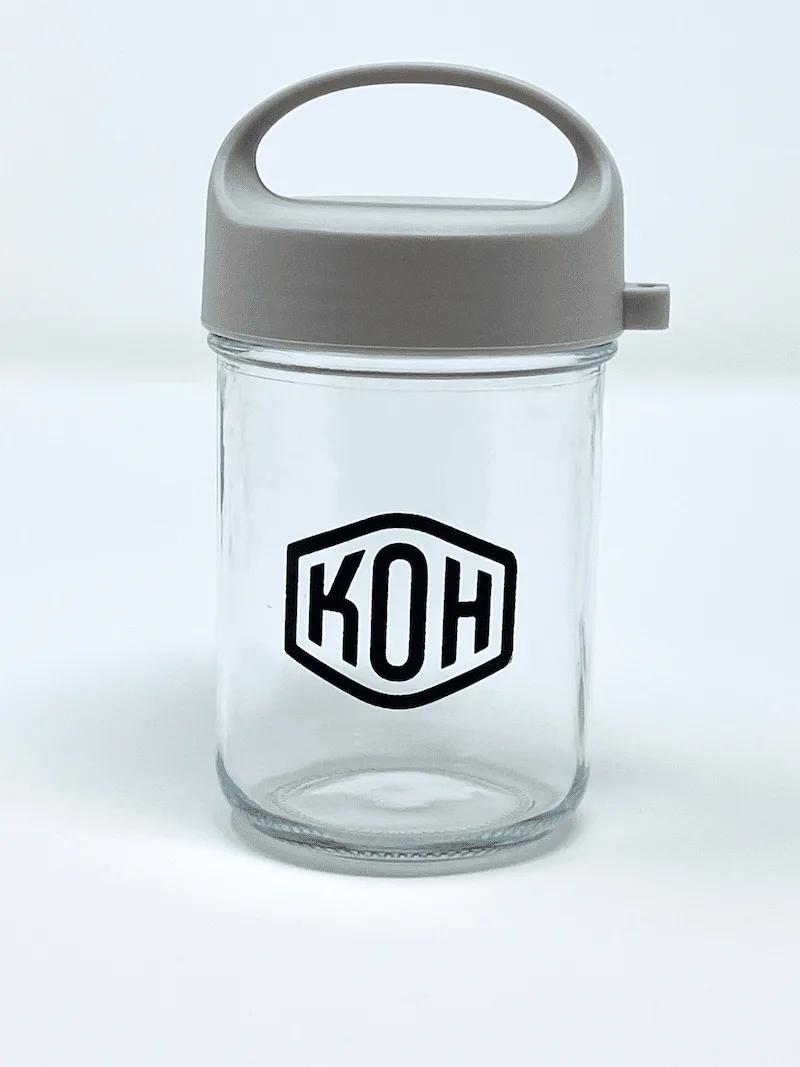
Glass containers, like the Kreature Kontainer Glass, are far more resilient in the long run. They resist scratches, stains, and lingering smells from spicy or acidic foods. While glass can break if dropped, tempered glass options are designed to handle thermal shock—going from fridge to microwave without issue. With proper care, a glass container can last for years, making it a more cost-effective choice over time.
- Tip: To minimize breakage, let glass containers cool slightly before placing them in the fridge, and avoid sudden temperature changes.
Preserving Food Freshness: Which Material Locks in Flavor?
Plastic is porous on a microscopic level, which means it can absorb oils, sauces, and strong flavors. That leftover pasta sauce might tint your container, and tomorrow's oatmeal could carry a faint whiff of last night's curry. Over time, this can affect the taste of your food, especially if you're prepping delicate items like fresh fruit or dairy-based oats.
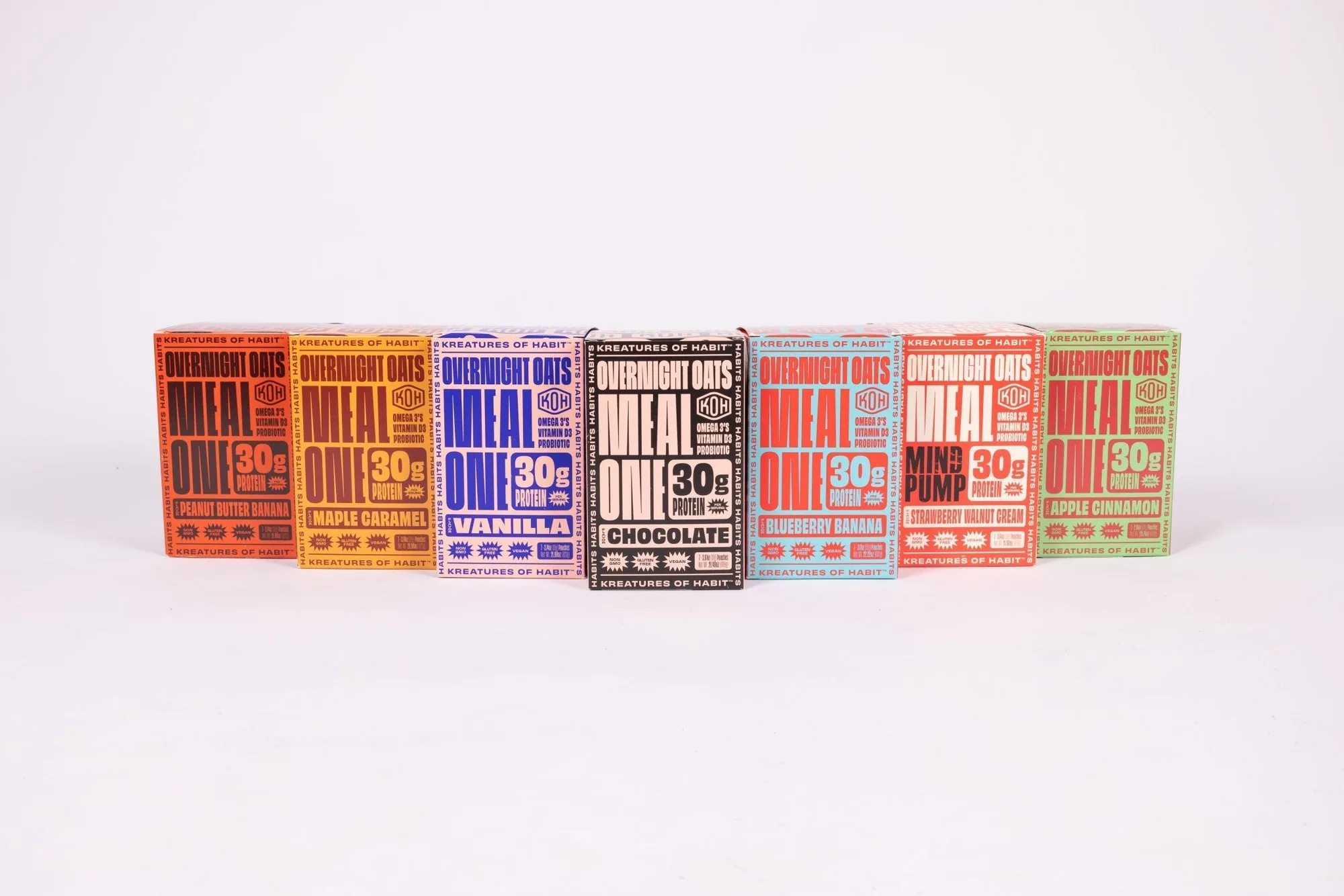
Glass is non-porous and chemically inert, so it won't interact with your food or retain odors. The Kreature Kontainer Glass, with its airtight seal, keeps oats crispy, salads crisp, and leftovers fresh for days. If you're serious about meal prep—especially for high-protein breakfasts like overnight oats—glass gives you the best chance of preserving the intended flavor and texture.
- For best results, pair your glass container with a tight-fitting lid and store acidic foods (like tomato-based sauces) in glass to avoid any metallic or plastic aftertaste.
Eco-Friendliness and Sustainability
Plastic containers are often made from petroleum-based materials and, even when recyclable, many end up in landfills due to low recycling rates. They also degrade over time, releasing microplastics into your food and the environment. If you're trying to reduce your carbon footprint, plastic's short lifespan means more frequent replacements and more waste.
Glass is made from abundant natural materials (sand, soda ash, limestone) and is 100% recyclable without losing quality. A single Kreature Kontainer Glass can replace dozens of disposable plastic containers over its lifetime. While glass production does require more energy upfront, its durability and recyclability make it the greener choice for long-term meal prep.
- Pro tip: Reuse glass containers for pantry storage, leftovers, or even as drinking glasses once they outlive their meal-prep life.
Practical Considerations: Weight, Portability, and Cost
Plastic wins on weight and portability—it's lighter, less likely to break in a bag, and generally cheaper upfront. For commuters or gym-goers who need to pack meals daily, plastic might feel more convenient. However, the trade-off is durability and freshness, as mentioned above.
Glass containers are heavier and more expensive initially, but they often pay off in the long run. The Kreature Kontainer Glass, for example, offers a premium feel and clear visibility of contents, which helps with portion control and meal planning. If you mostly prep at home and eat off-site only occasionally, glass is a solid investment. For frequent travelers, consider using plastic for portability but glass for home storage.
- If you want the best of both worlds, use glass containers for home prep and reserve a few high-quality plastic containers for days when you need to pack light.
When choosing between glass and plastic meal prep containers, consider your priorities. If long-term durability, food freshness, and eco-friendliness matter most, the Kreature Kontainer Glass is the clear winner. Plastic still has its place for portability and lower upfront cost, but for daily use and better-tasting meals, glass is worth the investment. Whichever you choose, the key is building a habit that works for you.