The Short Answer: Different Strengths, Different Trade-offs
Neither krill oil nor fish oil is automatically the better omega-3 source. The right choice depends on how much EPA and DHA you want per serving, whether you value naturally occurring antioxidants alongside omega-3s, and how the product fits your routine and budget.
Krill oil is often described as highly absorbable and is naturally associated with astaxanthin, a carotenoid antioxidant. Fish oil typically delivers higher absolute amounts of EPA and DHA per capsule, which can matter if you are targeting a specific intake. The comparison below uses the supplied product facts for Olympian Labs Krill Oil and explains what those facts do and do not tell you.
Krill Oil vs Fish Oil at a Glance
- Omega-3 concentration: Fish oil generally offers higher EPA and DHA per capsule. Olympian Labs Krill Oil supplies 150 mg EPA and 90 mg DHA per the supplied record, so check fish oil labels for their actual EPA and DHA numbers rather than assuming a serving size tells the whole story.
- Absorption: Krill oil is supplied as a highly absorbable source of omega-3s. Absorption claims for fish oil depend on the specific form and formulation, which are not supplied here, so compare like-for-like label information when possible.
- Naturally occurring antioxidants: Olympian Labs Krill Oil delivers naturally occurring antioxidants including vitamin A and astaxanthin. Standard fish oil may or may not include added antioxidants; check the label if this matters to you.
- Capsule size and serving count: Not confirmed by the supplied information for Olympian Labs Krill Oil. If swallowing large capsules is a concern, compare capsule dimensions and servings per container on both products before buying.
- Price per serving: The catalog lists Olympian Labs Krill Oil at USD 17.50, with a comparison price of USD 34.99. Fish oil prices vary widely by concentration and serving count, so calculate cost per 100 mg of EPA plus DHA for a fair comparison.
Why Krill Oil Absorption Gets So Much Attention
Krill oil's omega-3s are carried in phospholipids, a structure that may help the body absorb them efficiently. The supplied product record describes Olympian Labs Krill Oil as providing a highly absorbable source of omega-3s, but it does not include a specific absorption percentage or a head-to-head study against fish oil.
That matters for how you read marketing claims. A product can be highly absorbable and still deliver less total EPA and DHA per capsule than a concentrated fish oil. If your goal is a specific daily omega-3 intake, compare the actual EPA and DHA amounts on both labels rather than relying on absorption language alone.
What Olympian Labs Krill Oil Actually Supplies
-
Krill Oil: Provides 150 mg EPA and 90 mg DHA per the supplied product record. These are the concrete omega-3 numbers you can compare against a fish oil label. They let you estimate how many servings you would need to reach a target intake.
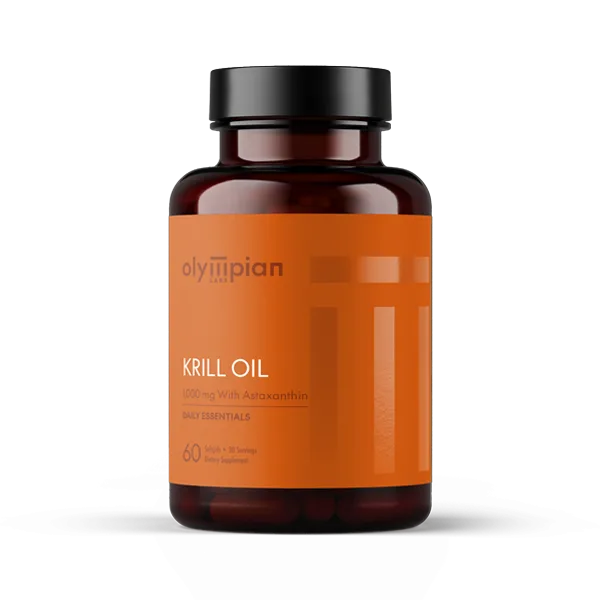
Krill Oil
-
Krill Oil: Delivers naturally occurring antioxidants including vitamin A and astaxanthin. This is the main compositional difference from standard fish oil in the supplied evidence. If antioxidant content alongside omega-3s is a priority, krill oil offers it naturally.
-
Krill Oil: Described as a highly absorbable source of omega-3s to support heart, brain, and joint health. This is the intended-use framing from the product record. It describes support, not treatment, and should not be read as a guarantee of a clinical outcome.
What the Supplied Facts Do Not Confirm
The supplied record for Olympian Labs Krill Oil does not include a serving size, servings per container, capsule count, capsule dimensions, or a suggested daily intake. It also does not confirm sourcing details, purification methods, or third-party testing.
That means you cannot calculate cost per serving or daily omega-3 intake from the supplied information alone. Check the physical label or product page for those details before deciding. The same discipline applies to fish oil: concentration, serving size, and testing documentation vary enormously between products.
How to Choose Between Krill Oil and Fish Oil
- Choose krill oil if: You want a highly absorbable omega-3 source that naturally includes astaxanthin and vitamin A, and you are comfortable comparing labels to confirm the EPA and DHA amounts meet your needs.
- Choose fish oil if: You need a higher absolute dose of EPA and DHA per capsule, or you want a wider range of price points and concentrations to compare. Fish oil is generally the more concentrated option per capsule.
- Check the label either way: Look for EPA and DHA amounts per serving, serving size, and any testing or purity information. For krill oil specifically, confirm the astaxanthin content if that is a deciding factor.
- Talk to a professional if: You take blood thinners, have a scheduled surgery, or manage a health condition. Omega-3 supplements can interact with some medications, and this article cannot replace individual medical advice.
A Practical Way to Decide
Start with your target: how much EPA and DHA do you want per day, and how many capsules are you willing to take? Then compare labels on that basis. Olympian Labs Krill Oil's 150 mg EPA and 90 mg DHA give you a concrete starting point for the krill side of the comparison.
If antioxidant content and absorbability are your priorities, krill oil is a reasonable fish oil alternative to evaluate. If maximum omega-3 per capsule and price flexibility matter more, fish oil may fit better. Either way, treat absorption claims as one factor among several, and confirm serving details on the actual product label before you buy.